


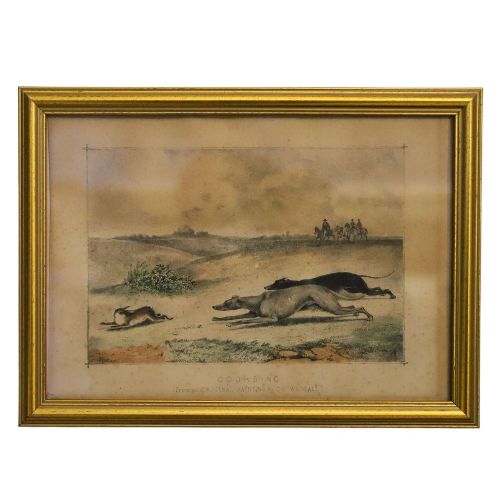
Antique Coloured Print
An antique coloured print brings centuries of pigment, paper and observation to a wall.
Antique Coloured Print
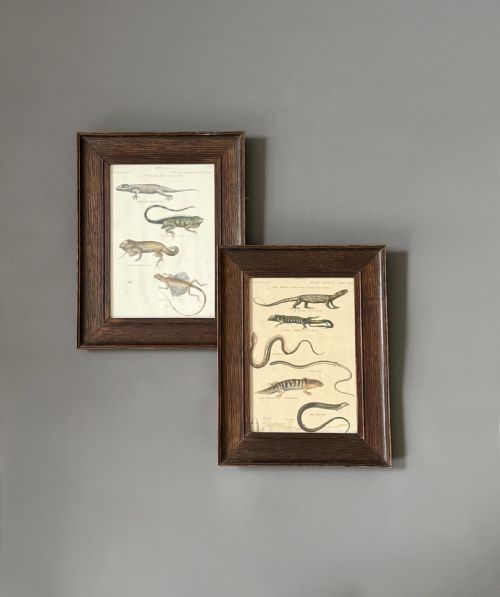
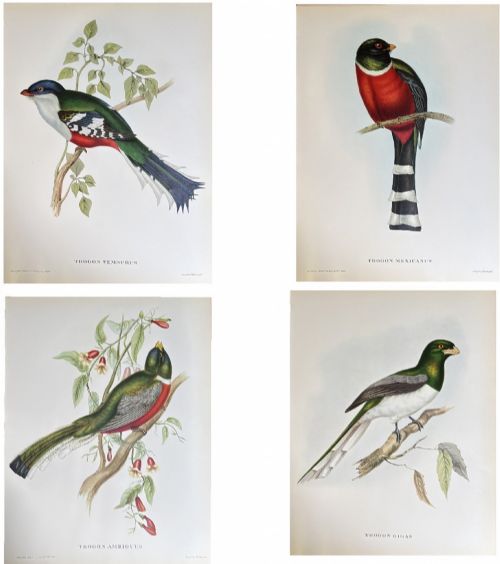
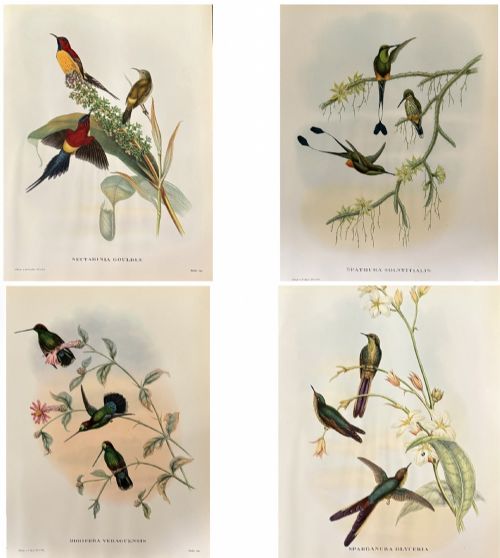
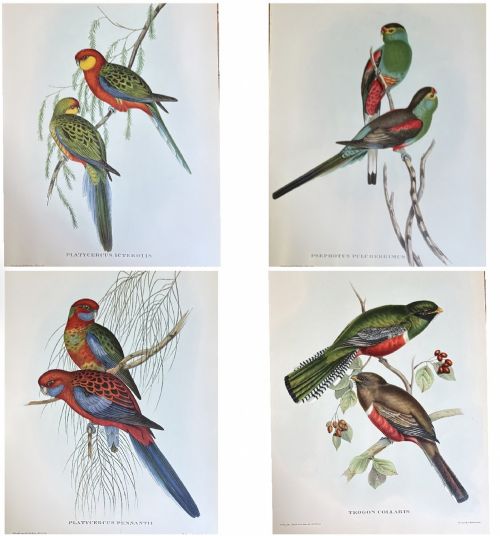
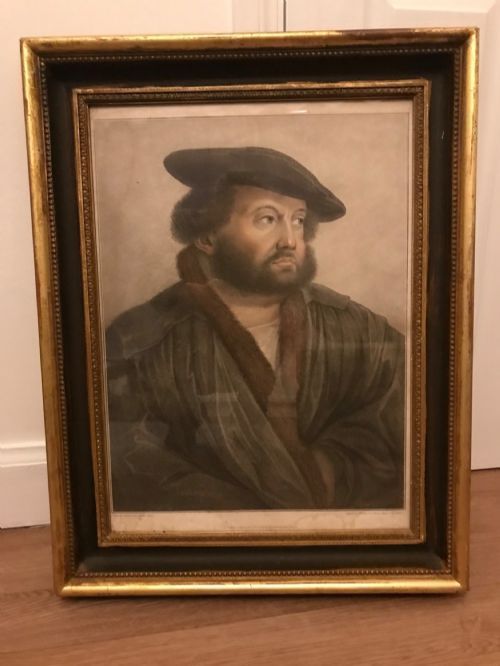
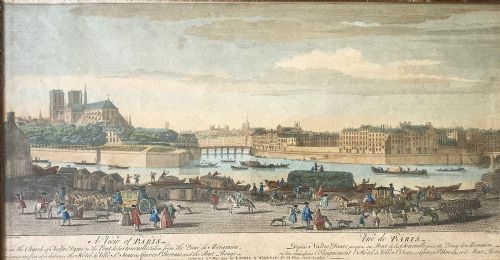
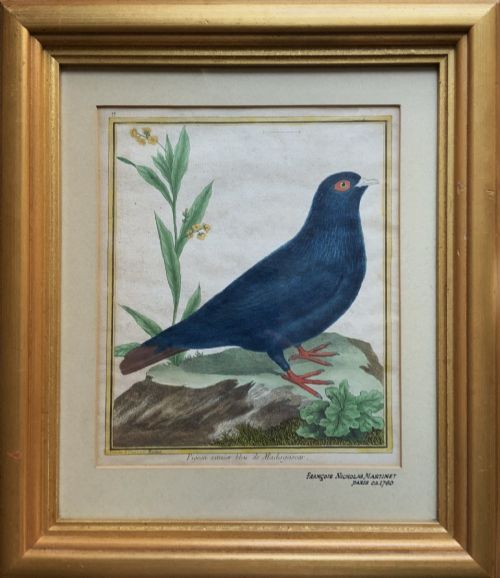
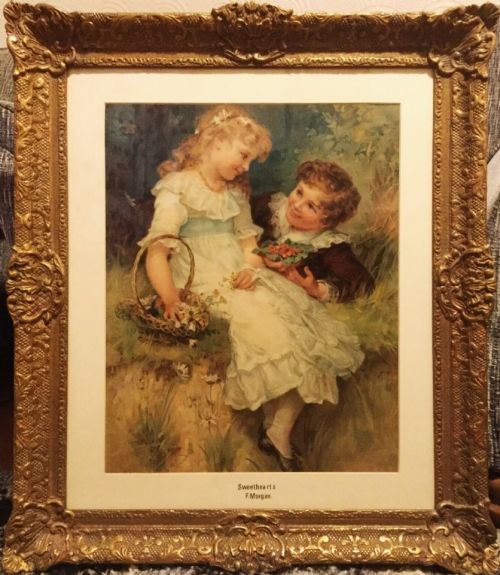
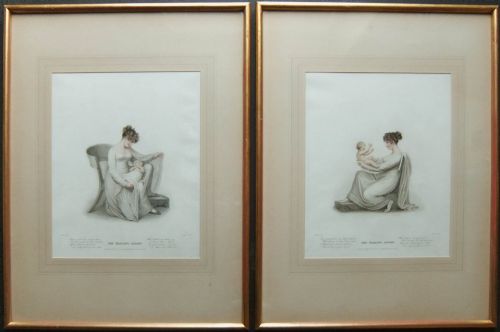
An antique coloured print encompasses centuries of paper ephemera, cartography, natural history illustration and portraiture enhanced by hand or mechanical tinting. Buyers searching for an antique coloured print often encounter framed works from the eighteenth and nineteenth centuries, spanning Georgian botanical studies, Victorian sporting scenes and Regency portraiture.
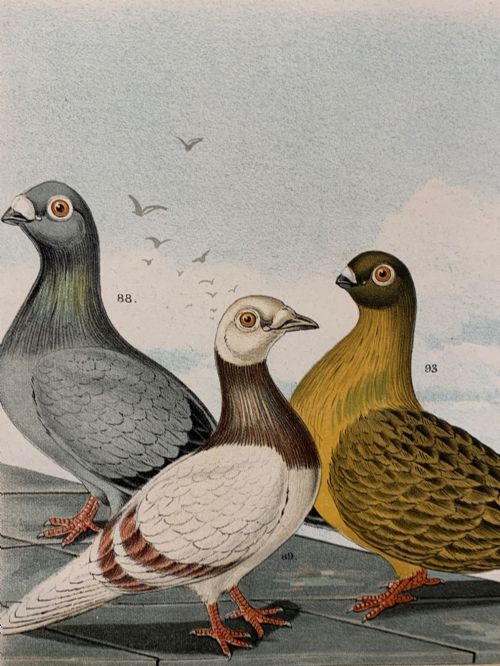
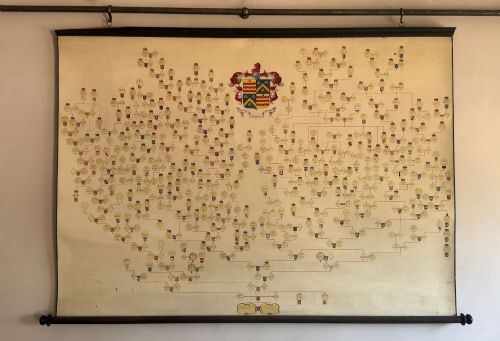
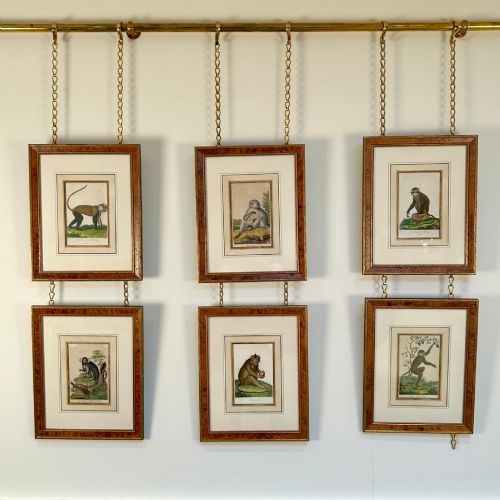
The material forms on this page range from unframed nineteenth-century bird plates to grand eighteenth-century copper engravings and maps housed in period wood and gilt frames. Natural history subjects, maps and equestrian studies dominate the offerings, usually presented behind glass with traditional mounts.
Originating across Britain, Europe and Japan, these pieces reflect the shifting reproduction techniques of their respective eras, from early hand-coloured copperplate engravings to later chromolithographs and aquatints.
Materials and Techniques
Makers relied primarily on quality rag paper as a stable ground for ink and pigment, frequently utilising copper plates, woodblocks or lithographic stones to transfer the initial lines. Artisans then applied watercolour, gouache or ink tints by hand, or employed multi-stone chromolithography to build up complex hues directly on the press.
Framing materials reflect the period of production, incorporating oak, gilt wood and traditional Hogarth frames paired with protective glass to shield fragile paper surfaces from atmospheric moisture and light degradation.
Historical cartographers occasionally filled blank oceanic voids with spirited illustrations of sea monsters and fictitious merchant galleons.
Evaluating the Range
Quality rests heavily on the clarity of the underlying impression and the precision of the coloration, where skilled hand-tinting enhances the printed lines without obscuring the delicate details of the engraving or lithograph. Impressions pulled early from a fresh plate display sharp, crisp contours, whereas worn plates yield softened lines that diminish the visual impact of the subject.
The integrity of the paper itself, the presence of original rather than later colour, and the survival of period framing components all contribute to the standing of an individual piece within the wider selection.
John Speed·Francesco Bartolozzi·Louis Icart·Warwick Goble·Sebastiaan Vrancx
The Antique Coloured Print Glossary
- Engraving
- A printmaking technique where an artist cuts lines directly into a metal plate using a sharp tool called a burin. The resulting incisions hold the ink for transfer under pressure.
- Lithography
- A planographic printing process based on the mutual repulsion of oil and water, utilising flat limestone or metal plates to produce detailed tonal images.
- Aquatint
- An intaglio printmaking method that achieves watercolour-like tonal effects by acid-biting resin-covered areas on a metal plate. It frequently appears alongside standard line engraving in tinted book illustrations.
- Mezzotint
- A tonal printmaking process where the metal plate is roughened uniformly to produce deep blacks, allowing the artist to scrape away areas for lighter shades.
- Chromolithography
- A planographic colour printing technique that uses a separate lithographic stone for each distinct hue, building up vibrant multi-coloured images without manual tinting.
Antique Coloured Print: Frequently Asked Questions
How do I identify hand colouring?
Examining the surface under magnification reveals small pooling effects and slight brush irregularities where pigment sits on the paper fibres. Printed colour, by contrast, breaks down into minute dots or solid mechanical screens.
Hand-applied tints often display subtle variations in tone from one impression to the next, whereas mass-produced chromolithography repeats identical colour boundaries across every sheet.
Are these prints contemporary to their dates?
Most listings date from the actual period of creation, spanning the seventeenth through the early twentieth centuries. Original printing plates were inked and pressed during the stated era.
Publishing dates marked on maps or book illustrations generally confirm the primary manufacturing window, though subsequent restrikes do occur in certain categories.
How should I frame and display them?
Paper requires protection from direct sunlight and high humidity to prevent fading and foxing spots. Acid-free mounts and backing boards prevent chemical degradation over time.
Displaying works away from direct heat sources and using UV-filtering glass helps preserve both the paper support and the fugitive watercolour pigments.
What causes spots on antique paper?
Foxing appears as brownish-red spots caused by chemical reactions between iron impurities in the paper and ambient moisture. It remains a common characteristic of vintage wood-pulp and rag sheets.
While light foxing indicates genuine age, heavy staining can obscure the printed image and warrants careful professional conservation.