
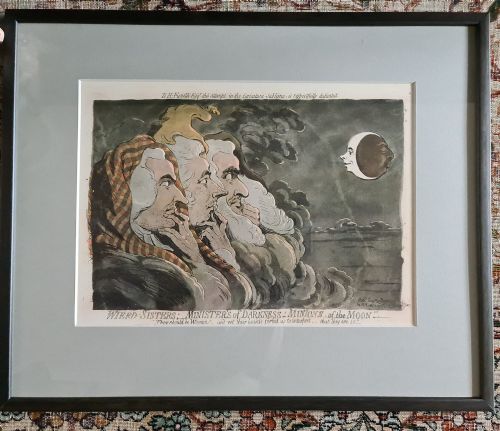
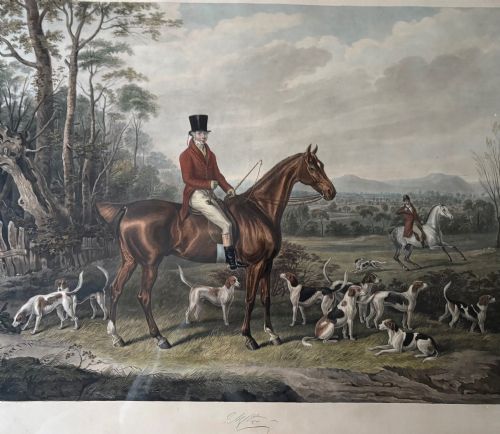


Antique Coloured Etching
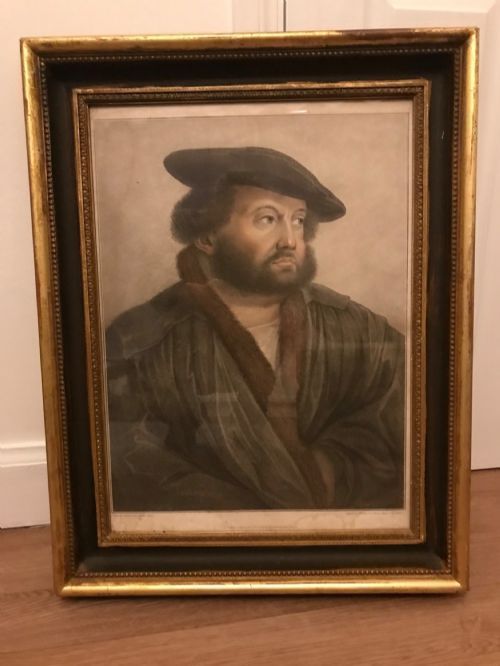
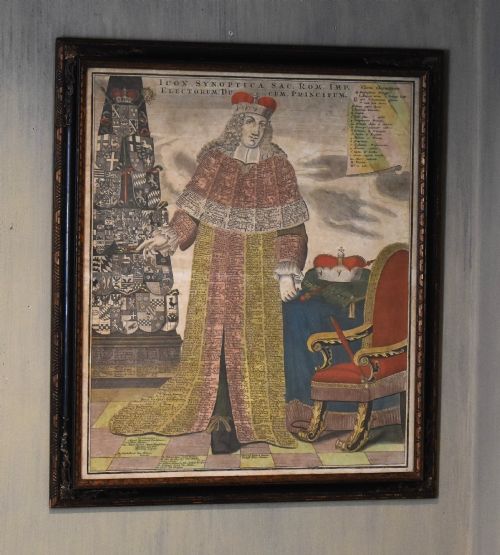
These antique coloured etching works are framed paper artworks tinted by hand, bringing historical subjects and architectural scenes directly onto your walls.
Antique Coloured Etching
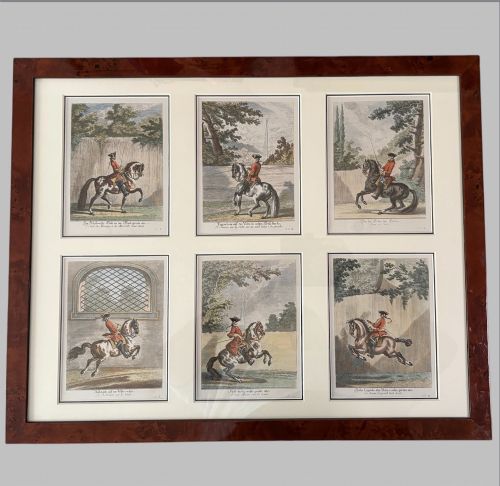
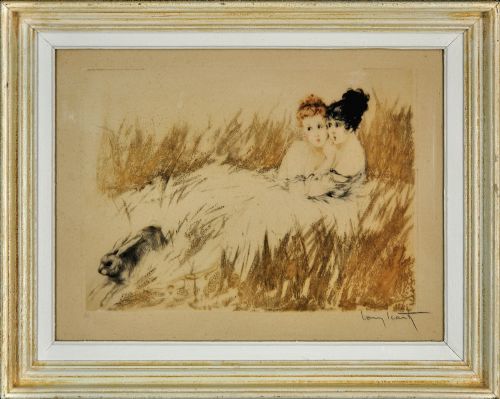
When you search for an antique coloured etching, you find works created across the eighteenth and nineteenth centuries, alongside pieces from the early twentieth century. The selection ranges from Georgian equestrian scenes and Regency hand-tinted prints to Victorian views and later Art Deco interpretations.
The most common examples you meet on this page are framed prints and engravings on paper, often preserved behind glass in wood frames. These span diverse subjects including ornithological studies of birds, architectural views, sporting art, and portraiture.
Origins vary from English publishers to French artists, reflecting diverse European printmaking traditions. You encounter single framed sheets alongside matched sets, such as groups of architectural scenes or ornithological plates.
Materials and methods
Plates were engraved or etched on metal before ink was applied to paper, creating the foundational printed lines of each composition. Artists then added watercolour by hand to individual impressions, producing the characteristic washes of colour seen across the periods.
Framing materials typically involve wood, gilt wood, and burr wood veneer, enclosing the paper behind glass to protect the delicate medium. Gold leaf accents sometimes appear within the framing or secondary elements associated with the works.
Listings feature works from the eighteenth, nineteenth, and twentieth centuries, including Georgian, Regency, Victorian, and Art Deco styles.
Distinctions in quality
The finesse of the original engraving work and the precision of the hand-applied watercolour washes determine the visual impact of each piece. Superior examples display crisp, clear lines beneath well-preserved pigment that has retained its original tone.
The quality of the contemporary or period framing, including materials like burr wood veneer or gilt wood, contributes significantly to the overall presence of the artwork. Preservation of the paper ground without heavy discolouration also separates finer examples from standard ones.
Francesco Bartolozzi·Louis Icart·Joseph Constantime Stadler·Joaquim Terruella Matilla
The Antique Coloured Etching Glossary
- Etching
- A printmaking process where acid bites lines into a metal plate to hold ink. This technique creates the fine, fluid lines characteristic of the medium.
- Aquatint
- A printmaking method that produces tonal areas resembling watercolour washes. It was frequently combined with etching to create shaded backgrounds in antique prints.
- Stipple engraving
- A technique using dots to form an image, often employed for portraits and delicate subjects. It produces soft tonal gradations without hard lines.
- Hand coloured
- The application of watercolour or tint by hand to a monochrome print. This process made individual impressions unique.
- Overmantle mirror
- A large mirror designed to hang above a fireplace mantel. These pieces utilise materials like peach coloured glass and wood.
Antique Coloured Etching: Frequently Asked Questions
How should I hang framed antique prints?
Keep them away from direct sunlight to protect the paper and hand-applied watercolour from fading over time.
Ensure your walls are dry and stable to maintain the integrity of the wooden frames and glass.
What subjects do these prints cover?
The selection includes architectural scenes, sporting subjects, ornithological studies of birds, and portraiture.
You also encounter military history, Napoleonic subjects, and bullfighting scenes from later periods.
How do I identify a hand coloured print?
Look closely at the colour application under magnification to see subtle brushstrokes and variations within the tinted areas.
Printed ink lines will remain distinct beneath the transparent washes of watercolour.
Are these prints usually found framed?
Most examples appear preserved behind glass in wood or gilt wood frames, sometimes featuring burr wood veneer.
Original or period framing helps protect the fragile paper substrate from environmental damage.