
Antique Copperplate Etching
These antique copperplate etching pieces bring centuries of classical portraiture, architectural studies and narrative satire into a room through finely worked ink on paper.
Antique Copperplate Etching
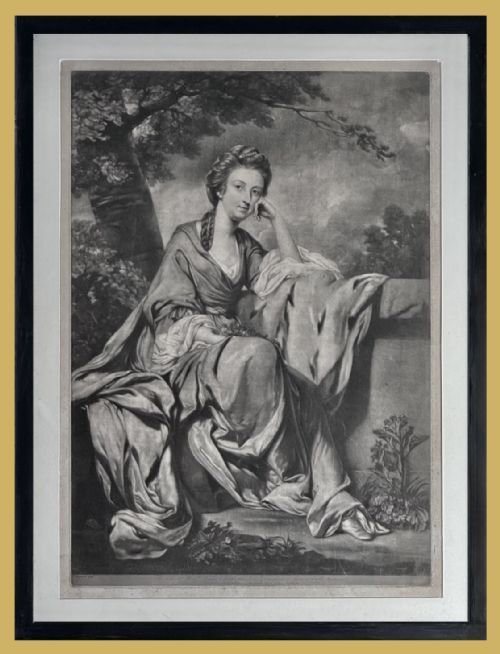
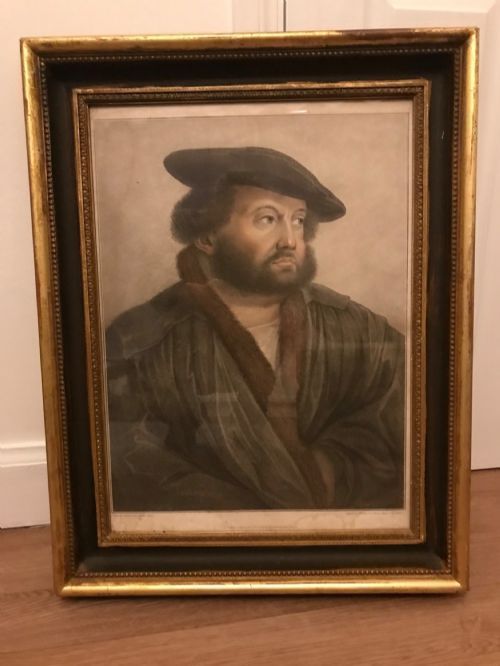
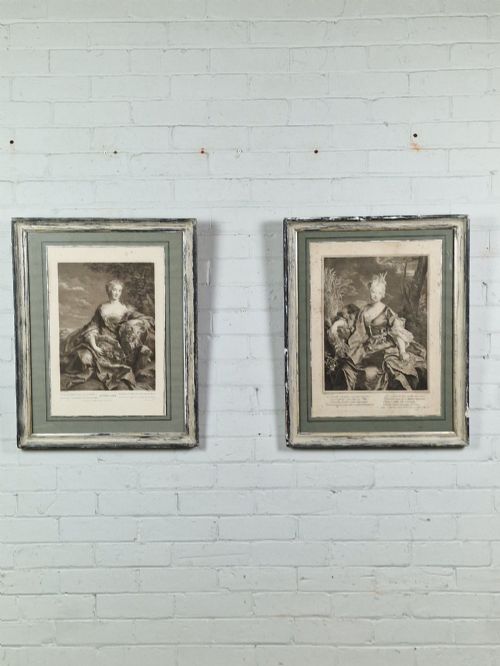
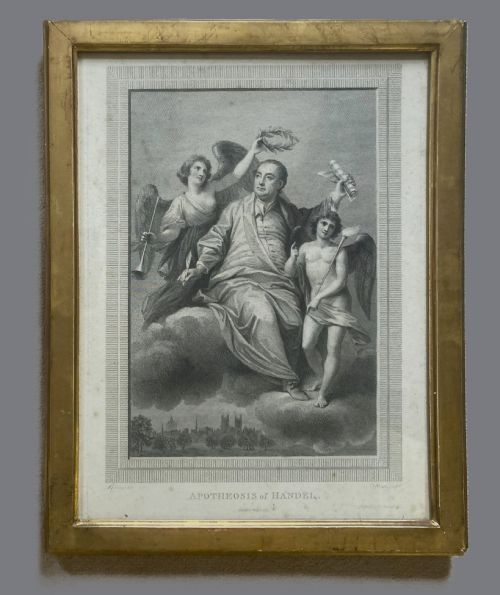
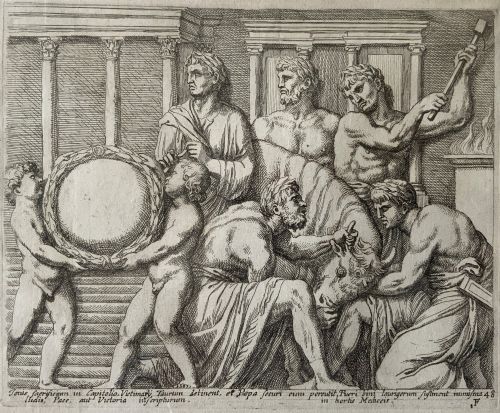
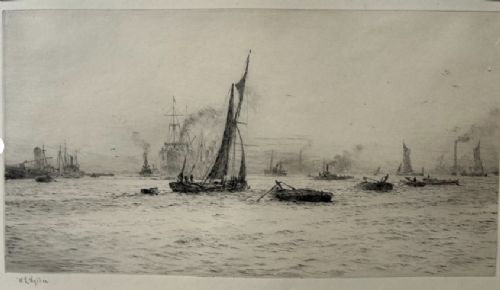
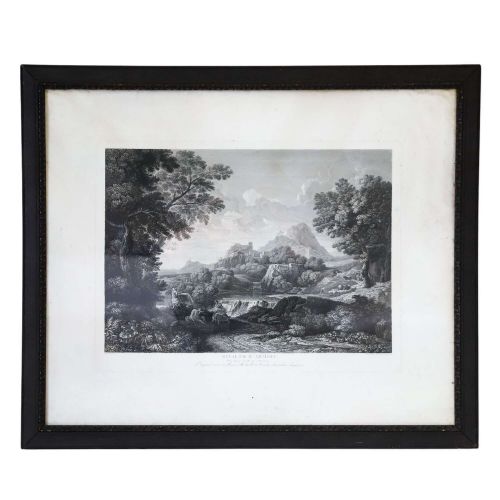
When you search for antique copperplate etching, you encounter works spanning the seventeenth through to the early twentieth century, including French and English prints, architectural plates and classical antiquity scenes. The selection on this page relies heavily on eighteenth-century interpretations, eighteenth-century French engravings and nineteenth-century Hogarth frames.
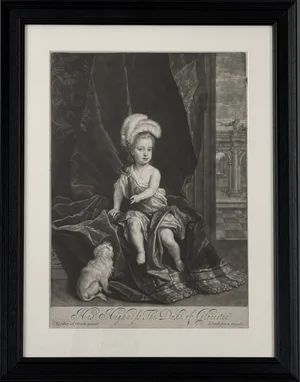
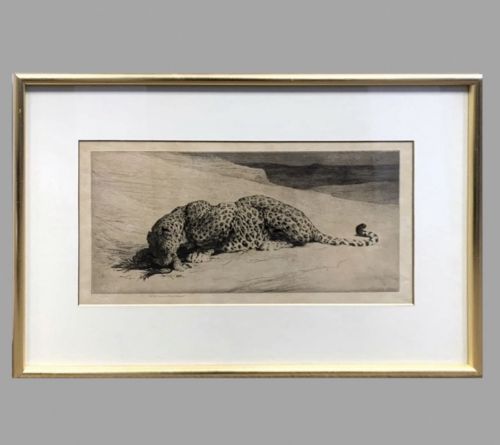
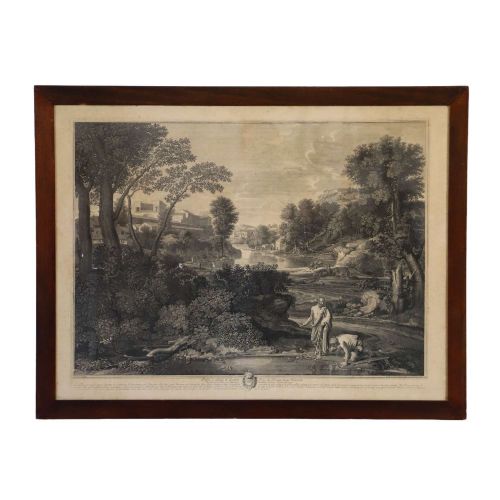
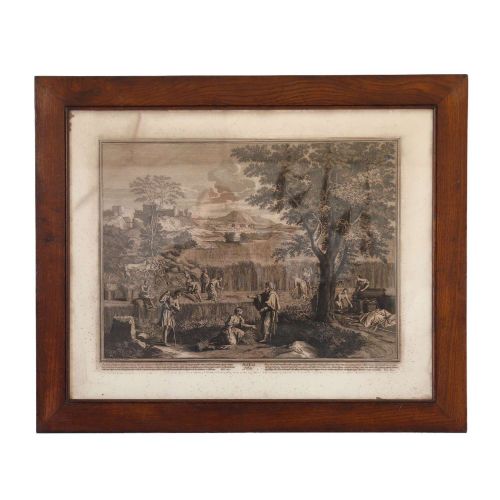
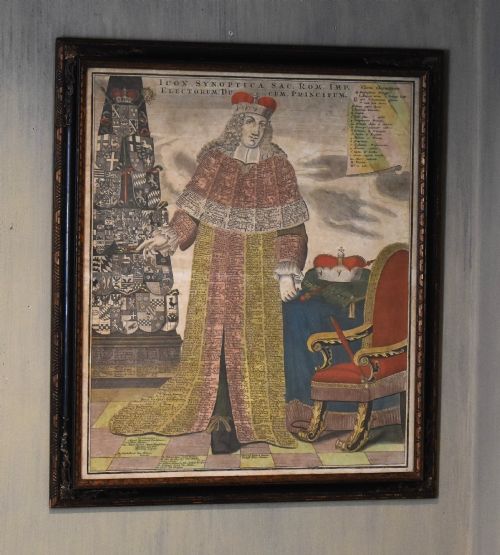
Subjects range from grand portraits and hunting scenes to intricate mythological narratives and architectural studies from the Vatican and Athens. Many of these prints arrive in their original frames, preserving the historical context of the framing traditions alongside the paper artwork itself.
How they were made
The physical objects combine paper, ink and sometimes watercolour applied by hand over copperplate lines, mounted within wood frames such as maple or gilt wood with glass protection. Artisans and printmakers etched or engraved lines into metal plates before transferring the ink onto paper sheets.
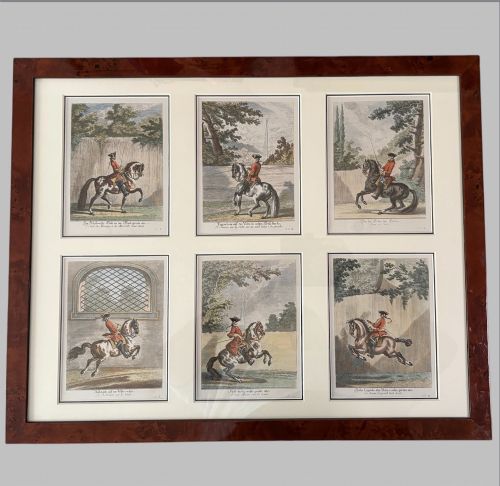
Many of the plates from the eighteenth and nineteenth centuries received hand-applied tinting or full watercolours to enhance the decorative detail of equestrian subjects, military scenes and satirical portfolios.
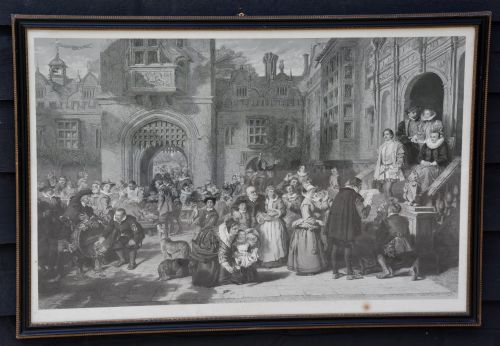
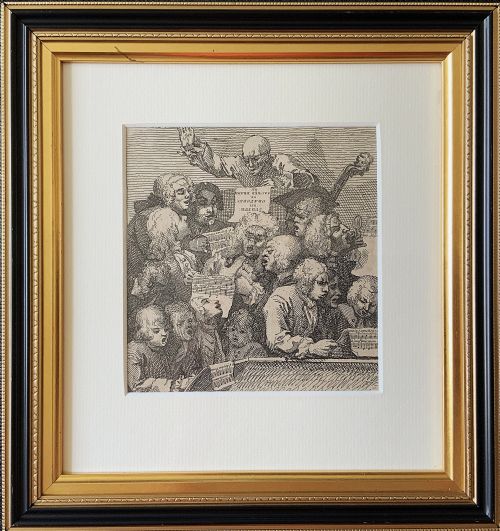
Several prints record the lively domestic chaos of Hogarth's London and the dramatic expressions of singing church choirs from centuries past.
What varies in quality
Quality rests upon the clarity of the impression left by the engraved or etched copperplate, where deeper and sharper lines distinguish a crisp early strike from a worn later printing. The skill of the original draughtsman and the engraver dictates the fidelity of the transfer from famous paintings by masters such as Reynolds, Holbein or Hogarth.
The preservation of the paper support and the presence of original period framing, such as Hogarth mouldings or gilt wood surrounds, elevate the integrity of the piece. Hand-applied colouring also varies, with delicate contemporary tinting adding depth that hurried modern applications lack.
Edward Fisher·Francesco Bartolozzi·James Heath·François Perrier·William Lionel Wyllie·John Faber Jr·Étienne Baudet·Herbert Dicksee·William Hogarth·James Basire
The Antique Copperplate Etching Glossary
- Etching
- A printmaking process where acid bites lines into a metal plate covered with a protective ground. The resulting recessed lines hold the ink for transfer onto paper.
- Engraving
- A method where a burin cuts lines directly into a metal plate without the use of acid. It yields clean, precise lines favoured for detailed architectural and portrait plates.
- Mezzotint
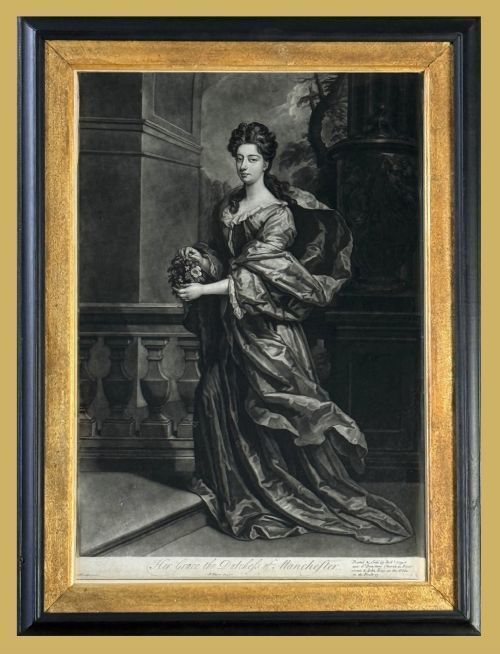
- A tonal printmaking technique that allows half-tints and rich dark areas to be produced. It was frequently utilised for reproducing oil paintings of portraits during the seventeenth and eighteenth centuries.
- Stipple engraving
- A method of creating an image using a multitude of small dots rather than continuous lines. This technique creates subtle gradations of tone, often seen in classical portraits.
- Hogarth frame
- A distinctive narrow wooden picture frame with a moulded profile finished in gilt or dark tones, commonly associated with eighteenth-century satirical prints.
Antique Copperplate Etching: Frequently Asked Questions
What is a copperplate etching?
A copperplate etching is a print created by drawing through a wax ground on a metal plate with a needle, then using acid to bite the lines into the copper before printing onto paper.
These plates allowed artists to produce detailed works of art, architectural studies and satirical scenes that could be shared widely across Europe during the seventeenth and eighteenth centuries.
How do I care for antique prints?
Antique paper prints require protection from direct sunlight to prevent the ink and any hand-applied watercolour from fading over time. Keeping them behind glass in stable indoor humidity prevents foxing and paper degradation.
Avoid hanging prints in damp areas such as kitchens or bathrooms, and ensure they are mounted with acid-free materials if re-framing becomes necessary.
Are these prints original period pieces?
The listings on this page span several historical periods including the seventeenth, eighteenth and nineteenth centuries, featuring works pulled during those eras. Many retain their original period frames, such as traditional Hogarth moulding or gilt wood.
Examining the paper texture, plate marks and framing style helps confirm the historical period of the print.
What subjects are most common?
The subjects range widely across classical antiquity, architectural studies from Athens and the Vatican, and British satire. You will also find portraits of historical figures, military scenes and sporting subjects like fox hunting.
Many plates serve as faithful eighteenth-century copies of famous paintings by master artists.