
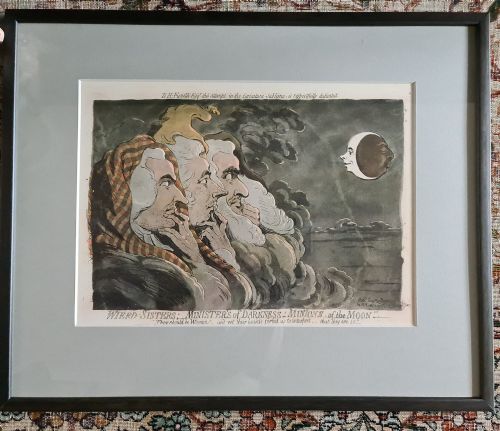


Georgian Framed Etching
A georgian framed etching brings centuries of classical portraiture, architectural study, and natural history directly into domestic spaces.
Georgian Framed Etching
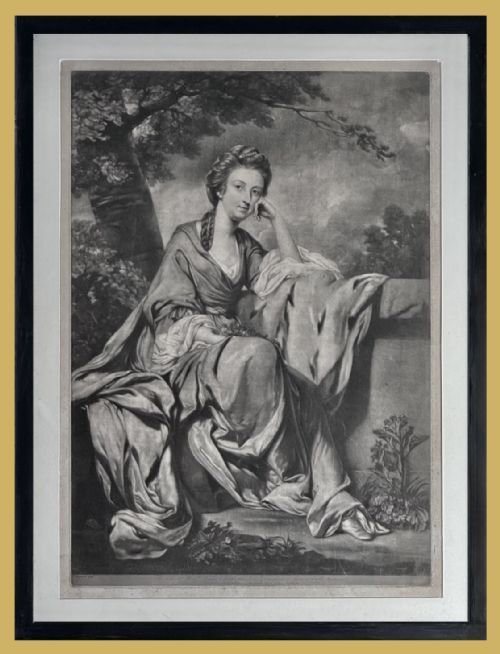
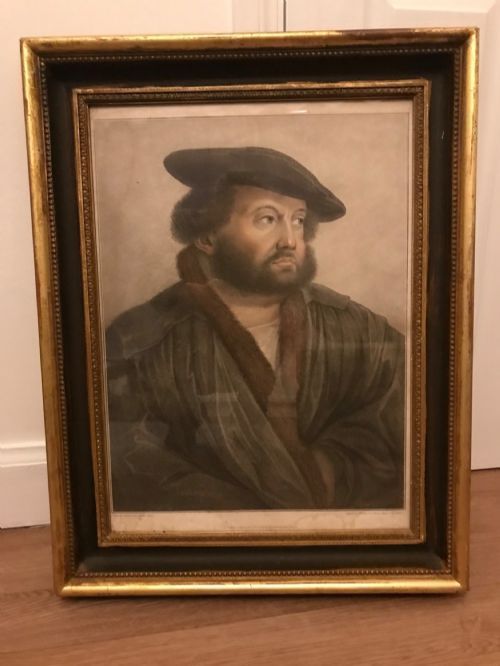
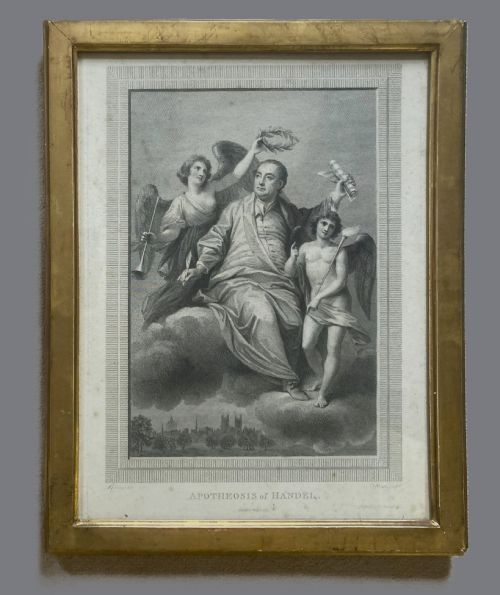
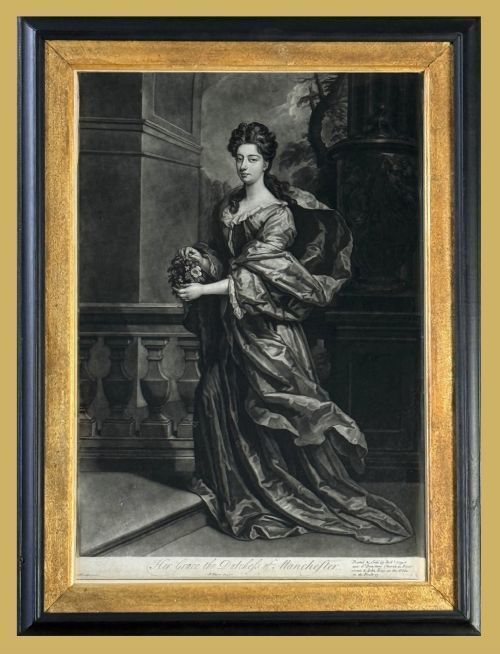
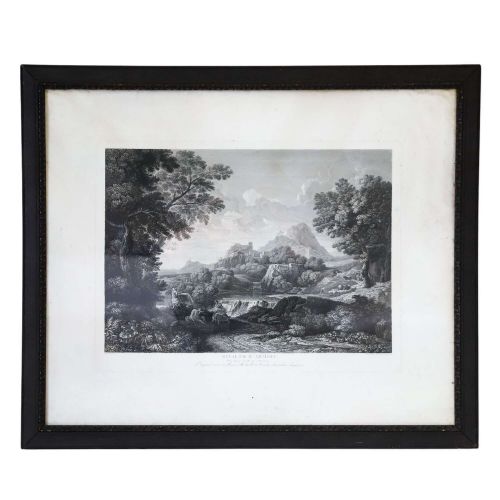
When searching for a georgian framed etching, collectors encounter works on paper preserved behind glass within timber and gilt surrounds. The selection spans 18th century productions, Regency interpretations, and later revival pieces showcasing subjects from classical antiquities to ornithological studies.
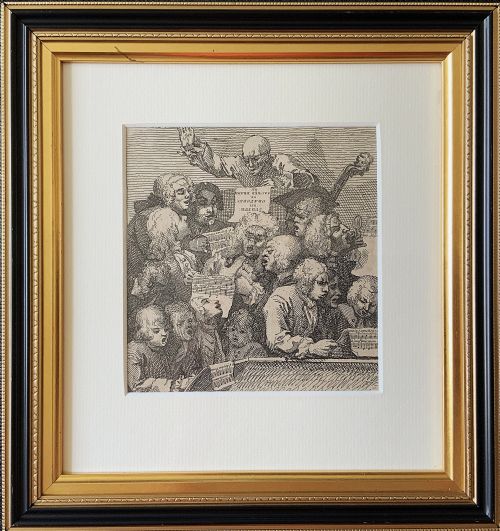
Framed works vary from intimate portrait engravings to large architectural elevations recorded during grand tours. These pieces reflect the period fascination with classical mythology, natural science, and theatrical satire.
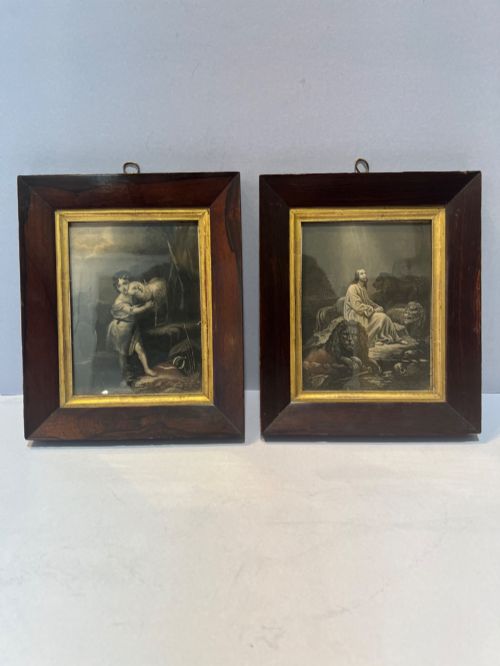
Examples frequently appear within period timber profiles, maple surrounds, or ornate giltwood frames that complement the monochromatic or hand-coloured ink works they enclose.
How they were made
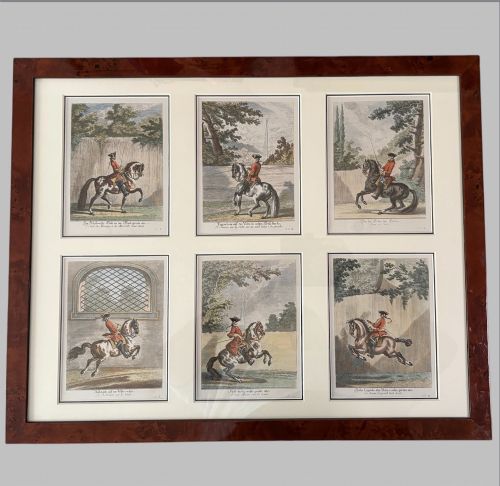
Makers utilised copper plates for intaglio printing, working ink into incised lines before transferring the image onto rag paper under pressure. Many sheets received subsequent washes of watercolour by hand to accentuate botanical, ornithological, or equestrian details.
Protective enclosures combined float glass with wooden mouldings, occasionally finished with gold leaf or gesso layers. Backings utilised period timber boards secured with traditional fastenings to maintain tension across the paper.
Listings feature eighteenth-century architectural elevations alongside nineteenth-century botanical studies on paper.
What varies in quality
The clarity of the plate impression dictates visual success, separating sharp early strikes from worn later impressions where fine lines have degraded. Crisp ink deposition and balanced plate margins indicate careful workshop standards during printing.
The integrity of the accompanying frame influences overall merit, with original period mouldings and untouched glass surfaces holding greater appeal than later replacements. Preservation of the sheet against foxing and light damage preserves the tonal depth intended by the publisher.
Edward Fisher·Francesco Bartolozzi·James Heath·John Faber Jr·William Hogarth·Francesco Piranesi·John Curtis·James Basire
The Georgian Framed Etching Glossary
- Etching
- A printmaking technique where acid bites lines into a metal plate covered with an acid-resistant ground. This process allows fluid, drawn lines to be transferred to paper.
- Stipple engraving
- A method of creating tonal gradations on a printing plate using dots rather than continuous lines. It frequently rendered soft flesh tones in portraiture.
- Mezzotint
- A printmaking process where the copper plate is roughened uniformly to produce rich dark tones and smooth gradations of light. It gained popularity for dramatic theatrical and portrait subjects.
- Giltwood
- Timber carved and coated with a thin layer of gold leaf or metallic powder. This finish provided reflective warmth around wall art and mirrors.
- Aquatint
- A variant of etching capable of producing broad areas of tonal contrast resembling watercolour washes. It was widely utilised in topographical and architectural publishing.
Georgian Framed Etching: Frequently Asked Questions
How do I care for framed works on paper?
Keep prints away from direct sunlight to prevent the fading of ink and watercolour pigments. Maintaining stable indoor humidity prevents cockling of the paper within the frame.
Avoid hanging pieces in damp environments like kitchens or unheated spaces. Professional framing using acid-free backing materials protects the sheet from chemical degradation over time.
Are these works original period impressions?
Many listings date from the eighteenth and nineteenth centuries, produced using traditional intaglio printing methods on contemporary paper stocks. Signatures, publisher imprints, and paper characteristics help establish the era of printing.
Later Victorian and twentieth-century impressions also exist on the market. Examining the impression quality and paper watermark clarifies the historical context of each piece.
How do I distinguish an etching from a lithograph?
Etchings display a visible plate mark where the edge of the metal plate pressed into the damp paper during printing. Examining the surface under magnification reveals ink resting slightly within recessed grooves.
Lithographs lack this indented plate mark and rely on a flat chemical printing surface. The resulting lines show a uniform dot pattern rather than the distinct channel of intaglio methods.
What framing styles complement these prints?
Period pieces frequently appear in simple Hogarth moulding profiles made from darkened wood or maple veneers. These understated borders allow intricate architectural and botanical line work to remain the visual focus.
Neoclassical and Regency interiors also utilised giltwood or gesso frames with subtle classical ornamentation. Original frames retain historical value, though many works have been reframed across subsequent centuries.