
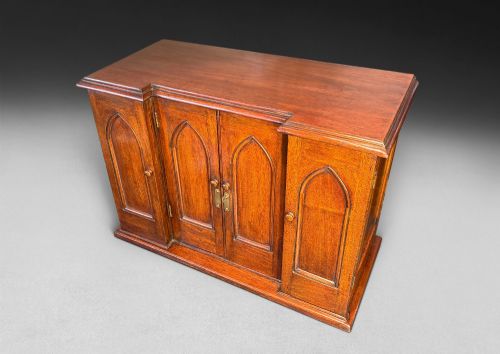
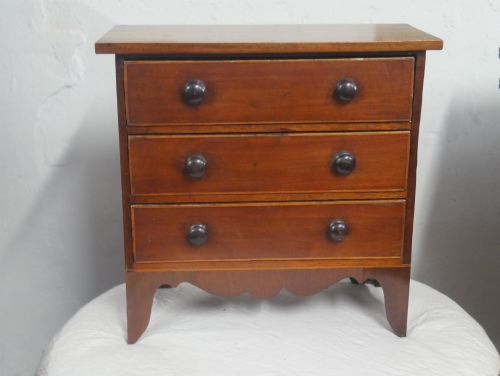
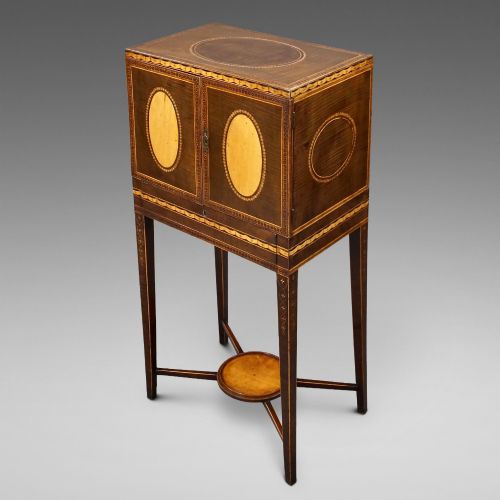
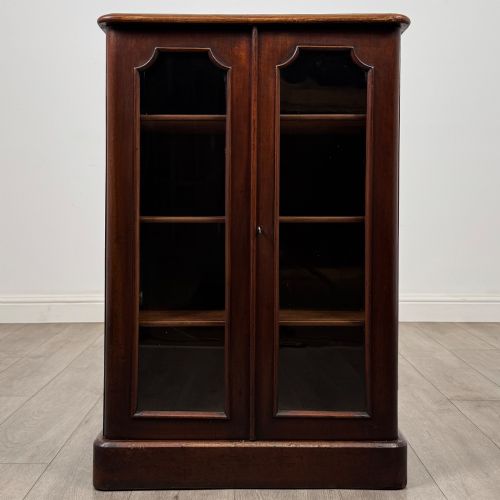
Antique Collector Cupboard
An antique collector cupboard stores small specimens and keepsakes in compartmentalised drawers or behind glazed doors.
Antique Collector Cupboard
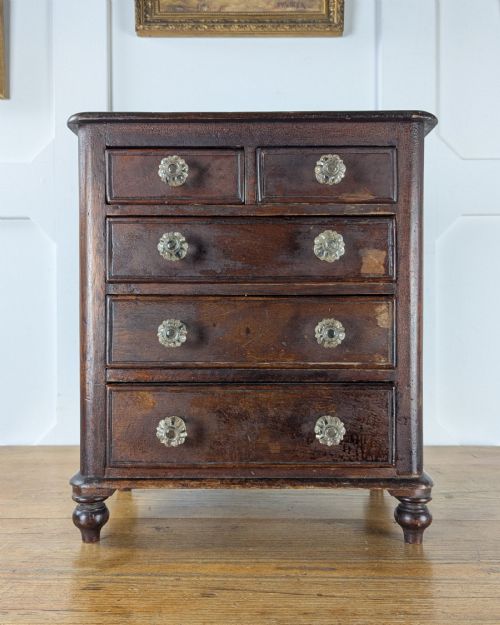
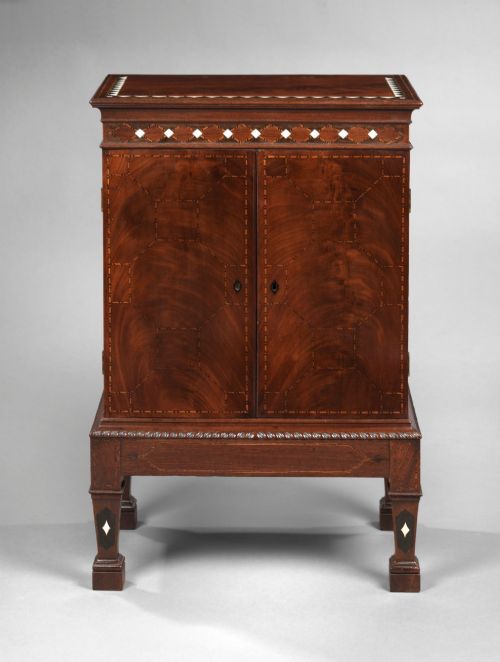
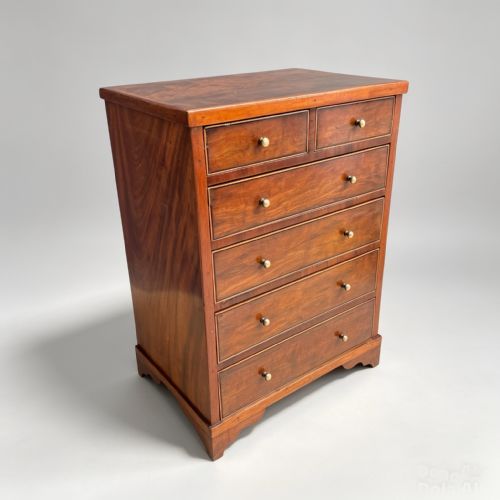
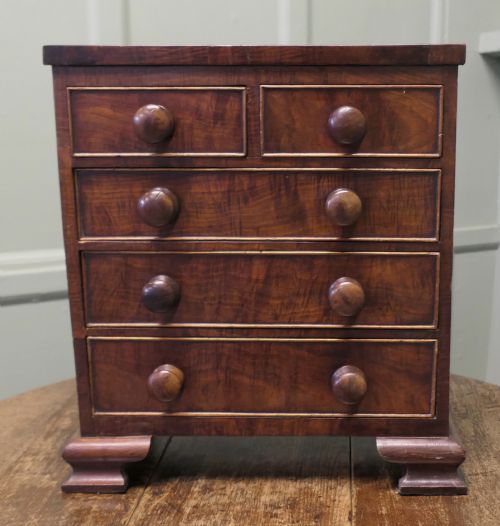
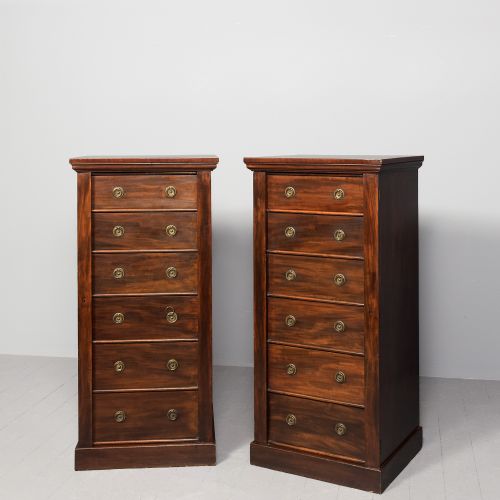
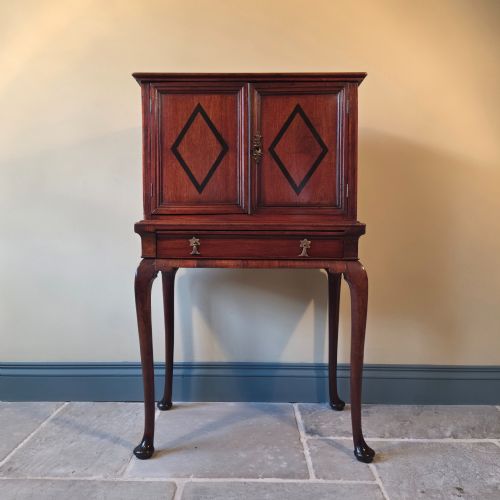
An antique collector cupboard gathers together miniature chests of drawers, tabletop cabinets, and freestanding display cases designed to house distinct items. These pieces span centuries from the seventeenth through to the early twentieth century, appearing in forms such as apprentice chests, spice drawers, and apothecary banks.
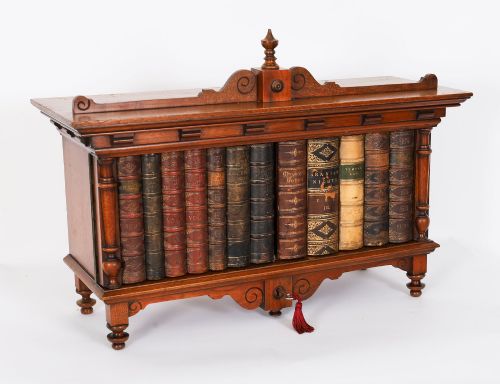
The most frequent examples on this page comprise tabletop formats in oak and mahogany, alongside multi-drawer banks and glazed display cabinets. Makers constructed these items to organise natural history specimens, coins, or documents within structured rows of small compartments.
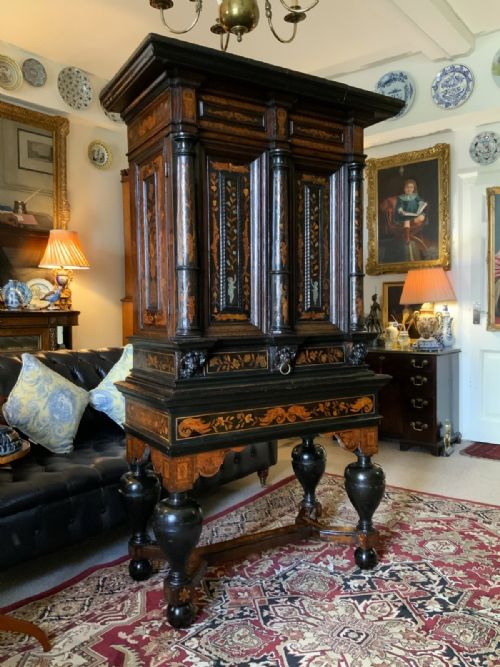
Regional variations and stylistic influences range from Georgian and Victorian periods to Gothic Revival and Dutch Baroque. Buyers encounter both utilitarian pharmacy storage and refined furniture inlaid with harewood or pewter.
Materials and Construction
Craftsmen built these pieces primarily using dense hardwoods like mahogany, oak, and walnut, alongside softer timbers such as pine and fruitwood. Structural integrity relied on traditional joinery, dovetailing small drawer frames and mounting doors on brass hinges.
Surface decoration incorporated marquetry, parquetry, and delicate string inlay in harewood or pewter. Glazed doors utilised timber framing to secure glass panes for visibility while protecting contents from dust.
Hardware typically featured brass drop handles, campaign-style fittings, and turned wooden feet. Finishes ranged from polished veneers to waxed or painted pine surfaces.
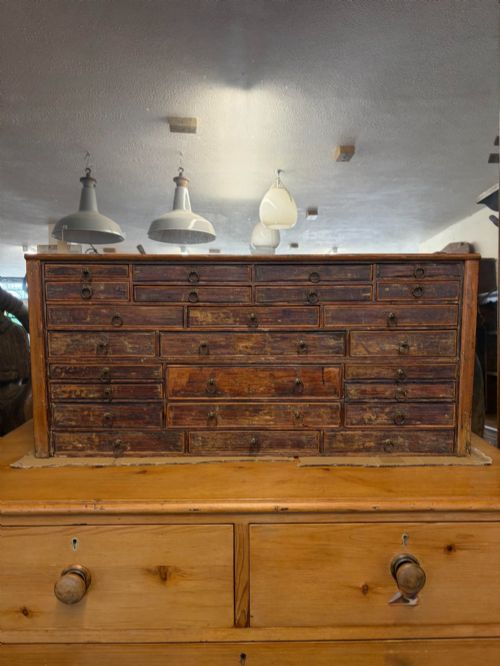
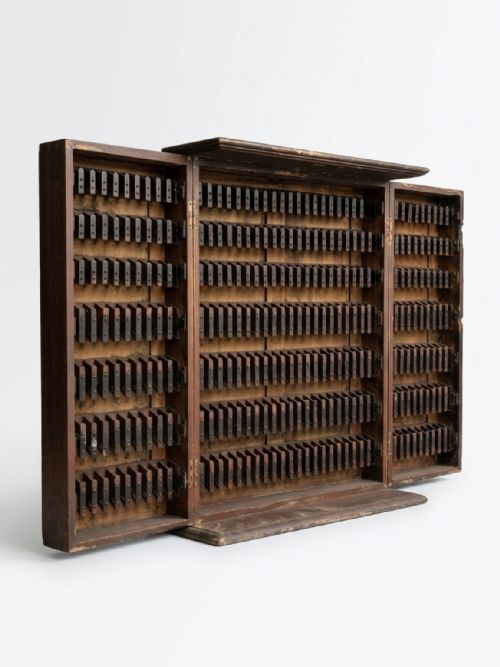
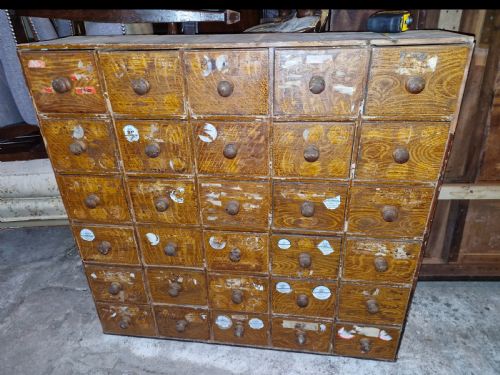
Railway ticket offices and floral shops once relied on these multi-drawer chests before digital systems took over.
Distinctions in Quality
The standard of a piece rests upon the precision of its internal joinery and the selection of timber veneers. Superior examples display tight dovetails on every small drawer and well-matched grain patterns across the primary surfaces.
Original hardware, working locks with operational keys, and intact glass panels elevate a cabinet's integrity. Finer items integrate complex internal configurations, such as tiered banks of twenty-five or thirty drawers, executed with balanced proportions.
The Antique Collector Cupboard Glossary
- Apprentice piece
- A small item demonstrating the skill required for a tradesman to attain master status. These miniature chests replicate full-size furniture proportions precisely.
- Bank of drawers
- A multi-tiered cabinetry unit housing numerous shallow compartments. Pharmacists, florists, and merchants originally utilised them for bulk storage.
- Marquetry
- The art of forming decorative patterns using fitted veneers of various woods. Artisans also integrated materials like pewter and tortoiseshell.
- Bijouterie
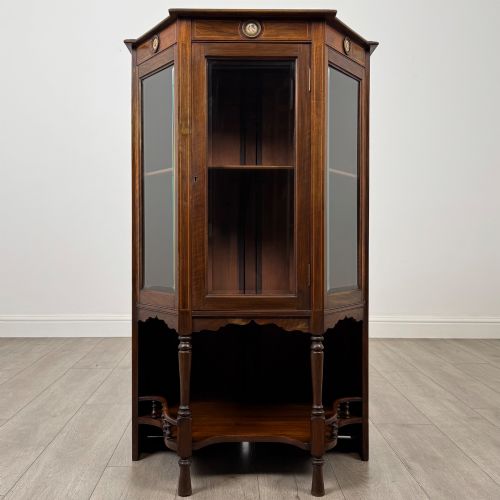
- A glazed display case designed specifically to showcase small precious objects or jewellery. These cabinets usually feature glass panels on multiple sides.
- Campaign style
- Portable furniture constructed for travel, equipped with recessed brass handles and reinforced corners. Officers and merchants utilised these robust configurations.
Antique Collector Cupboard: Frequently Asked Questions
What fits inside an antique collector cupboard?
These cabinets house varied small items within their shallow drawers and compartmentalised interiors. Collectors use them for coins, stamps, geological specimens, and antique curiosities.
The original function often dictates the internal layout, ranging from apothecary banks for powders to spice drawers and miniature chest compartments.
How do I clean a wooden collector cabinet?
Maintain timber surfaces by dusting with a soft, dry cloth to prevent accumulation in carved details and joints. Apply high-quality beeswax periodically to nourish old polish and preserve the grain.
Avoid chemical sprays and excessive moisture, which damage antique polishes and warp thin drawer linings.
Where should I place a tabletop cabinet?
Tabletop cabinets suit sturdy sideboards, desks, or dedicated stands where their proportions remain stable. Position them away from direct sunlight and radiators to protect aged veneers from splitting.
Ensure the supporting surface holds the weight evenly, particularly with dense hardwood or multi-drawer apothecary banks.
How do I identify a Victorian collector cupboard?
Victorian examples frequently utilise solid walnut or mahogany, often featuring turned feet and glazed doors. Construction details include machine-sawn elements alongside traditional hand-cut dovetails.
Look for period hardware styles, such as brass drop handles and escutcheons typical of the nineteenth century.