

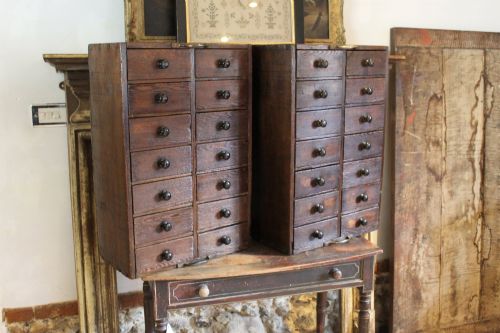


Vintage Specimen Drawer Cabinet
A vintage specimen drawer cabinet brings together practical multi-drawer storage and period craftsmanship, offering collectors a purposeful home for small items.
Vintage Specimen Drawer Cabinet
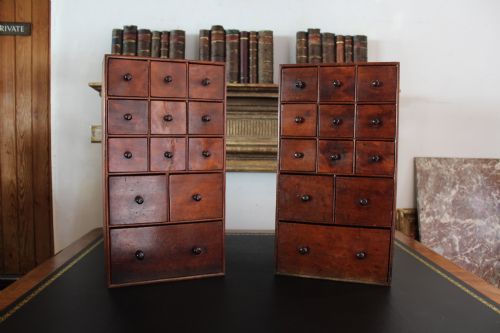
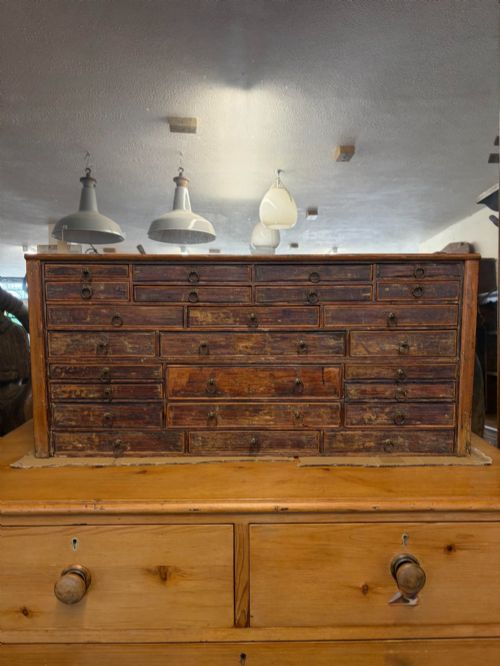
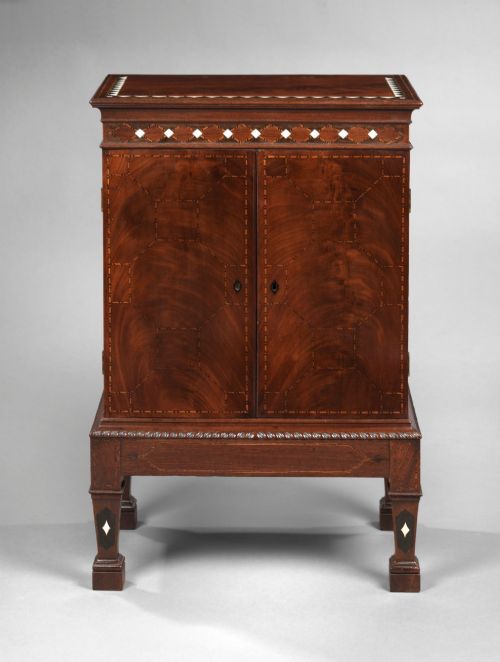
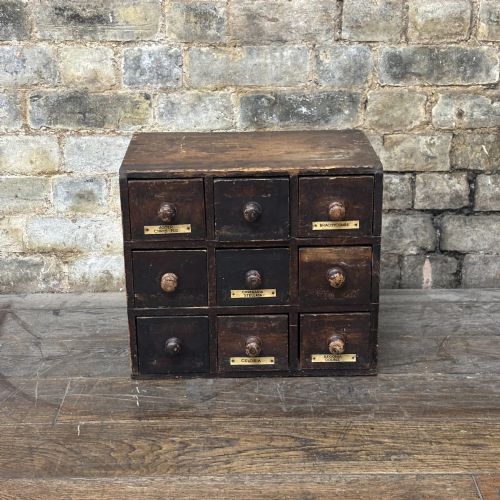
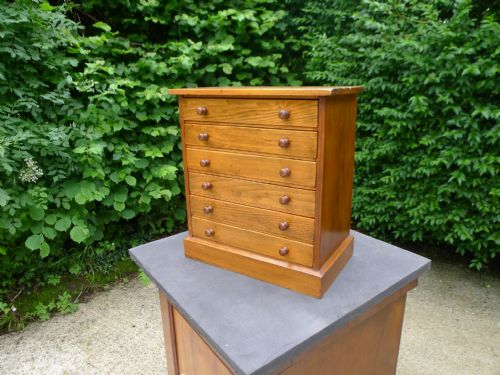
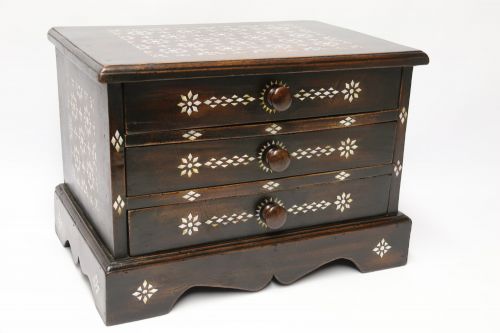
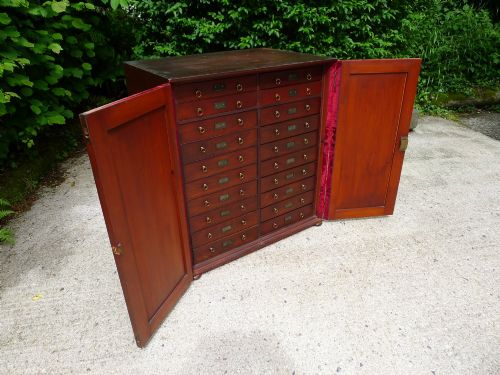
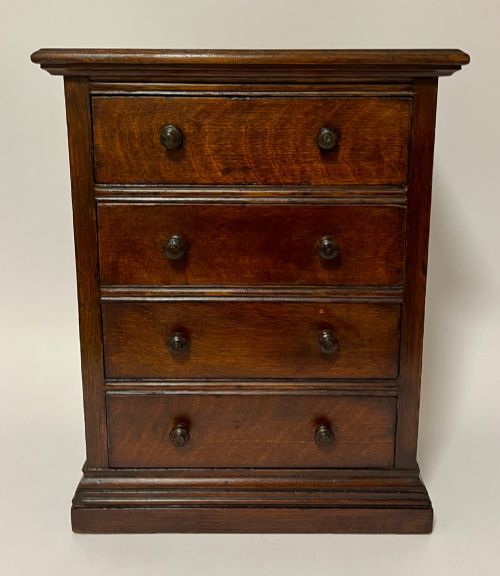
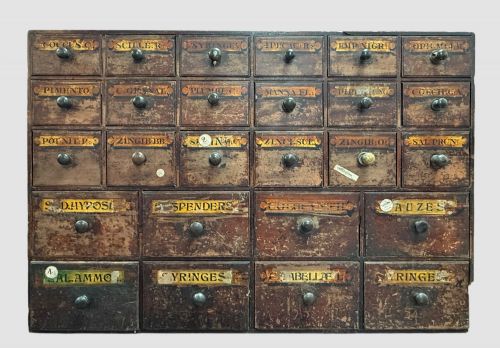
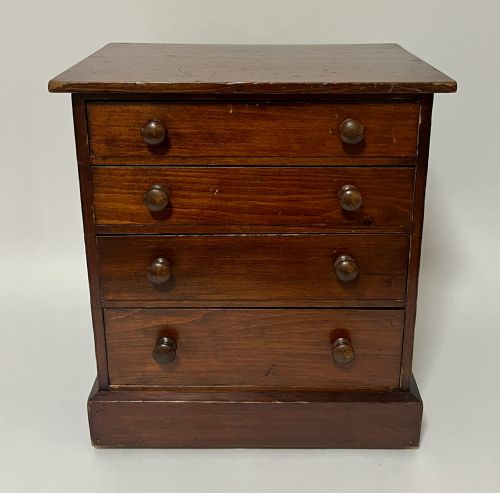
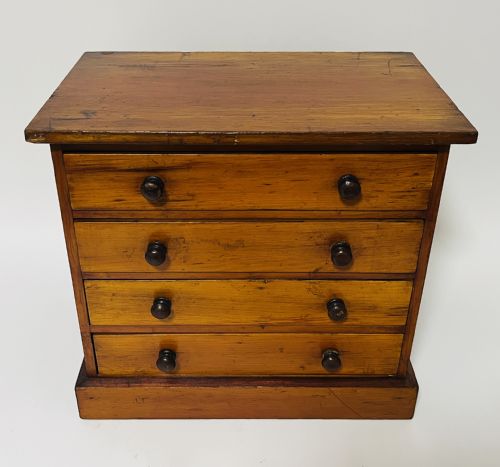
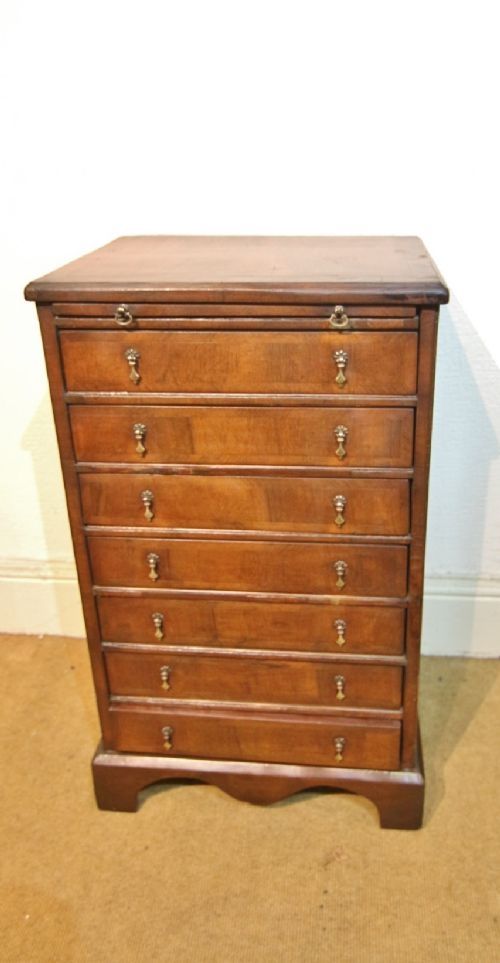
When you search for a vintage specimen drawer cabinet, you encounter multi-drawer configurations designed for organising small objects, ranging from botanical samples to coins and medical supplies. These pieces appear in forms such as tall banks of drawers, compact tabletop chests, and specialised apothecary or microscopic slide storage units. Most examples on this page stem from the nineteenth and early twentieth centuries, spanning periods from the Georgian era through to Edwardian times.
The materials reflect the practical and display purposes of these cabinets, utilising dense hardwoods alongside softer utility timbers. Mahogany and walnut appear frequently, often paired with secondary woods like deal, pine, and oak. Brass hardware and glass details occur on specific types, while specific regional variations include satinwood, teak, palmwood, and inlaid Anglo-Indian hardwoods.
How they were made
Cabinetmakers constructed these pieces using solid timbers and traditional joinery designed to support numerous closely fitted drawers. Hardwoods such as mahogany, oak, and walnut provide structural integrity, while pine and deal serve for internal framing and secondary carcases.
Surfaces receive polished or stained finishes that highlight the natural grain of the wood. Brass drop handles, flush pulls, and small locking mechanisms are integrated to handle frequent access to the individual drawers.
Listings feature woods including mahogany, oak, walnut, pine, deal, teak, satinwood, and palmwood across various nineteenth- and early twentieth-century periods.
What varies in quality
The standard of a vintage specimen drawer cabinet depends upon the precision of the drawer construction and the selection of timber. Superior examples exhibit tight, uniform drawer tolerances and finely figured mahogany, satin walnut, or burr walnut veneers.
Makers known for scientific and natural history storage, such as Brady or Charles William Schofield, applied higher levels of internal joinery and specialised fittings. The presence of original brass hardware, working locks with keys, and untouched patination elevate the standing of a piece.
Luxmore of Ilfracombe·Brady of Edmonton·D Napier and Sons·Charles William Schofield
The Vintage Specimen Drawer Cabinet Glossary
- Bank of drawers
- A tall or wide multi-drawer housing unit designed for systematic filing or storage. These configurations often originated in pharmacies, workshops, or offices.
- Wellington chest
- A sturdy vertical chest of drawers secured by a hinged locking stile on one side that fastens over the drawer edges. This form originates from the nineteenth century.
- Deal
- A historical term for softwood timber, typically pine or fir, utilised for secondary carcases and internal framing. It provides a stable base for polished or stained finishes.
- Apothecary chest
- A multi-drawer cabinet originally used to store medical ingredients, herbs, or homeopathic remedies. These feature numerous small compartments for organised dispensing.
- Collector's cabinet
- A specialised piece built with shallow drawers to house natural history specimens, coins, or small artefacts. Interiors often retain remnants of lining material suited to delicate items.
Vintage Specimen Drawer Cabinet: Frequently Asked Questions
What were specimen drawer cabinets originally used for?
These cabinets served laboratories, apothecaries, botanists, and collectors who needed to organise vast quantities of small, delicate items. The numerous shallow drawers kept seeds, geological samples, microscope slides, or medical ingredients sorted and protected from light.
Over time, similar multi-drawer formats found employment in florist shops, dentist surgeries, and offices for administrative filing. Their modular nature made them adaptable to any trade requiring meticulous categorization.
How do I date a nineteenth-century drawer cabinet?
Dating relies on observing construction methods, timber choices, and hardware styles across the piece. Earlier Georgian and early nineteenth-century examples often feature solid mahogany and hand-cut dovetails, while late Victorian and Edwardian versions incorporate pine, stained deal, or machine-milled components.
Maker labels, stamp marks on the drawer sides, and the specific style of brass handles provide further chronological clues. Examining the secondary woods inside the carcase helps confirm the period of manufacture.
How can I incorporate one into modern interiors?
A multi-drawer cabinet provides exceptional tabletop or floor storage for contemporary items without occupying excessive footprint. They suit studies, hallways, or living spaces for organising stationery, collections, or daily accessories.
The warm tones of mahogany, oak, and walnut anchor modern room schemes while introducing tactile historical character. Placing them against neutral walls allows the grain and numerous drawer pulls to stand out visually.
Are all specimen cabinets made of solid wood?
Most primary structures and drawer fronts consist of solid hardwoods or softwoods, though some examples employ veneers over secondary timber bases. Walnut, mahogany, and oak appear frequently in solid form for high-quality scientific and display pieces.
Softwoods such as pine and deal appear routinely in utilitarian workshop or apothecary units, sometimes finished with a stained surface. Regional variations introduce teak, satinwood, and palmwood according to local availability.