



Antique Collectible Pottery
These antique collectible pottery pieces range from Victorian majolica jugs to striking Art Deco lustre wares, offering a rich variety of ceramic artistry for your home.
Antique Collectible Pottery
When you search for antique collectible pottery, you encounter a diverse selection of ceramic objects spanning the nineteenth and twentieth centuries.
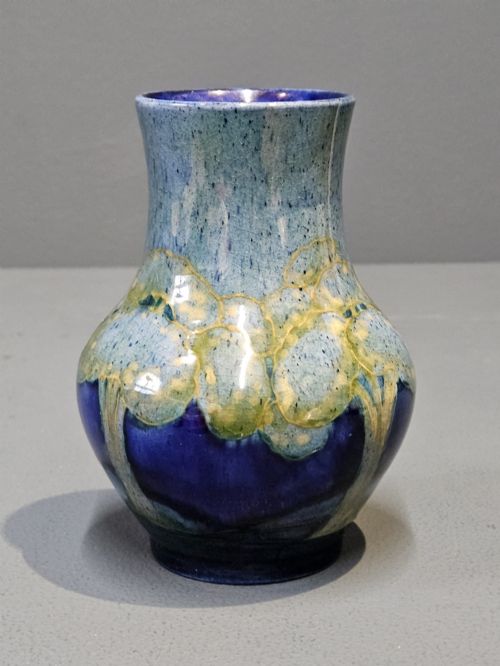
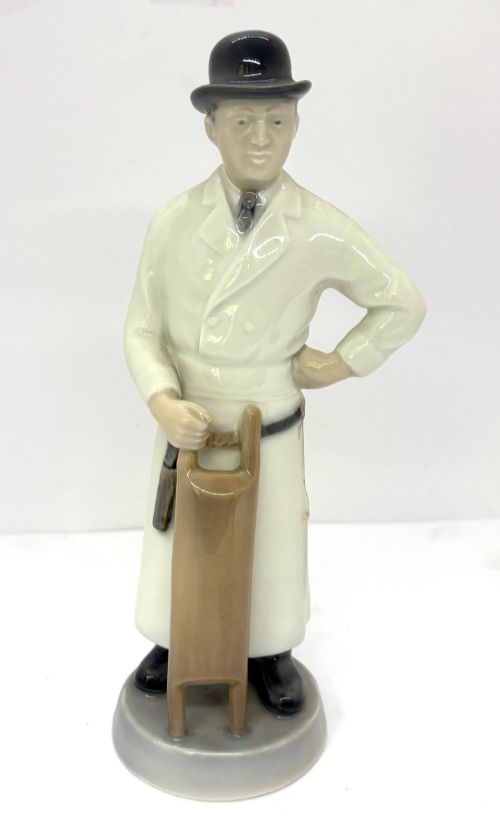
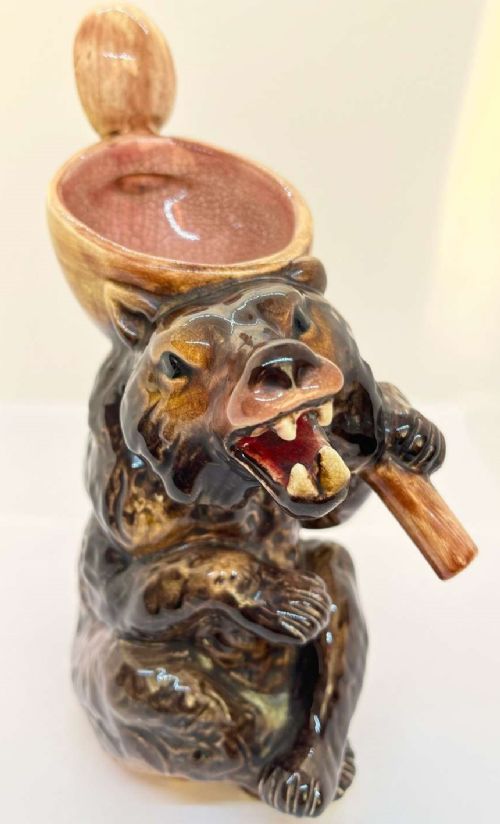
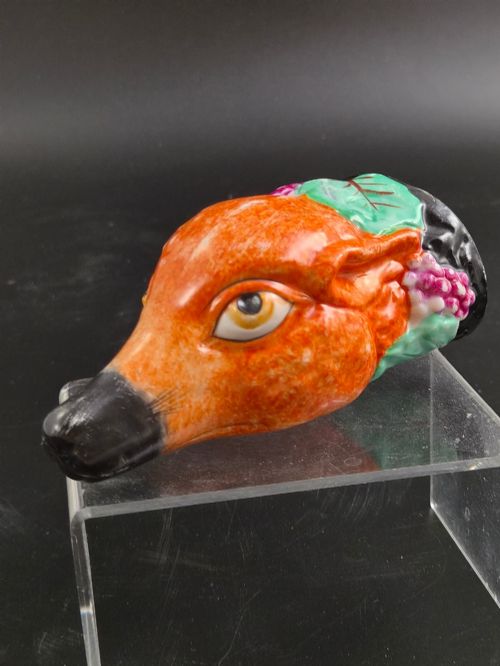
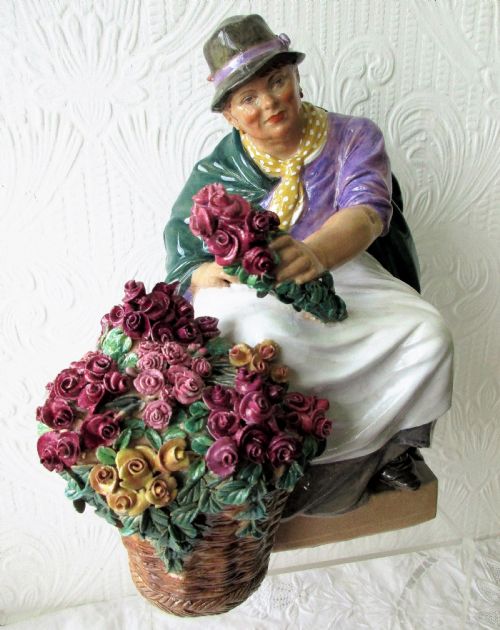
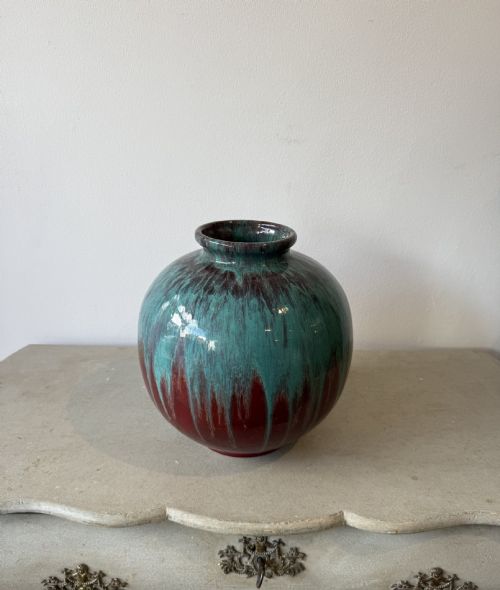
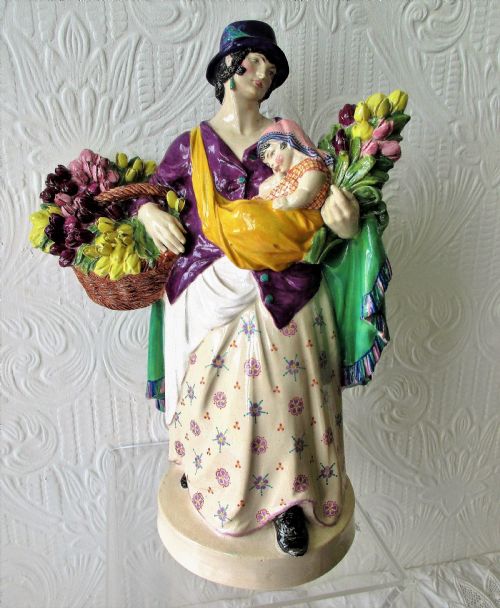
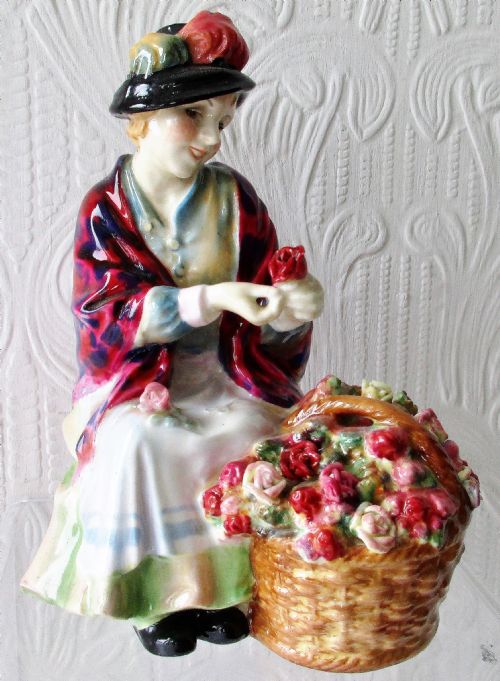
The pieces appearing on this page include decorative vases, character jugs, figural groups, and lustre bowls originating from prominent British potteries and international workshops.
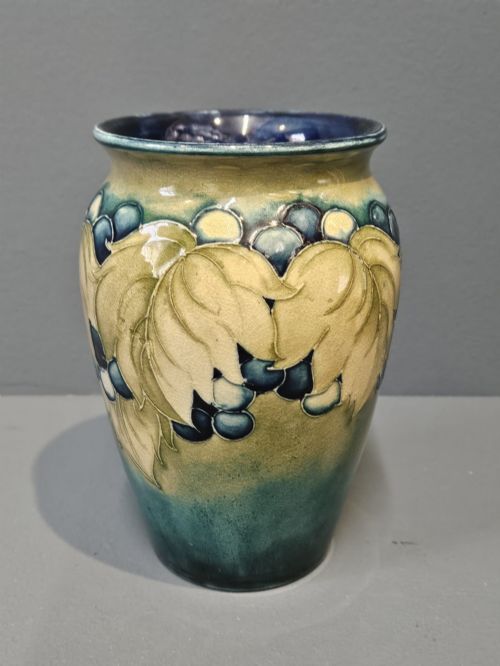
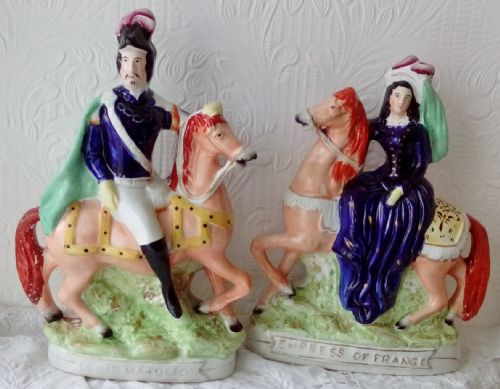
Victorian Staffordshire figures and twentieth-century Moorcroft vases dominate the selection, providing collectors with distinct examples of historical ceramic design.
How they were made
Potters utilised earthenware, porcelain, and stoneware bodies, shaping them by hand or moulding them before applying intricate glazes and enamels.
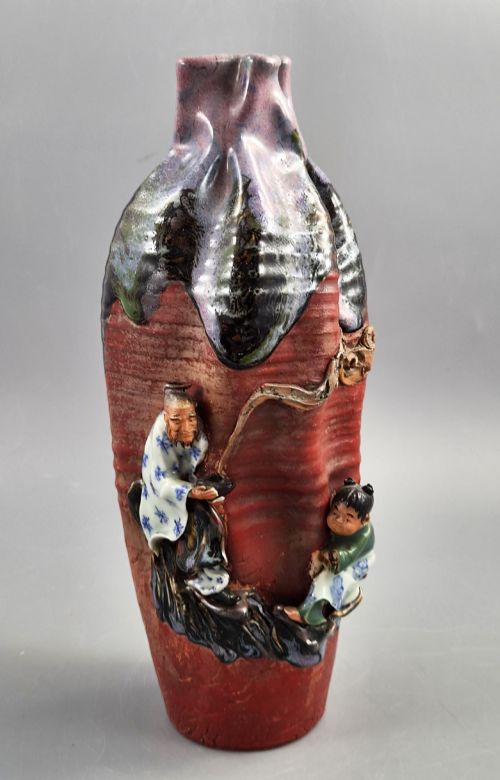
Specialised techniques such as lustre painting, salt glazing, and gold leaf application defined the output of leading artists and factories during the nineteenth and early twentieth centuries.
Antique Collectible Pottery Retail Price Guide 2026
Typical asking prices for collectible pottery among the pieces listed under this phrase on Sellingantiques today, from the lower quarter to the upper quarter. They describe what is for sale here now, not the wider market.
Snow leopards, golf enthusiasts, and nineteenth-century politicians all found their permanent likenesses baked firmly into early ceramic glazes.
What varies in quality
Quality in these ceramics rests on the crispness of the moulding, the depth and vibrancy of the glaze, and the precision of the hand-painted decoration.
Pieces bearing distinct artist signatures, studio marks, or provenance from renowned designers command greater attention from experienced collectors.
Holdcroft·Royal Staffordshire·Wedgwood·Moorcroft·Charles Vyse·Royal Doulton·Royal Worcester·Verwood Pottery·Emma Shute·Raphael Tuck and Sons·Maling·Shelley·Pilkingtons Royal Lancastrian·Macintyre and Co.
The Antique Collectible Pottery Glossary
- Majolica
- A type of earthenware decorated with colourful lead glazes, popular during the Victorian era for decorative jugs and figural pieces.
- Lustre ware
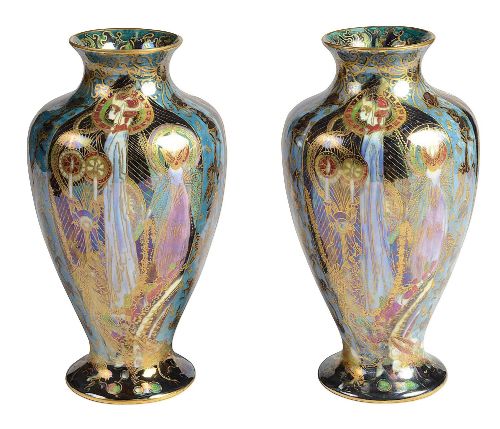
- Pottery featuring a metallic film that gives the glaze an iridescent sheen, brilliantly utilised in twentieth-century fairy designs.
- Earthenware
- Porous pottery fired at lower temperatures, commonly used for traditional figures, money boxes, and utilitarian vessels.
- Stoneware
- A dense, impermeable ceramic fired at high temperatures, frequently employed for durable flasks, jugs, and commemorative wares.
- Pearlware
- A refined fine-pored earthenware developed in the late eighteenth century with a bluish-white glaze mimicking porcelain.
Antique Collectible Pottery: Frequently Asked Questions
How do I identify Victorian pottery?
Victorian ceramic pieces often display rich majolica glazes, moulded commemorative subjects, or robust earthenware bodies typical of nineteenth-century manufacturing.
Examining the base marks and stylistic traits helps confirm the nineteenth-century origins of jugs, figures, and decorative dishes.
What is lustre ware pottery?
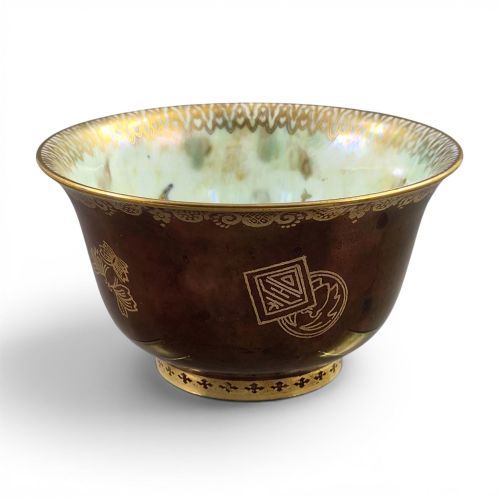
Lustre ware incorporates metallic pigments into the glaze to create an iridescent, shimmering surface finish.
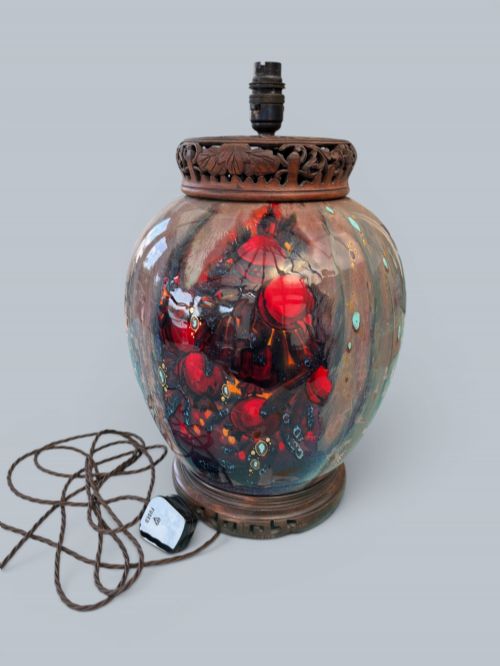
Famed designers utilised this technique to produce fantastical scenes on bowls, lanterns, and baluster vases.
Are studio pottery pieces marked?
Many studio pottery pieces feature painted artist signatures, incised initials, or specific studio stamps pressed directly into the clay body.
These personal markings allow collectors to attribute works accurately to individual makers working during the early twentieth century.