

Antique Collectable Figure
An antique collectable figure is a sculpted representation of human, animal or mythical form, shaped in bronze, porcelain or earthenware to capture character and period style.
Antique Collectable Figure
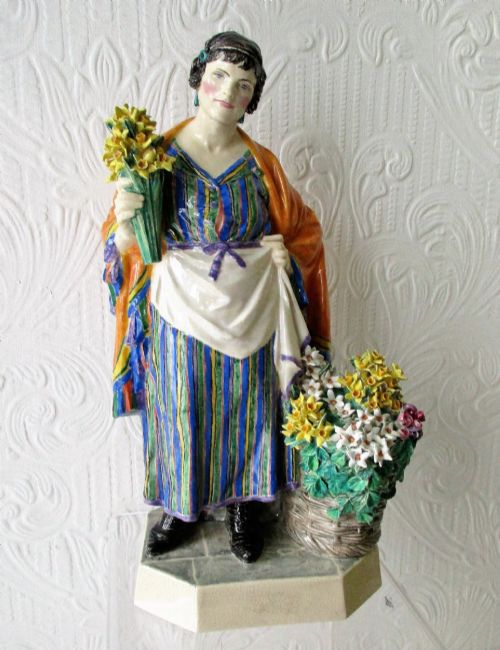
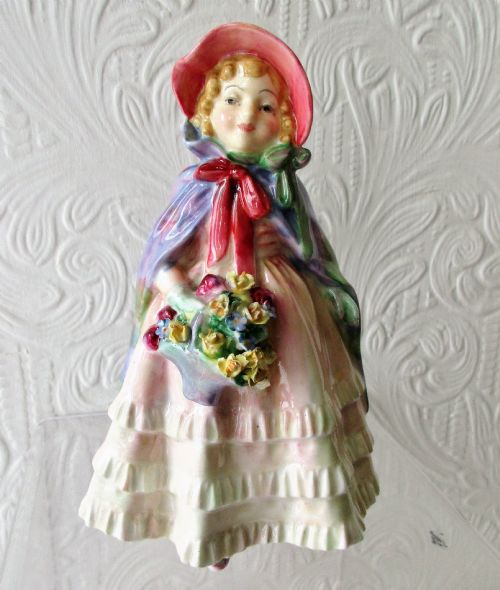
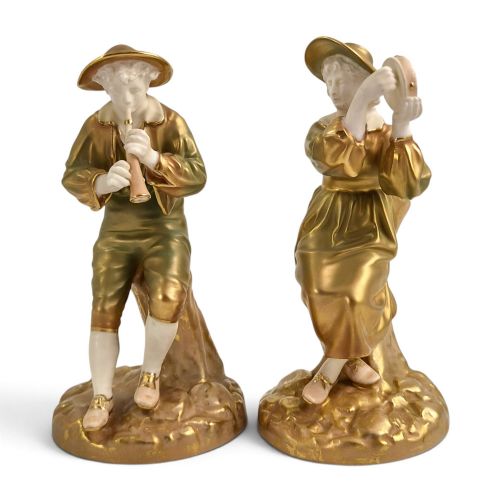
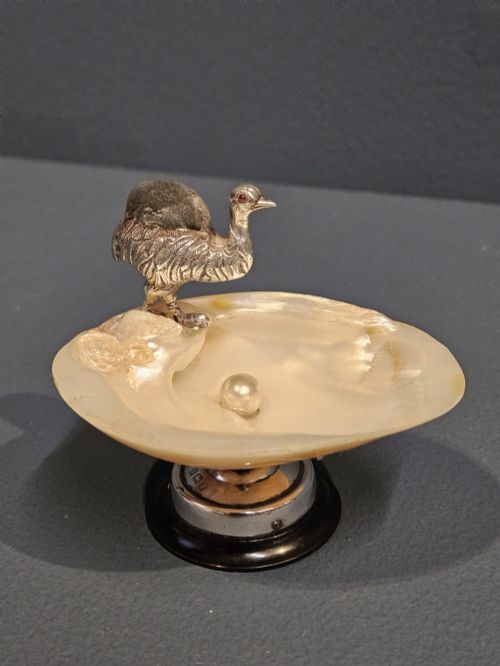
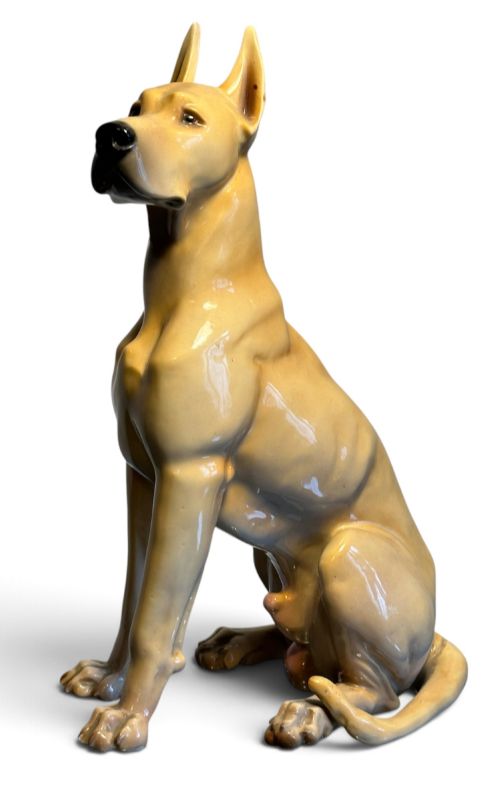
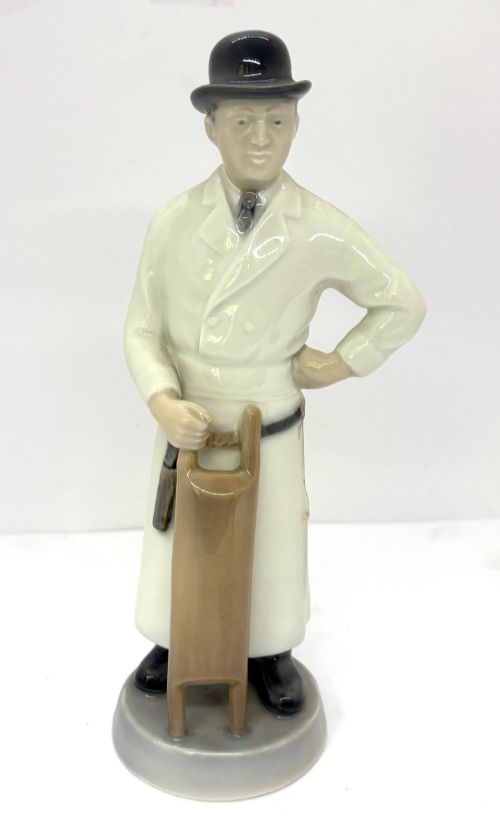
When you search for an antique collectable figure, you encounter works spanning from the eighteenth century through the mid twentieth century. These range from hand painted porcelain figurines and earthenware pottery to cold painted bronze sculptures and sterling silver pin cushions.
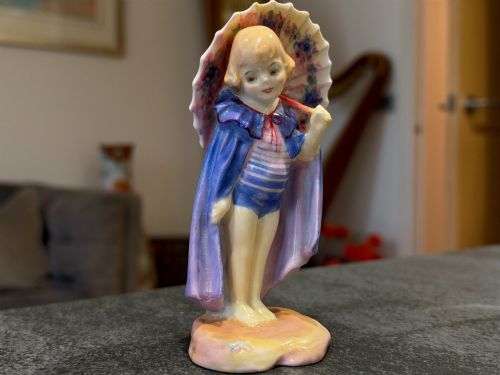
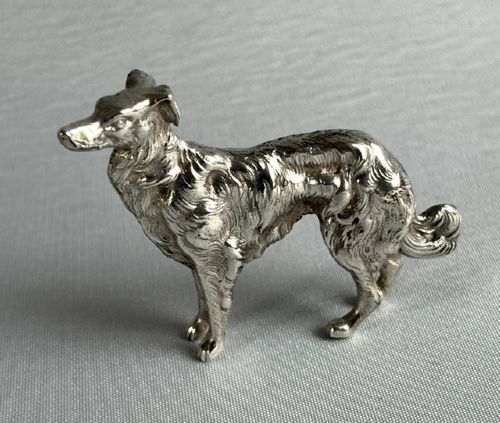
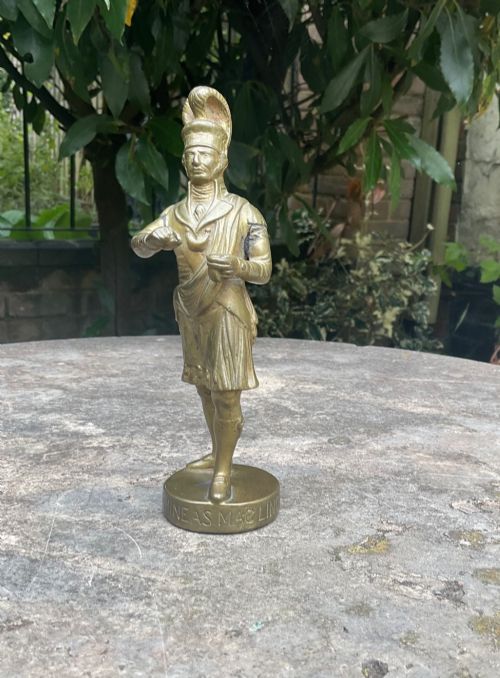
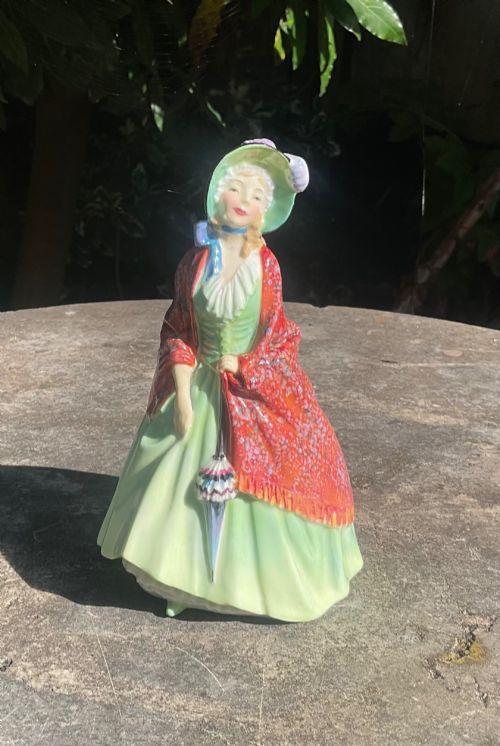
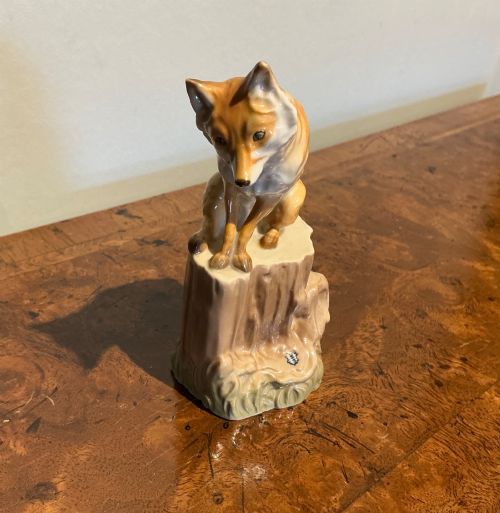
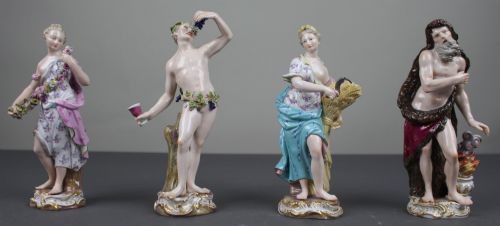
The pieces most frequently met on this page include twentieth century porcelain character figurines from factories like Royal Doulton, alongside nineteenth century bronze animalier studies and glazed earthenware figures from Staffordshire potteries and studio workshops.
Makers and factories shaped these objects across diverse aesthetic movements, encompassing Georgian naturalism, Victorian portraiture, Art Nouveau fluidity and Art Deco stylisation. Formats extend from desktop ornaments and car mascots to detailed shelf sculptures and novelty tableware accessories.
How they were made
Makers utilised ceramic mediums including porcelain, bone china, earthenware and pearlware, shaping them by hand or press moulding before applying intricate enamel glazes, gold leaf highlights and careful underglaze painting. Porcelain works required high temperature kiln firings to vitrify the body and fix polychrome pigments.
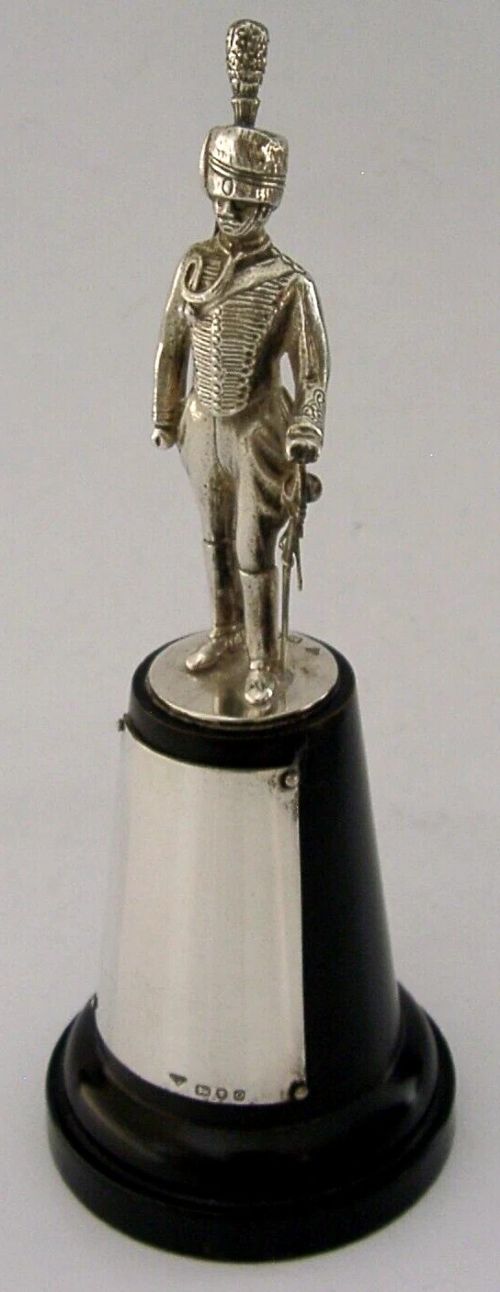
Metal pieces rely on bronze cast through the lost wax or sand method, often finished with cold painted polychrome details or dark patination to define musculature and texture. Sterling silver items demand smithing, chasing and casting techniques to produce functional ornaments like pin cushions and novelty boxes.
Antique Collectable Figure Retail Price Guide 2026
Typical asking prices for collectable figure among the pieces listed under this phrase on Sellingantiques today, from the lower quarter to the upper quarter. They describe what is for sale here now, not the wider market.
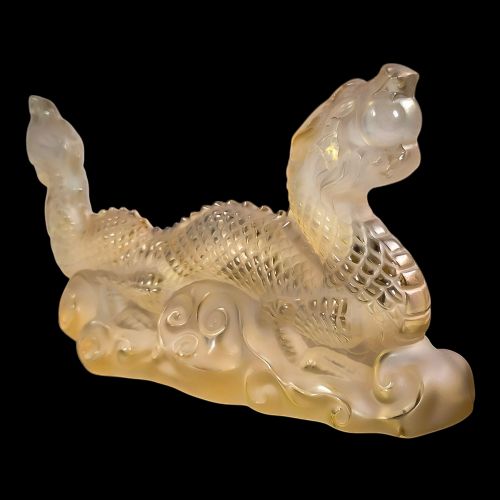
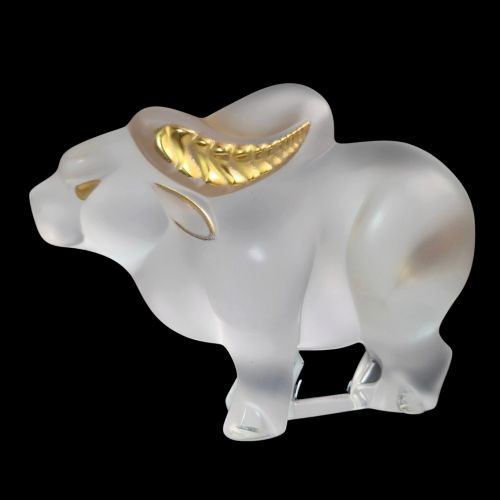
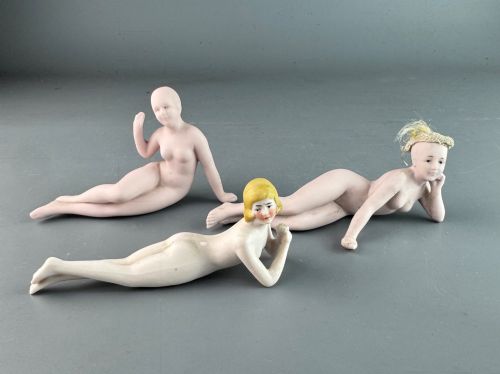
The selection includes animalier studies, car mascots, portrait busts and character figurines spanning Art Deco, Victorian and Georgian styles.
What varies in quality
The distinction between standard commercial output and exceptional studio pieces involves the originality of the design, the depth of hand decoration and the fidelity of the maker's mark. Pieces bearing documented signatures or attributed to prominent modellers carry greater artistic integrity.
Royal Doulton·Nymphenburg·Meissen·Royal Worcester·Christophe Fratin·P J Mêne·Charles Vyse·Rene Lalique·Liberty and Co·Julien Lorieux·Longton Hall·Derby
The Antique Collectable Figure Glossary
- Animalier
- A nineteenth century artistic movement focused on the realistic depiction of animals, particularly predators, horses and dogs in bronze.
- Cold painted bronze
- A metal sculpture technique where oil paint is applied to a cold bronze surface rather than fired in a kiln.
- Bone china
- A type of porcelain incorporating bone ash, developed to create a durable, translucent ceramic body suitable for delicate figurines.
- Car mascot
- A sculptural ornament mounted on the radiator cap of an automobile, popular during the early twentieth century in glass and bronze.
- Pearlware
- An refined earthenware introduced in the late eighteenth century featuring a subtle bluish glaze pooled in recesses to mimic Chinese porcelain.
Antique Collectable Figure: Frequently Asked Questions
What materials are used for antique figures?
These sculptures utilise diverse mediums including glazed porcelain, bone china, earthenware, cold painted bronze and sterling silver. Some pieces incorporate carved wood or leather coverings over rigid frames.
Ceramic examples often feature hand applied enamel colours and gold leaf accents, while metal editions rely on patination or applied pigments to create lifelike surface textures.
How do I identify the period of a figure?
Dating relies on stylistic clues, maker marks stamped or painted on the base, and manufacturing techniques characteristic of specific eras. Georgian and Victorian pieces reflect different aesthetic movements compared to twentieth century Art Deco styles.
Material composition and glaze characteristics also provide chronological markers, distinguishing eighteenth century soft paste ceramics from later bone china and modern studio pottery.
Where were these figures displayed originally?
Historically, porcelain figurines and bronze sculptures decorated mantelpieces, drawing room cabinets and library desks in affluent homes. Smaller items like silver pin cushions and novelty boxes sat upon dressing tables.
Car mascots and desk ornaments served functional yet decorative purposes in early automobiles and offices during the Edwardian and Art Deco periods.
How do I care for antique ceramic and bronze pieces?
Preserve ceramic figures by dusting gently with a soft dry brush, avoiding liquid immersion if the piece has cold painted details or repairs. Keep them away from direct sunlight to prevent enamel fading.
Maintain bronze sculptures by applying a light coat of microcrystalline wax periodically to protect the patina from atmospheric moisture, using only soft cloths for cleaning.