




Antique Coin Fob Case
An antique coin fob case is a pocket accessory for carrying gold sovereigns, and holding one reveals the precise metalwork of the early twentieth century.
Antique Coin Fob Case
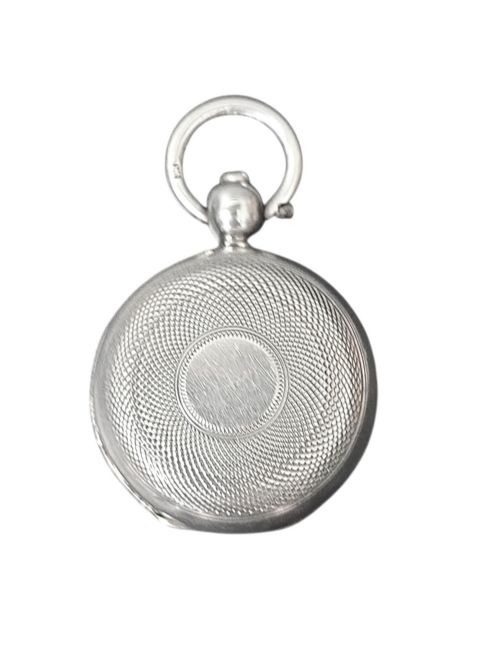
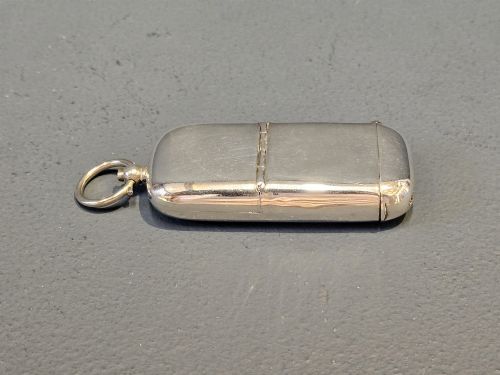
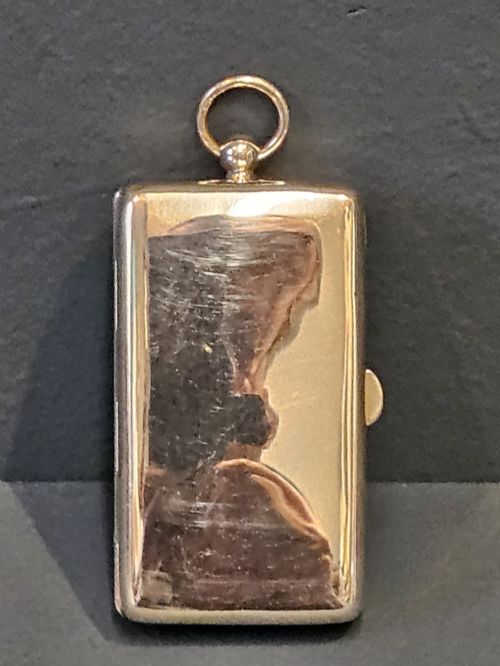
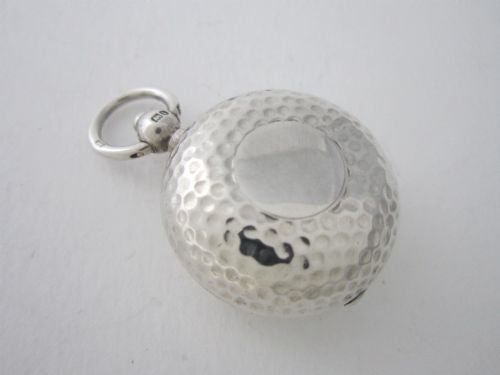
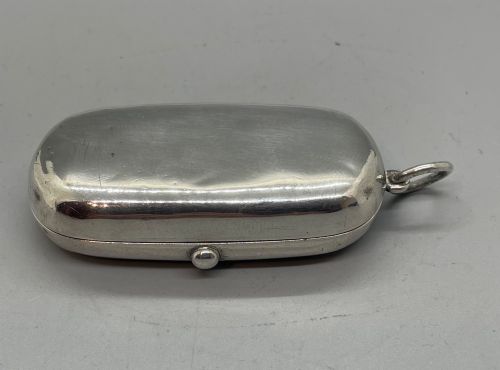
An antique coin fob case is a pocket accessory designed to hold gold sovereign coins securely while suspended from a watch chain or pocket watch. The versions met most frequently on this page belong to the Edwardian period and the early reign of George V, spanning the late Victorian years through to the 1920s.
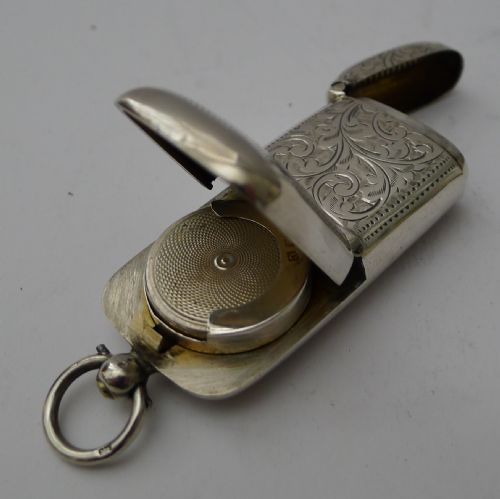
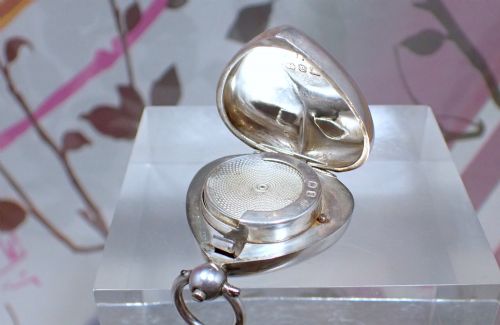
The forms vary between single and double sovereign holders, often combining a compartment for matches in a vesta case or housing a bank note alongside the coins. Birmingham and Chester assay offices predominate, with square, round, and heart shapes appearing across the collection of silver pieces.
Makers such as Horton and Allday, Aaron Lufkin Dennison, and EJ Trevitt and Sons produced these pieces in solid sterling silver, alongside occasional brass examples. Buyers encounter these items as pocket pieces that reflect the currency habits of the late nineteenth and early twentieth centuries.
Distinctions in quality
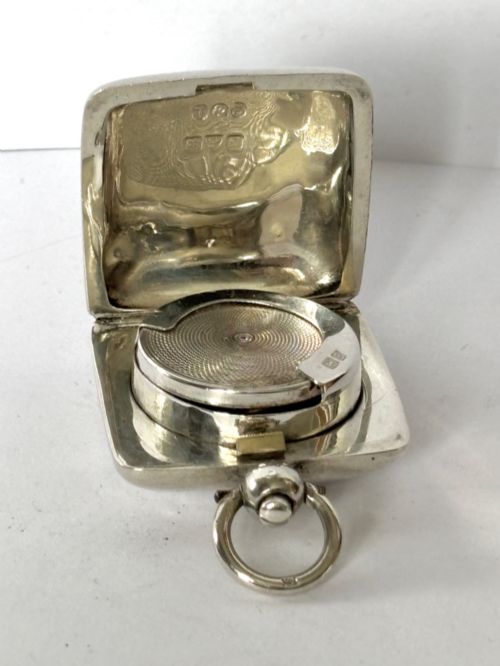
The standard of an antique coin fob case rests upon the crispness of its hallmarks and the structural integrity of the spring-loaded hinge. Pieces by noted makers such as Aaron Lufkin Dennison display superior mechanical precision in how the coin compartments open and latch.
Engraving depth and the retention of original polished or patterned surfaces divide standard utilitarian holders from finer presentation pieces. The thickness of the sterling silver gauge further separates robust daily carriers from lighter, more pliable examples.
Antique Coin Fob Case Retail Price Guide 2026
Typical asking prices for coin fob case among the pieces listed under this phrase on Sellingantiques today, from the lower quarter to the upper quarter. They describe what is for sale here now, not the wider market.
Horton and Allday·EJ Trevitt and Sons·Aaron Lufkin Dennison·Henry Charles Freeman
The Antique Coin Fob Case Glossary
- Sovereign case
- A small pocket container specifically sized to hold one or two British gold sovereign coins. They usually feature internal springs to keep the coins from rattling loose.
- Vesta case
- A pocket box designed to hold matches, frequently combined with a sovereign case in a single dual-purpose accessory. These combo pieces feature separate compartments for combustibles and currency.
- Hallmark
- An official stamp struck into precious metals by an assay office to indicate purity, origin city, and the year of manufacture. British sterling silver cases carry these marks clearly on the rim or interior.
- Assay office
- A statutory body that tested and certified the fineness of precious metals before stamping them with hallmarks. Birmingham and Chester offices appear frequently on these items.
- Sterling silver
- An alloy of silver containing 92.5 percent pure silver and 7.5 percent other metals, usually copper. This standard composition provides the durability required for pocket accessories.
Antique Coin Fob Case: Frequently Asked Questions
What is a sovereign case?
A sovereign case is a small pocket container engineered to hold British gold sovereign coins securely. They were suspended from watch chains in the waistcoat pocket.
Most examples feature spring-loaded internal frames that keep the coins firmly in place until the release catch is pressed.
How do I date a silver case?
Dating relies upon the hallmarking system stamped directly into the sterling silver by assay offices such as Birmingham or Chester. A specific letter punch corresponds to the year of testing.
Additional style indicators, such as Edwardian or Late Victorian design motifs, help narrow down the period of manufacture.
Did they hold anything besides coins?
Many Edwardian pieces were manufactured as combination accessories that housed matches alongside the gold coins. These dual-purpose items included vesta compartments and sometimes space for folded bank notes.
This made them compact daily carriers for gentlemen of the period.
How were they carried?
Owners attached these cases to watch chains, known as Albert chains, which stretched across a waistcoat. The fob case hung alongside a pocket watch.
The suspension loop at the top of the case was designed specifically for secure attachment to the chain.