
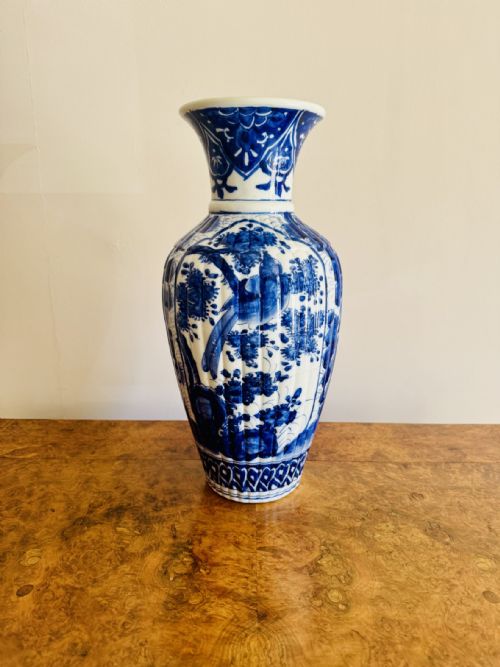
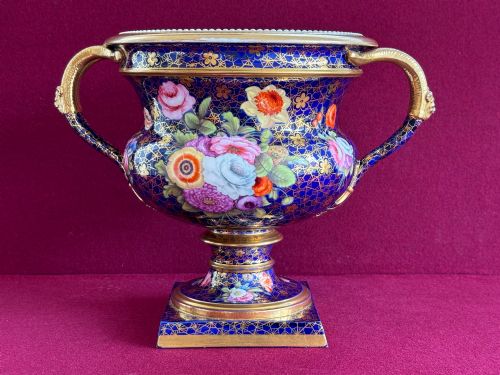
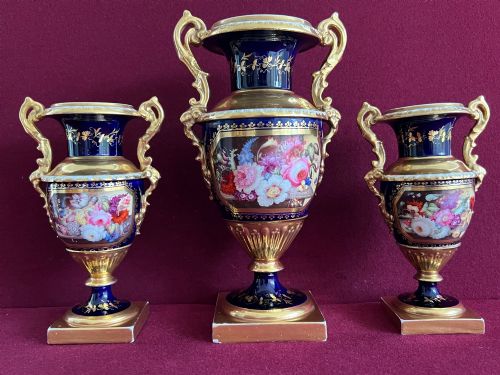
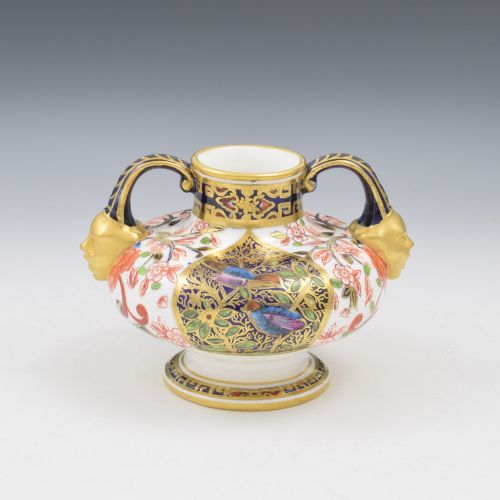
Antique Cobalt Urn Vase
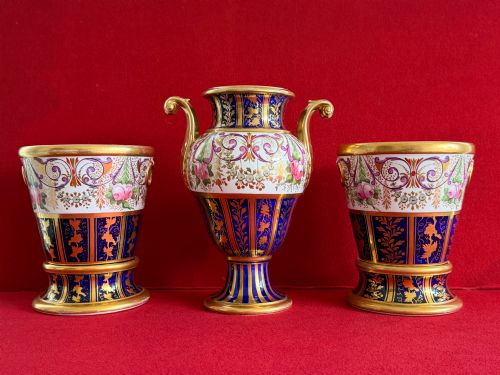
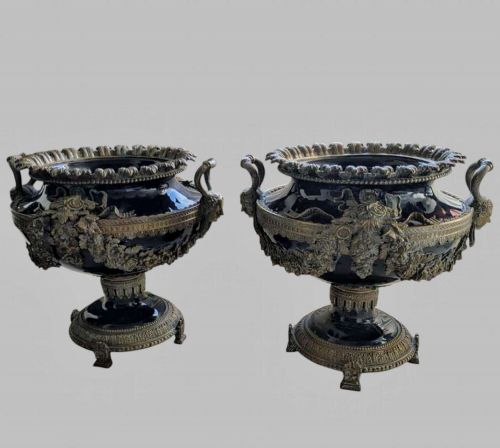
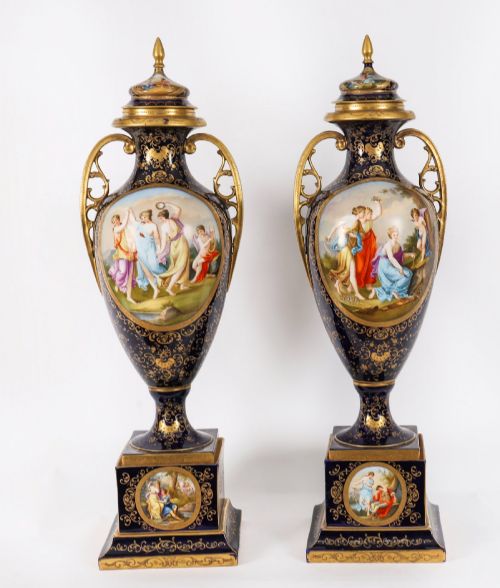
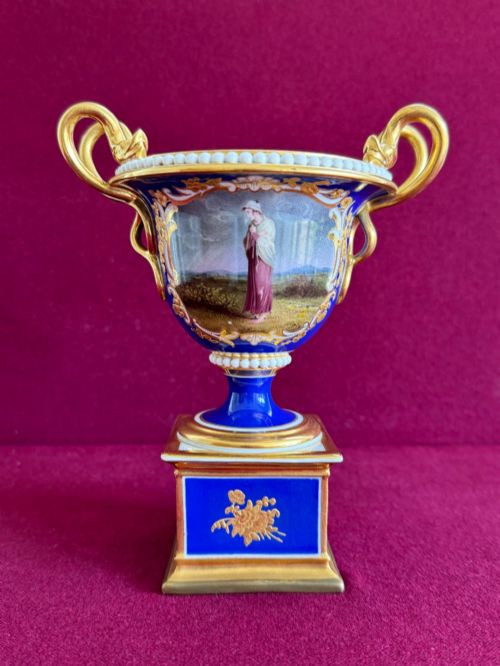
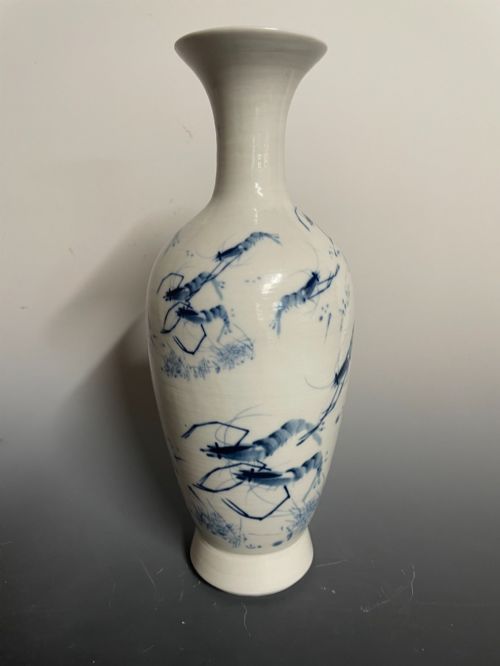
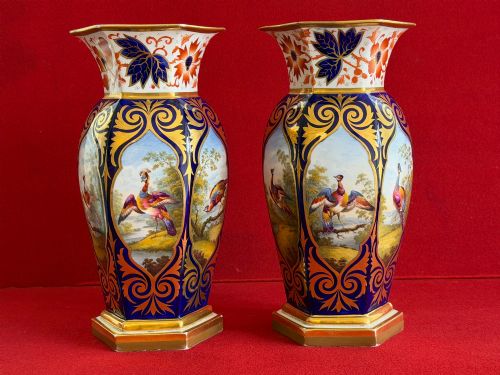
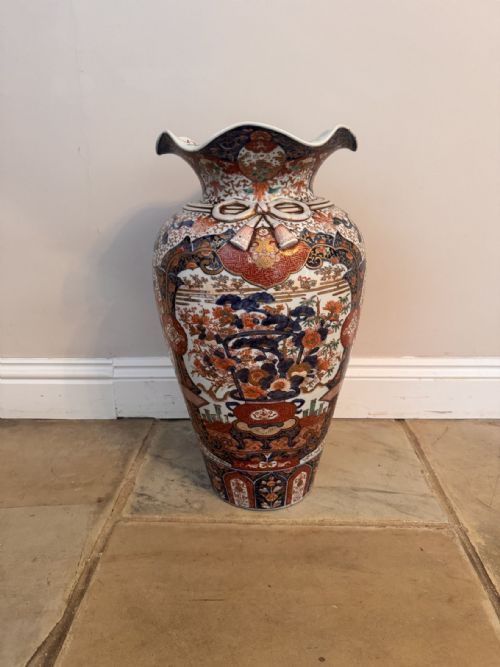
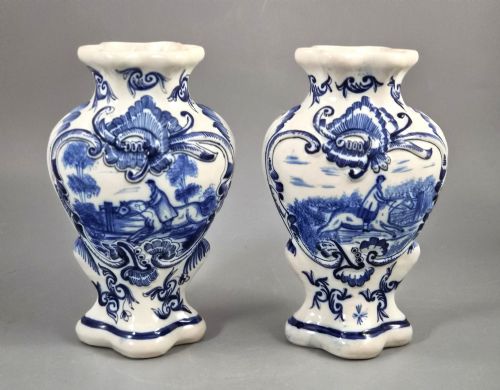
These antique cobalt urn vases span porcelain, earthenware, and glass across Georgian, Regency, Victorian, and Edwardian periods.
Antique Cobalt Urn Vase
When you search for an antique cobalt urn vase, you encounter a varied group of decorative vessels and lidded jars produced in porcelain, earthenware, and glass. The examples on this page stretch from the eighteenth century through the nineteenth century and into the Edwardian era.
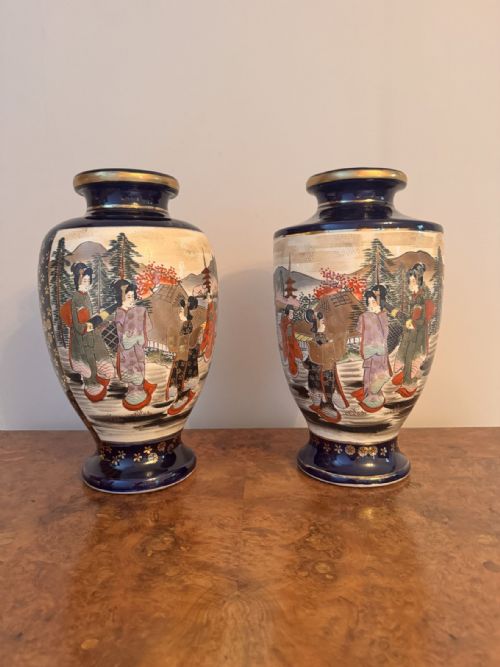
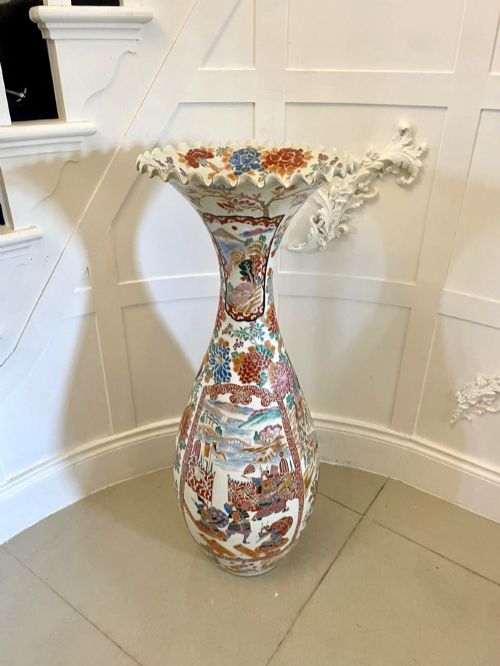
The forms range from compact miniature scent bottles and twin-handled cabinet pieces up to massive floor-standing vases and garniture sets. Many of the porcelain and earthenware examples display deep blue grounds enriched with gilding, enamel, or hand-painted scenes.
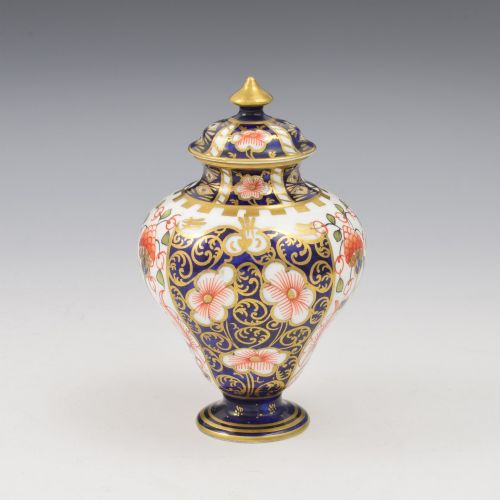
You will regularly meet English factory pieces from makers such as Royal Crown Derby, Worcester, and Coalport alongside continental porcelain, French faience, and Japanese Imari and Satsuma ceramics. Glass versions include Mary Gregory pieces and French glass mounted in ormolu.
How they were made
The makers relied on traditional ceramic potting, casting, and turning techniques to shape porcelain, earthenware, and art pottery bodies. Cobalt oxide served as the primary pigment to achieve the rich blue glaze or ground colour before high-temperature firing.
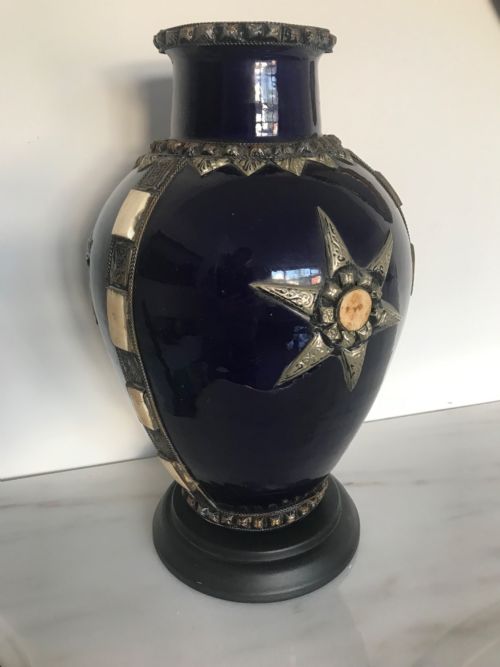
Surface decoration frequently combined hand-painted enamel colours with applied gold leaf, gilding, and gilt bronze or ormolu mounts. Certain continental and Moroccan pieces also incorporated metal mounts, silver cabochons, or bronze trim to accent the ceramic bodies.
Several miniature urns measure small enough to sit in the palm of a hand yet retain fully detailed hand-painted patterns.
What varies in quality
Quality rests upon the crispness of the potting and the precision of the hand-painted enamels and gilding. Pieces featuring finely executed figural scenes, intricate Imari patterns, or signed hand-painted details stand apart from standard production items.
The refinement of the secondary materials also dictates the standard of the object, distinguishing simple ceramic vessels from those enhanced with heavy cast ormolu mounts, bronze trim, and elaborate covers.
Royal Crown Derby·Flight Barr And Barr·Fourmaintraux Courquin Desvres·Chamberlain Worcester·Royal Doulton·Crown Staffordshire·Coalport
The Antique Cobalt Urn Vase Glossary
- Imari
- A style of Japanese export porcelain decorated in underglaze blue, iron red, and gold. It gained widespread popularity in Europe during the Meiji period and influenced English manufactories.
- Ormolu
- Gilt bronze mounts applied to furniture, glass, and ceramics. This decorative metalwork adds architectural weight and visual contrast to porcelain urns.
- Campagna urn
- A classical bell-shaped vessel form set on a pedestal foot with twin handles. English factories such as Coalport adopted this shape from ancient stone precedents.
- Garniture
- A set of matching vases or jars designed to be displayed together on a mantelpiece or sideboard. They typically comprise three to five graduated pieces.
- Faience
- European tin-glazed earthenware decorated with coloured enamels. French workshops produced decorative vases and urns using this traditional technique.
Antique Cobalt Urn Vase: Frequently Asked Questions
What is a cobalt urn vase?
A cobalt urn vase is a decorative vessel distinguished by its deep blue mineral glaze or ground colour. These objects were produced in various forms, including lidded jars, campana urns, and floor-standing vases.
Craftsmen across Europe and Japan utilised porcelain, earthenware, and glass as bases for these rich blue finishes, often enhancing them with gilding and enamel work.
How were these vases used?
These vessels primarily served as decorative display pieces on mantelpieces, pedestals, and sideboards during the Georgian, Victorian, and Edwardian periods. Larger examples functioned as floor vases or centrepieces in grand interiors.
Some smaller lidded pieces and miniature urns were designed as scent bottles or cabinet specimens rather than functional flower holders.
How do I identify the period?
Dating relies on stylistic clues, factory marks, and manufacturing techniques. Georgian and Regency pieces often exhibit neoclassical shapes and hand-painted botanical or figural panels.
Victorian and Edwardian items frequently show dense Imari patterns, ormolu mounts, or distinct aesthetic movement influences. Maker marks stamped or painted on the underside provide the most precise chronological evidence.
How do I care for antique porcelain?
Care involves gentle dusting with a soft, dry cloth to protect fragile surface gilding and enamel decorations. Avoid using chemical cleaners or abrasive materials on the glaze or metal mounts.
Keep these vessels away from direct sunlight and areas prone to sudden temperature fluctuations to preserve the ceramic body and prevent stress to old adhesives.