

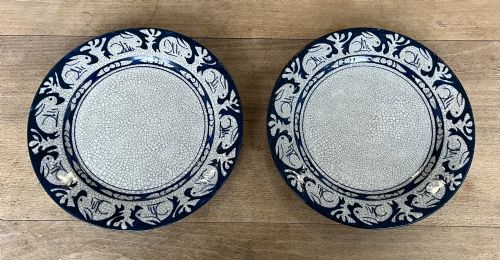
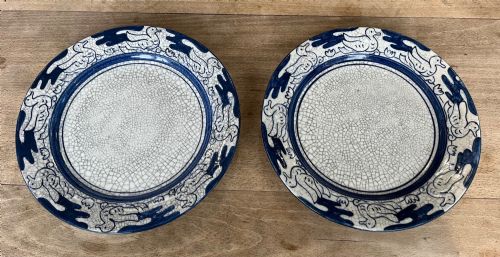
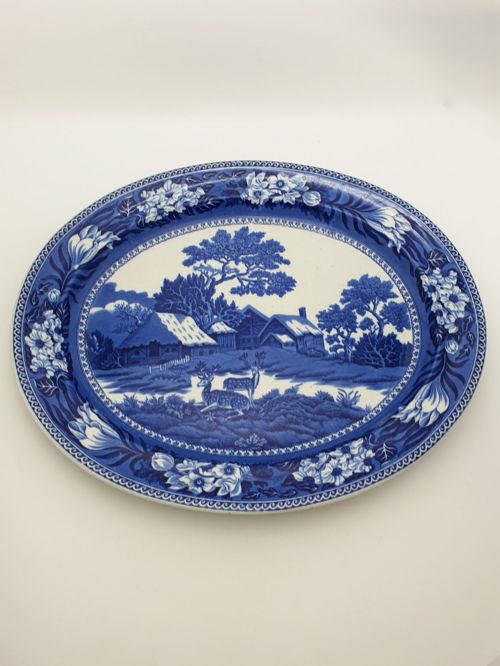
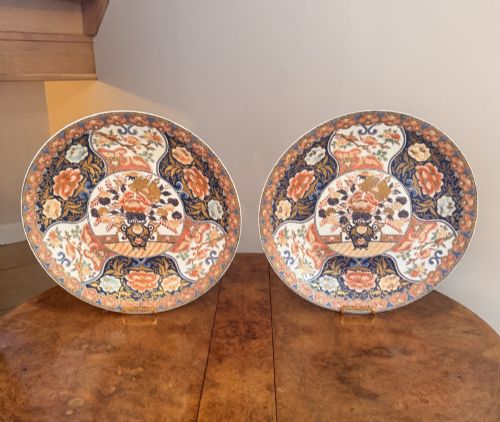



Antique Cobalt Plate
These antique cobalt plate options unite deep underglaze blue pigments with centuries of ceramic artistry, offering collectors rich decorative impact for display.
Antique Cobalt Plate
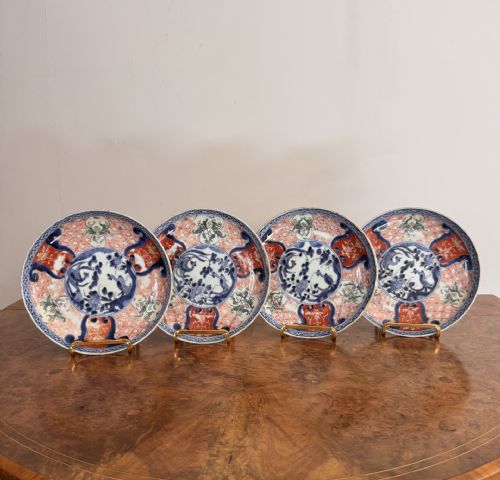
When searching for an antique cobalt plate, buyers encounter a diverse selection of decorative wares spanning the eighteenth, nineteenth, and early twentieth centuries. These items range from large chargers and cabinet pieces to specialised dessert dishes and serving services.
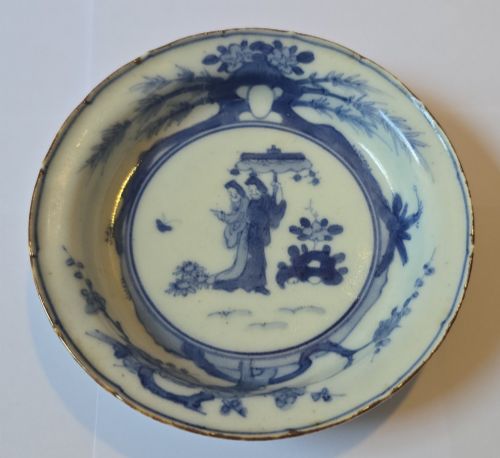
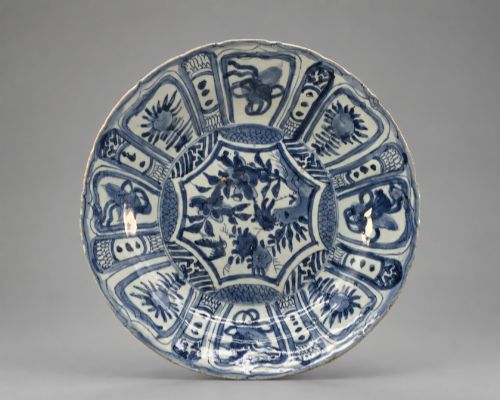
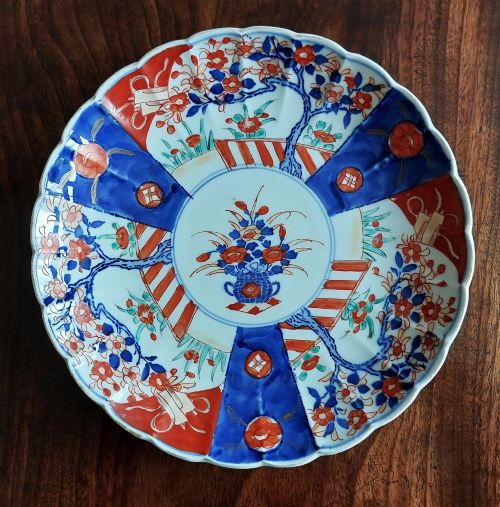
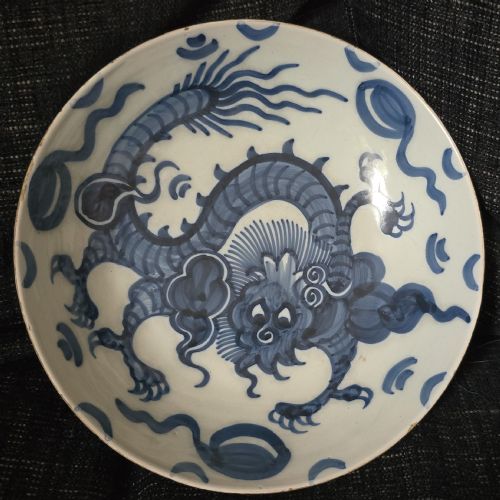
The material origins of these objects cross multiple traditions, drawing heavily from English porcelain and earthenware alongside Chinese blue and white wares, Japanese Imari productions, and French painted surfaces. Forms vary from simple circular plates to scalloped edges, leaf shapes, and lobed bowls.
Pieces originating from European factories sit alongside Asian exports, reflecting global trade patterns and the enduring appeal of intense blue and white decoration across generations.
Materials and production methods
Makers utilised porcelain, bone china, earthenware, and tin-glazed bodies as the primary substrates for cobalt decoration, applying metal oxides beneath or over the glaze before high-temperature firing.
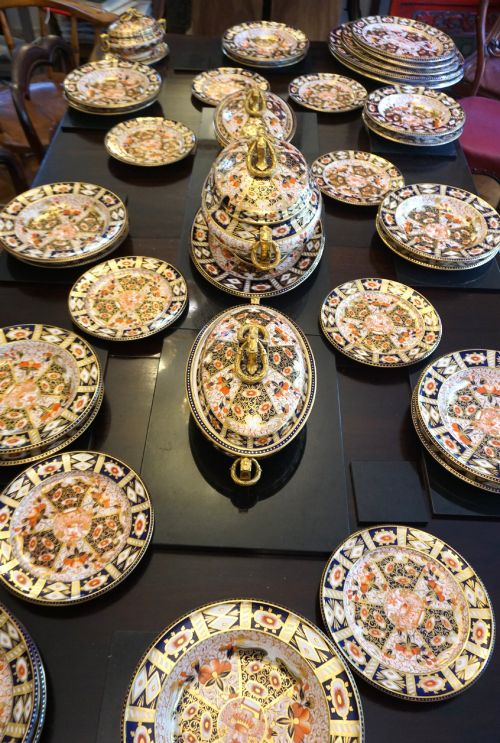
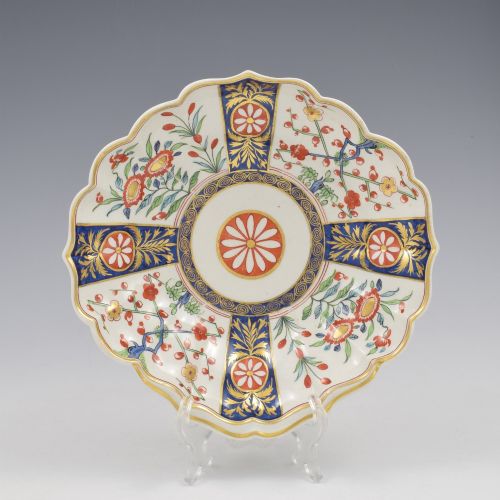
Gilding, gold leaf, and enamel work frequently augment the cobalt elements, particularly in Imari palettes and cabinet plates where contrasting metallic sheens highlight the deep blue ground.
Hand-painting defines the finest examples, executed by skilled artisans whose brushwork creates intricate floral, landscape, and dragon motifs across chargers and dessert services.
Antique Cobalt Plate Retail Price Guide 2026
Typical asking prices for cobalt plate among the pieces listed under this phrase on Sellingantiques today, from the lower quarter to the upper quarter. They describe what is for sale here now, not the wider market.
Materials recorded across the inventory include hard-paste porcelain, bone china, earthenware, silver plate, enamel, and gold leaf gilding.
Factors determining quality
The crispness and depth of the cobalt pigment dictate visual success, with superior pieces showing controlled brushwork and even saturation rather than blurry or pooled colour.
The complexity of the surrounding ornamentation, such as the precision of applied gold leaf or hand-painted enamel details, separates standard production items from exhibition-grade cabinet plates.
The integrity of the ceramic body and glaze surface, free from major firing distortions, preserves the maker's original intention and secures lasting collector interest.
Royal Crown Derby·Royal Worcester·Doulton Lambeth·Davenport
The Antique Cobalt Plate Glossary
- Cobalt
- A deep blue metallic oxide used as a primary pigment for underglaze decoration on ceramics. It withstands high firing temperatures without losing intensity.
- Imari
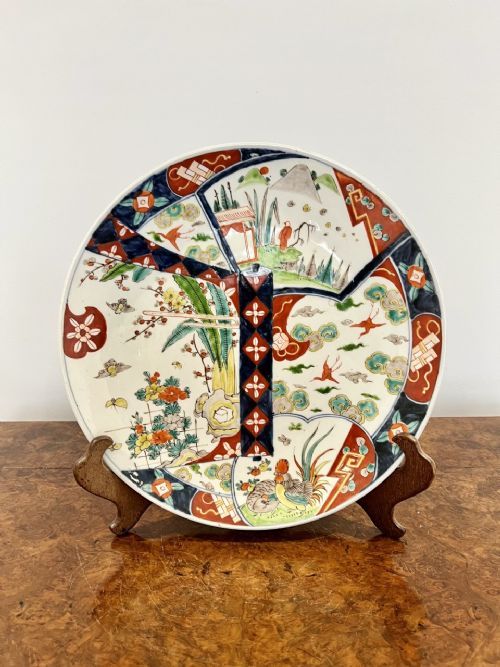
- A style of Japanese porcelain featuring a distinctive palette of cobalt blue, iron red, and gold. European factories frequently copied these vibrant designs.
- Charger
- A large ornamental or serving plate, typically measuring over twelve inches in diameter. These pieces were often displayed on walls or sideboards rather than used for dining.
- Tin glaze
- An opaque white glaze containing tin oxide applied to earthenware. This technique forms the smooth white ground characteristic of delftware.
- Cabinet plate
- A highly decorative plate intended solely for display within a cabinet or on a stand rather than practical table service.
Antique Cobalt Plate: Frequently Asked Questions
How should I display a cobalt charger?
Large chargers work well mounted on sturdy wall hangers or placed upright on plate stands within secure display cabinets.
Positioning them away from direct sunlight protects any associated gilding or enamel overglaze work from fading over time.
Can I use these antique plates for dining?
Most antique decorative plates and cabinet wares are best reserved for display rather than active food service.
Age-related wear, delicate hand-painted surfaces, and historical metal leaf require gentle dry cleaning instead of modern dishwashing.
How do I identify Japanese Imari style?
Japanese Imari pieces display a characteristic combination of deep underglaze cobalt blue and rusty iron red, frequently accented with gold leaf.
This vibrant aesthetic developed during the Edo period and heavily influenced European porcelain manufacturers.
What defines delftware plates?
Delftware items utilise an earthenware body covered in an opaque tin-glazed white surface that accepts painted cobalt decoration.
These pieces often show slight surface irregularities and earthenware bodies visible at the unglazed foot rim.