

Antique Coat Pegs
These antique coat pegs combine robust practicality with period character, offering a reliable way to hang garments while anchoring an interior scheme.
Antique Coat Pegs
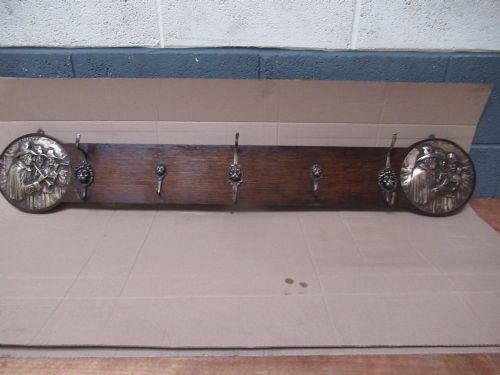
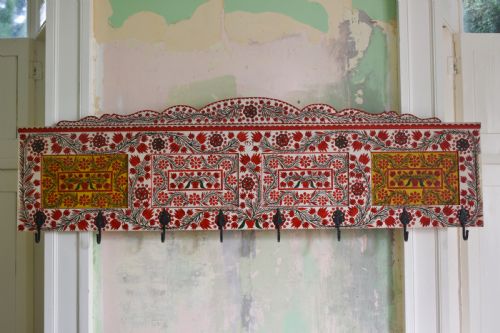
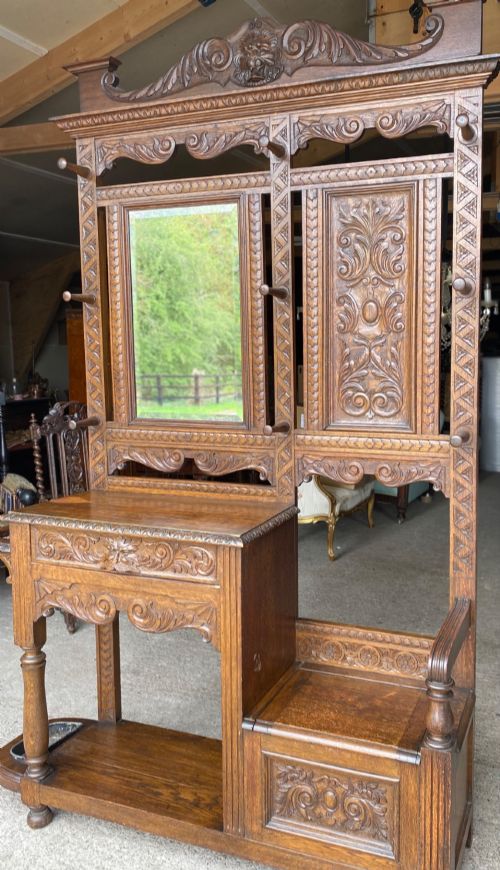
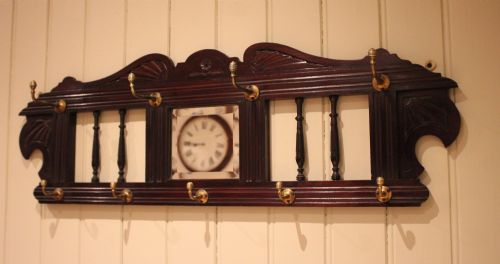
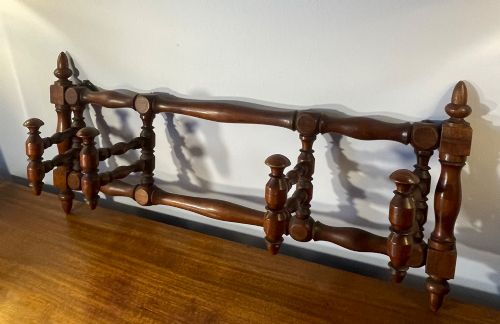
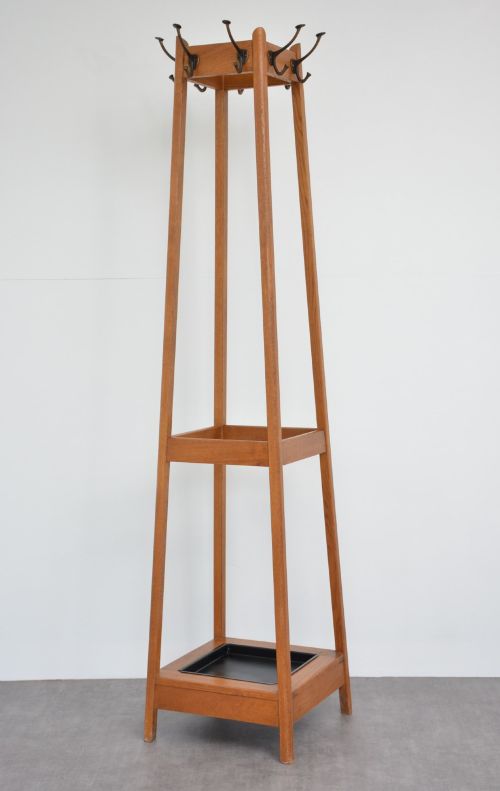
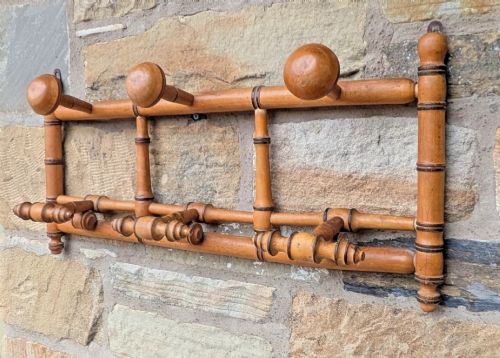
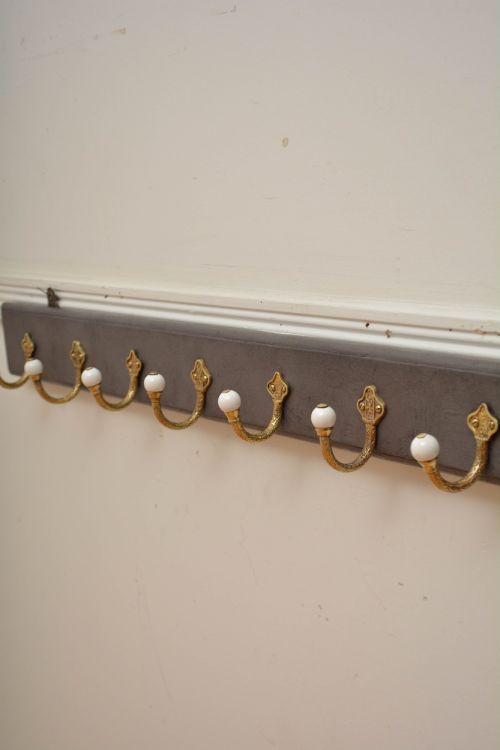
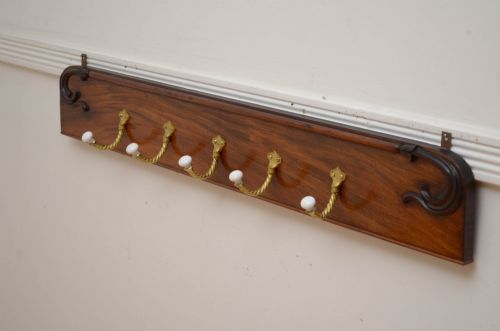
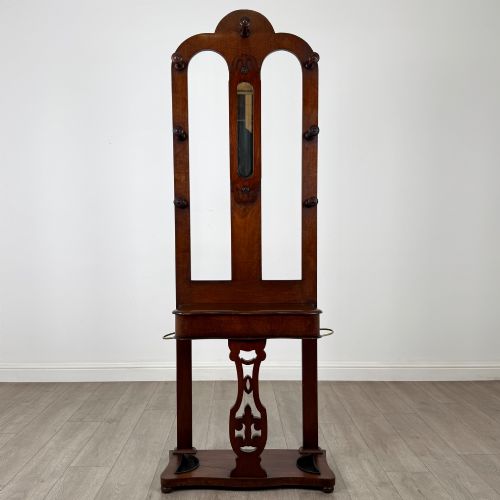
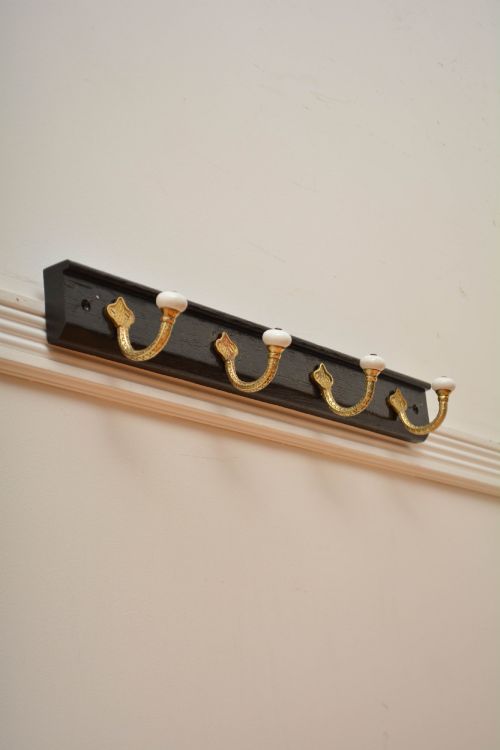
When searching for antique coat pegs, buyers encounter everything from modest single hooks to substantial hall stands and wall-mounted racks. The common version met on this page is the wooden backboard fitted with cast metal hooks, often featuring ceramic or porcelain tips.
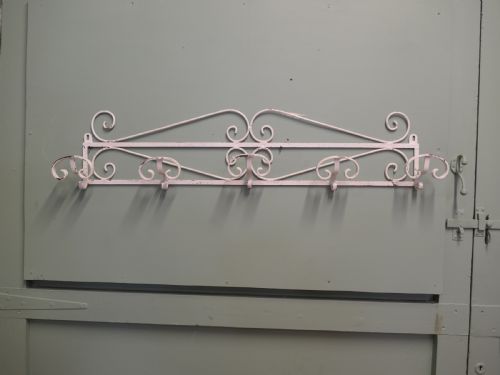
The material palette spans resilient hardwoods like oak and mahogany alongside pine and ebonised timber. Metal components typically involve brass, bronze, or wrought iron, occasionally complemented by glass or ceramic elements.
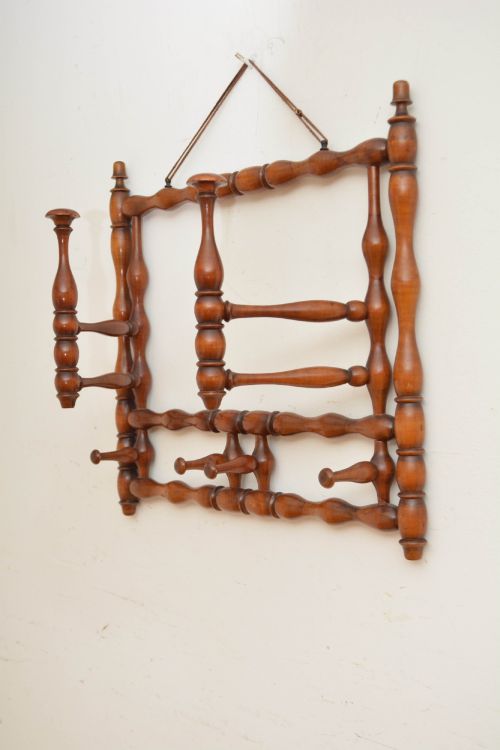
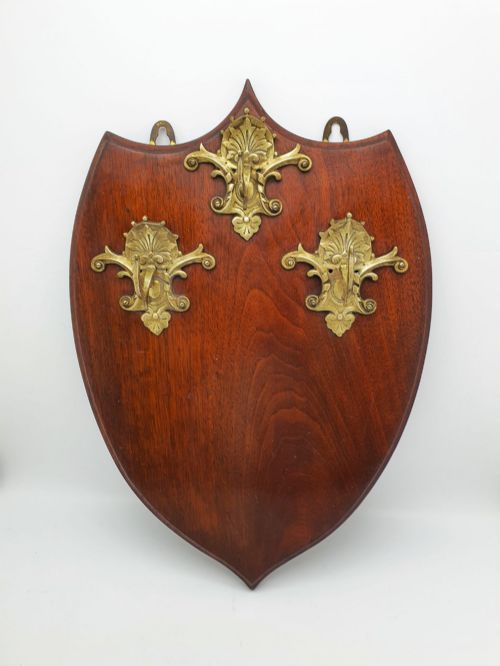
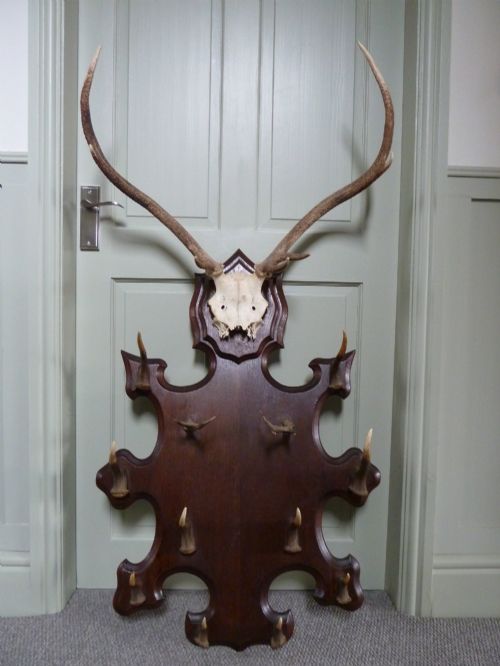
Examples stretch across the Victorian and Edwardian eras into the early twentieth century, taking stylistic cues from Gothic, Aesthetic Movement, and Art Deco traditions. Pieces range from simple cloakroom strips to elaborate country house stags' horn designs and French bronze wall fixtures.
Distinctions in Standard
Quality rests primarily in the weight of the metal and the integrity of the timber rather than decorative flourishes alone. Superior pieces exhibit heavily cast brass or bronze hooks securely fastened to dense, stable backboards.
Fine examples display careful hand-finishing, such as neatly chased metalwork or well-turned wooden elements, whereas simpler utility items rely on straightforward cast iron or plain pine without ornamental detail.
Antique Coat Pegs Retail Price Guide 2026
Typical asking prices for coat pegs among the pieces listed under this phrase on Sellingantiques today, from the lower quarter to the upper quarter. They describe what is for sale here now, not the wider market.
Listings feature oak, mahogany, pine, and beech timbers paired with brass, bronze, iron, and ceramic components across the Victorian and Edwardian periods.
The Antique Coat Pegs Glossary
- Backboard
- The horizontal or vertical wooden strip that carries the hooks and mounts to the wall. It distributes the weight of heavy garments across multiple fixing points.
- Ebonised
- Wood treated with a stain or finish to imitate ebony. This dark, formal surface treatment was common during the Victorian period.
- Bentwood
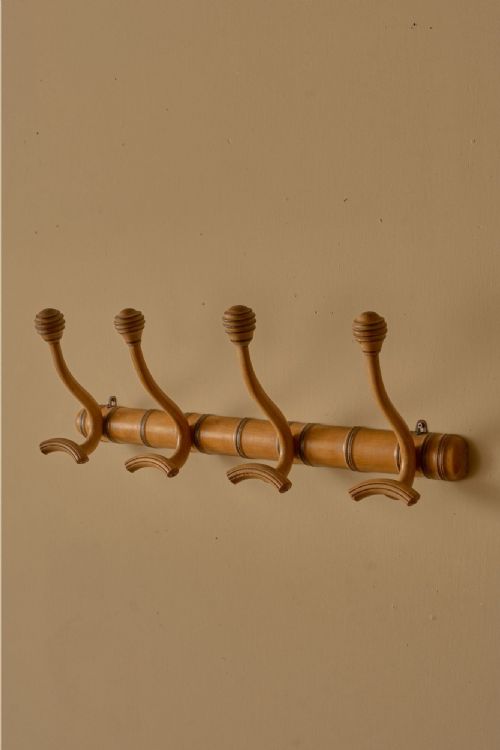
- Wood shaped by steaming and bending it into curved forms. This technique created lightweight yet resilient frames for stands and coat racks.
- Stags' horn
- Natural antler material utilised for rustic hook mounts in country houses. It brought a distinct taxidermy element to hallway furniture.
- Aesthetic Movement
- A late nineteenth-century design style emphasising visual beauty over narrative meaning. Pieces from this movement often feature refined brass and dark timber.
Antique Coat Pegs: Frequently Asked Questions
How do I mount a heavy coat rack?
Wall-mounted racks require sturdy fixings directly into wall studs or masonry using appropriate screws. Distributing the load evenly prevents the wooden backboard from warping under heavy garments.
For larger hall stands with integrated umbrella holders, ensure the piece sits level on the floor and utilise wall anchors if the structure is top-heavy.
Where were these placed in period homes?
These items typically resided in entrance halls, reception rooms, and dedicated cloakrooms to accommodate outdoor garments and hats. Hall stands often combined mirrors and umbrella trays to serve visitors at the front door.
Smaller wall racks functioned in bedrooms, nurseries, or rear hallways for daily garments and accessories.
How do I care for wooden backboards?
Maintain the timber by dusting regularly with a dry cloth and occasionally applying a suitable beeswax to nourish the grain. Avoid placing wooden pieces in areas of high moisture or direct sunlight.
Metal hooks benefit from gentle cleaning to preserve their natural patina without stripping historical surface finishes.
How can I tell Victorian from Edwardian pieces?
Victorian examples often feature heavier ebonised timber, Gothic influences, and ornate cast brass with ceramic knobs. They tend towards darker, more substantial aesthetic statements.
Edwardian designs frequently display lighter golden oak or simpler lines, reflecting a shift towards brighter, less cluttered hallway spaces.