
Antique Clothes Compactum
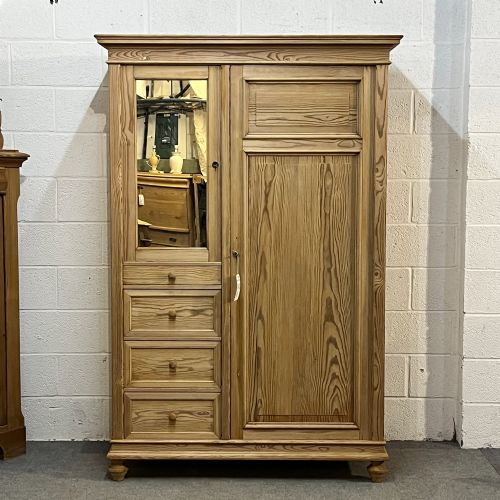
An antique clothes compactum brings fitted storage to a bedroom, combining hanging space, drawers, and linen shelves in a single architectural piece.
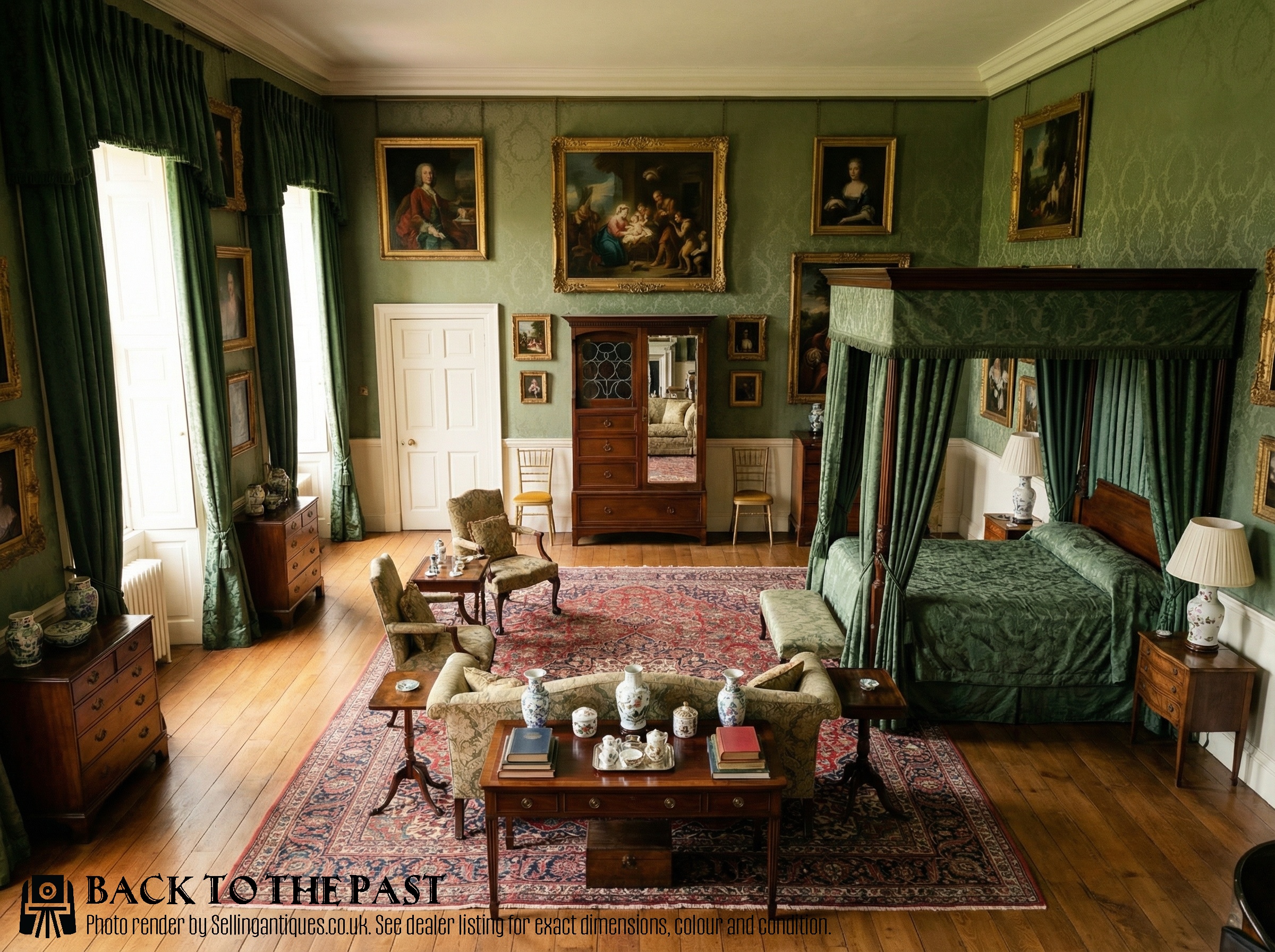
Antique Clothes Compactum
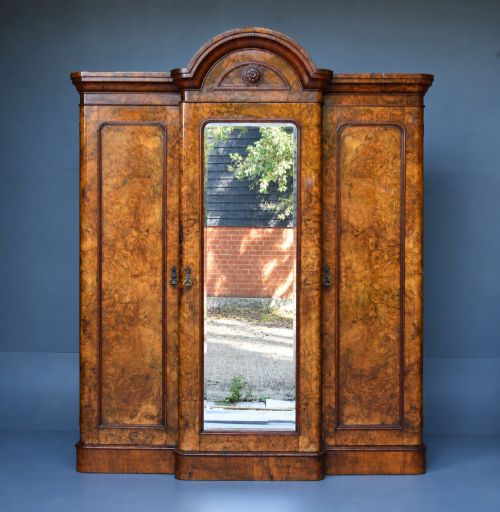
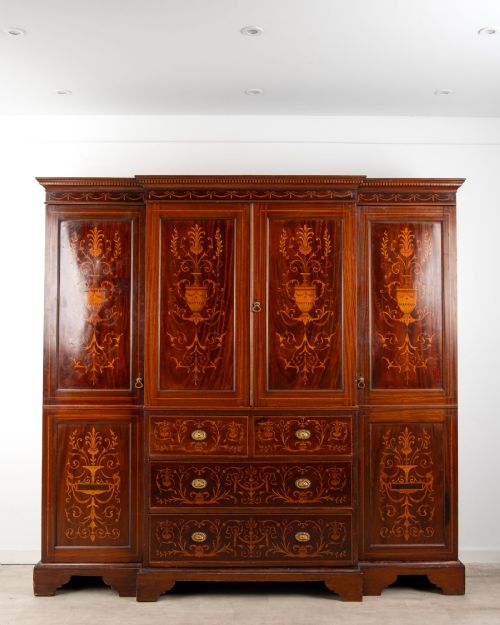
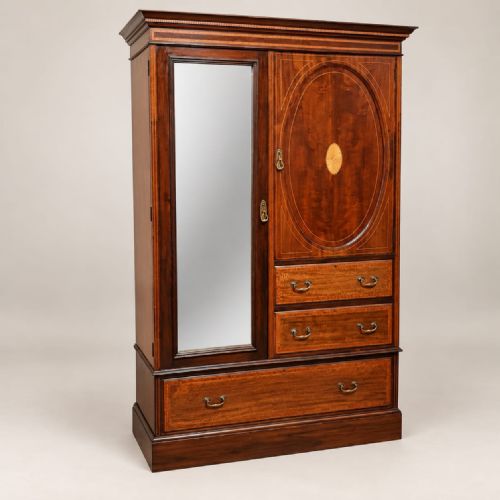
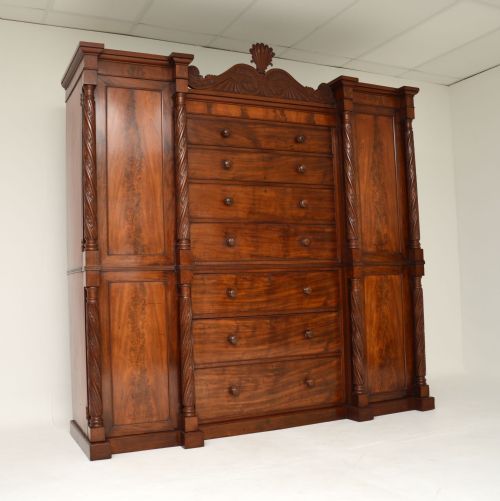
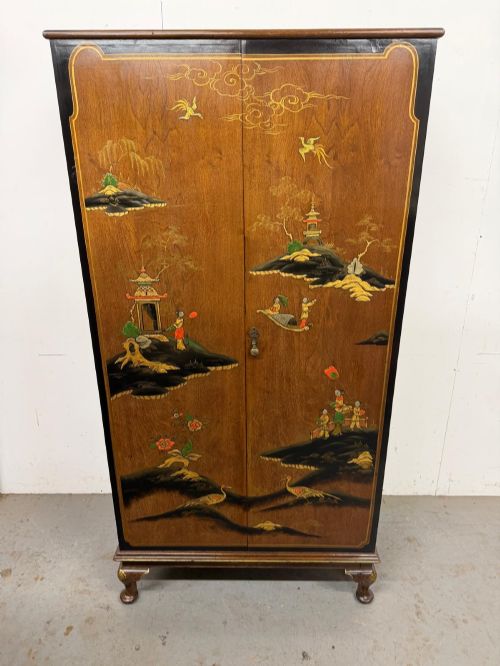
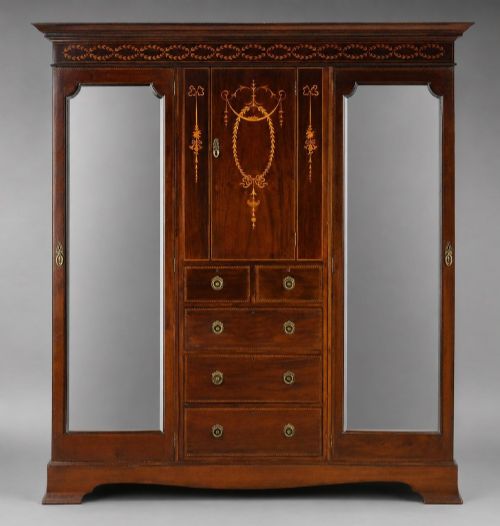
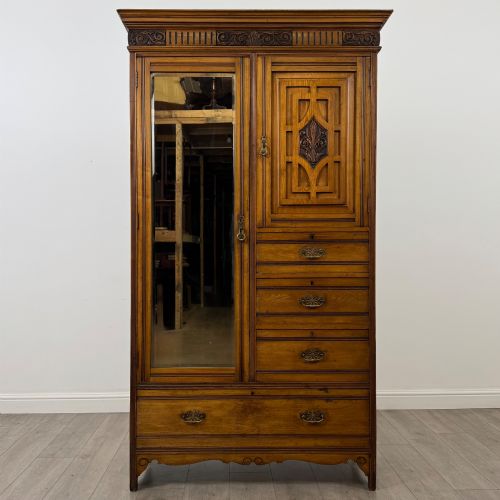
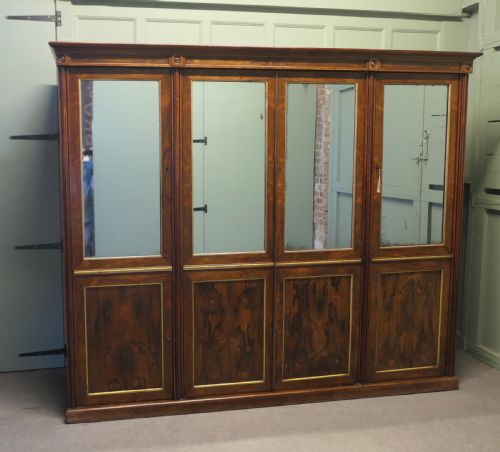
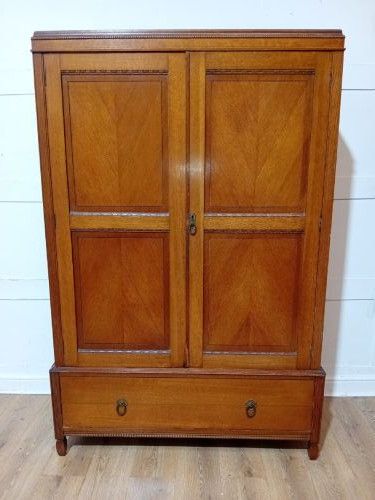
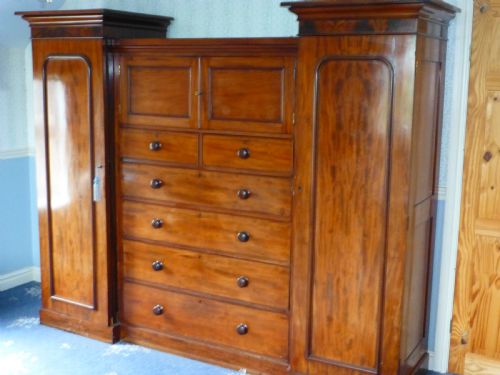
An antique clothes compactum functions as an all-in-one bedroom storage solution, merging the roles of a wardrobe, a linen press, and a chest of drawers into one substantial carcass. When buyers search for this phrase, they encounter pieces that range from single-door configurations to massive triple and quadruple breakfront designs.
The versions met most frequently on this page date from the Victorian and Edwardian eras, constructed in timbers such as mahogany, walnut, and oak. These pieces reflect a period when domestic life demanded dedicated compartments for folded garments, hanging coats, and linen, distinct from standard open wardrobes.
Makers designed these units with internal divisions, often placing banks of sliding trays or drawers behind central doors flanked by hanging spaces. The resulting silhouette is wide, deep, and grounded, intended to dominate a large bedroom wall.
Materials and construction methods
Cabinetmakers built the foundational carcases of these compactums using solid native and imported timbers, frequently applying decorative veneers like burr walnut, flame mahogany, or satinwood to the primary display surfaces. These veneers were carefully laid over secondary woods, requiring high skill to prevent lifting and cracking over decades of environmental changes.
Internal components, such as sliding linen trays and drawer linings, often utilise secondary timbers like oak or pine, joined with traditional dovetail techniques. Carved details, boxwood stringing, and brass or glass hardware complete the construction, binding structural utility with period decorative styles.
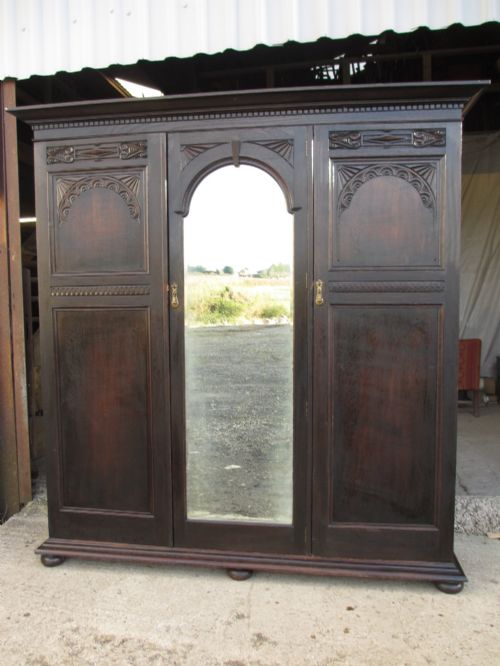
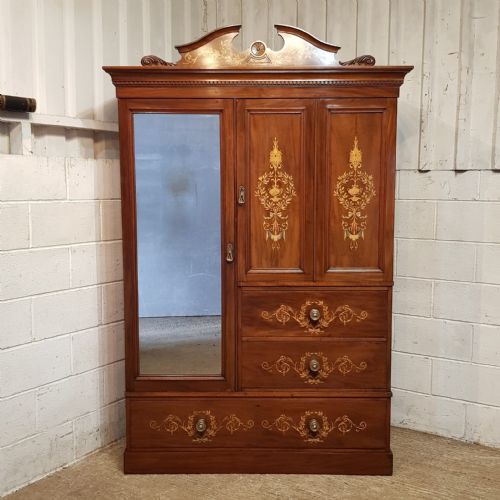
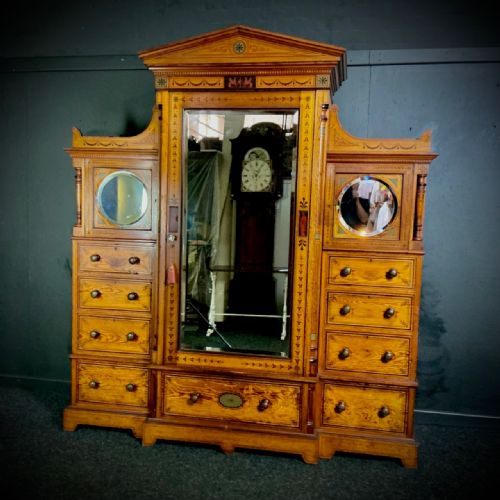
Mirrored doors appear frequently, set into heavy wooden frames with bevelled glass edges that required robust internal framing to support the extra weight. Back panels were typically panelled in softwood, allowing the large structures to breathe while maintaining rigidity.
Some Edwardian models arrived with hidden tie racks and pull-out trouser presses, proving that Victorian gentlemen took their creases very seriously indeed.
Judging the quality of a compactum
Quality reveals itself in the selection and matching of wood veneers, particularly on large surfaces where book-matched burr walnut or flame mahogany creates symmetrical patterns. Simpler pieces rely on plain solid timbers, while superior examples feature meticulous inlay work in contrasting woods like satinwood and boxwood.
The internal engineering distinguishes standard production from exceptional cabinet work, seen in the smooth operation of sliding linen trays and the tight, hand-cut dovetails on internal drawers. Heavier cornices, panelled backs, and the integration of quality brass hardware indicate a maker who prioritised longevity over mass output.
Harris Lebus·Gillows·Lamb of Manchester·Maple and Co·Heals
The Antique Clothes Compactum Glossary
- Compactum
- A fitted wardrobe that combines hanging space with drawers, shelves, and sometimes a linen press within a single carcass. This layout provides comprehensive clothes storage.
- Breakfront
- A cabinet design where the central section projects forward from the flanking wings. This configuration adds architectural depth to large wardrobes.
- Linen Press
- A piece of furniture featuring sliding internal trays enclosed by doors, traditionally used for storing folded linen. In compactums, this section sits alongside hanging compartments.
- Scumble
- A decorative paint technique used to simulate natural wood grain, such as oak, over a simpler base timber. It appeared on utilitarian or regional furniture.
- Dovetail
- A joint formed by interlocking wedge-shaped fingers, used to join drawer corners securely. Hand-cut variations indicate older, traditional cabinetmaking.
Antique Clothes Compactum: Frequently Asked Questions
How do I dismantle a large compactum?
Most antique compactums were designed to be taken apart into sections - cornice, base, central carcass, and side wings - to allow for transport and placement in older homes with narrow doorways.
Screws, wooden pegs, and tongue-and-groove joints typically hold the heavy outer frame together. Careful labelling of parts during disassembly ensures the panels reassemble correctly.
What is the difference between a wardrobe and a compactum?
A standard wardrobe provides primarily vertical hanging space behind doors, sometimes supplemented by a single base drawer. A compactum integrates multiple storage types into one unit.
Inside a compactum, hanging sections share space with dedicated banks of drawers, sliding linen trays, and occasionally small cupboards or mirror fittings.
How do I care for burr walnut veneer?
Burr walnut veneer requires stable room humidity and protection from direct sunlight to prevent the thin decorative wood from drying out, cracking, or fading over time.
Applying a traditional beeswax polish occasionally maintains the moisture and natural lustre of the timber without building up synthetic residues.
Are these pieces suitable for modern bedrooms?
These large wardrobes offer substantial internal storage capacity that easily rivals modern fitted units, though their physical dimensions require measuring ceiling height and floor space carefully.
The deep carcasses and internal sliding trays accommodate folded garments and modern clothing lengths efficiently despite their historical origins.