






Antique Classical Scene Picture
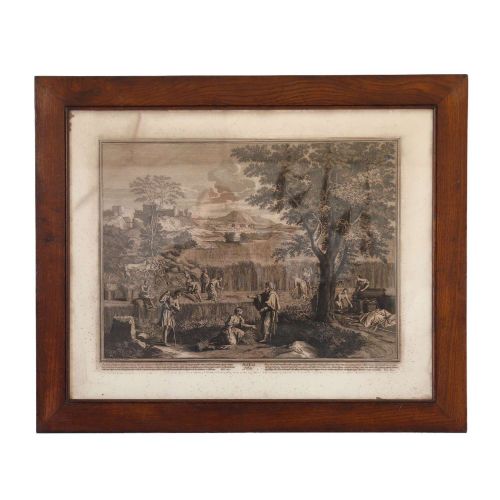
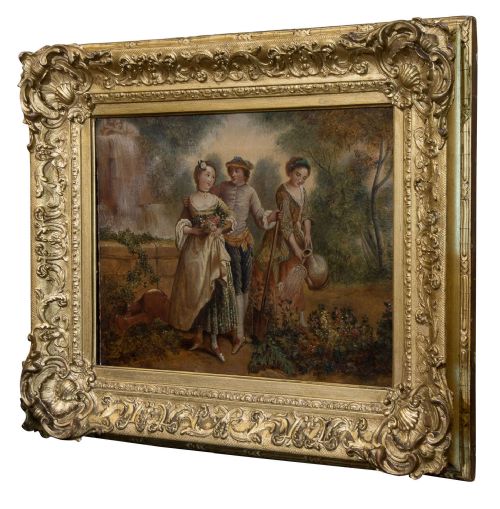
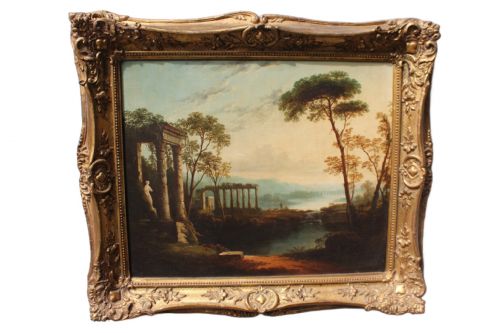
An antique classical scene picture brings mythological figures, architectural ruins and pastoral landscapes into an interior through oil paint, watercolour or print.
Antique Classical Scene Picture
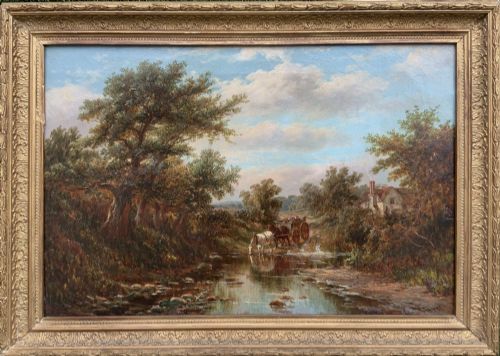
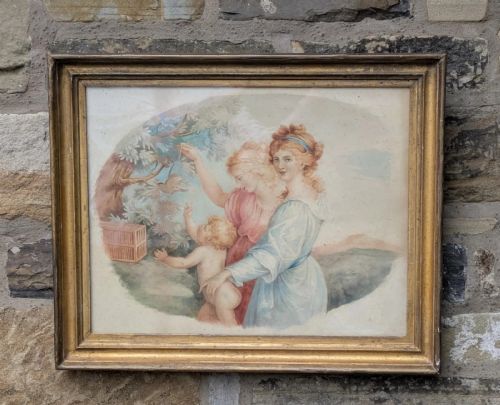
An antique classical scene picture draws heavily on mythology, literature and historical architecture to construct idealised pastoral or urban landscapes. The examples meeting this description range from intimate watercolours of young ladies and children to large oil paintings depicting Italianate rivers and mythological deities.
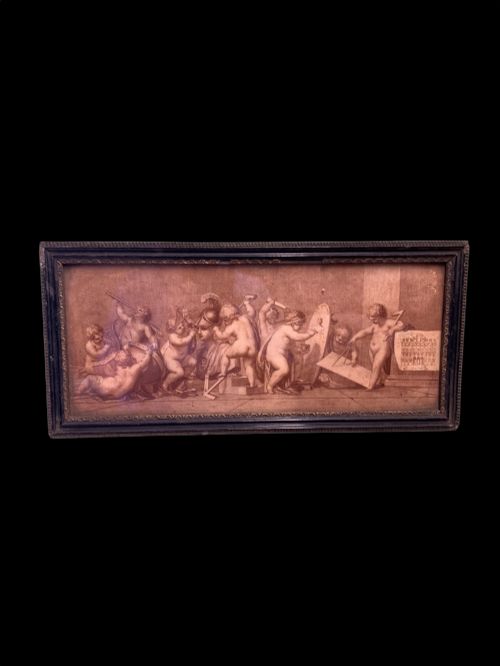
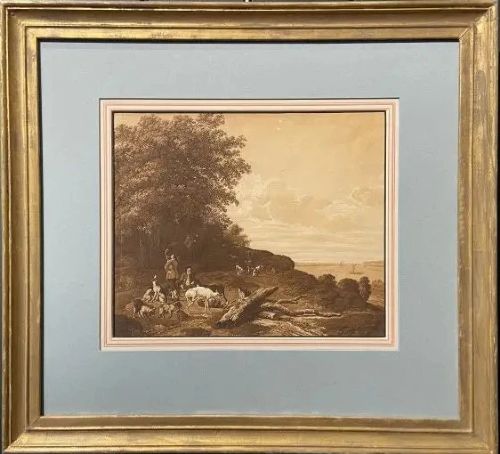
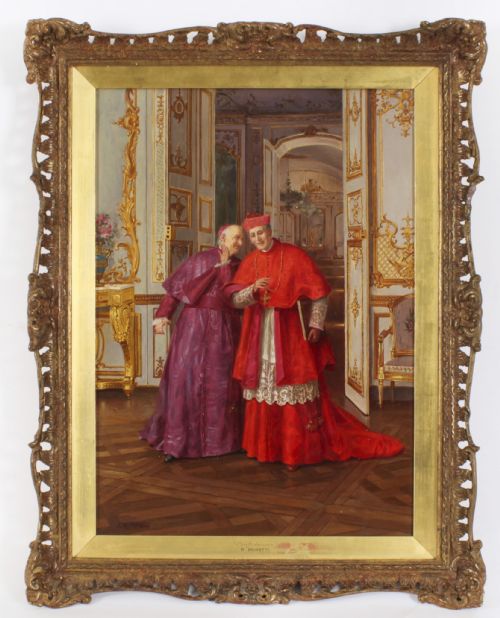
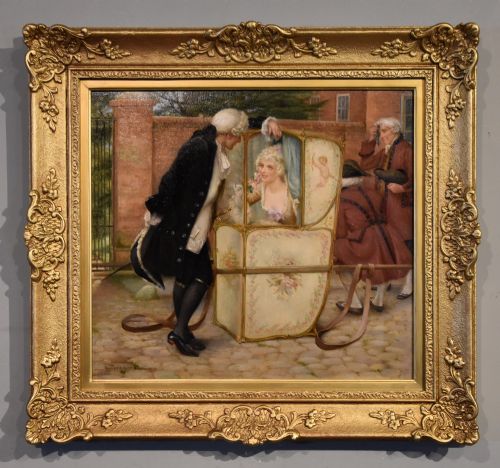
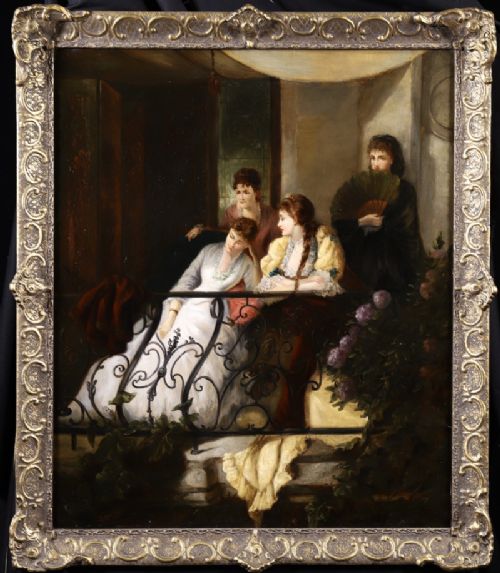
Most pieces date from the seventeenth, eighteenth and nineteenth centuries, spanning periods such as the Georgian, Victorian and Regency eras. Buyers encounter varied formats including oil paintings on canvas or panel, delicate watercolours, needlework pictures and framed prints.
European workshops dominate the origins, particularly French, Dutch and Italian schools that engaged deeply with classical motifs. Works attributed to specific followers or executed after major continental painters appear alongside anonymous school pieces.
Materials and techniques
Oil on canvas and wood panel form the backbone of these artworks, layered by artists using techniques derived from academic traditions. Watercolours on paper offer a lighter alternative, often capturing domestic or garden music recitals.
Framing plays a major role in the physical composition, utilising giltwood and gold leaf moulding that reflects nineteenth-century and earlier taste. Engravings, etchings and chrystoleux under convex glass represent the printed and photographic adaptations of these classical subjects.
The listings span from the seventeenth century through to the twentieth century, encompassing oil paintings, watercolours, needlework and chrystoleux.
Assessing the execution
The sophistication of brushwork and the handling of atmospheric perspective separate ambitious gallery pieces from simpler decorative works. Mastery over human anatomy, drapery and architectural proportion dictates the visual strength of a classical composition.
The integrity of the original support, whether canvas, panel or paper, alongside the preservation of period framing such as giltwood, defines the preservation standard. Hand-coloured prints and needlework pictures derive their merit from the precision of pigment application and stitch work.
Johannes Lingelbach·Delapoer Downing·David Teniers·Jean baptiste Joseph Pater·Claude Lorrain·Andre de Moller·Martinetti·Jan Evert Morel·William Raymond Dommersen·Pietro Dasaro·Arturo Orselli·Richard Wilson·Francois Boucher·Abraham Cooper·Eduard Veith
The Antique Classical Scene Picture Glossary
- Chrystoleum
- A coloured photograph or print mounted under convex glass and hand-painted from the reverse. This technique gained popularity in the nineteenth century for adding depth to printed art.
- Italianate
- A stylistic descriptor for landscapes and architectural settings infused with the warm light and ruined classical structures of Italy. Artists across Europe adopted this idiom after travelling south.
- Needlework picture
- A textile artwork embroidered using wool or silk threads on canvas to replicate pictorial scenes. Eighteenth-century examples frequently depicted pastoral and mythological subjects.
- Neoclassical
- A cultural movement drawing inspiration from the art and culture of classical antiquity. It prioritises restraint, symmetry and heroic subject matter.
- Mezzotint
- A printmaking process of the intaglio family that allows smooth gradations of tone and dark backgrounds. It was widely utilised for translating oil paintings into popular prints.
Antique Classical Scene Picture: Frequently Asked Questions
What defines a classical scene picture?
A classical scene picture depicts subjects drawn from Greek or Roman mythology, ancient history or idealised Mediterranean landscapes. These compositions often include architectural ruins, pastoral figures and dramatic skies.
Such works reflect European artistic movements that looked back to antiquity for inspiration, spanning the seventeenth-century Dutch golden age through to nineteenth-century academic realism.
How do I identify eighteenth-century works?
Eighteenth-century pieces typically exhibit lighter palettes, fluid brushwork and subjects centred on pastoral romance or classical deities like Venus and Cupid. Needlework pictures and oil panels from this era also reflect distinct framing and canvas textures.
Examining the reverse of the canvas or panel often reveals period stretcher construction and early collector labels that help confirm the era.
Where should I hang these pictures?
These artworks suit traditional drawing rooms, studies or hallways where period lighting enhances the depth of oil paint and gilt frames. They pair well with antique wooden furniture and neutral wall colours.
Direct sunlight should be avoided to protect organic watercolours, needlework pictures and paper prints from fading over time.
What is the difference between an oil and a chrystoleum?
An oil painting is an original handmade work utilising pigmented linseed oil on canvas or panel, showing visible texture and brushstrokes. A chrystoleum is a nineteenth-century derivative where a printed image is placed under convex glass and tinted by hand from behind.
Under magnification, a chrystoleum reveals underlying print dots, whereas an oil painting displays the natural build-up of layered paint.