
Gold Frame Classical Artwork
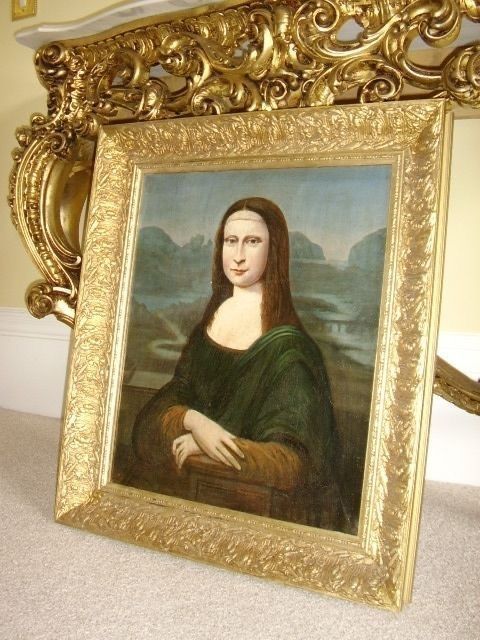
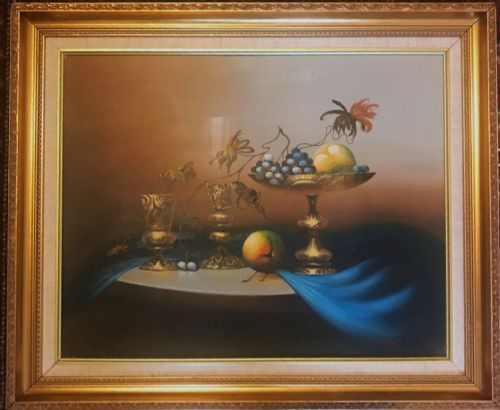
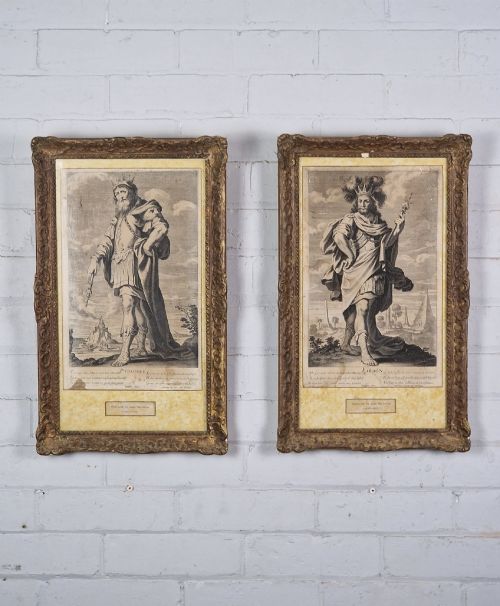
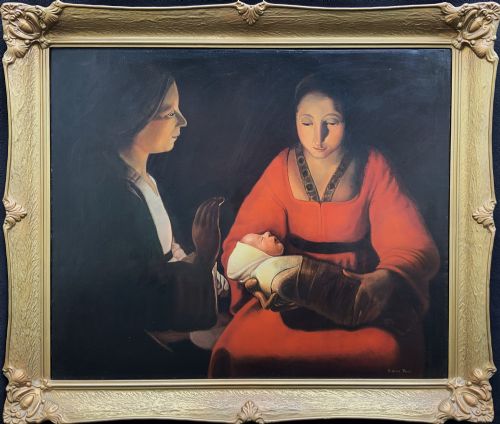
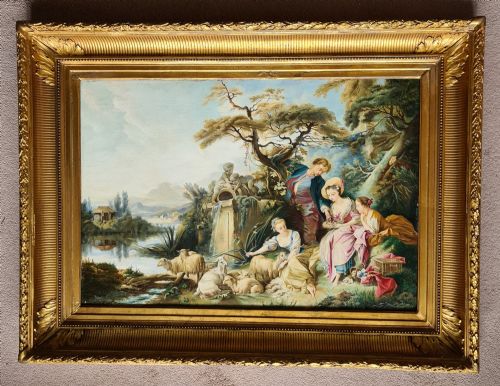
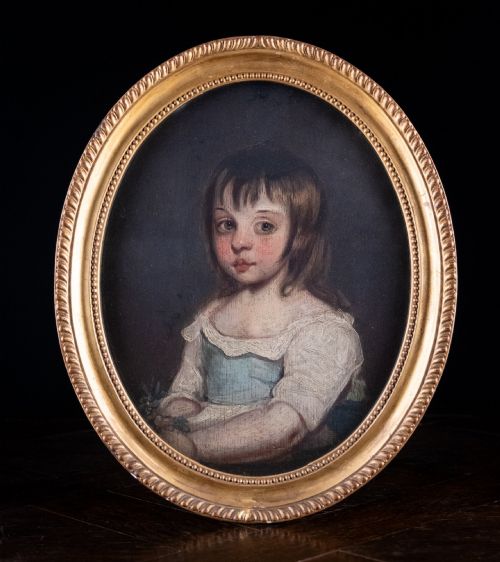
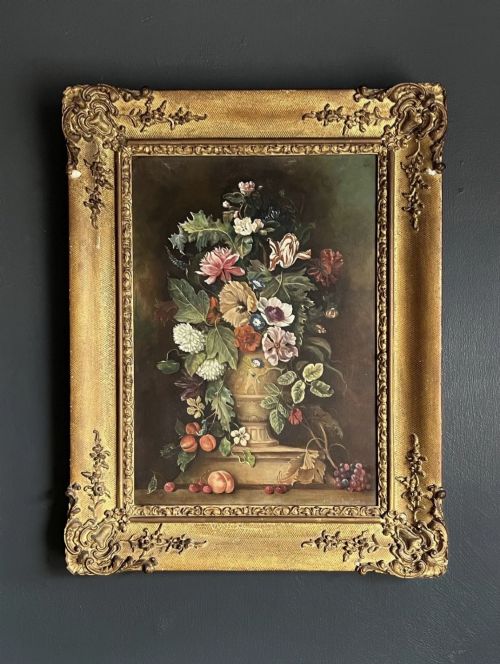
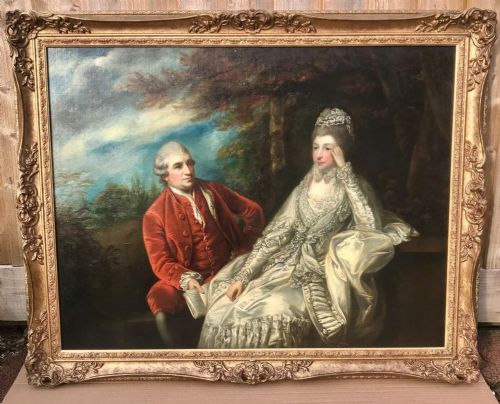
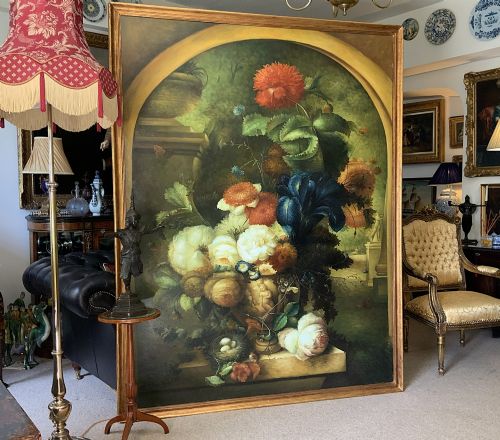
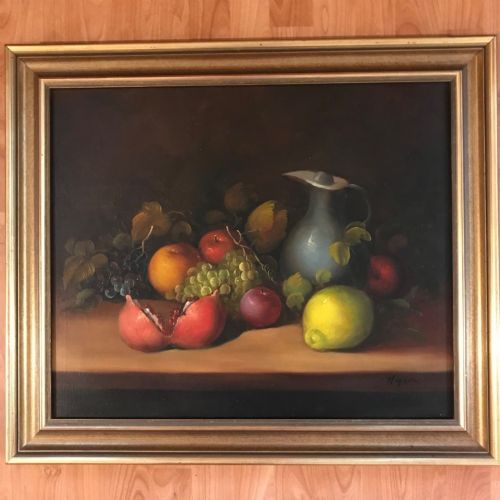
Gold frame classical artwork brings together historic oil paintings, watercolours and engravings housed within ornate gilt surrounds.
Gold Frame Classical Artwork
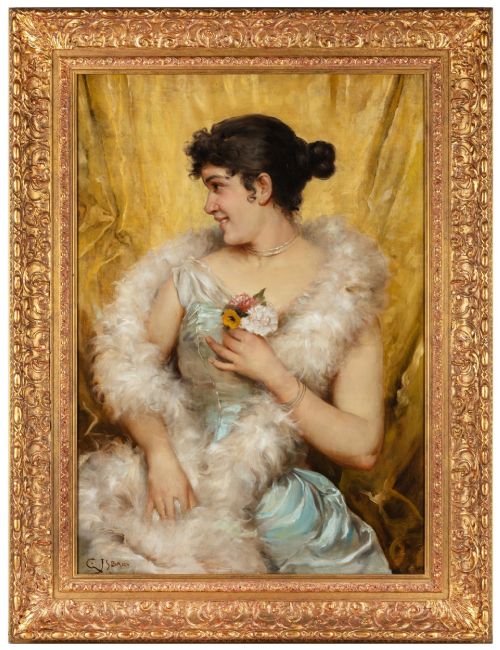
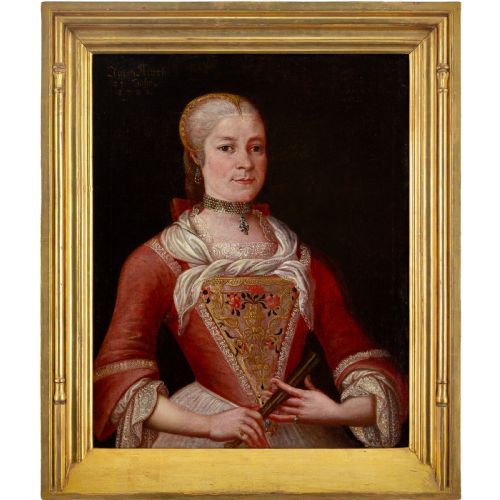
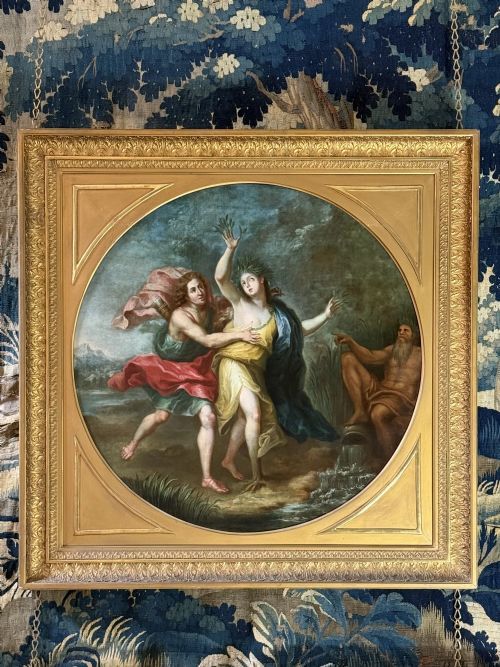
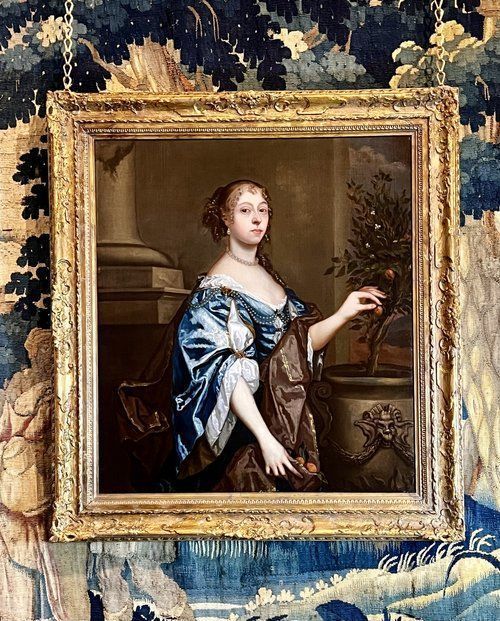
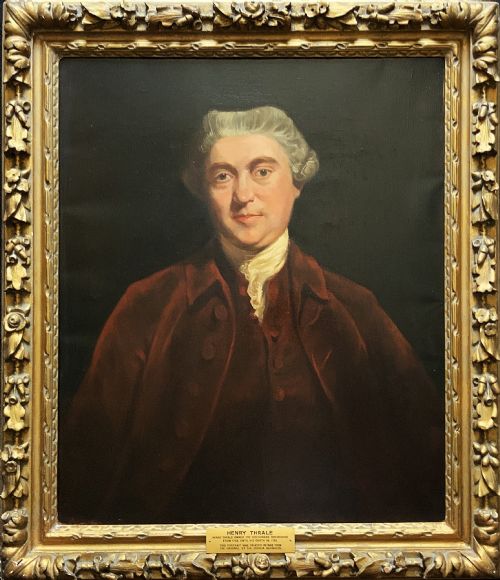
Gold frame classical artwork encompasses oil paintings, watercolours, drawings and engravings produced across several centuries. Buyers searching for gold frame classical artwork encounter portraits, mythic scenes, still lifes and landscapes set inside gilt wood or gilt gesso surrounds.
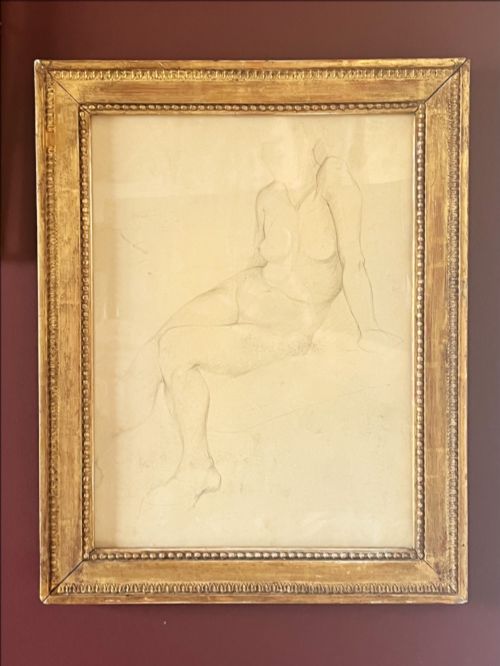
The selections span seventeenth-century portraits, eighteenth-century mythological pairs and nineteenth-century academic works, alongside later interpretations in historical styles. Pieces range from grand grand tour landscapes to intimate pencil life drawings and framed prints.
Oil on canvas remains the dominant medium, often framed in heavily carved or moulded gilt timber. Works originate from various European schools, reflecting neoclassical, renaissance revival and French rococo aesthetic movements.
Materials and construction methods
The artwork itself relies primarily on oil paint applied to canvas or wood panels, alongside paper supports utilised for watercolours, stipple engravings and pencil drawings. Canvases are stretched over wooden frames before receiving layers of pigment and varnish.
Surrounding enclosures utilise wood, frequently embellished with gesso and finished in gold leaf or gilt paint. Carved giltwood frames require skilled joinery and manual gilding techniques to achieve their decorative surface sheen.
Several portraits feature subjects holding fruit, proving that historic sitters took snack breaks very seriously.
Factors influencing quality
Quality rests upon the execution of the primary image and the harmony between the artwork and its enclosure. Masterly brushwork, anatomical proportion and compositional balance elevate paintings above routine studio copies and decorative prints.
The integrity of the gilt surround matters equally, where hand-carved wooden mouldings and well-preserved gold leaf indicate superior craftsmanship compared to later mass-produced composition ornament.
Charles-Antoine Coypel·Jean Mariette·Francois Boucher·Pieter Borsseler·Sir Joshua Reynolds·Sir Thomas Lawrence·Jacob Philipp Hackert·John Opie·Adam Buck·Johannes Lingelbach
The Gold Frame Classical Artwork Glossary
- Giltwood
- Wood that has been coated with gold leaf or a gold-coloured metallic finish. This technique creates a luminous boundary that separates the historic imagery from the surrounding room.
- Neoclassical
- An artistic movement drawing inspiration from the art and culture of classical antiquity. It emphasises restrained composition, classical mythology and clear linear precision.
- Gesso
- A plaster-like mixture applied to wood frames to provide a smooth surface for gilding. Skilled artisans carve intricate relief patterns into this layer before applying gold leaf.
- Stipple engraving
- A printmaking method using dots of varying density to create tonal gradations and figures. It was frequently utilised in the eighteenth century for reproducing classical compositions.
Gold Frame Classical Artwork: Frequently Asked Questions
How do I hang a heavy gold frame artwork?
Heavy giltwood frames require secure wall fixings, typically screwed directly into masonry or wall studs using heavy-duty picture hooks and steel wire rated well above the weight of the piece.
Position the centre of the artwork at eye level, ensuring the surrounding wall space allows the ornate frame breathing room without crowding other items.
What periods do these artworks cover?
The works span from the seventeenth century through the eighteenth and nineteenth centuries, alongside twentieth-century pieces produced in historical revival styles.
Earlier items include seventeenth-century portraiture and eighteenth-century mythic canvases, while later centuries introduced watercolours, engravings and academic studies.
Are these original paintings or prints?
The selection includes both original hand-painted oils on canvas and watercolours, as well as historic engravings, stipple prints and oleographs.
Examining the surface texture under magnification reveals whether pigment sits directly on canvas or if printed ink dots form the image.