
Antique Classical Portrait
An antique classical portrait captures human likeness through the lens of historical idealism, drawing on centuries of European painting and sculpture tradition.
Antique Classical Portrait
When you search for an antique classical portrait, you encounter depictions of historical figures, mythological subjects, and dignified sitters rooted in academic traditions. These works span from the seventeenth century through the nineteenth century, reflecting enduring aesthetic ideals.
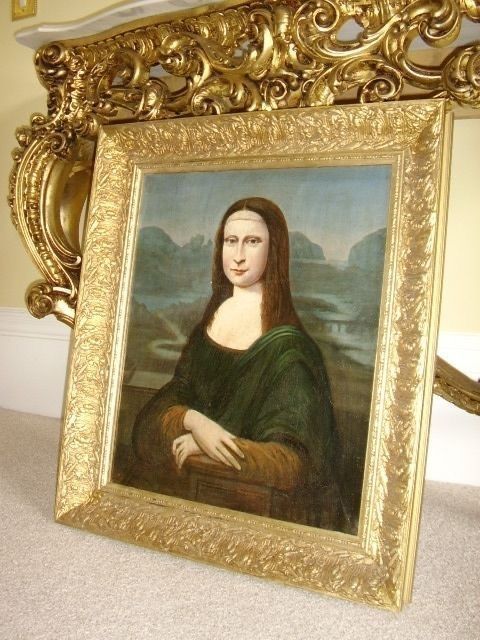
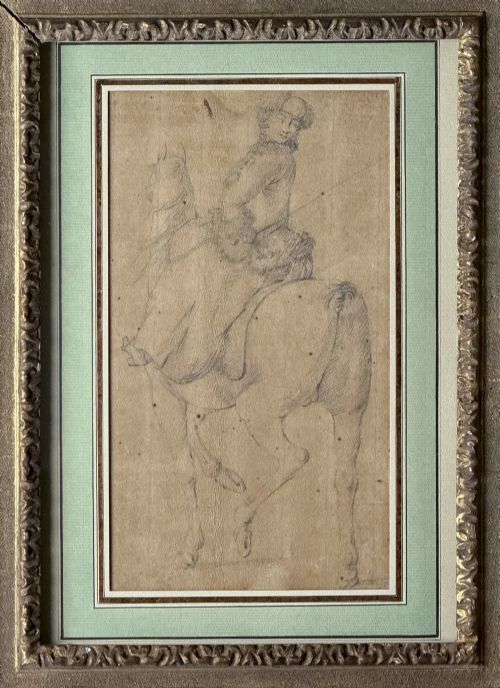
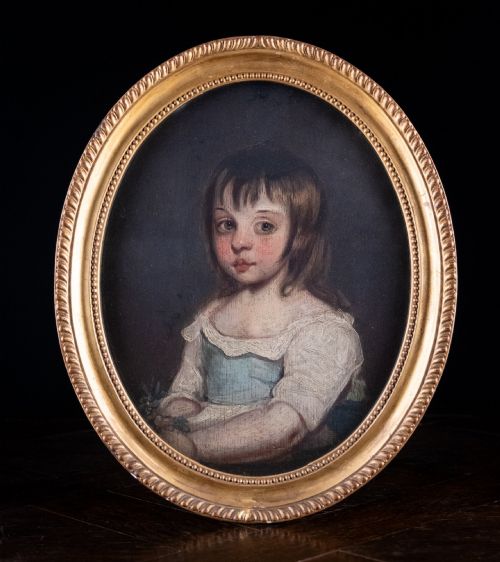
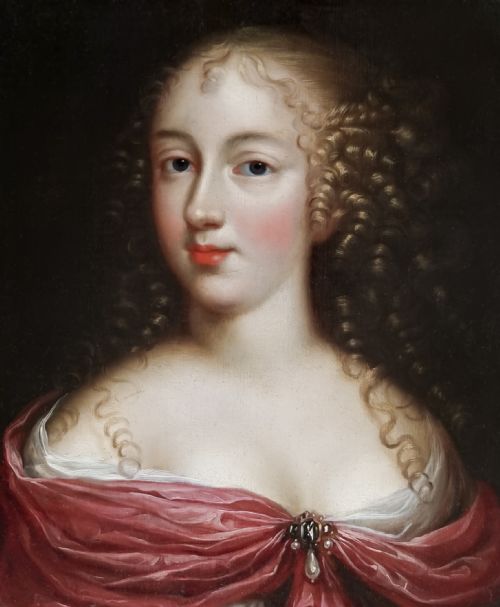
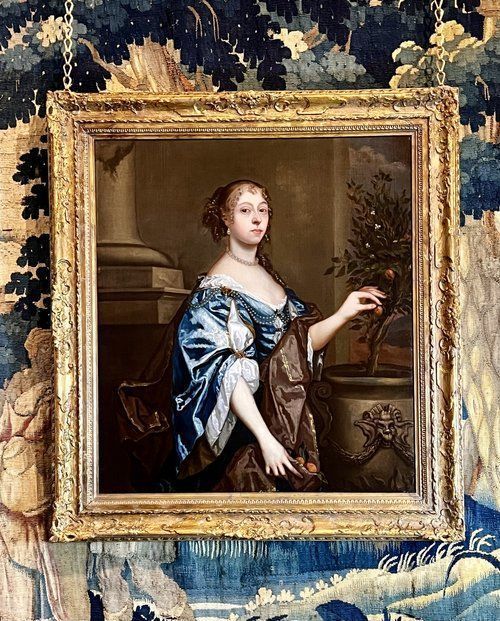
You meet oil paintings on canvas and panel, alongside detailed mezzotints, engravings, and carved sculptures. Many pieces reference earlier masters through skilled copies, adaptations, and Grand Tour souvenirs.
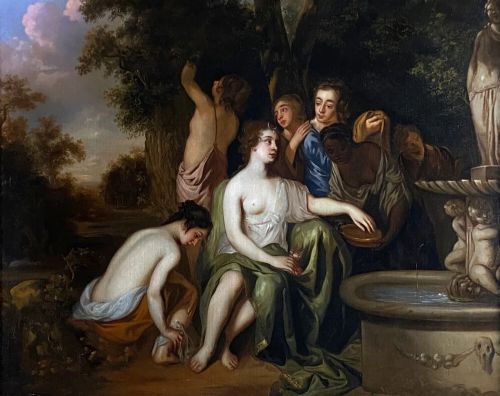
The prevailing styles on this page encompass Georgian, Regency, Neoclassical, and Baroque traditions. These visual formats often pair academic portraiture with classical mythology and allegorical settings.
Materials and Techniques
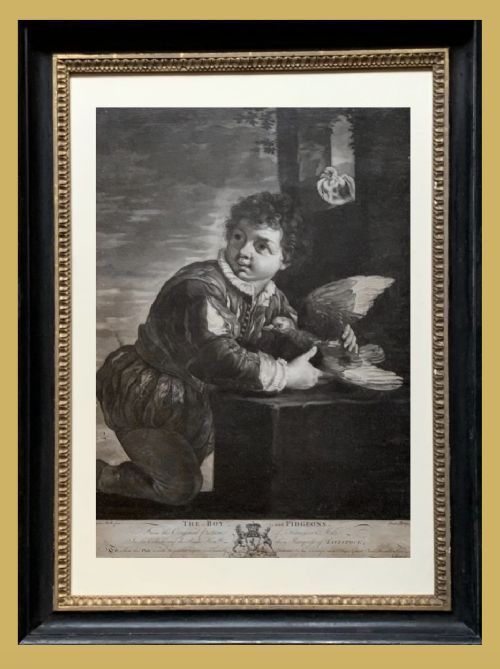
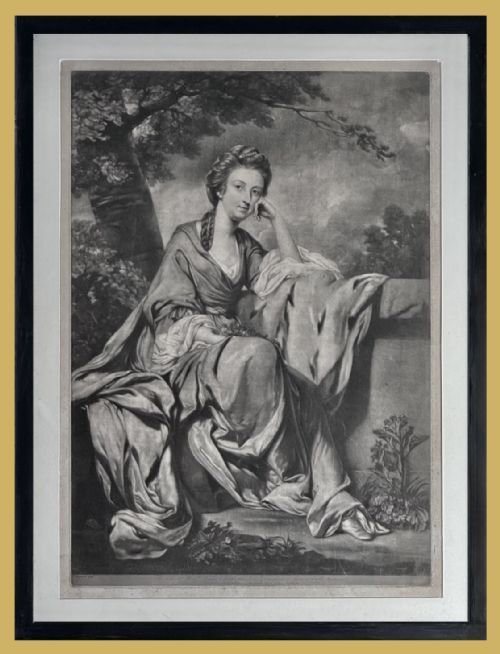
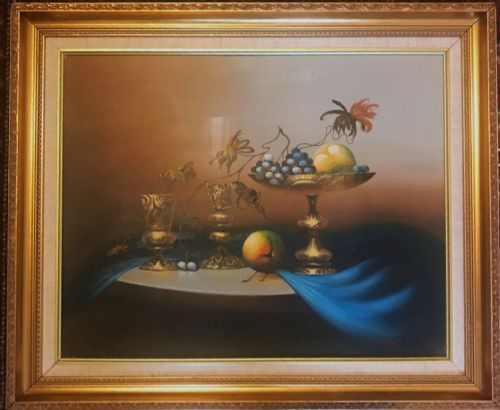
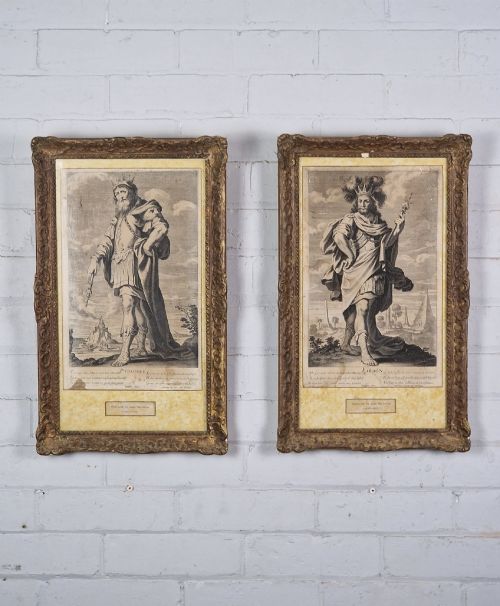
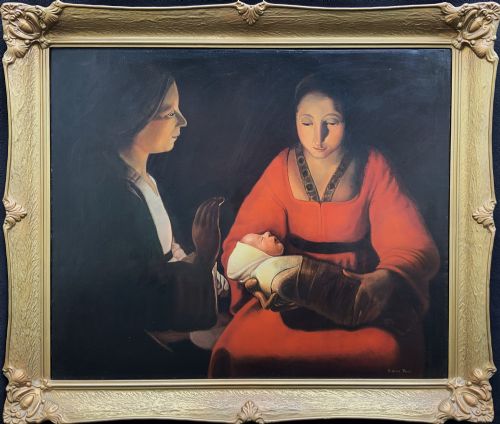
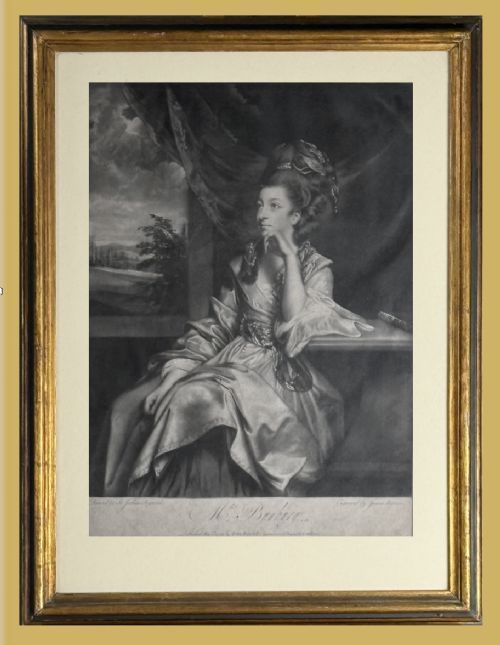
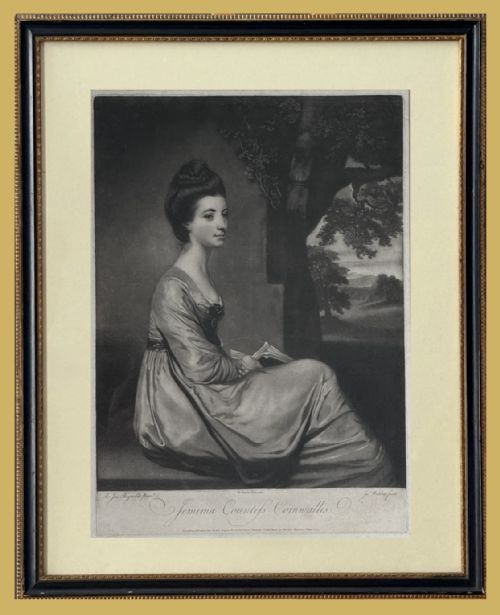
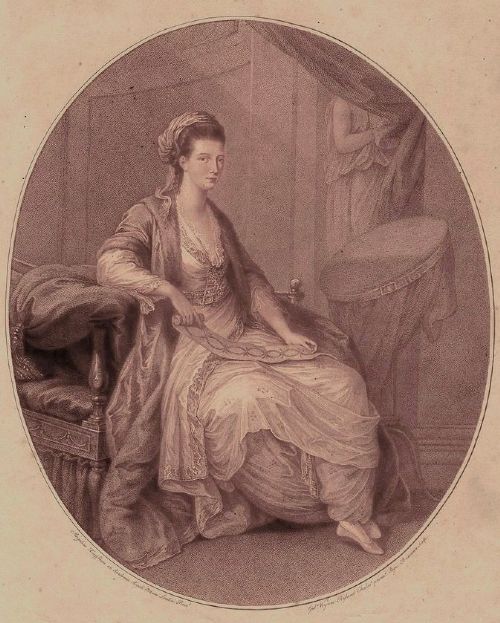
Makers utilised oil on canvas and wood panel to build rich, layered painted surfaces. Printmakers employed intricate mezzotint and stipple engraving techniques on paper to translate celebrated compositions.
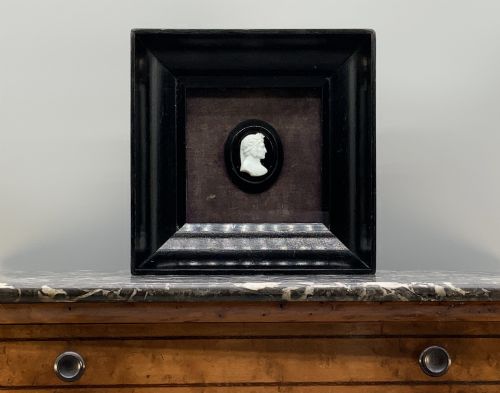
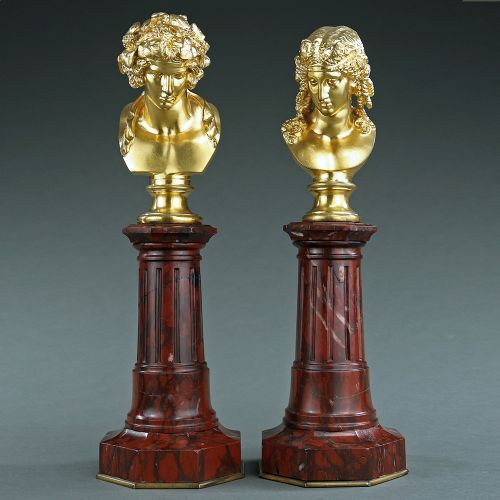
Sculptors shaped Carrara marble, gilt bronze, plaster intaglios, and carved ivory for three-dimensional busts and plaques. Frames frequently incorporated carved gilt wood and gold leaf to complement the artwork.
Antique Classical Portrait Retail Price Guide 2026
Typical asking prices for classical portrait among the pieces listed under this phrase on Sellingantiques today, from the lower quarter to the upper quarter. They describe what is for sale here now, not the wider market.
Materials span carved ivory, Carrara marble, giltwood, pastel, and oil on canvas.
Quality and Execution
The calibre of a painted portrait depends upon the subtlety of brushwork and the accuracy of anatomical drawing. Masterful handling of light and shadow, particularly in oil and pastel works, distinguishes superior examples from standard studio copies.
In sculptural pieces, the crispness of detail in carved ivory, marble, or cast bronze determines the finesse of the object. Print quality relies on the clarity of the plate impression and the preservation of the paper.
John Boydell·Edward Fisher·Sir Joshua Reynolds·James Watson·Pierre Mignard
The Antique Classical Portrait Glossary
- Mezzotint
- A printmaking process of the tonal engraving family, allowing smooth gradations of light and shade. This method was widely used in the eighteenth century to reproduce large painted portraits.
- Grand Tour
- A traditional trip of Europe undertaken by upper-class European young men of sufficient means. Travellers frequently collected small bronzes, classical portrait plaques, and intaglios as mementos.
- Intaglio
- A gem or other gemstone carved in incised relief, frequently paired in sets within framed antique collections. These miniature works often depict classical profiles.
- Neoclassical
- A Western cultural movement drawing inspiration from the art and culture of classical antiquity. This style dominated late eighteenth and nineteenth-century visual arts.
- Provenance
- The chronology of the ownership or location of a historical object. Documented histories substantiate the attribution and age of fine portraits.
Antique Classical Portrait: Frequently Asked Questions
How do I date an oil portrait?
Dating relies on examining the canvas preparation, stretcher construction, and stylistic clues within the sitter's costume and hair arrangement. Pigment analysis and framing styles also offer supporting historical evidence.
Comparative study against documented works by known schools helps narrow the production window. Examination under specialised lighting reveals underlying layers and potential conservation history.
What is a mezzotint portrait?
A mezzotint is an intaglio print created by roughening a metal plate with thousands of tiny points to hold ink, producing rich dark tones. Engravers scraped away areas to create highlights, achieving remarkable tonal depth.
This technique translated painted portraits into highly collectible prints during the eighteenth century. They frequently recorded works by prominent painters of the era.
How should I display antique paintings?
Hang oil paintings away from direct sunlight and dramatic fluctuations in domestic temperature or humidity. Stable environmental conditions prevent cracking in aged canvas and wood panels.
Ensure appropriate wall fixings match the weight of heavy giltwood frames. Professional mounting protects the structural integrity of both the artwork and its historical frame.
What are Grand Tour plaques?
Grand Tour plaques are small-scale carved reliefs, often fashioned from ivory, marble, or plaster, depicting classical figures and ancient busts. Travellers collected them across Europe during the eighteenth and nineteenth centuries.
These portable items served as tangible education and memory of classical antiquity. They remain prized by collectors for their miniature craftsmanship.