
Blue Dress Portrait Art
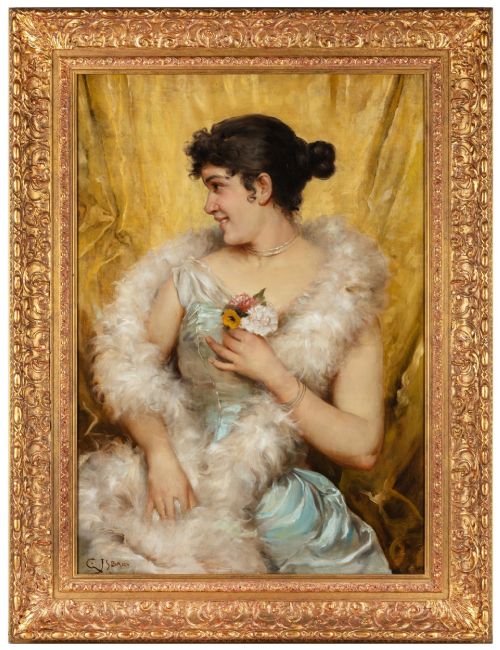
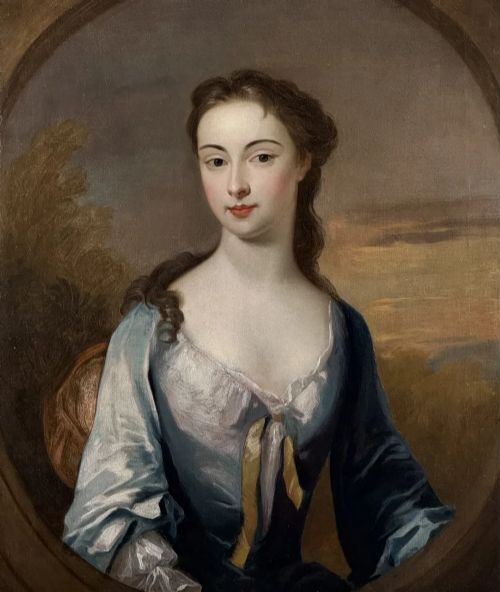
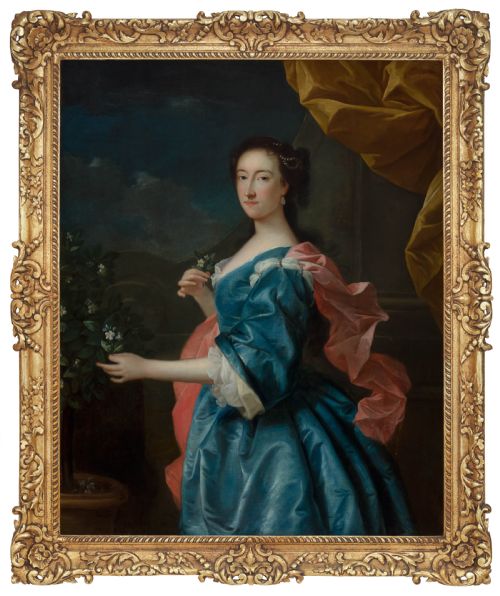
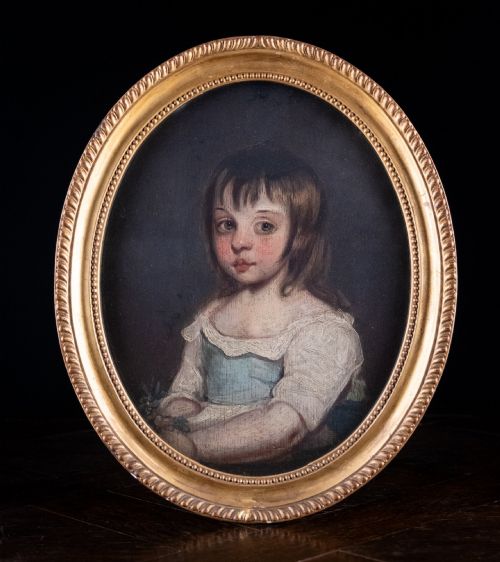
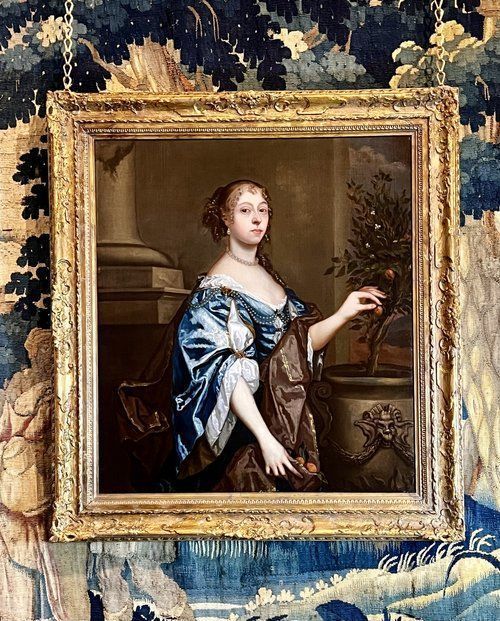
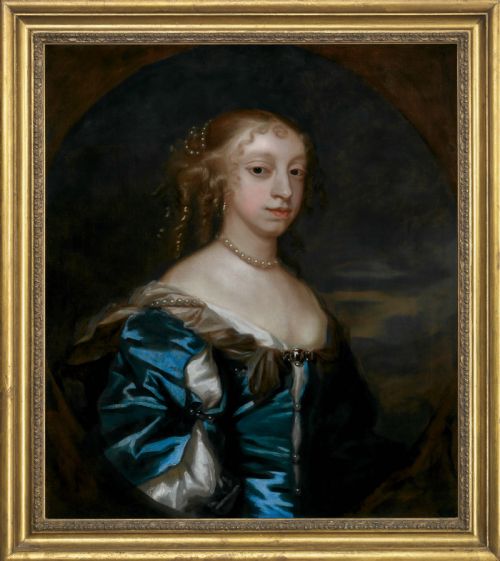
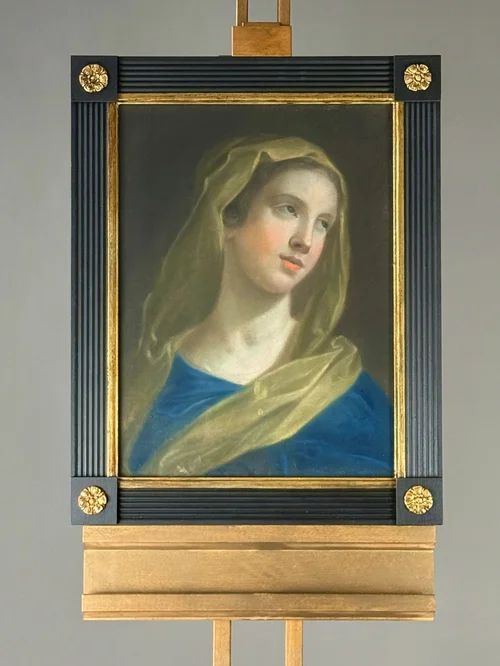
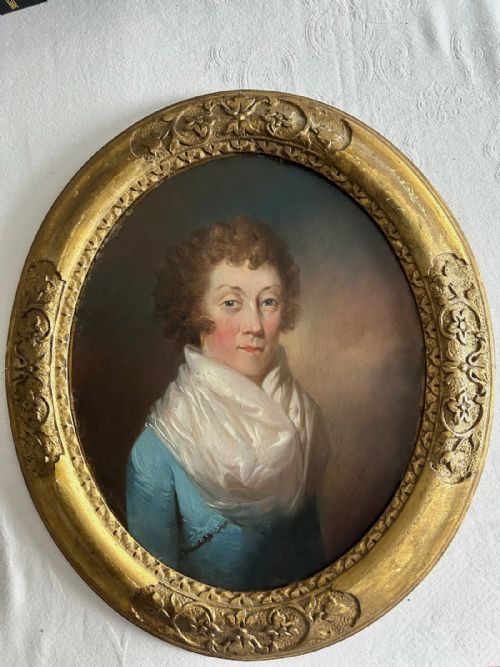
Blue dress portrait art captures centuries of painted elegance, drawing collectors to classic depictions of sitters in distinctive blue attire.
Blue Dress Portrait Art
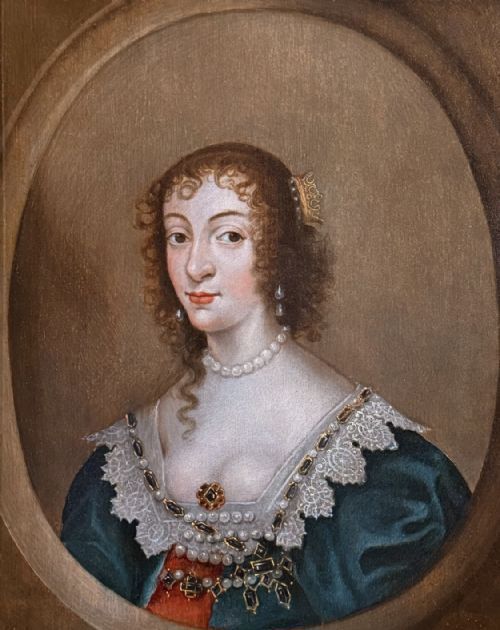
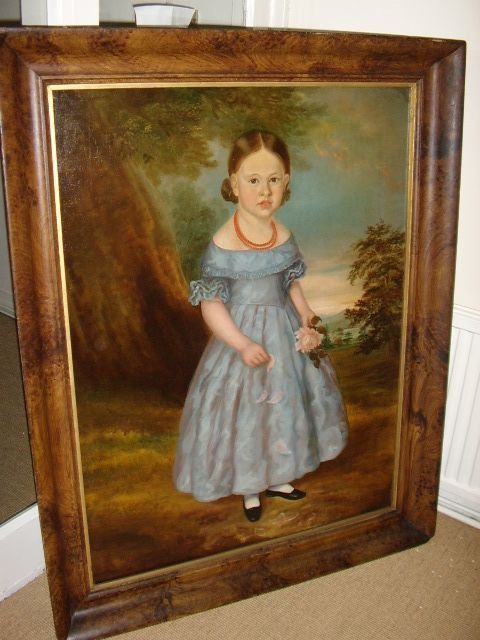
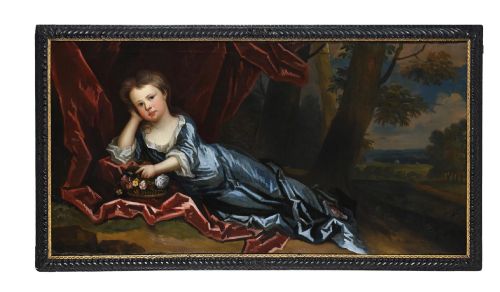
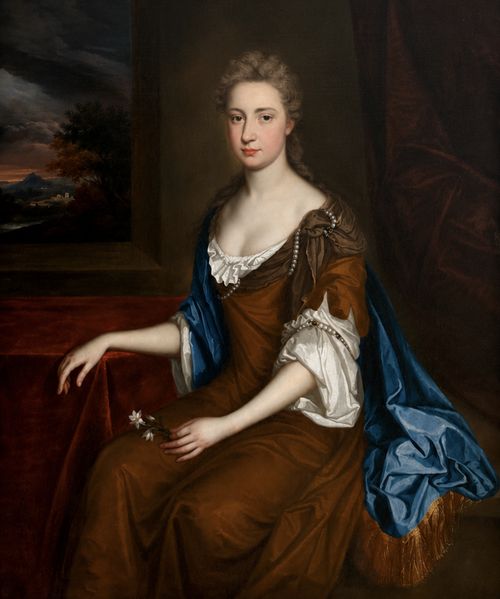
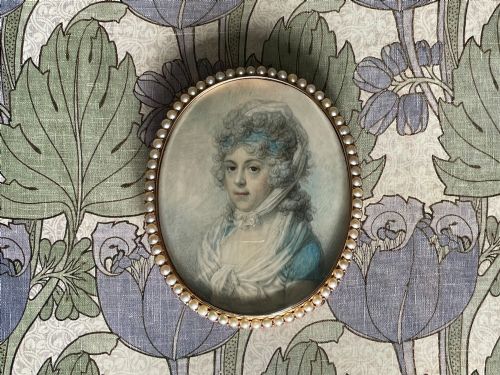
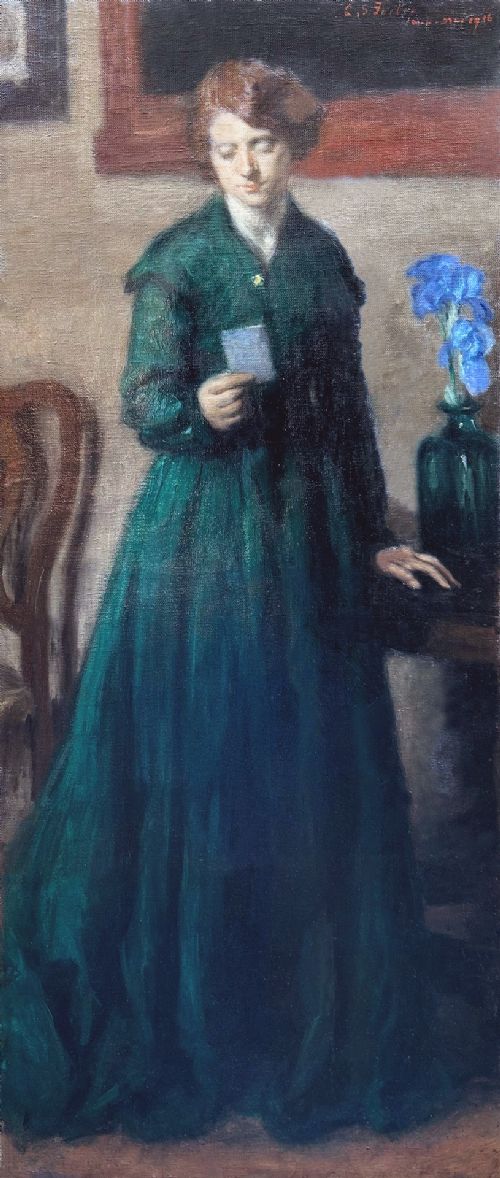
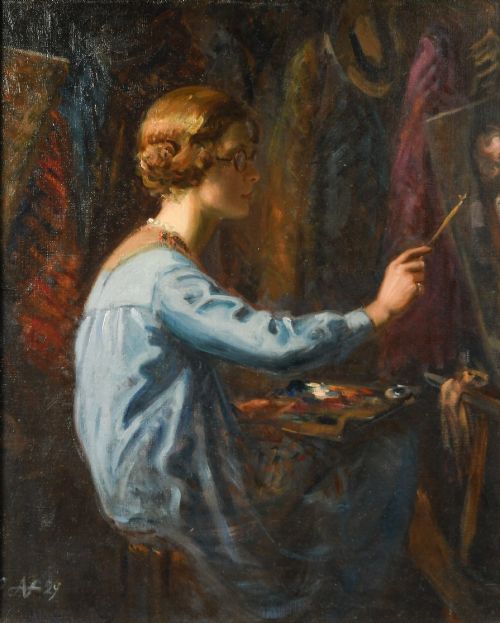
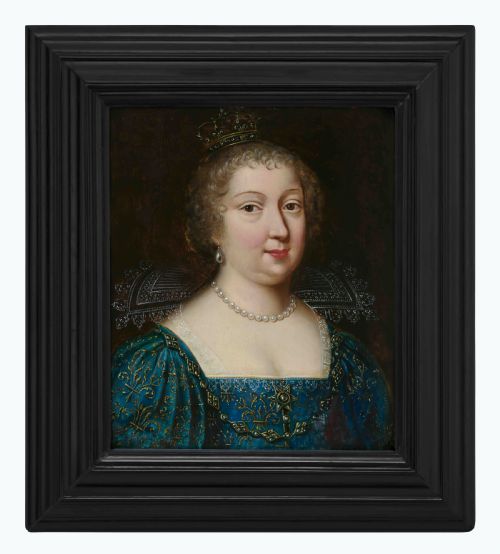
When exploring blue dress portrait art, buyers encounter historical paintings and miniatures depicting individual sitters whose garments range from rich velvet gowns to delicate ribbons. These works span multiple centuries, capturing evolving fashions and artistic conventions from the seventeenth century through to the mid-twentieth century.
The pieces on this page most frequently appear as oil paintings on canvas or panel, alongside intimate portrait miniatures and works on paper. Subjects vary from named aristocrats and gentlewomen to young girls and allegorical figures.
Origins stretch across British and European schools, reflecting the diverse portraiture traditions of periods such as the Georgian, Regency, and Victorian eras.
Materials and techniques
Substantial framing often involves wood enriched with gold leaf or constructed from traditional timbers like maple, accentuating the visual impact of the painted surface. Miniature paintings frequently incorporate glass and delicate metalwork, such as guilloche enamel brooches, to protect and display the delicate imagery.
Listings feature works spanning from the seventeenth century through to the mid-twentieth century, utilising oil, watercolour, pastel, and glass.
Factors distinguishing quality
The mastery of anatomical proportion, facial expression, and the texture of fabrics separates standard studio output from exceptional works by accomplished portraitists. Handling of light upon silk, velvet, or ribbons reveals the technical skill of the painter.
The condition of the painted surface, the preservation of original pigments, and the integrity of any associated period frames contribute significantly to the standing of an individual piece.
Charles Jervas·Jeremiah Davison·Pieter Borsseler·Benedetto Luti·Charles D Agar·Richard Cosway·Henri and Charles Beaubrun·Henry Pickering·John Riley and John Closterman·William Egley·Daniel Pasmore
The Blue Dress Portrait Art Glossary
- Portrait Miniature
- A small, highly detailed painting, usually executed on ivory, vellum, or card during the sixteenth to nineteenth centuries. These delicate works were often worn as personal jewellery or kept in protective cases.
- Oil on Canvas
- A painting technique where pigment suspended in drying oil is applied to stretched woven fabric. This medium allowed artists to achieve rich colour saturation and subtle blending.
- Guilloche Enamel
- Decorative metalwork featuring precise, intricate geometric patterns engraved beneath a translucent layer of coloured enamel. This technique frequently appeared on antique brooches and compacts.
- Pastel
- A dry painting medium consisting of powdered pigment and a binder, producing velvety colours with a soft texture. Works executed in pastel require careful glazing for preservation.
- Panel Painting
- A flat wooden board utilised as a rigid support for oil or tempera painting before canvas became dominant. Oak, mahogany, and softwood panels were common in earlier centuries.
Blue Dress Portrait Art: Frequently Asked Questions
What is blue dress portrait art?
Blue dress portrait art encompasses historical paintings, watercolours, and miniatures that feature subjects adorned in blue garments. These artworks document changing styles of dress and portraiture traditions across several centuries.
Collectors prize these pieces for their historical context, artistic merit, and the visual prominence of the blue attire against traditional backgrounds.
How were these portraits displayed?
Historical portraits were traditionally hung in grand drawing rooms, country houses, and private chambers to display family lineage, status, or personal taste. Larger oil paintings typically hung on walls within substantial gilded or wooden frames.
Miniature portraits and silhouettes were often designed to be portable, kept inside protective pocket cases, worn as brooches, or placed on tabletops for intimate viewing.
How do I date a portrait?
Dating a portrait relies heavily on analysing the sitter's costume, hairstyle, and framing techniques in conjunction with known artistic conventions of the period. Changes in collar designs, waistlines, and fabric types provide reliable clues to the decade in which the work was created.
Signatures, inscriptions on the reverse, and historical records of the sitter or artist further assist in establishing an accurate timeline for the piece.
How do I care for antique paintings?
Antique paintings require stable environmental conditions away from direct sunlight, excessive humidity, and rapid temperature fluctuations. Displaying works out of harsh light helps prevent the fading of delicate pigments and watercolours.
Dusting should be performed gently with a soft, dry brush, avoiding liquid cleaners or abrasive materials that could damage the fragile painted surface or canvas.