



Antique Classical Plaques
Antique classical plaques bring mythological scenes and profile portraits into domestic rooms, rendered in porcelain, bronze, marble and carved wood from the eighteenth and nineteenth centuries.
Antique Classical Plaques
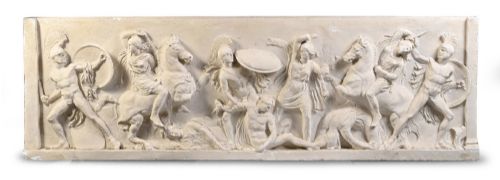
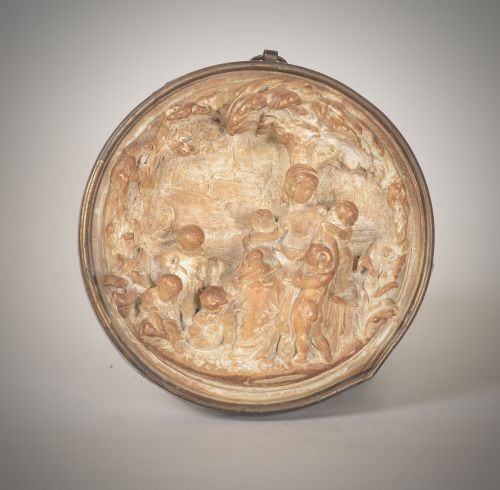
When searching for antique classical plaques, buyers encounter wall panels, medallions, chargers and relief sculptures drawn from ancient Greek and Roman mythologies. These decorative objects decorate walls and cabinets, taking inspiration from Grand Tour souvenirs and classical revivals.
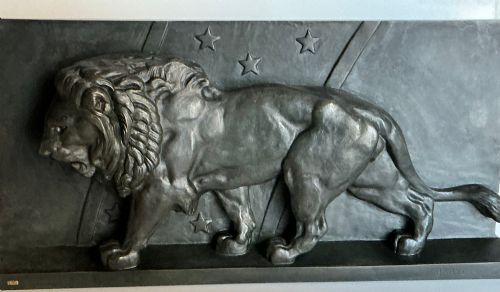
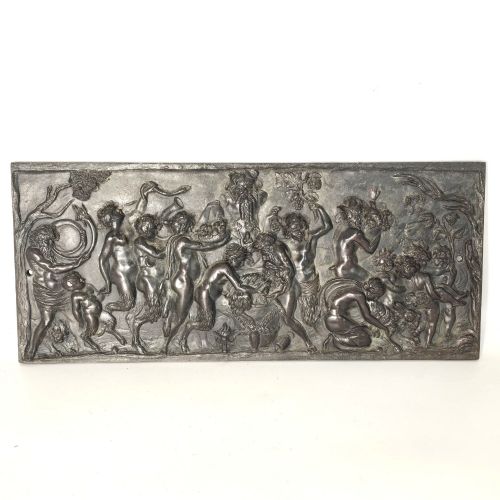
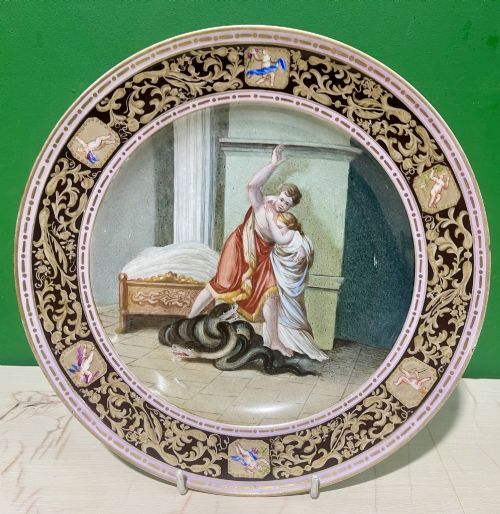
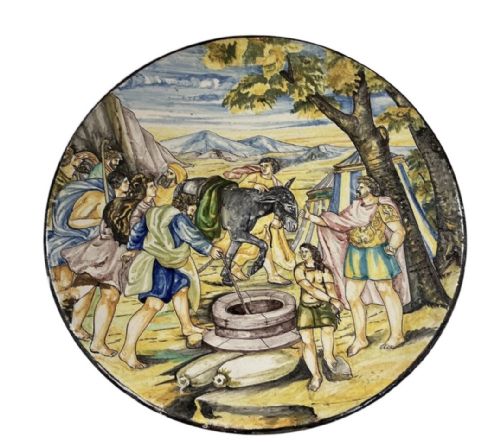
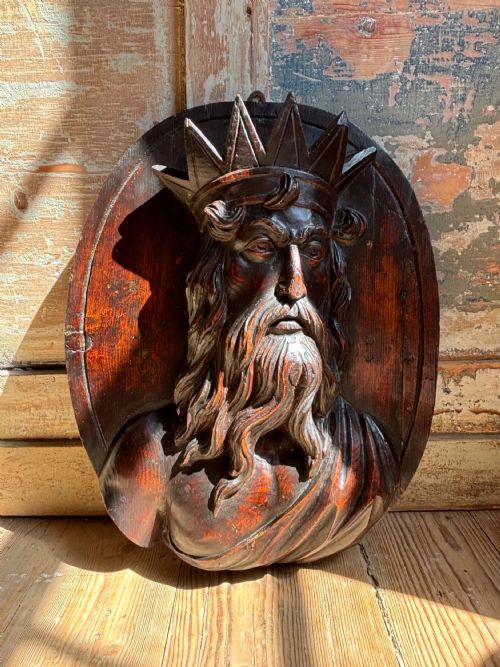
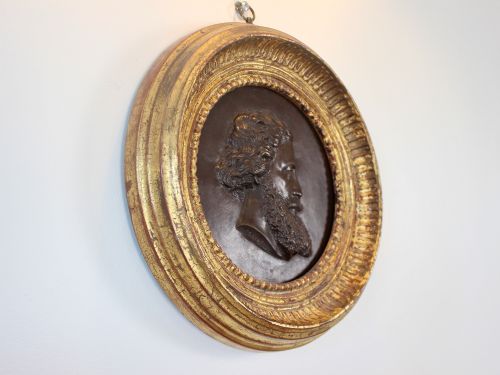
The most common examples on this page date from the nineteenth century, including Vienna porcelain chargers depicting classical narratives and cast bronze profile reliefs. Pieces range from small marble medallions to large carved wooden panels depicting figures such as Neptune and Bacchus.
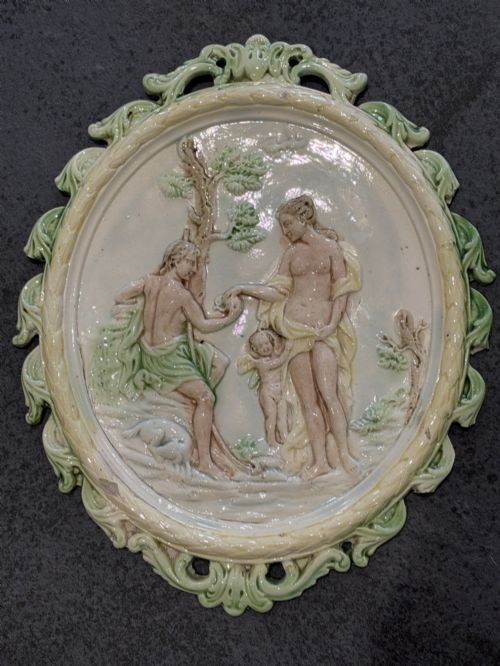
Subjects frequently derive from classical literature, historical battles and divine pantheons, executed in materials spanning porcelain, terracotta, maiolica and metal. They reflect European enthusiasm for classical antiquity across successive nineteenth-century revival movements.
How they were made
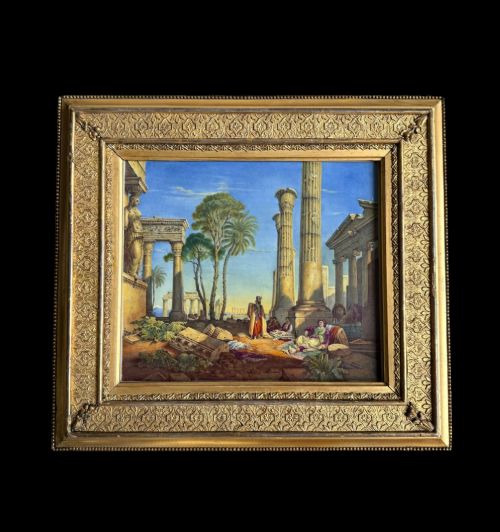
Porcelain plaques and chargers, notably from Vienna and English factories, rely on meticulous hand-painting and high-temperature firing, often enriched with gilding. Ceramic wall pieces also include tin-glazed maiolica and moulded earthenware tiles.
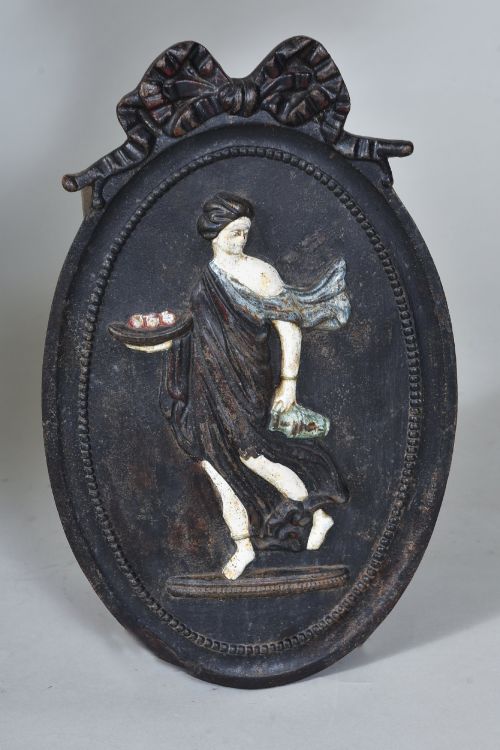
Metal items utilise casting, repousse and electrotyping techniques, producing relief portraits in bronze, brass, copper and silver plate. Workshops shape copper and brass into decorative dishes and shields with raised classical motifs.
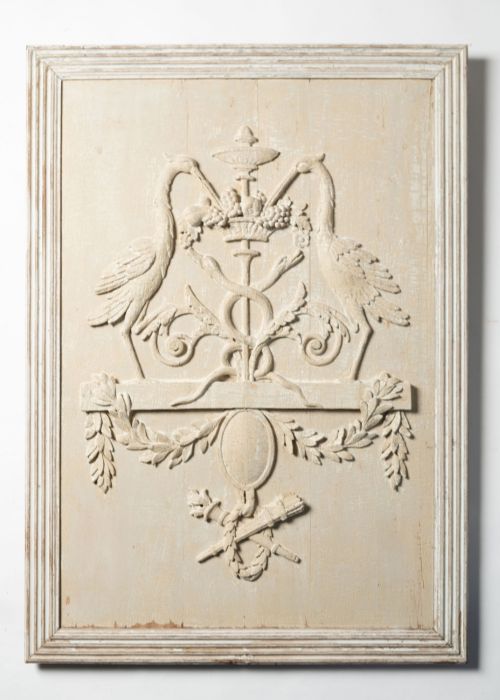
Carved works depend on skilled hand-chiselling in wood, ivory and white marble, alongside moulded plaster and marble dust composites. Artisans shape these dense materials to achieve sharp profiles and deep figurative reliefs.
Antique Classical Plaques Retail Price Guide 2026
Typical asking prices for classical plaques among the pieces listed under this phrase on Sellingantiques today, from the lower quarter to the upper quarter. They describe what is for sale here now, not the wider market.
Listings feature materials spanning porcelain, bronze, enamel, wood, plaster, brass, ceramic and gold leaf.
What varies in quality
The integrity of the material and the crispness of the chasing on bronze or silver-plated electrotypes indicate workshop competence. Original framing and mounting, particularly on Grand Tour ivories and Wedgwood cameos, preserve the integrity of the piece.
Carlhian and Corbiere·Elkington and Co·Lamb of Manchester·Mainfroy·Sherwin and Cotton·Smith Beck and Beck·Thorvalsen Workshop·WMF
The Antique Classical Plaques Glossary
- Grand Tour
- A nineteenth-century cultural journey undertaken through Europe by wealthy young men to collect classical antiquities and souvenirs. These trips generated a market for carved ivories, plaster reliefs and bronze reductions.
- Charger
- A large decorative plate or dish intended for display on a wall or sideboard rather than for dining. Nineteenth-century examples often feature elaborate classical and mythological painted scenes.
- Repousse
- A metalworking technique where the artisan hammers metal from the reverse side to form a raised design in relief. This method appears on copper and brass plaques and shields.
- Electrotype
- A replica of an object created through an electrolytic deposition of metal onto a mould, popular in the nineteenth century for reproducing metalwork. Elkington and Co produced notable examples.
- Istoriato
- A style of tin-glazed earthenware decoration depicting narrative historical or mythological stories across the entire surface of the vessel. It is found on Italian maiolica chargers.
- Putti
- Depictions of plump, winged infant figures, often resembling cupids or cherubs, common in Renaissance and neoclassical art. They frequently accompany mythological figures on bronze and porcelain plaques.
Antique Classical Plaques: Frequently Asked Questions
How were antique classical plaques displayed?
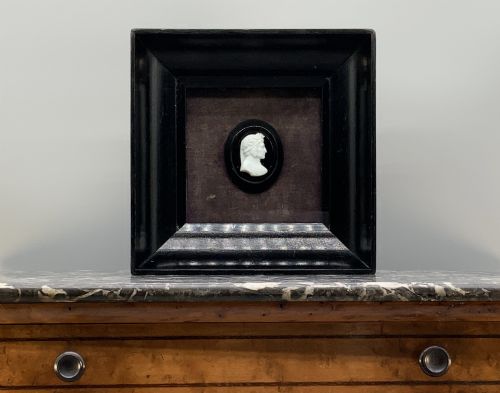
Most wall plaques and chargers were hung directly on walls or mounted within dedicated wooden frames to decorate libraries, drawing rooms and galleries. Smaller cameos and ivory portraits were often set into velvet-lined display cases or worn as personal ornaments.
Larger chargers stood upright on sideboards or within breakfront credenzas alongside other porcelain and metal display pieces. Their primary function was visual enrichment rather than practical utility.
What materials are common in these plaques?
Porcelain is widely represented, particularly through painted chargers and trays produced by European factories depicting mythological narratives. Bronze, brass and copper appear as cast or repousse reliefs of classical deities and profile portraits.
Other common materials include carved white marble, ivory, wood, plaster and ceramic tiles. Each medium offers a distinct texture for conveying neoclassical sculptural detail.
How do I identify a Grand Tour piece?
Grand Tour souvenirs typically comprise small, portable items such as carved ivory profile portraits, marble plaques and plaster relief casts. They were acquired by travellers visiting ancient sites in Italy and Greece during the nineteenth century.
These pieces often depict well-known classical sculptures, emperors or mythological subjects designed to fit easily into luggage. Their backs frequently show mounting evidence from nineteenth-century framing.
What is the difference between a charger and a tray?
Chargers are large, ornamental plates designed strictly for vertical display on walls or resting against furniture backs. They provide a broad circular canvas for complex painted historical scenes or relief sculptures.
Trays generally feature raised rims and handles or flat bases intended for holding smaller items, though larger examples share similar decorative classical paintings. Both forms serve primarily to showcase elaborate mythological artwork.