
Antique Cityscape Artwork
Antique cityscape artwork captures bustling streets, winding canals, and iconic monuments across centuries of urban development.
Antique Cityscape Artwork
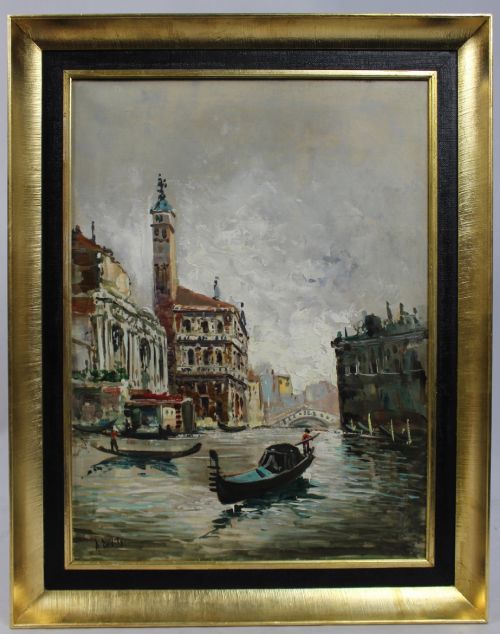
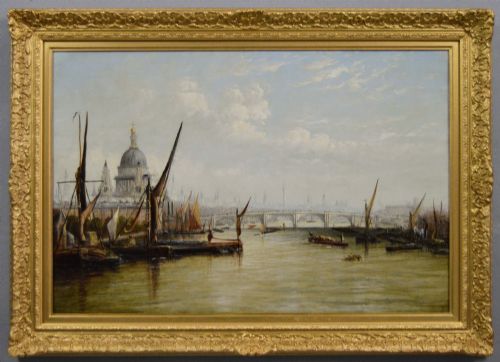
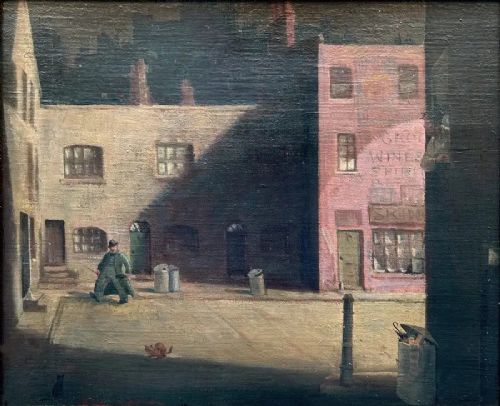
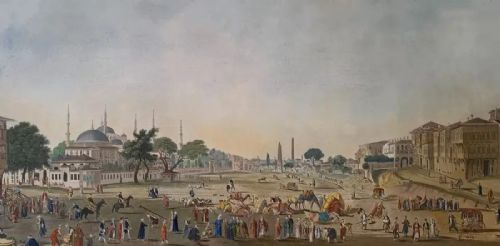
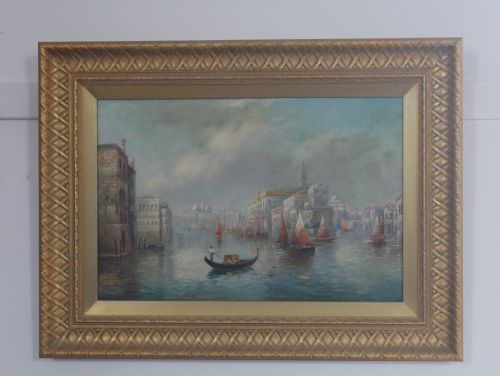
When searching for antique cityscape artwork, collectors encounter a diverse range of urban views spanning from the Georgian and Victorian eras through to the mid-twentieth century. These pieces record the historic architecture, riverways, and street life of major global locations, most notably London, Venice, Paris, and Prague.
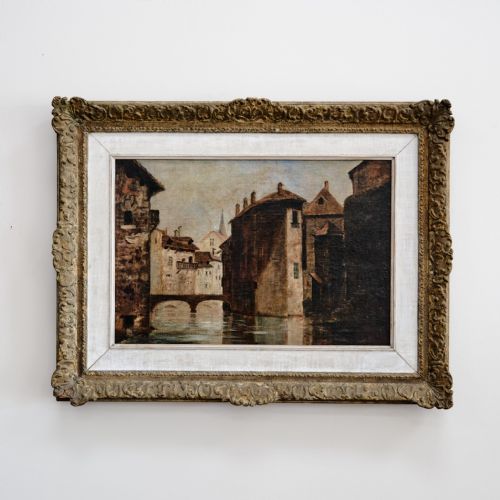
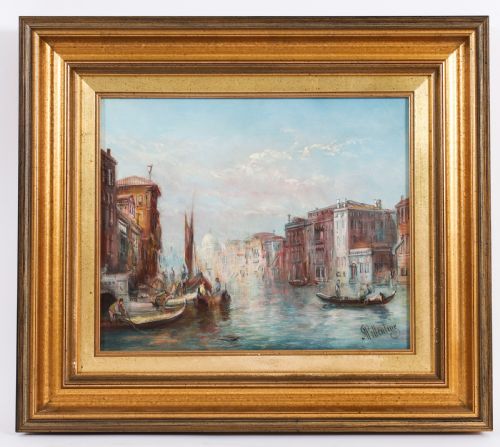
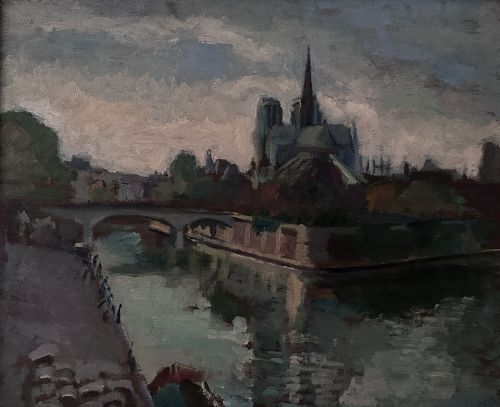
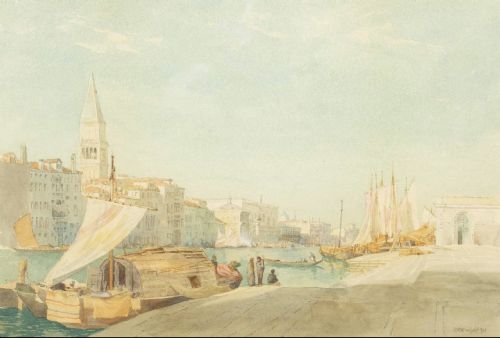
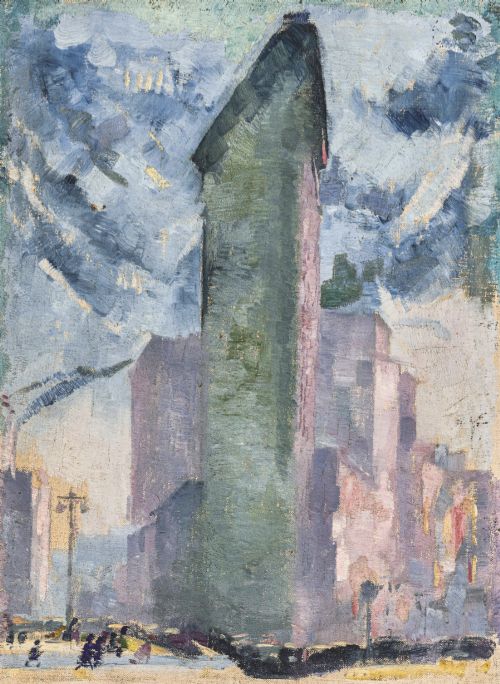
The selections on this page are predominantly oil paintings on canvas and board, alongside delicate watercolours on paper and period engravings. Buyers will frequently find framed works depicting specific European capitals, river bridges, and grand cathedrals executed in styles ranging from romanticism to post-impressionism.
Materials and methods of production
Artists creating these urban scenes relied heavily on oil paint applied to stretched canvas or wooden panels, building up rich textures to render stone facades, rippling water, and atmospheric skies. Watercolours applied to paper were similarly common for capturing bright, immediate impressions of city squares during architectural travels.
The framing of these artworks often involves period giltwood or wood mouldings that complement the visual weight of the paintings. Etchings and prints utilise hand-colouring techniques on paper to bring architectural line work to life with subtle washes.
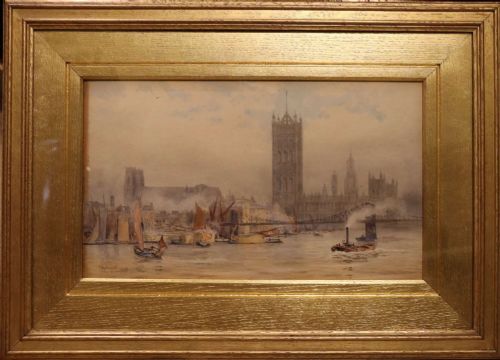
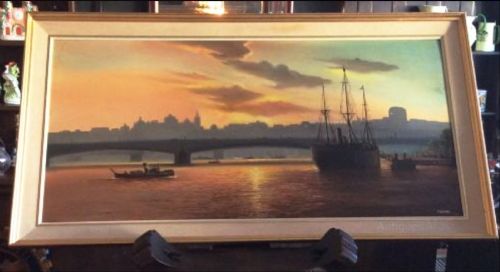
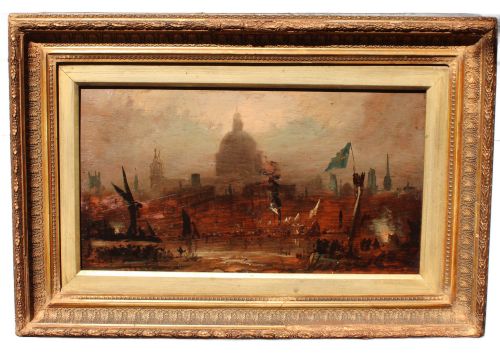
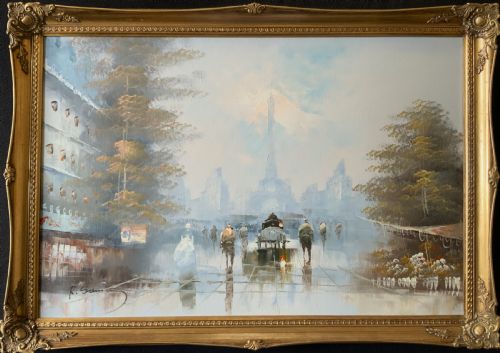
Several Victorian artists evidently found immense inspiration in the rainy, atmospheric commute over London's historic bridges.
Factors determining quality
The distinction between standard works and exceptional pieces rests upon the artist's ability to capture light, perspective, and the kinetic energy of street life or architecture. Skilled handling of brushwork and spatial depth transforms a simple topographical record into a compelling visual document.
Provenance and documentation also elevate certain works, particularly when a painting bears a signature from a recognised painter or links to specific historical exhibitions and Grand Tour travels.
H. Medlycott·Augusto Alberici·Alfred Pollentine·Francis Moltino·Richard Henry Wright·Francisco Sancha·Anton Ignaz Melling·Alfred Wolmark·Victor Gabriel Gilbert·Fred Lawson·Charles James Lauder·Cornelis Christian Dommersen·Claude Jousset·Frederick Tully Lott·William George Meadows·Lewis J Wood
The Antique Cityscape Artwork Glossary
- Oil on Canvas
- Pigments bound in a drying oil medium applied to a stretched woven fabric support. This combination allows for deep colour saturation and layered textures.
- Watercolour
- A paint consisting of colourants suspended in a water-soluble vehicle, typically applied to paper. It yields transparent washes that capture light and atmosphere quickly.
- Giltwood
- Wood carved and coated with gold leaf or a gold-coloured finish. This material is standard for high-status antique frames surrounding fine art.
- Post-Impressionism
- An art movement extending Impressionism while rejecting its limitations, focusing on more symbolic content and heavier structural brushwork.
- Grand Tour
- A traditional trip of Europe undertaken by upper-class European young men of means, producing a strong demand for topographical artwork and architectural views.
Antique Cityscape Artwork: Frequently Asked Questions
How do I date a cityscape artwork?
Dating typically relies on architectural clues, costume details of figures within the scene, and framing methods. Signatures, artist life dates, and stretcher frame construction further help narrow the era.
Paper stock, canvas types, and handwritten inscriptions on the reverse of the work provide additional chronological markers for the collector.
Where were these urban scenes displayed?
Original owners generally hung these artworks in drawing rooms, studies, and formal parlours of substantial townhouses and country estates. They served as conversation pieces reflecting travels or civic pride.
Many pieces were also collected as mementos by travellers returning from continental excursions during the nineteenth and early twentieth centuries.
How should I care for antique watercolours?
Watercolours on paper demand protection from direct sunlight to prevent fading of the pigments and degradation of the paper substrate. Maintaining stable humidity levels prevents foxing and mould growth.
Displaying works away from direct heat sources and utilising museum-grade UV-filtering glass ensures long-term preservation of delicate pigments.
What is the difference between an oil study and a finished painting?
An oil study is typically a quicker, smaller execution painted directly from life to capture light conditions or compositional ideas. Finished paintings show more refined detail and studio elaboration.
Collectors often prize oil studies for their immediacy and loose, expressive brushwork compared to formal exhibition pieces.