



Antique Cistern
An antique cistern brings historic utility into modern interiors, functioning as a striking focal point crafted from period metals and dense timbers.
Antique Cistern
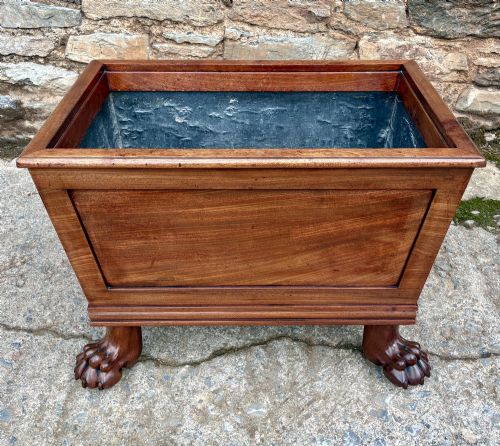
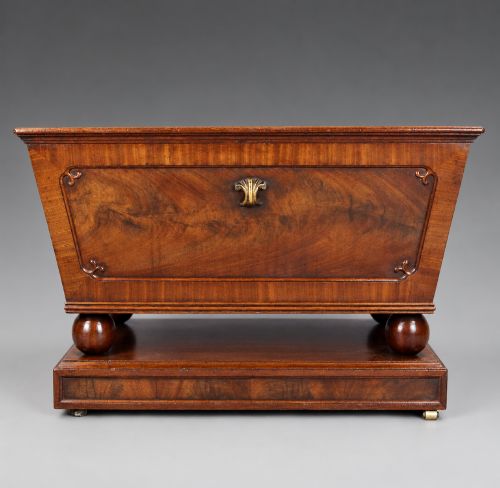
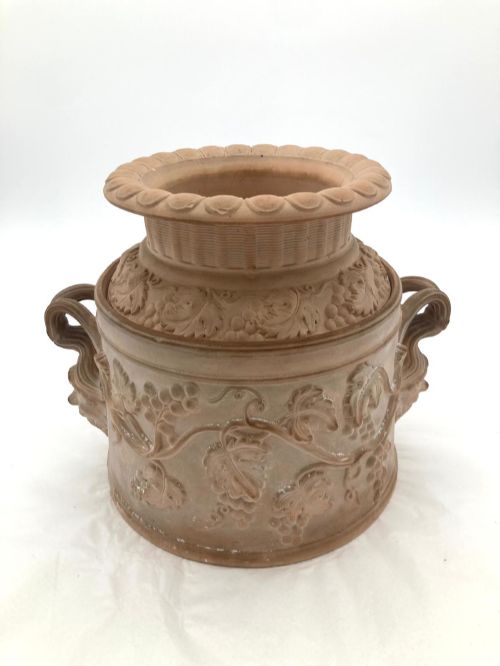
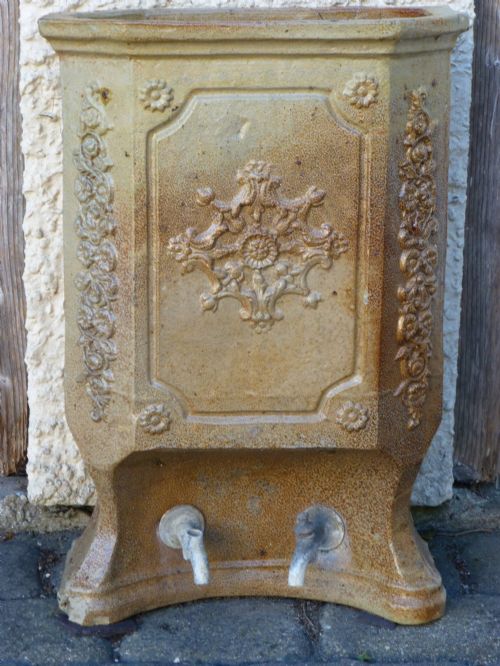
An antique cistern encompasses water filtration units, wall-mounted household basins, and monumental marble vessels originally designed for storage or cooling. When buyers search for an antique cistern, they encounter large containers made from stone, copper, and earthenware dating from the eighteenth and nineteenth centuries. The pieces listed in this category bridge domestic utility and decorative arts, appearing alongside related wine coolers and water fountains from the same eras.
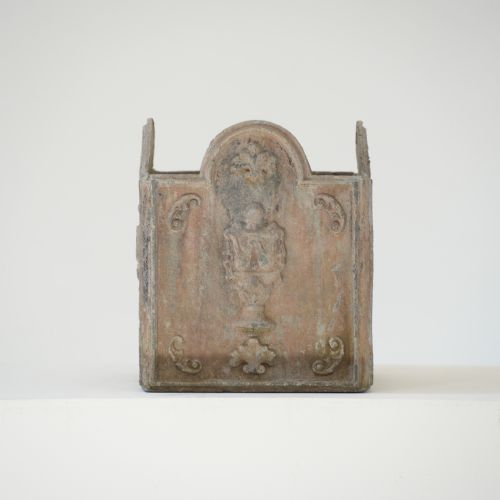
Most examples originate from Georgian and Victorian workshops, utilising substantial materials built to withstand moisture and heavy use. French provincial and English domestic spaces generated these vessels for daily sanitation, dining, or estate management. Buyers frequently find chestnut cabinets housing original pewter basins, alongside marble or lead planters adapted from earlier water receptacles.
Materials and construction
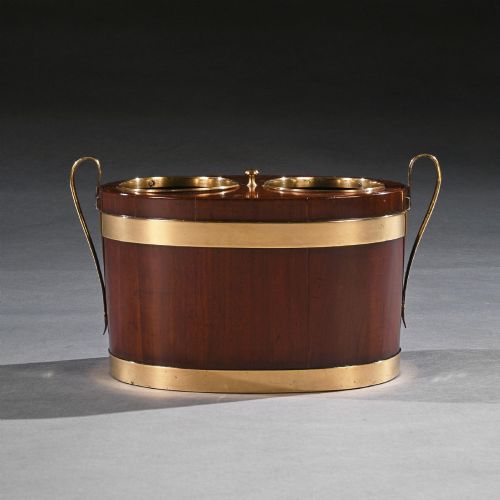
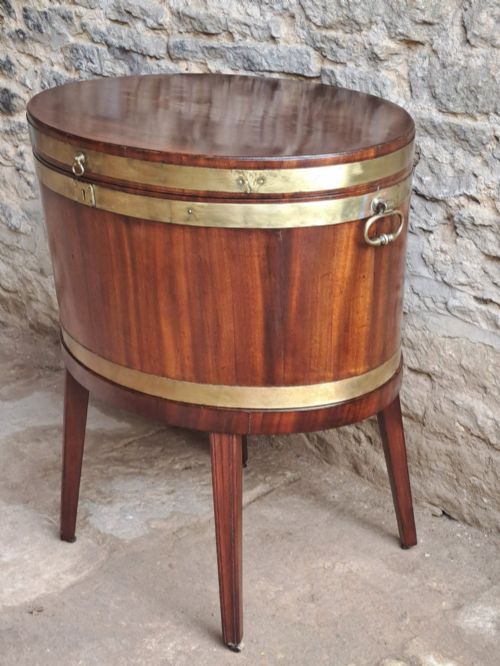
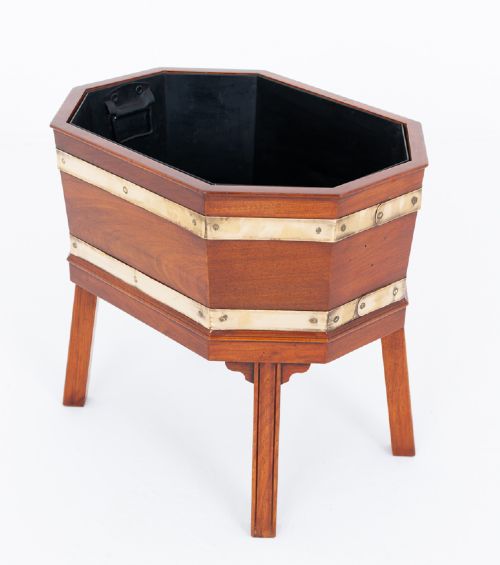
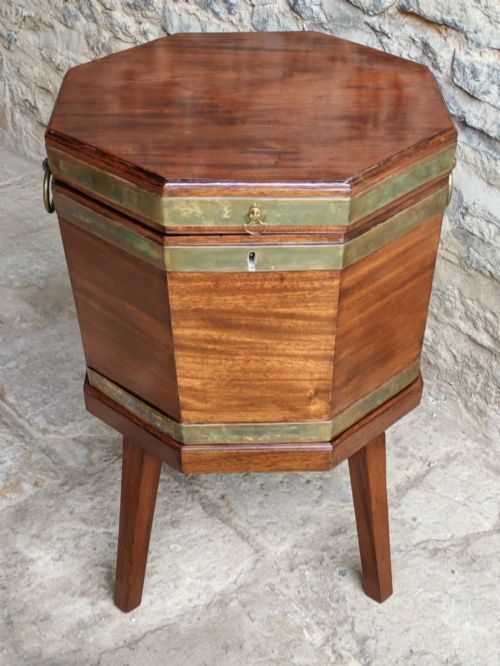
Cabinet makers utilised dense hardwoods such as mahogany, walnut, and satinwood to house metal linings, employing coopered stave construction for liquid-holding vessels. Brass bands, mounts, and handles reinforced these wooden frames, securing the heavy lead or copper interiors necessary for holding water and ice. Stoneware, salt-glazed terracotta, and Carrara marble formed the heavier, non-wooden containers.
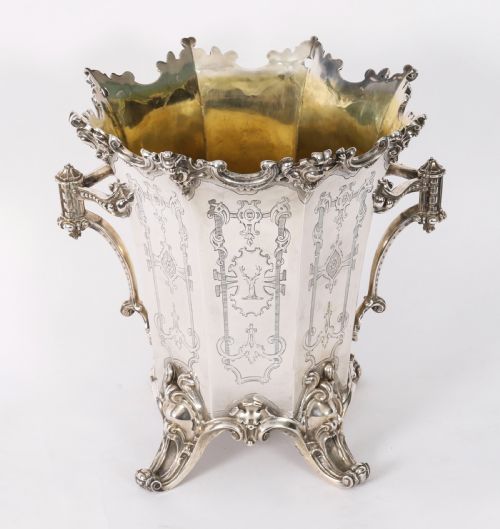
Metalworkers hammered and soldered sheet copper and pewter to shape internal basins and hanging wall urns, while silversmiths applied plate over base metals for dining service items. Stoneware bodies received salt glazes fired at high temperatures to ensure impermeability, whilst marble cisterns relied on hand-carved neoclassical detailing.
Antique Cistern Retail Price Guide 2026
Typical asking prices for cistern among the pieces listed under this phrase on Sellingantiques today, from the lower quarter to the upper quarter. They describe what is for sale here now, not the wider market.
Recorded periods span the Georgian era, the nineteenth century, the Victorian epoch, and the early twentieth century up to the nineteen-twenties.
Assessing craftsmanship and condition
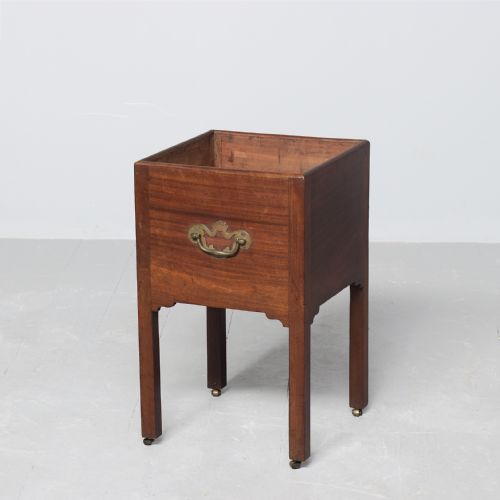
The distinction between standard utility items and exceptional pieces rests upon the integrity of the original linings, mounts, and stands. Superior vessels retain their matching wooden stands, contemporary brass banding, and untouched interior metals without modern replacements.
Carved detailing, such as neoclassical marble relief work or precise mahogany inlay, separates provincial workshop output from pieces commissioned for prominent townhouses. The thickness of the timber staves and the purity of the metal components dictate the longevity and structural stability of each vessel.
Elkington Mason And Co·George Adams·Blunt
The Antique Cistern Glossary
- Coopered
- Constructed from curved wooden staves bound together with metal hoops, much like a barrel. This technique ensured watertight integrity for wine coolers and water vessels.
- Lavabo
- A wall-mounted washing basin paired with a cistern for personal ablutions or kitchen use. These arrangements typically include a spigot and a catching basin.
- Pewter
- A malleable metal alloy composed chiefly of tin with copper and antimony, utilised for interior linings and basin manufacture. It resisted corrosion from standing water.
- Salt-glazed stoneware
- Pottery fired at high temperatures with salt thrown into the kiln, producing a durable, pitted surface finish. This material successfully held liquids without leaking.
Antique Cistern: Frequently Asked Questions
How do I clean a metal cistern liner?
Copper, brass, and pewter linings require gentle washing with warm water and mild soap to preserve their historic patination. Abrasive cleaners strip the aged surface and damage the soft metals.
Dry the metal thoroughly after cleaning to prevent spotting or active corrosion. Natural oils can be applied sparingly to protect copper and brass from atmospheric oxidation.
How do I distinguish between an 18th and 19th-century cistern?
Eighteenth-century examples frequently exhibit restrained George III mahogany and brass-bound joinery with heavy timber staves. The joinery relies on hand-cut dovetails and pegged construction typical of Georgian cabinet making.
Nineteenth-century pieces often incorporate Victorian revival styles, machine-rolled metals, or denser decorative marquetry. Stoneware and terracotta versions from this later period show industrial manufacturing advancements.
Can these vessels hold water safely?
Original metal linings and historic soldered joints frequently develop micro-fractures over centuries of use. Testing the vessel for leaks before indoor placement prevents water damage to surrounding floors.
Many collectors insert a modern waterproof liner inside the historic shell to protect the antique timber and metalwork. This method allows safe usage for plants and floral arrangements without risking the original structure.