


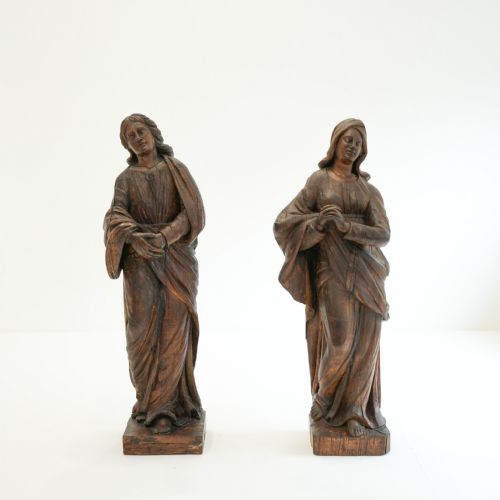


Antique Church Wooden Figure
An antique church wooden figure brings centuries of devotion, dramatic carving and historic ecclesiastical presence directly into a domestic interior.
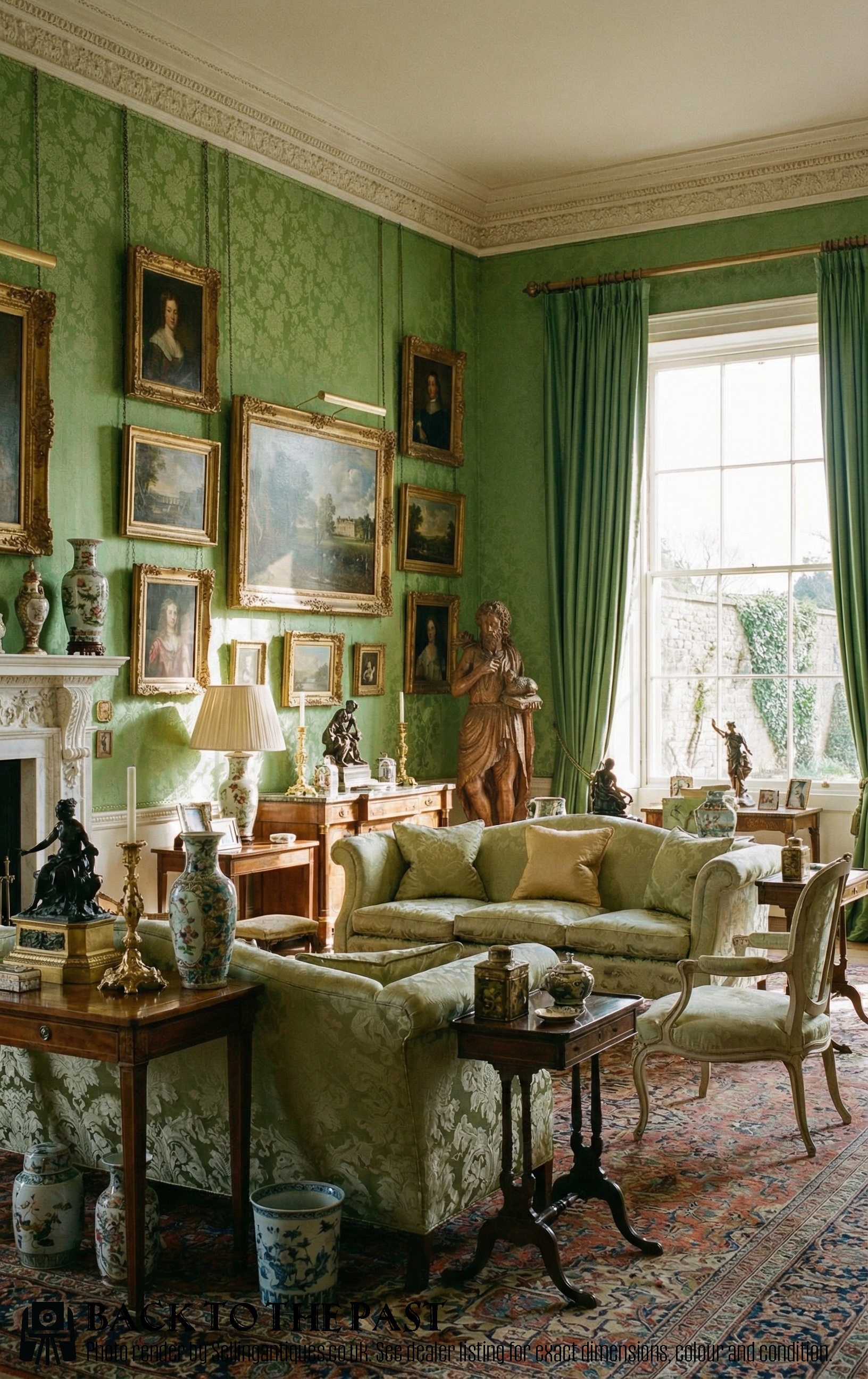
Antique Church Wooden Figure
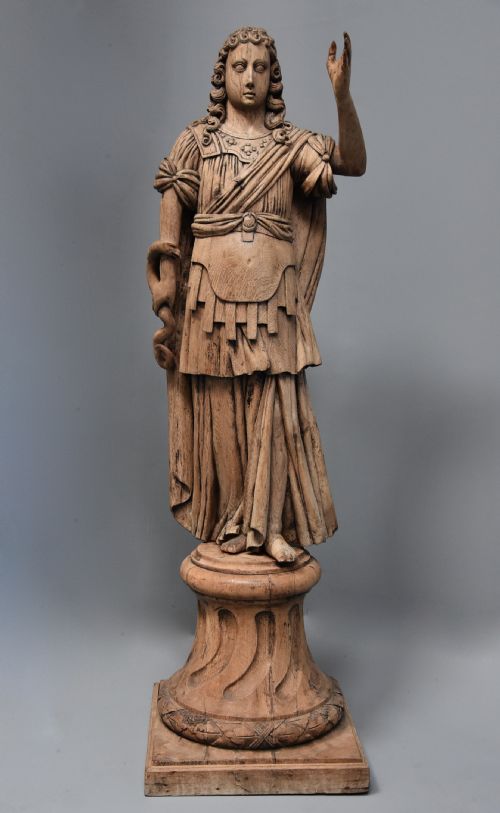
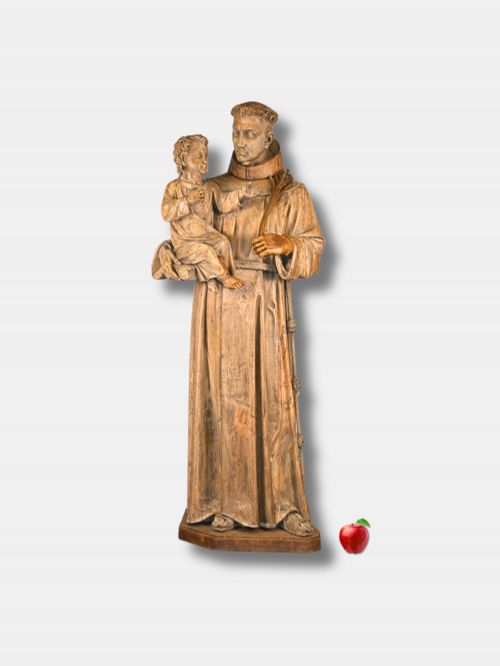
An antique church wooden figure represents saints, angels, biblical figures and donors created for spiritual spaces from the pre-medieval period through the nineteenth century. Buyers encounter carved saints, processional figures, and devotional groups originating from workshops across continental Europe, including France, Italy, Spain and Germany.
Many of these pieces bear traces of their original liturgical function, having once stood in churches, private chapels and altars before entering the antique market. Oak, pine and limewood provide the primary structural forms for these religious sculptures.
How they were made
Carvers shaped these figures primarily from solid blocks of oak, pine, limewood and general hardwoods, working with chisels and gouges to create expressive drapery and anatomical detail. Oak dominates the earlier medieval and Gothic works, while softer timbers like pine and limewood appear in later continental examples.
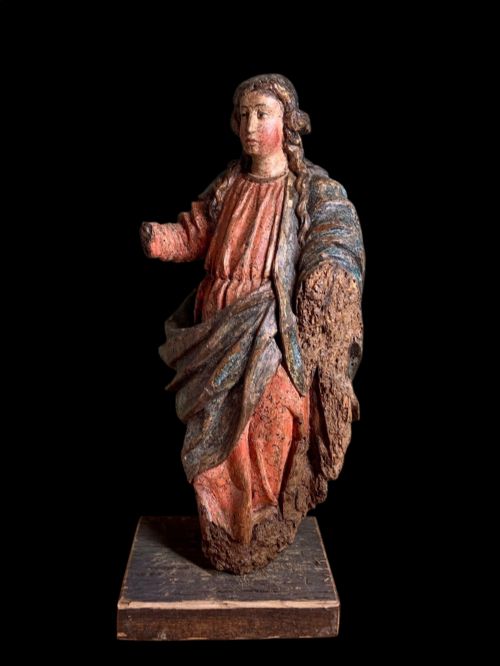
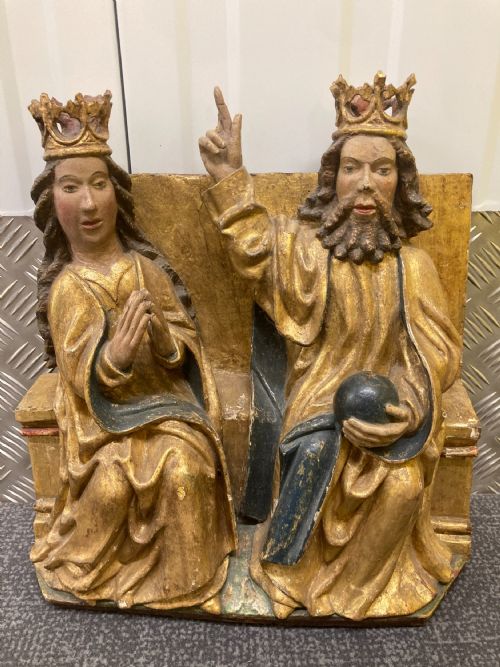
Surfaces were frequently finished with layers of gesso to create a smooth ground for polychrome paint, metallic leaf and giltwood finishes. Pigments and gold leaf brought realism and devotional splendour to saints, angels and figures of Christ.
Materials recorded in the inventory include solid oak, limewood, pine, gesso and gold leaf.
What varies in quality
The survival of original surface treatments, such as early polychrome paint and genuine gilding, dictates the visual integrity and historical depth of a piece. Later overpainting or stripped timber alters the original character established by the maker.
The Antique Church Wooden Figure Glossary
- Polychrome
- Painted in several colours. This surface treatment was applied over gesso to give realistic skin tones and coloured garments to religious sculptures.
- Giltwood
- Wood that has been covered with thin sheets of gold leaf. It creates a reflective, luminous surface often seen on figures of the Virgin Mary and angels.
- Capipote
- A Spanish devotional figure with a carved head and hands attached to a framework dressed in real fabric vestments. They were often used in processions.
- Santos
- A carved figure representing a saint or holy person, originating from Catholic traditions. These statues served as central foci for domestic and processional devotion.
- Gesso
- A plaster mixture applied to wood surfaces as a base for paint and gold leaf. It allowed carvers to refine details before applying colour.
Antique Church Wooden Figure: Frequently Asked Questions
Where did these church figures originate?
These figures originated across continental Europe, with notable pieces coming from workshops in France, Italy, Spain, Germany and the Low Countries. They were commissioned for churches, abbeys and private devotional spaces.
Over centuries, many were removed from their original ecclesiastical settings during periods of redecoration or secularisation, eventually entering private collections and the antique trade.
How do I care for an antique wooden figure?
Keep wooden sculptures away from direct heat sources, direct sunlight and rapid changes in humidity to prevent timber from splitting or paint from flaking. Gentle dusting with a dry, soft brush is usually sufficient for maintenance.
Avoid using liquid cleaners, polishes or modern chemical treatments, as these can damage fragile gesso layers and historic polychrome paint surfaces.
How can I tell the period of a carved figure?
Dating relies on stylistic clues such as the cut of the drapery, facial expressions, and the structural construction of the timber. Gothic and medieval figures often feature rigid, linear folds, while Baroque and later pieces show theatrical movement and dynamic posture.
Material choice also provides context, as dense oak typifies early northern European work, while limewood and pine are more common in later continental productions.
What is the difference between a processional figure and a static statue?
Processional figures, such as Santos and capipotes, were designed to be carried during religious festivals and often feature lighter construction, specialised stands, or articulated limbs. Some relied on wooden frameworks covered with real textiles.
Static statues were carved entirely from solid timber to occupy a fixed position in a church niche, altarpiece or wall bracket.