



Renaissance Wooden Sculpture
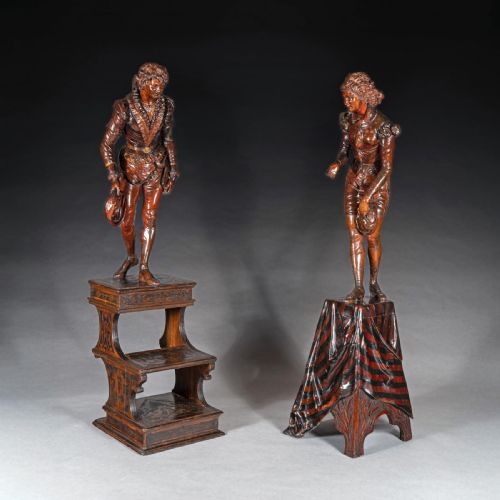
When you search for renaissance wooden sculpture, you uncover historical carved figures, panels, and pedestals shaped from oak, walnut, and limewood.
Renaissance Wooden Sculpture
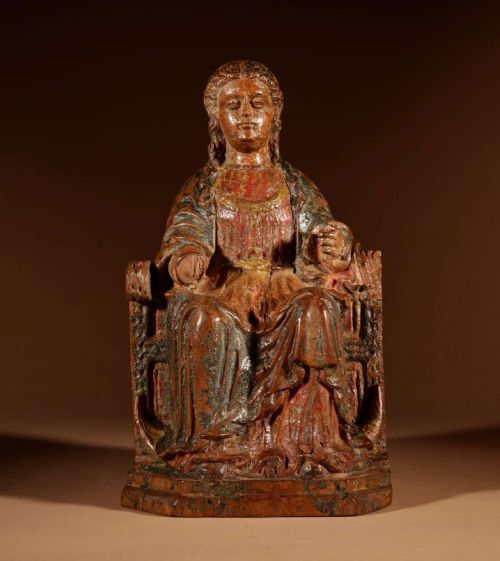
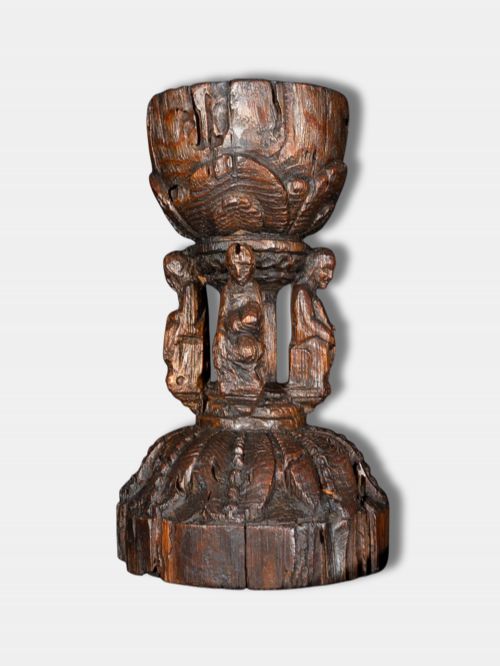
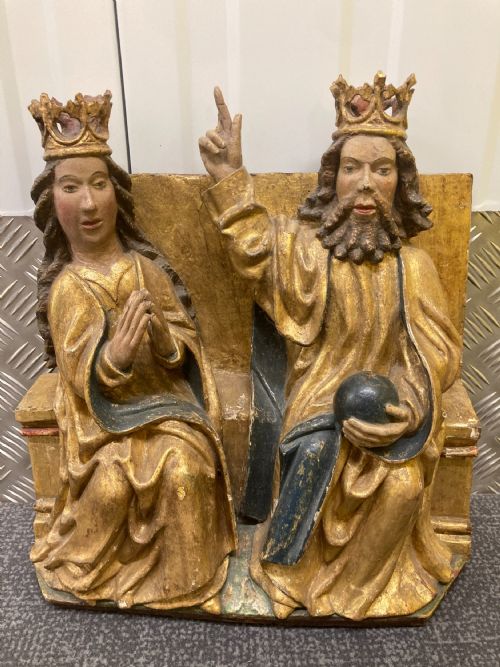
Renaissance wooden sculpture encompasses religious figures, saints, madonnas, architectural fragments, and decorative pedestals originating primarily from sixteenth-century workshops alongside nineteenth-century revival interpretations.
Buyers encounter period pieces spanning the sixteenth and seventeenth centuries, as well as later nineteenth-century revival items produced in oak, walnut, and limewood.
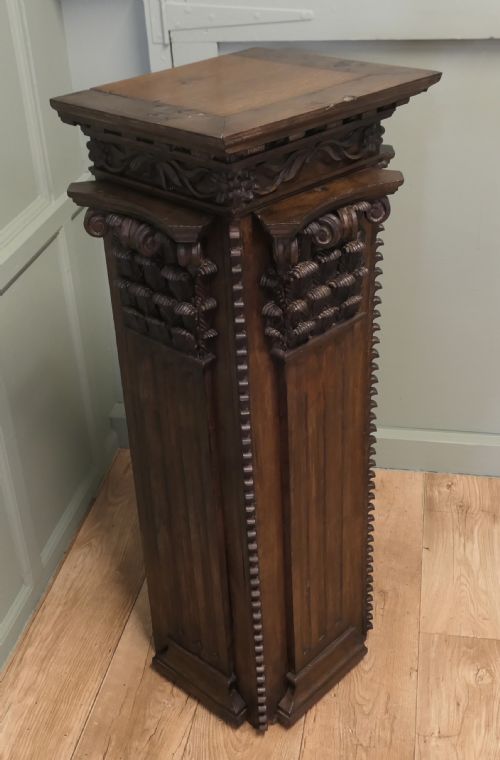
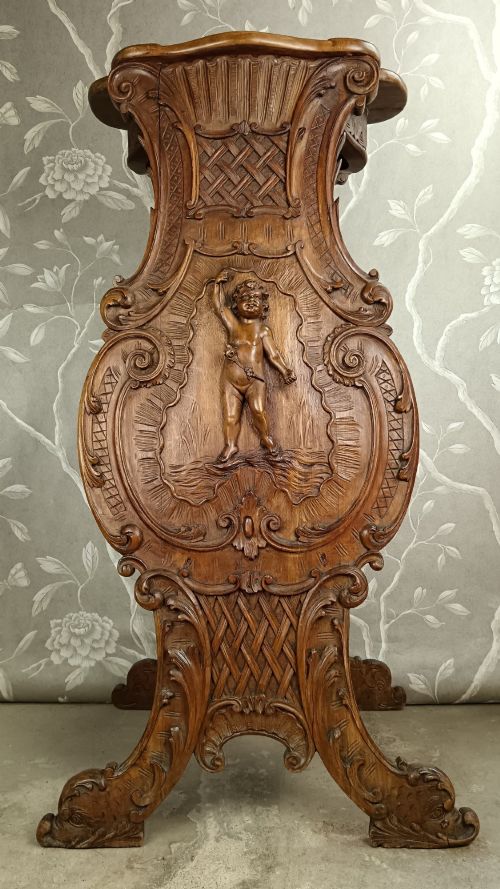
The selections include freestanding figures, relief panels, caryatids, and display columns created across Italy, France, Flanders, and Germany.
What varies in quality
The standard of carving execution dictates the quality, observed in the crispness of drapery folds, facial expression detail, and the naturalism of anatomical forms.
Survival of original surface treatments, including historical polychrome paint and gilding, heavily influences the standing of a piece compared to later stripped or refinished surfaces.
Listings feature woods including oak, walnut, limewood, ebony, and amboyna, alongside decorative applications of gold leaf, gesso, and polychrome paint.
Valentino Besarel·LUIGI FRULLINI
The Renaissance Wooden Sculpture Glossary
- Polychrome
- Painted in several colours. This finish is frequently found on sixteenth-century religious figures.
- Gesso
- A plaster mixture applied as a base for paint or gold leaf. It creates a smooth ground on wooden carvings.
- Caryatid
- A sculpted female figure serving as an architectural support. These appear on furniture and display stands.
- Giltwood
- Wood decorated with gold leaf applied to the surface. It adds a reflective quality to religious carvings.
- Term
- A pedestal tapering downwards, topped with a bust or figure. They serve as decorative stands for sculpture.
Renaissance Wooden Sculpture: Frequently Asked Questions
How do I identify a sixteenth-century piece?
Sixteenth-century works typically display dense grain structures in oak or walnut, combined with hand-carved tool marks consistent with period bench work.
Subject matter often focuses on religious iconography like saints and madonnas, frequently retaining traces of early gesso and polychrome decoration.
What is the difference between period and revival pieces?
Period carvings originate directly from the sixteenth and seventeenth centuries, bearing the authentic wear and structural ageing of active historical use.
Revival pieces date to the nineteenth century, reflecting later Victorian and continental interpretations of earlier Renaissance and Gothic styles.
Where should I display a wooden sculpture?
These sculptures suit placement on dedicated wooden display pedestals, columns, or sturdy furniture surfaces away from direct heat sources.
Stable indoor humidity levels help preserve the integrity of historical hardwoods and applied gesso finishes.
Why do some sculptures have painted surfaces?
Makers originally applied gesso and polychrome paint to bring religious figures to life for devotional settings and church interiors.
Survival of these pigments provides vital evidence of historical decoration styles and workshop practices.