



Antique Church Painting
An antique church painting captures the solemnity and architectural heritage of sacred buildings, offering buyers a window into historic rural and urban landscapes.
Antique Church Painting
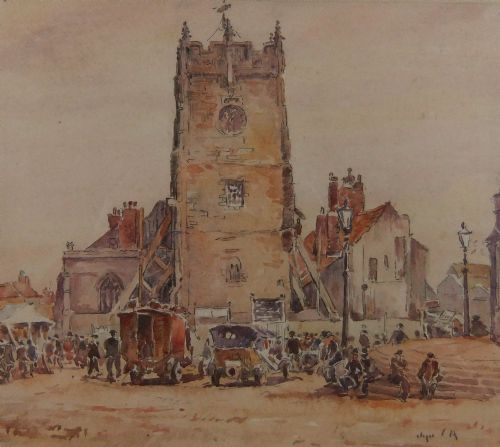
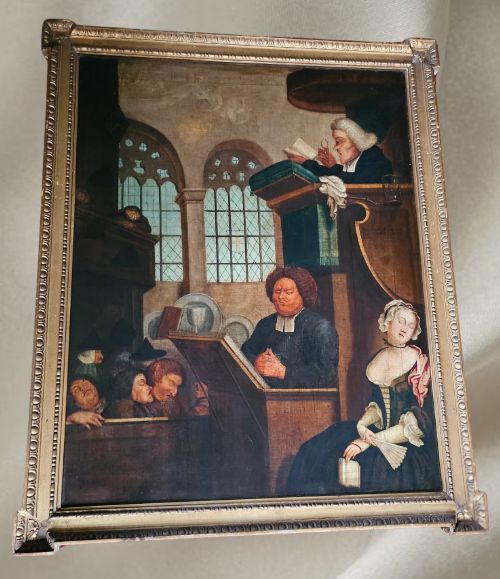
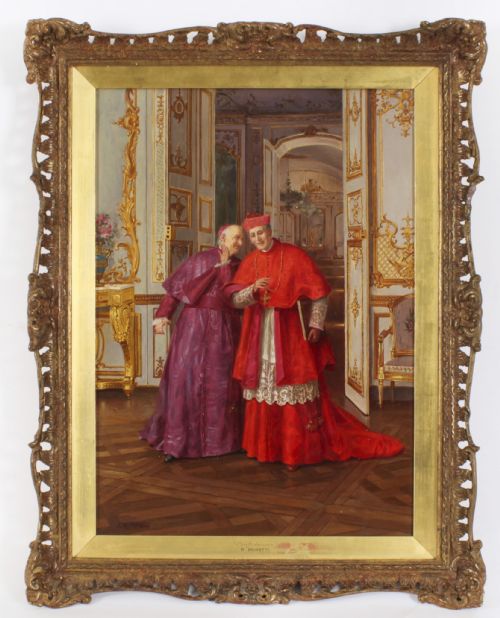
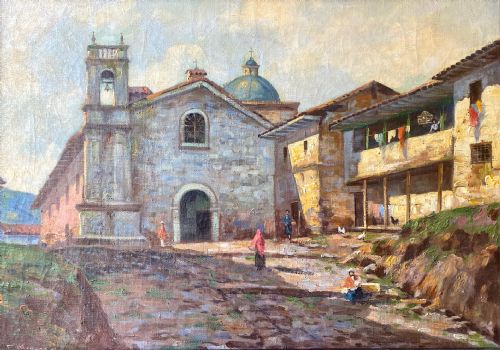
When searching for an antique church painting, buyers typically encounter works executed in watercolour, oil on canvas, or oil on board dating from the eighteenth century through to the early twentieth century. These pieces encompass detailed studies of Gothic cathedrals, crumbling abbeys, and modest village parishes set within broader British and European landscapes.
The selection ranges from naive folk art depictions and architectural interior scenes to topographical watercolours documenting specific historic locations such as York, Whitby, and various rural parishes. Many of these artworks were created by regional artists capturing local topography, while others reflect broader academic traditions of landscape painting.
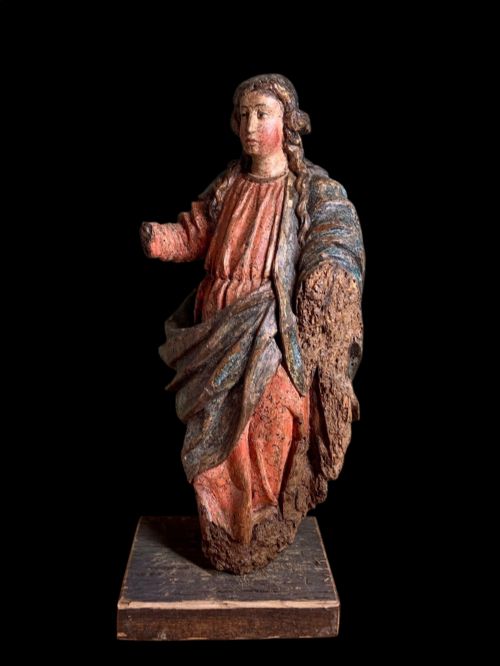
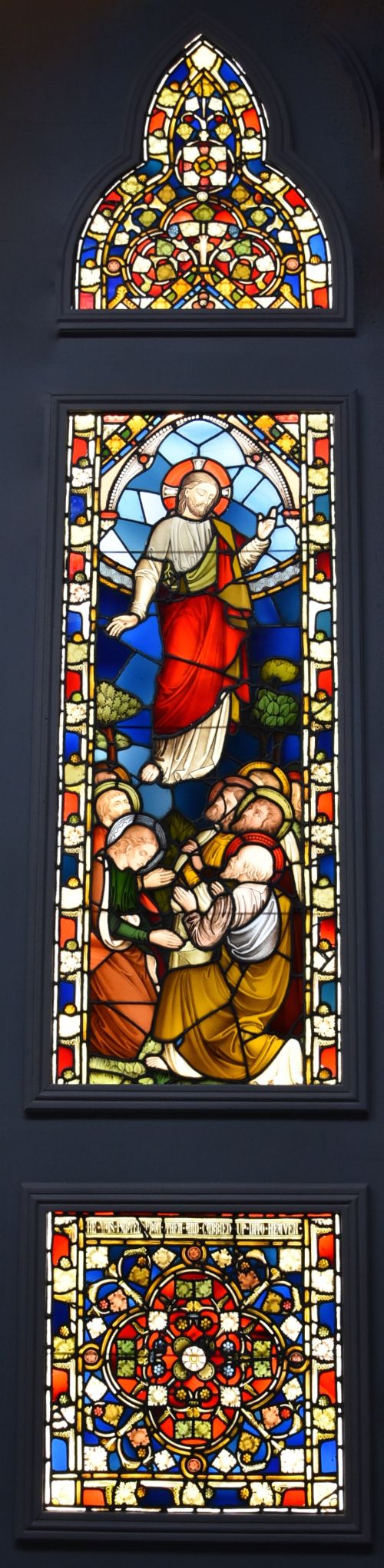
Alongside framed canvases and paper works, the broader category includes related devotional pieces and architectural elements such as icons, carved wooden figures, and painted panels originating from various European traditions.
How They Were Made
Painters relied upon traditional supports including stretched canvas, wooden boards, and heavy rag paper, applying layered oil pigments or fluid watercolour washes to achieve depth in architectural stonework and natural light.
Works on wood panels often incorporated tempera or oil mediums, sometimes enhanced with gold leaf and silver elements, particularly within Russian Orthodox icons and liturgical fixtures.
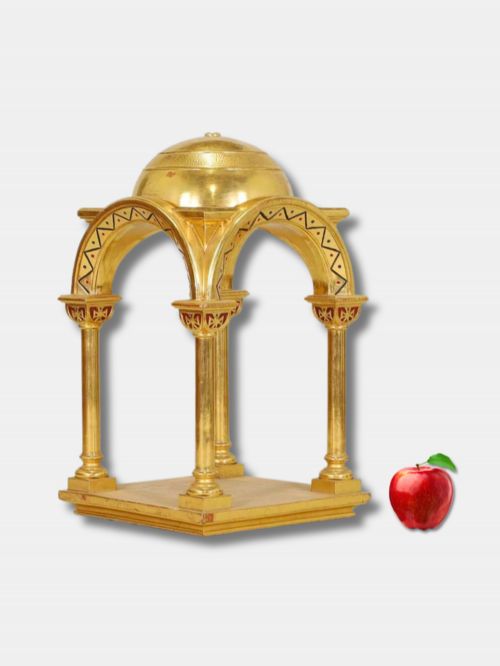
Framing techniques matched the period, utilising substantial wooden mouldings, giltwood tabernacles, and period frames that frequently formed an integral part of the piece's presentation.
Listings feature works spanning the eighteenth, nineteenth, and early twentieth centuries, executed in oil, watercolour, and tempera.
What Varies in Quality
The strength of a composition and the artist's ability to render perspective accurately, particularly in complex architectural settings like cathedral interiors and arched window views, separates proficient works from simpler regional examples.
The preservation of the original medium - such as the stability of oil on canvas, the minimal fading of watercolour pigments, and the intact state of polychrome paint on carved wood - determines the visual integrity of the surviving piece.
Provenance and documentation, including legible signatures, dated inscriptions, and identifiable local subject matter, add historical weight to individual artworks.
William Greaves·John Edward Bale·Eugène Galien Laloue·Michael Dahl
The Antique Church Painting Glossary
- Watercolour
- A painting method in which the paints are made of pigments suspended in a water-based solution. These works are typically executed on paper supports and mounted under glass.
- Oil Painting
- An artwork created using pigments bound with a medium of drying oil, commonly applied to canvas or wood boards. This technique allows for rich colour blending and textured brushwork.
- Gothic Revival
- An architectural and artistic style beginning in the mid-eighteenth century that draws inspiration from medieval design. Pieces in this style frequently feature pointed arches and ornate tracery.
- Icon
- A devotional painting of a holy figure or religious scene, traditionally executed on wood panels using tempera and gold leaf. These items stem from Eastern Christian traditions.
- Diptych
- A painting or carving consisting of two flat plates or panels joined together by a hinge or placed side by side. They often display complementary religious scenes.
- Provenance
- The chronology of the ownership, custody, or location of a historical object. Documented provenance helps verify the authenticity and history of an artwork.
Antique Church Painting: Frequently Asked Questions
What subjects appear in these paintings?
Artworks frequently depict identifiable English and European cathedrals, ruined abbeys, and rural parish churches situated within local landscapes or townscapes.
Other compositions focus on sombre church interiors, candlelit architectural studies, and historic street scenes adjacent to places of worship.
How were these artworks displayed historically?
Many oil paintings and watercolours were housed in substantial period giltwood or wooden frames intended for domestic display in nineteenth-century parlours and drawing rooms.
Devotional panels and icons served personal prayer functions or formed parts of larger liturgical furnishings within ecclesiastical settings.
How do I care for an antique painting?
Keep works on paper and canvas away from direct sunlight and fluctuating humidity levels to prevent pigment fading and support degradation.
Maintain stable indoor environmental conditions and avoid using liquid cleaners on exposed painted surfaces or gilded frames.
How can I identify the age of a piece?
Examine the materials used, such as the weave of the canvas, the composition of the paper, and the style of the wooden stretcher or frame backing.
Artist signatures, dated inscriptions on the reverse, and stylistic markers tied to specific nineteenth or early twentieth-century movements also help establish chronology.