
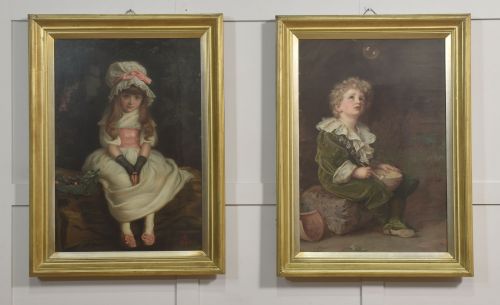
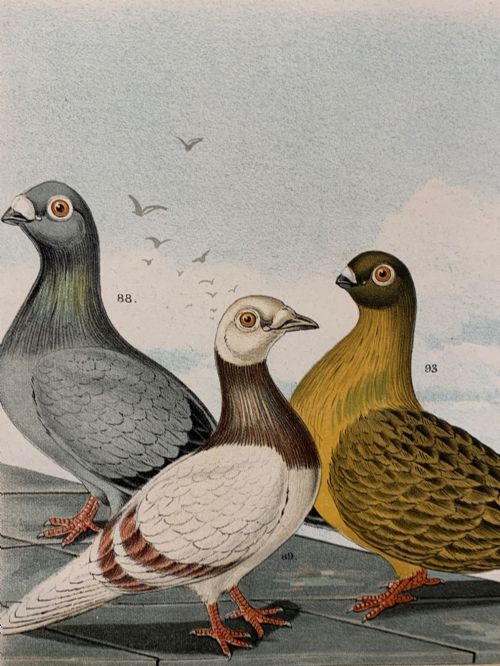
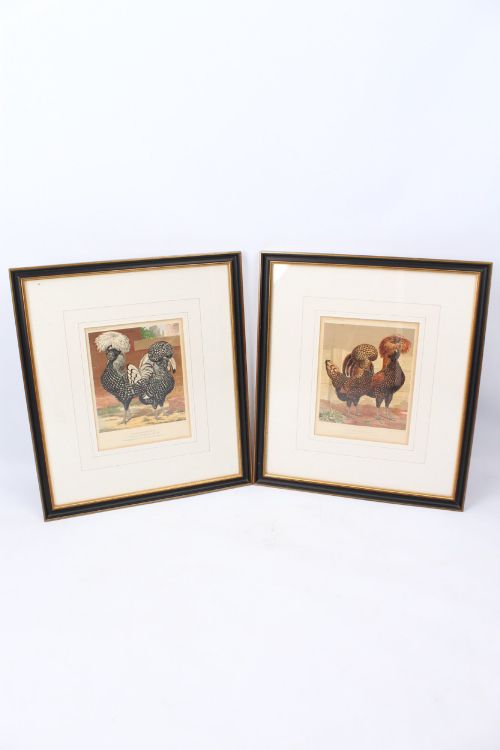
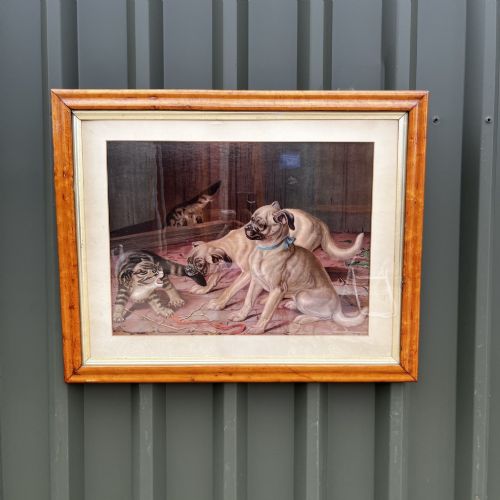




Antique Chromolithograph
An antique chromolithograph brings rich colour and layered depth to a wall, offering a tangible piece of nineteenth and early twentieth century print history.
Antique Chromolithograph
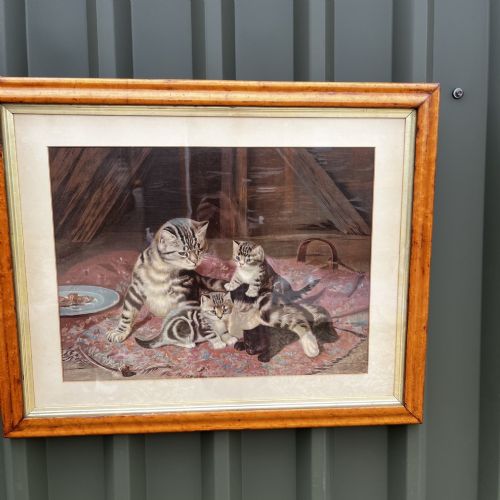
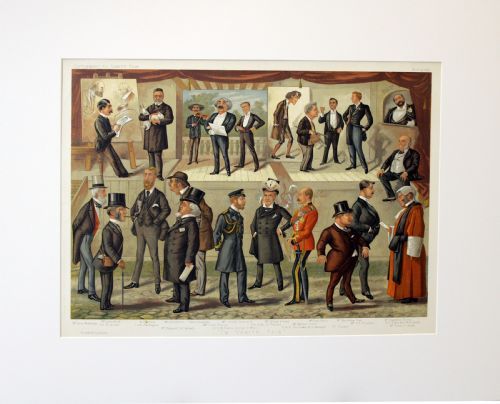
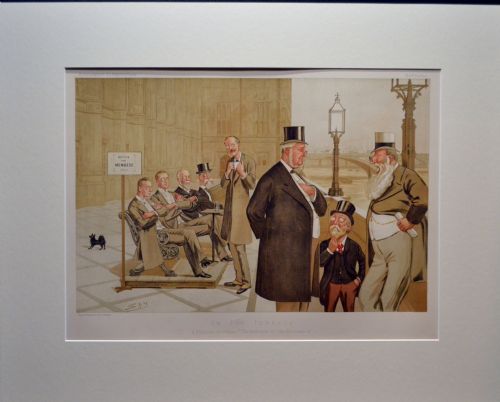
When you search for an antique chromolithograph, you encounter a distinct form of multi-coloured planographic printing that reached its commercial and artistic peak during the Victorian and Edwardian eras. These pieces capture subjects ranging from botanical studies and domestic animal scenes to satirical periodical plates and faithful reproductions of Renaissance frescoes.
The versions you meet on this page appear in various formats, including framed wall art, advertising supplements from annuals, and double-page periodical spreads. Origin styles span British sporting art, nineteenth century French compositions, Renaissance Revival, and decorative botanical plates.
Collectors find these works in diverse settings, housed in period frames of wood or oak, often finished with gold leaf, gilt, or mount board. They provide a direct window into the commercial and fine art publishing methods of the nineteenth and early twentieth centuries.
What varies in quality
Quality in an antique chromolithograph depends upon the precision of the stone registration, which dictates how cleanly the individual colour layers align across the paper sheet. Finer examples retain vivid pigment saturation and subtle tonal gradations without the muddy blurring caused by misaligned plates.
The publisher and artist involved also influence distinction, as specialised societies and skilled draughtsmen employed more complex palettes and finer ink mixtures. The integrity of the original paper stock, alongside the preservation of period frames and gold leaf accents, further separates standard output from exceptional specimens.
Pugs and cats rub shoulders with cricket captains and Victorian poultry on this page.
Arundel Society·Vanity Fair·Pears Soap·House of Wentzel
The Antique Chromolithograph Glossary
- Chromolithograph
- A multi-coloured print produced by applying successive layers of lithographic ink from separate limestone stones or metal plates.
- Chrystoleum
- A Victorian method of applying a transparent paper print to convex glass, then hand-colouring the reverse and backing it.
- Gilt
- A thin layer of gold or gold-like material applied to frames or directly onto the surface of certain prints for decorative emphasis.
- Mount board
- Heavy paperboard used to frame and support works of art on paper, keeping the sheet away from the protective glass.
Antique Chromolithograph: Frequently Asked Questions
What is an antique chromolithograph?
An antique chromolithograph is a multi-coloured print created using nineteenth-century lithographic techniques, where separate stones applied individual ink colours.
These pieces served as popular art reproductions, magazine supplements, and commercial advertisements during the Victorian and Edwardian periods.
How do I care for my print?
Protect the paper surface by keeping the framed piece away from direct sunlight and excessive moisture to prevent fading and foxing.
Ensure the backing remains secure and avoid hanging the artwork in areas subject to rapid temperature changes.
How are periods identified?
Periods are determined by the paper stock, printing style, publisher marks, and contextual subject matter typical of the nineteenth and early twentieth centuries.
Stylistic cues such as typography, framing materials, and specific periodical origins also help date the work accurately.
Were these used as advertisements?
Many publishers and manufacturers distributed large chromolithographs as annual gifts and commercial advertisements to promote household goods and periodicals.
These promotional plates were often framed and displayed in homes alongside traditional fine art prints.