


Antique Christ Figure
An antique christ figure carries centuries of devotion, carved in wood or modelled in earthenware to anchor domestic prayer or sacred space.
Antique Christ Figure
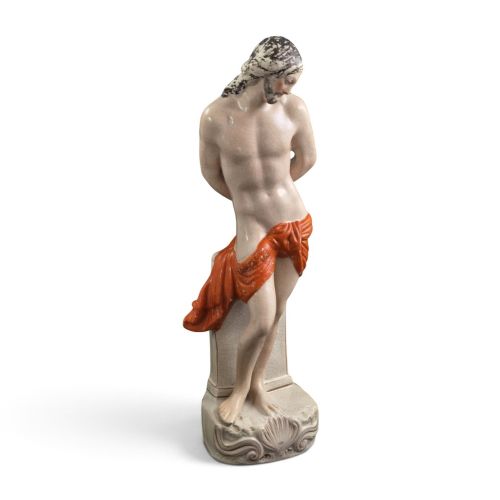
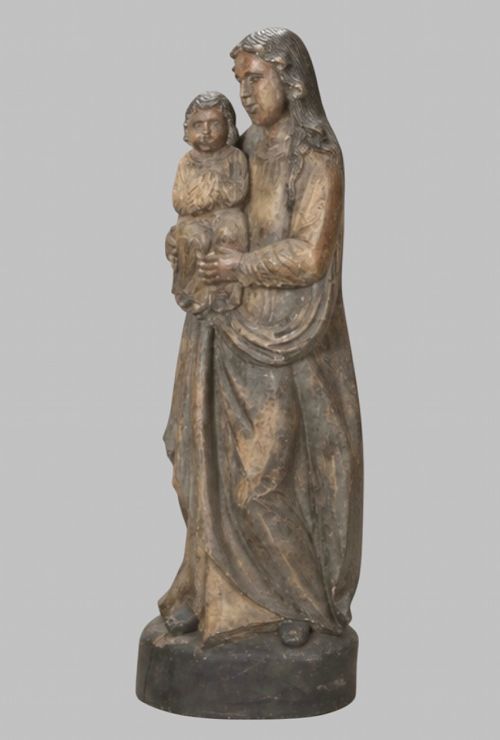
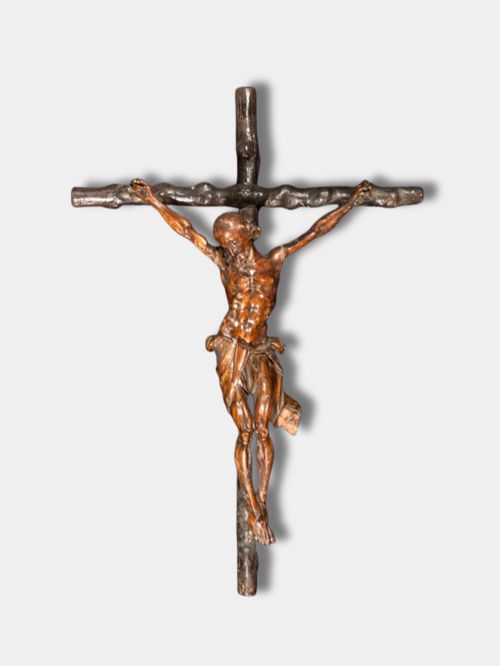
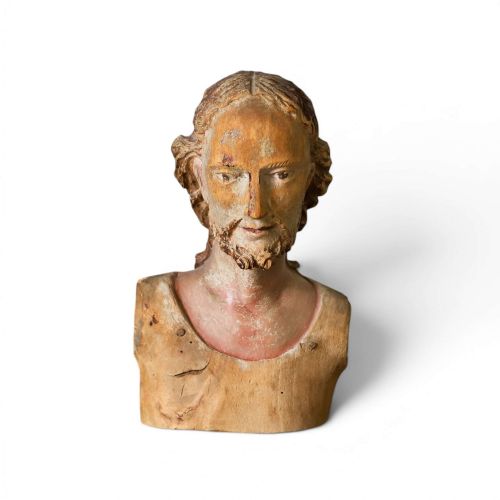
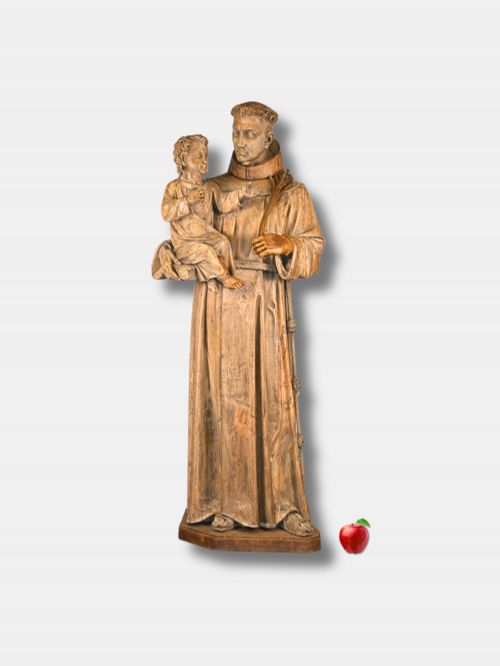
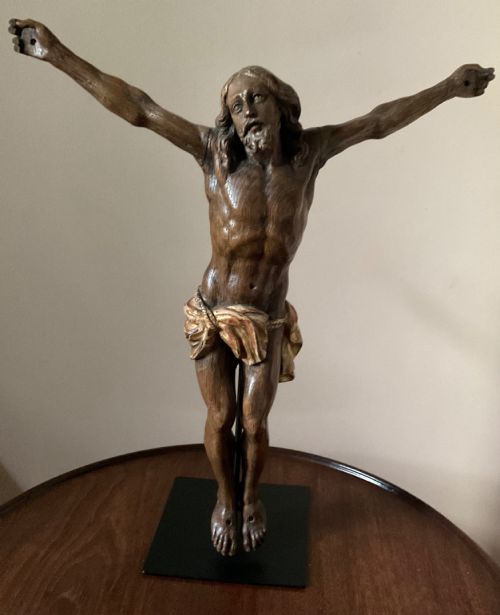
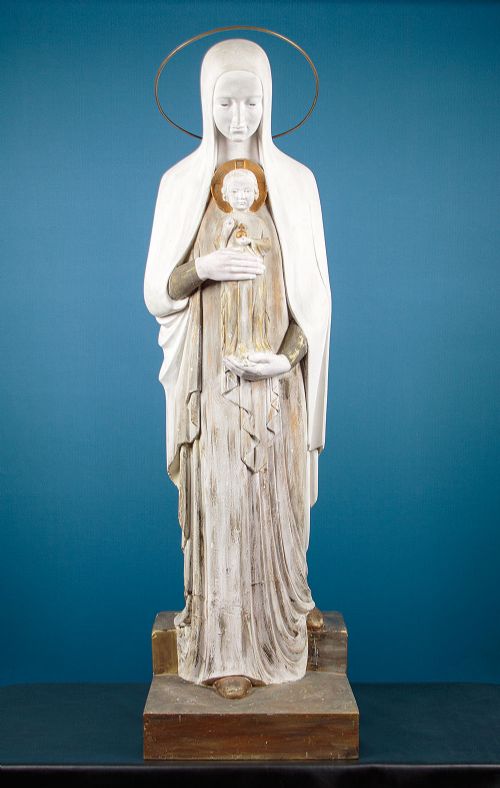
When you search for an antique christ figure, you encounter devotional sculptures spanning from the medieval period through the nineteenth century. These works take forms such as the corpus christi mounted on a cross, freestanding busts, and nativity figures depicting the infant or young child.
The selections on this page draw predominantly from seventeenth-century European workshops, alongside eighteenth-century regional carvings and Victorian earthenware. Pieces range from intimate domestic statues to life-size church carvings originating in France, Spain, Germany, and Italy.
The materials reflect the religious artistry of their respective eras, utilising carved timber, gesso, and glazed ceramic. Each figure embodies the stylistic shifts of its period, moving from Gothic solemnity to the expressive drama of the Baroque.
Materials and construction methods
Carvers shaped these figures from timbers such as oak, olive wood, pine, lindenwood, and fruitwood, often applying layers of gesso to smooth the grain before painting. Polychrome finishes brought realism to the sculpture through pigments and gilding that highlighted vestments and anatomy.
Potteries utilised earthenware and glazes for sculptural figures, shaping clay bodies by hand or in moulds before firing. Secondary mountings incorporated wooden crosses and metal elements to complete crucifixes and devotional displays.
The listings here feature carved wood, polychrome, oak, gesso, metal, earthenware, and glaze across Baroque, Gothic, and Victorian styles.
Distinguishing quality and execution
Quality rests in the anatomical precision of the carving and the emotional resonance captured in the facial expression. Master carvers imbued wood with tension and pathos, whereas lesser pieces relied on formulaic repetition.
The preservation of original polychrome paint and gilding elevates a piece, as later overpainting often obscures the early surface. The crispness of detail in the drapery folds and hair marks the distinction between standard workshop output and exceptional ecclesiastical sculpture.
Christian Nonne of Geisshübel·David Cox Jnr·Christian Georg Schütz·George Kemper
The Antique Christ Figure Glossary
- Corpus Christi
- The body of Christ depicted on a cross. This Latin term specifically isolates the figure from the cross itself.
- Polychrome
- Decorated in multiple colours. Artisans applied pigments to wood or gesso surfaces to create lifelike flesh tones and coloured garments.
- Gesso
- A plaster mixture applied to wood surfaces as a base for paint or gilding. It provided a smooth ground for delicate detail work.
- Pieta
- A subject depicting the Virgin Mary holding the dead body of Christ. This sculptural group appears frequently in medieval and Gothic art.
- Parcel Gilt
- Partially gilded with gold leaf. This technique highlighted specific areas of a wooden carving while leaving other painted surfaces exposed.
Antique Christ Figure: Frequently Asked Questions
How were these figures used originally?
These sculptures served as focal points for private devotion in homes or as central liturgical objects in churches and monastic chapels. They helped worshippers meditate on biblical narratives and sacred themes.
Larger pieces stood above altars or formed part of architectural church schemes, while smaller carvings travelled with clergy or belonged to private household shrines.
How do I care for antique wood carvings?
Keep wooden figures away from direct sunlight and heat sources to prevent the timber from drying out and splitting. Stable indoor humidity protects both the wood and any fragile gesso layers.
Dust the surface gently with a soft, dry brush. Avoid using liquid cleaners or polishes, which can damage historic paint and finishes.
How can I distinguish a Baroque figure?
Baroque sculptures display dynamic movement, expressive emotion, and dramatic treatment of drapery. Figures from this era often show twisting postures and deep undercutting in the wood.
In contrast, earlier Gothic works tend to feature more rigid vertical lines and restrained, solemn facial expressions.
Are these figures always made of wood?
While carved wood is the most common material found in these religious sculptures, some examples employ earthenware or ceramic glazes. Potters shaped devotional figures using clay during the nineteenth century.
Metal components also appear, frequently used for the structural crosses that support wooden corpus figures.