




Antique Chinoiserie Stool
An antique chinoiserie stool brings decorative painted lacquer, oriental motifs and distinctive seating forms into a room.
Antique Chinoiserie Stool
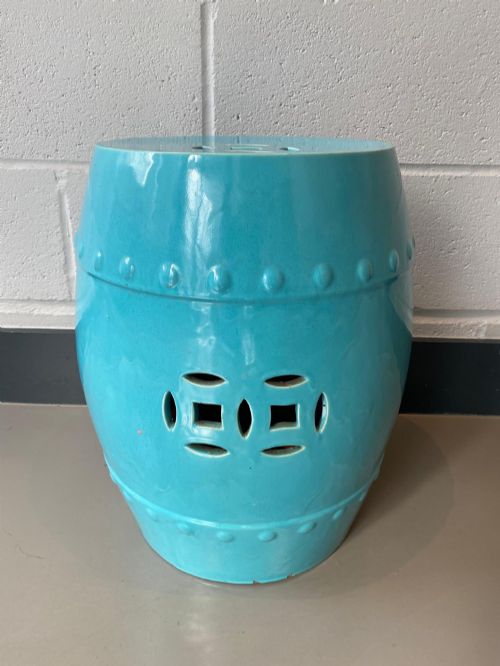
When you search for an antique chinoiserie stool, you encounter low seating forms alongside related garden seats, plant stands and side tables shaped by oriental influence. These pieces emerge from periods spanning the nineteenth century, the Victorian era, the Edwardian period and the early twentieth century.
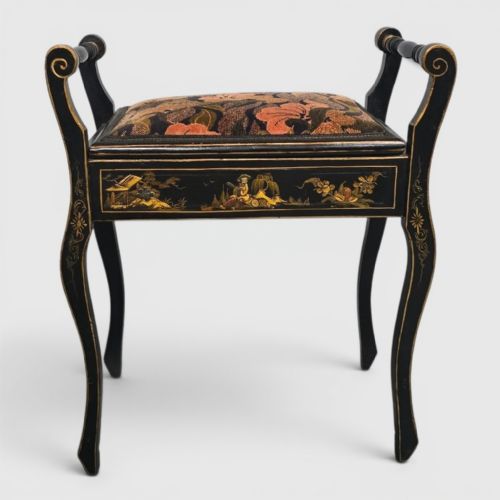
You are most likely to meet lacquered piano stools, footstools and occasional seating finished in black or red lacquer, often accompanied by ceramic garden seats and plant pedestals. The selection ranges from British adaptations featuring hand-painted decoration to Chinese export works created during the Qing Dynasty and Chinese Republic Period.
Makers such as Whytock and Reid and Minton contributed distinct examples, from upholstered piano stools to glazed earthenware and creamware garden seats. Forms vary from simple footstools to bamboo hall benches and silk-upholstered buttoned seats.
How they were made
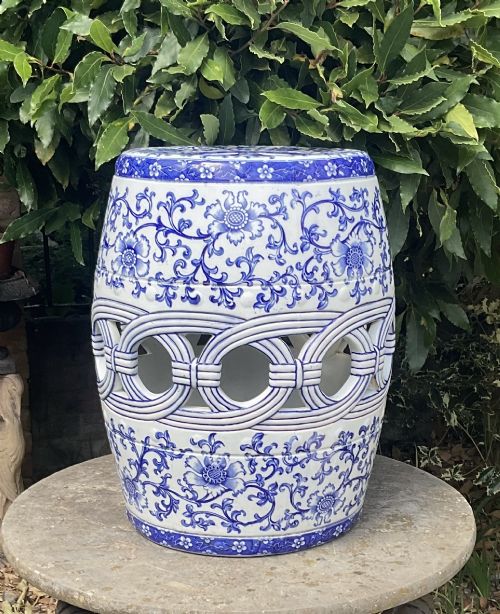
Wood serves as the primary base for lacquered stools, plant stands and hall benches, which receive multiple layers of lacquer and painted detail. Ceramic examples employ earthenware, creamware, ironstone and glaze, incorporating blue and white transfer printing or hand-painted enamel decoration like Rose Medallion.
Specialised techniques include clobbered decoration where earlier white and blue ceramics received overglaze enamel additions, alongside cloisonné and deep silk buttoning. Frames utilise timber construction, bamboo and turned wood supports paired with cane seats or fabric upholstery.
Antique Chinoiserie Stool Retail Price Guide 2026
Typical asking prices for chinoiserie stool among the pieces listed under this phrase on Sellingantiques today, from the lower quarter to the upper quarter. They describe what is for sale here now, not the wider market.
Listings feature items from the nineteenth century, the Edwardian period, and nineteen-twenty, utilising lacquer, ceramic, wood, and enamel.
What varies in quality
Quality rests in the execution of the hand-painting, the depth of the lacquer finish and the integrity of the underlying ceramic or wood structure. Finer pieces display crisp detail in oriental motifs and well-preserved enamel or lacquer surfaces.
The reputation of the maker, such as Minton or Whytock and Reid, distinguishes standard production from notable workshop output. Material choice, from robust ironstone and carved lacquer to delicate silk upholstery, defines the grade of each piece.
Whytock and Reid·Minton
The Antique Chinoiserie Stool Glossary
- Chinoiserie
- European decorative style reflecting Chinese artistic traditions through painted motifs, lacquerwork and imaginative scenes. This aesthetic appears across nineteenth-century furniture and ceramics.
- Creamware
- Light-coloured refined earthenware developed in England during the eighteenth century and continued into the nineteenth. It provided a smooth surface suitable for painted decoration.
- Clobbered
- Ceramic ware decorated with overglaze enamels applied on top of earlier underglaze blue and white designs. This practice updated older stock for changing tastes.
- Cloisonné
- Metalwork technique where compartments are formed on a metal object by soldering flat wire and filling the spaces with enamel paste. It frequently accompanies lacquer in decorative furnishings.
- Rose Medallion
- Chinese porcelain pattern characterised by panels filled with figures, birds and flowers painted in a palette dominated by pink rose enamels. These designs date across the nineteenth century.
- Lacquered
- Treated with successive coats of resin or varnish to produce a hard, glossy surface that protects and decorates wooden objects. Black and red lacquer finishes typify oriental furniture.
Antique Chinoiserie Stool: Frequently Asked Questions
What is an antique chinoiserie stool?
An antique chinoiserie stool is a low seat decorated with European interpretations of Chinese art, featuring painted lacquer, oriental motifs or carved wood.
These pieces encompass piano stools, footstools and occasional seating produced across the nineteenth and early twentieth centuries.
How do I date an antique chinoiserie stool?
Dating relies on examining the construction methods, materials, wood types and decorative techniques used on the piece. Evidence points to distinct periods including the Victorian era, the Edwardian period and the early twentieth century.
Comparative study of maker marks, such as those by Minton or Whytock and Reid, also helps establish the era of manufacture.
Where were these stools placed in a home?
These stools functioned as piano seats, dressing table chairs or decorative footstools placed in drawing rooms and parlours. Their striking lacquer finishes and painted details allowed them to serve as focal points in period interiors.
Related pieces like garden seats and plant stands were used both indoors and on enclosed terraces.
What materials are used in these pieces?
Materials include wood bases finished with black or red lacquer, alongside bamboo, cane and silk upholstery. Ceramic variations incorporate glazed earthenware, creamware, ironstone and enamel.
Makers often combined these media with cloisonné work or painted panels to achieve the desired decorative effect.