






Oriental Lacquered Stool
An oriental lacquered stool brings rich surface depth and enduring form to a room, drawing on centuries of Asian and European decorative traditions.
Oriental Lacquered Stool
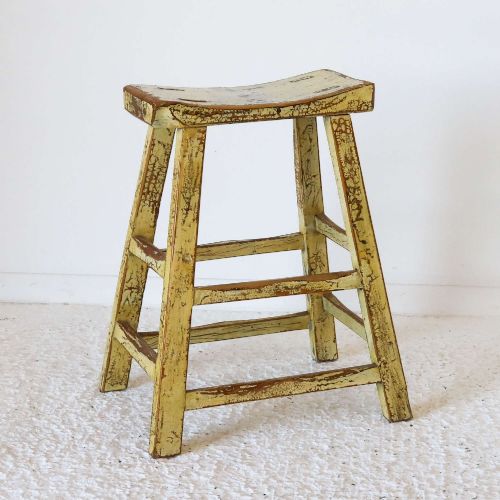
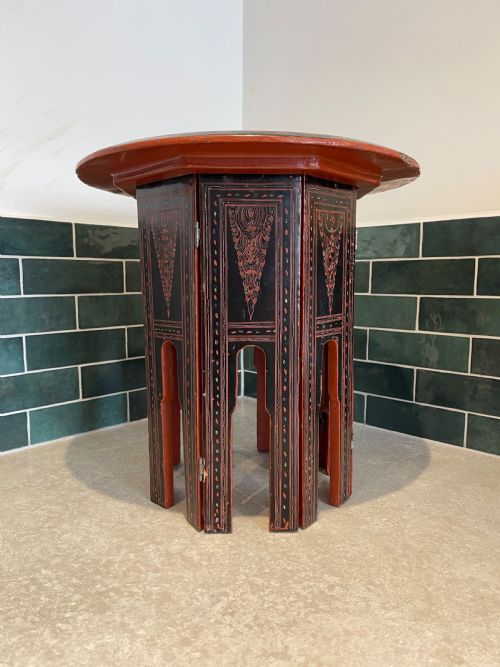
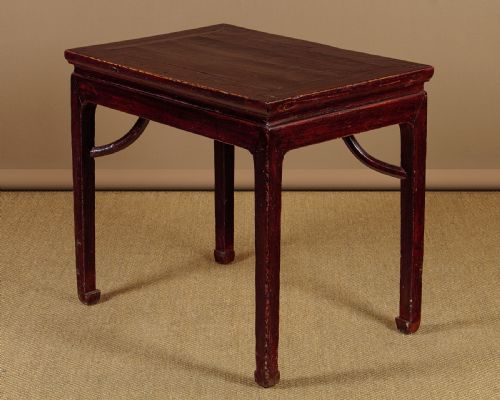
When you search for an oriental lacquered stool, you are looking at seating and low supports finished with durable resinous coats, often featuring hand-painted motifs or plain dark surfaces. The pieces on this page span several decades and centuries, ranging from provincial Chinese elm forms to Edwardian European interpretations in the Chinoiserie style.
You will encounter various formats under this heading, including traditional low stools, footstools, and related forms like side tables and plant stands. The materials shift from simple timber and rootwood to complex surfaces incorporating cloisonne enamel and textile elements.
The aesthetic bridges several distinct movements, from Qing Dynasty sensibilities and the Chinese Republic Period to Anglo-Burmese and Indian ethnic pieces. Each item reflects the specific workshop traditions of its origin, whether created in provincial China or designed by notable cabinet makers in Britain.
Materials and construction methods
Construction relies heavily on sturdy timbers such as elm and general hardwood, providing a stable structural base for the decorative finishes. Rootwood also appears in certain stands, utilising natural timber contours for support.
Surface treatment involves the application of traditional lacquer, often combined with painted details, textile accents, and occasionally contrasting insets like deep quartz tops or cloisonne enamel sections.
Oriental Lacquered Stool Retail Price Guide 2026
Typical asking prices for oriental lacquered stool among the pieces listed under this phrase on Sellingantiques today, from the lower quarter to the upper quarter. They describe what is for sale here now, not the wider market.
The listings here combine items from nineteenth-century China with Edwardian European interpretations of Chinoiserie.
Assessing craftsmanship and finish
Quality rests in the integrity of the wooden frame and the depth of the lacquer finish. Superior examples show careful joinery in elm or hardwood that remains stable over generations.
The artistry of the painted or inlaid decoration distinguishes finer pieces, particularly where hand-painted Chinoiserie details or complex cloisonne work retain their original definition and lustre.
Whytock and Reid
The Oriental Lacquered Stool Glossary
- Lacquer
- A durable finish made from natural resin or specialised varnishes applied in multiple layers to wood. It creates a smooth, protective, and often glossy surface that resists moisture.
- Chinoiserie
- European decorative style from the seventeenth to twentieth centuries that imitates Chinese artistic traditions. It frequently employs black lacquer and gilt motifs.
- Elm
- A tough, interlocking timber commonly used in traditional Chinese furniture construction. It provides excellent resistance to splitting.
- Cloisonne
- Enamelwork in which coloured areas are separated by thin metal strips soldered to a metal base. This technique creates vibrant decorative patterns.
- Rootwood
- Furniture components shaped from the gnarled underground roots of trees. Artisans carve and polish these organic forms into unique stands and tables.
Oriental Lacquered Stool: Frequently Asked Questions
What is an oriental lacquered stool?
An oriental lacquered stool is a low seating piece or decorative support finished with resinous lacquer, often featuring painted Asian motifs or European Chinoiserie designs.
These items range from antique Chinese elm examples to early twentieth-century British interpretations made by specialised cabinet makers.
How were these stools used historically?
Historically, these low seats and stands served multiple functions within domestic interiors, acting as moveable seating, footstools, or raised surfaces for display.
Their sturdy timber frames made them practical for daily use while their decorative finishes suited formal reception rooms and private chambers alike.
How do I care for lacquered wood?
Lacquered surfaces require gentle cleaning with a soft, dry cloth to remove dust without scratching the protective finish. Avoid harsh chemicals and keep the pieces away from direct sunlight and extreme temperature changes.
Maintaining stable indoor humidity helps prevent the underlying timber from expanding and contracting beneath the lacquer layer.
How can I tell different periods apart?
Distinguishing periods relies on observing construction techniques, timber choices, and stylistic markers such as Qing Dynasty motifs versus Edwardian interpretations. Earlier nineteenth-century examples often display simpler provincial joinery.
Twentieth-century pieces, including those from the Chinese Republic Period or British workshops, frequently show more refined decorative painting or integrated elements like quartz tops.