
Antique Chinoiserie Stands
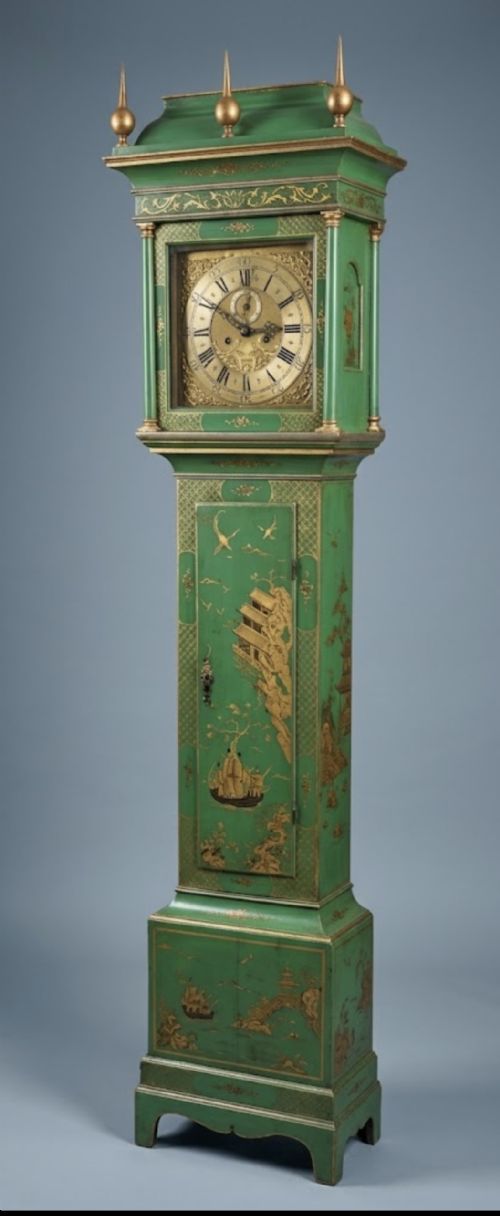
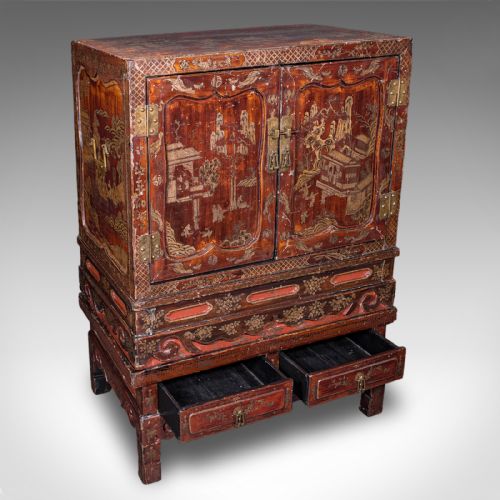
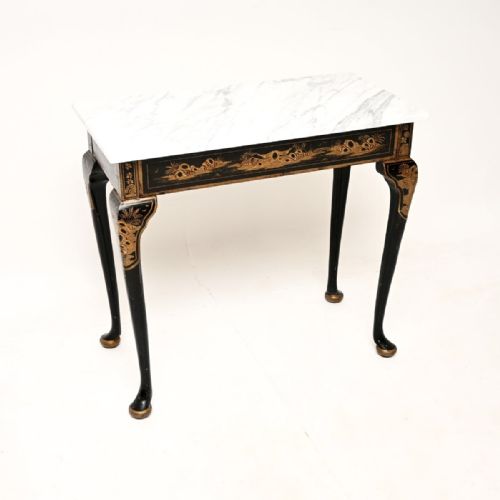
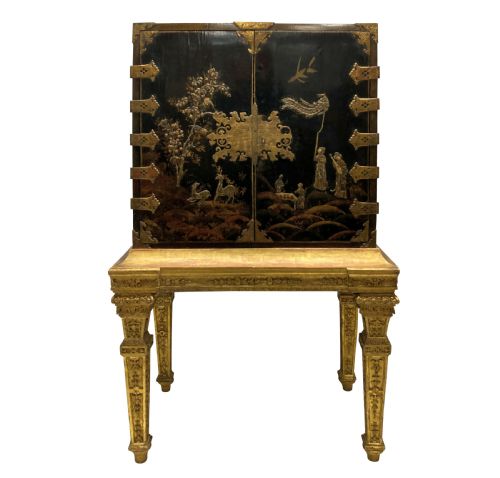
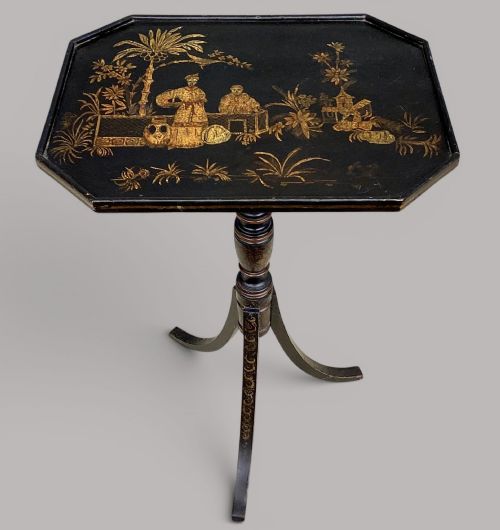
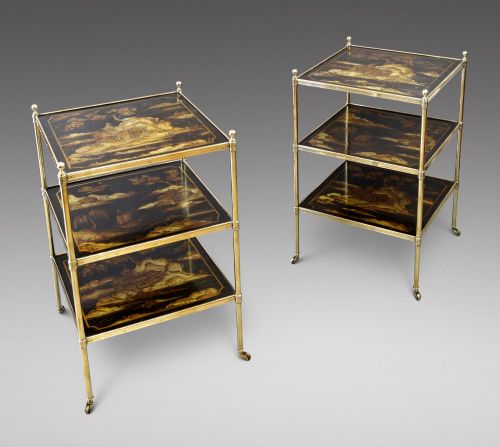
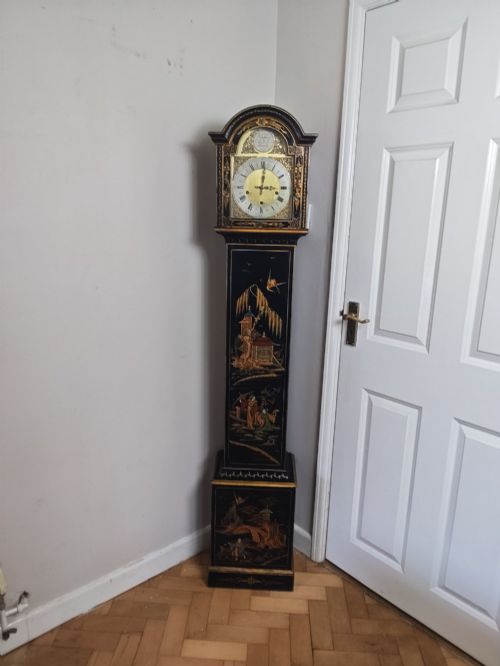
These antique chinoiserie stands bring together lacquer, gilt, and carved wood to support clocks, trays, and lighting.
Antique Chinoiserie Stands
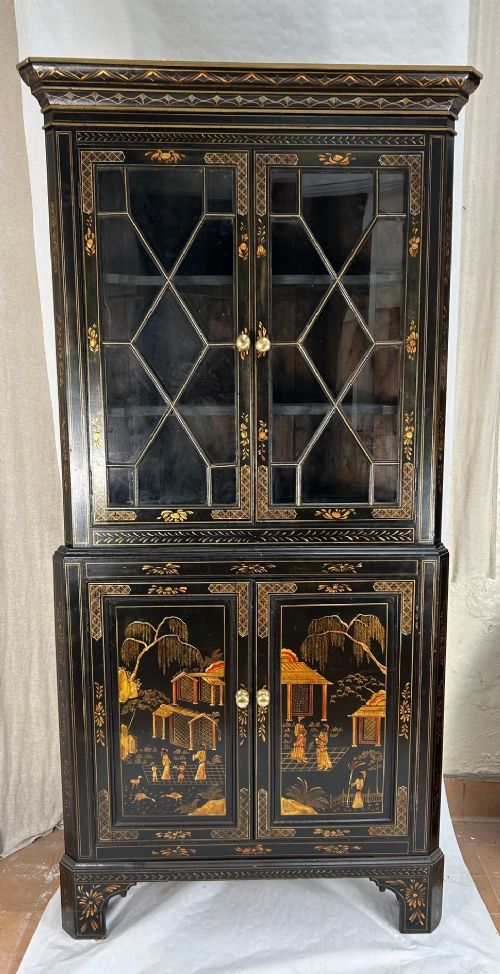
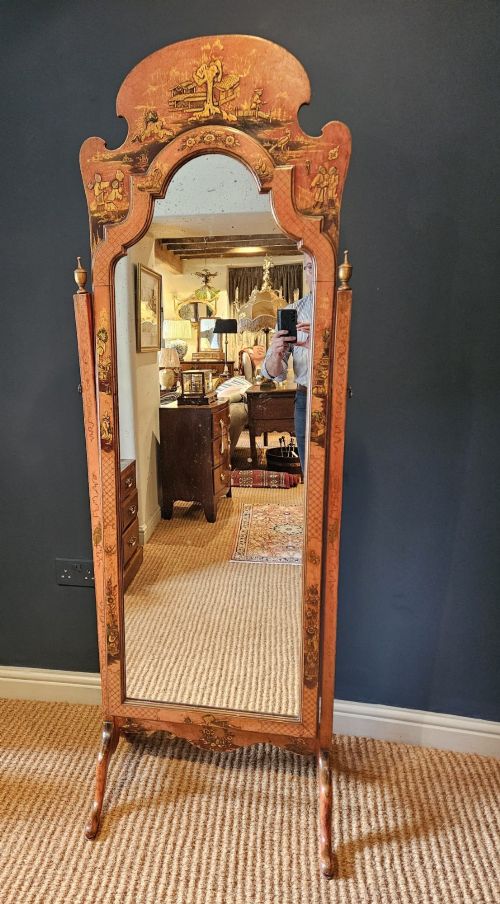
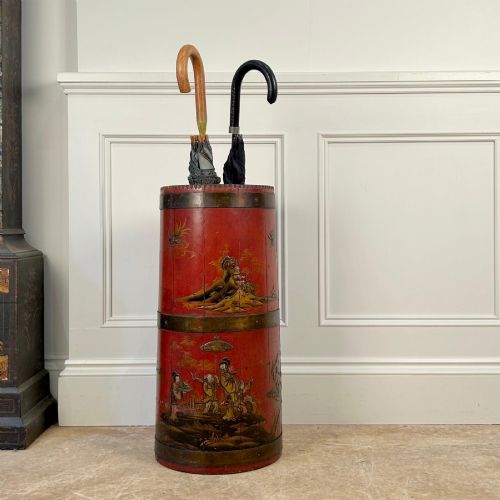
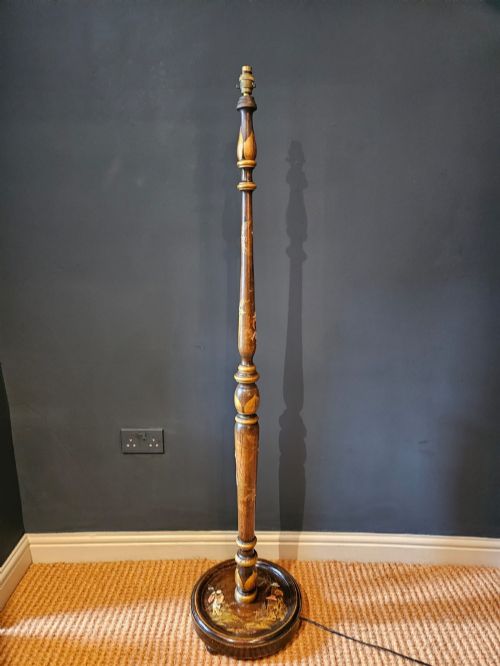
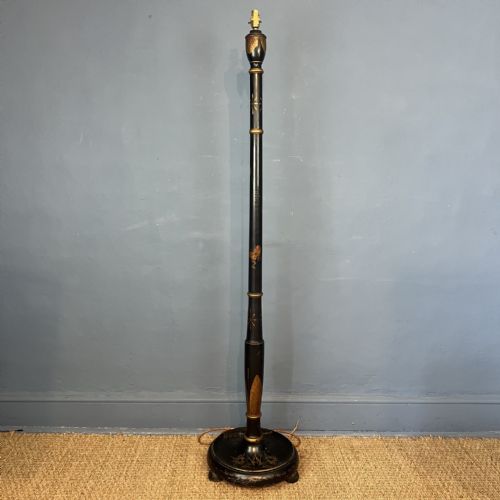
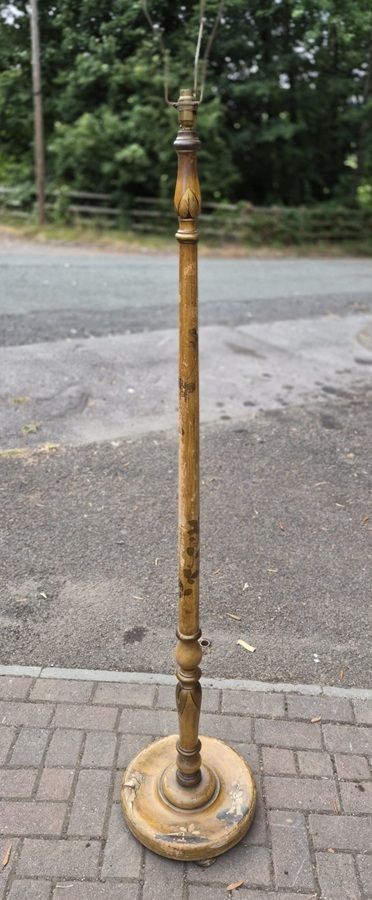
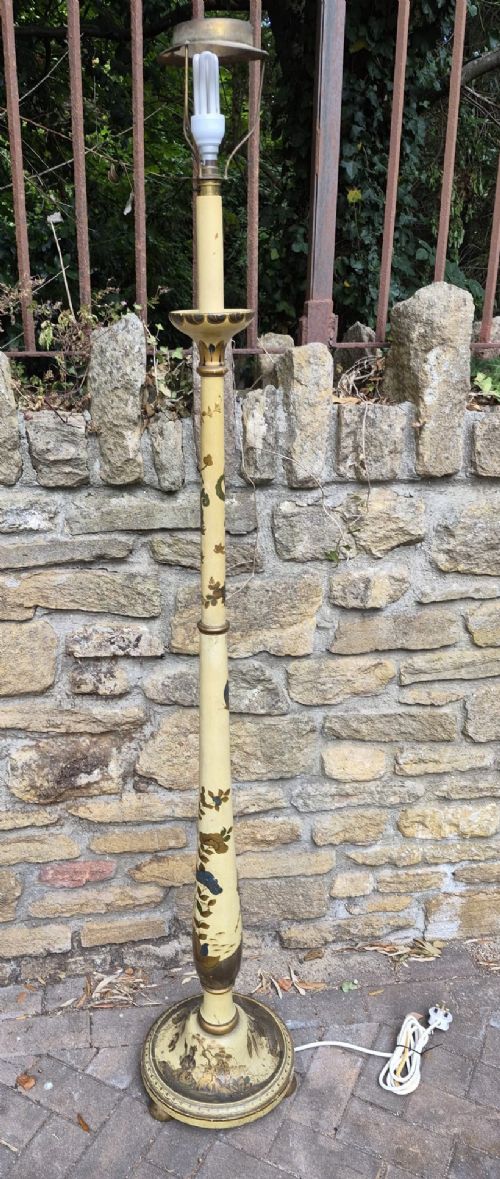
When searching for antique chinoiserie stands, buyers encounter a diverse selection of furniture designed to elevate objects or illuminate rooms. The inventory spans standard lamps, umbrella stands, side tables, and occasional tables, alongside cabinets raised on frames.
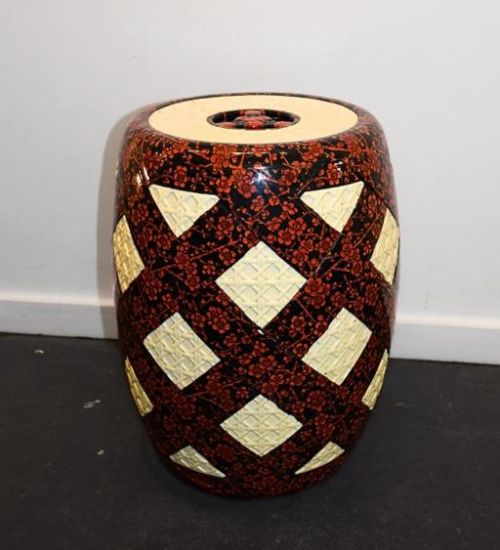
Most pieces date from the nineteenth and early twentieth centuries, including Victorian and Edwardian examples, with some extending back to the eighteenth century. Alongside traditional wood furniture, the selection encompasses garden seats in ceramic and ironstone, plus specialised stands for gongs and mirrors.
Materials and Method
Makers built these pieces primarily from wood and lacquered wood, applying layers of varnish and gold leaf or gilt decoration to achieve the characteristic glossy finish. Surface ornamentation often depicts traditional motifs using painted or carved techniques.
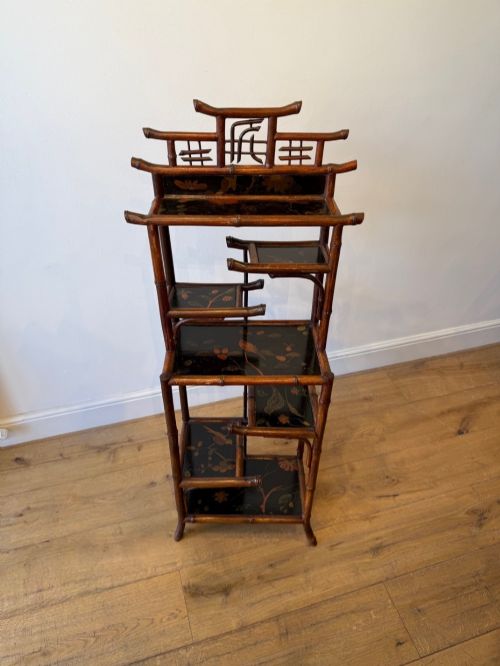
Support elements incorporate brass movements, glass components, and bamboo alongside solid timber frames. Ceramic elements such as creamware and cloisonné appear in specific lamp tables and garden seats.
One piece includes a brass bell intended for an antique tea ceremony gong.
Assessment of Workmanship
Quality rests in the depth and preservation of the lacquer work and gilding, where refined hand-painting distinguishes superior cabinetwork from simpler commercial production. The crispness of carved details on wooden stands and the stability of combined materials indicate higher standard construction.
Period integrity also defines the tier of a piece, as original eighteenth-century surfaces differ markedly in ageing patterns from later Victorian or Edwardian interpretations of the style.
John Fielder of Alton·Minton·Maison Krieger·Gabriel Viardot·Edwards & Roberts
The Antique Chinoiserie Stands Glossary
- Chinoiserie
- European decorative style reflecting Chinese artistic influences, typically featuring figures, pagodas, and landscapes rendered in lacquer and gold. This aesthetic heavily informs the surface decoration of the stands.
- Japanned
- European imitation of Japanese and Chinese lacquerwork, created through layers of varnish heated and polished to a hard finish. It provides the dark, glossy ground on many standard lamps and cabinets.
- Cloisonné
- Enamelwork technique where thin metal wires form compartments on a base to hold coloured pastes before firing. It appears on decorative tabletops and accessory stands.
- Clobbered
- Refers to underglaze blue pottery decorated with overglaze enamels in later workshops to enhance visual appeal. This process is seen on nineteenth-century ceramic garden seats.
- Etagere
- Set of small open shelves for displaying ornaments, occasionally constructed in brass or wood. These tiers provide elevated display space similar to side tables.
Antique Chinoiserie Stands: Frequently Asked Questions
What periods do these stands cover?
The pieces span from the seventeenth century through the Georgian and Regency eras into the Victorian and Edwardian decades. Later examples extend into the nineteen-twenties and thirties.
Craftsmanship evolved across these periods, moving from early export lacquer to later British adaptations in ebonised wood and green lacquer.
How were standard lamps used?
Standard lamps and floor lamps provided domestic illumination in drawing rooms and halls, often holding fabric shades above painted wooden columns. They functioned as both practical light sources and decorative furnishings.
Many examples utilise lacquered finishes to complement matching cabinets and tables within the same room.
Are cabinets on stands common?
Cabinets on stands combine a storage cupboard or coffer with a supporting frame, raising the main body off the floor. This form appears across the eighteenth and nineteenth centuries.
They served to display and store valuable items while adding height and decorative presence to interior spaces.
How do I identify lacquer finishes?
Lacquer involves multiple coats of treated resin applied to a wooden base, then polished to a smooth, reflective sheen. Gilding and painted details are sealed beneath the final varnish layers.
Surface craquelure and gentle wear help distinguish older eighteenth-century finishes from twentieth-century interpretations.