
Antique Chinoiserie Lighting
Antique chinoiserie lighting brings decorative hand-painted scenes and rich lacquer into a room through table and floor lamps.
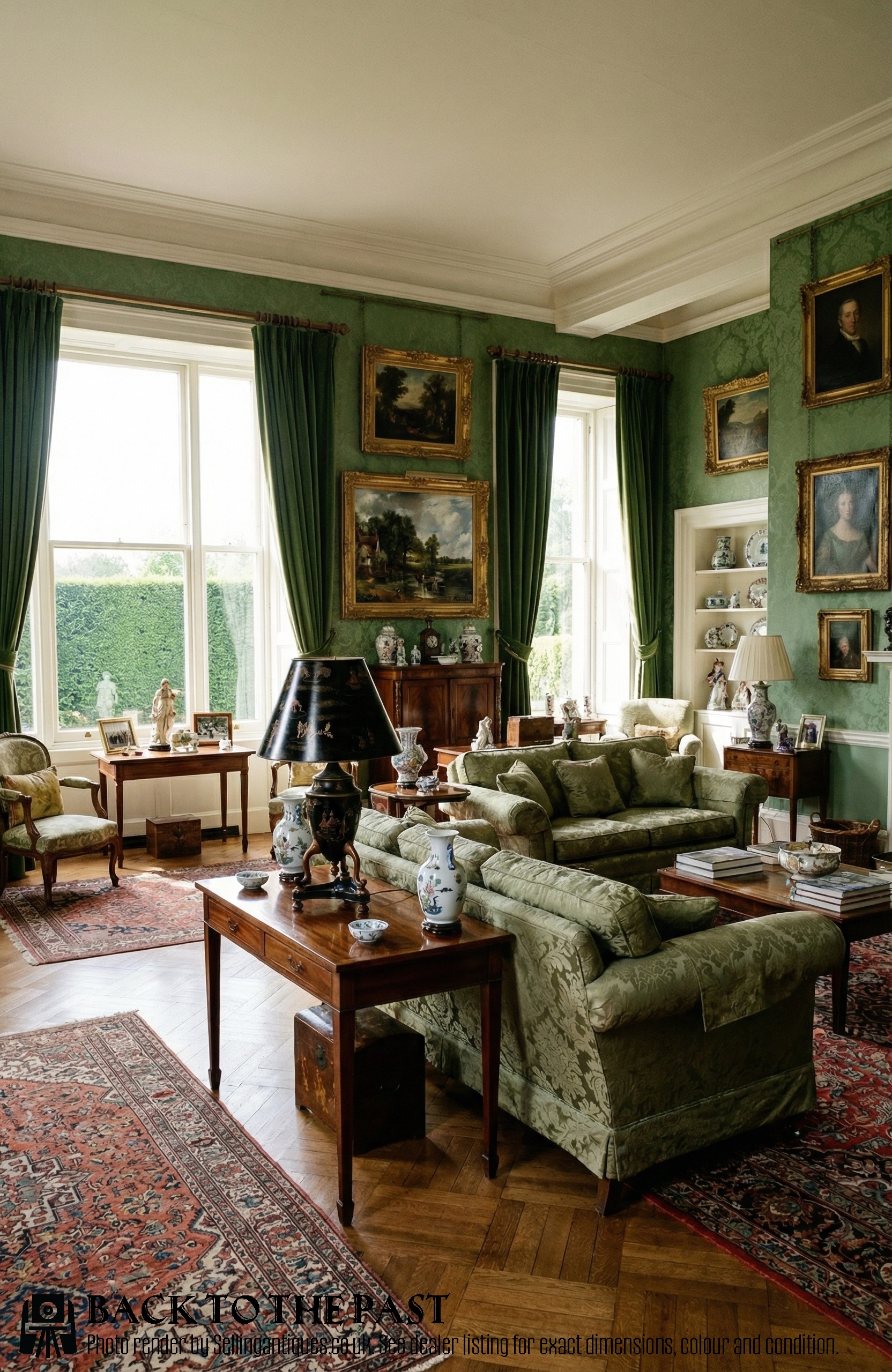
What antique chinoiserie lighting is
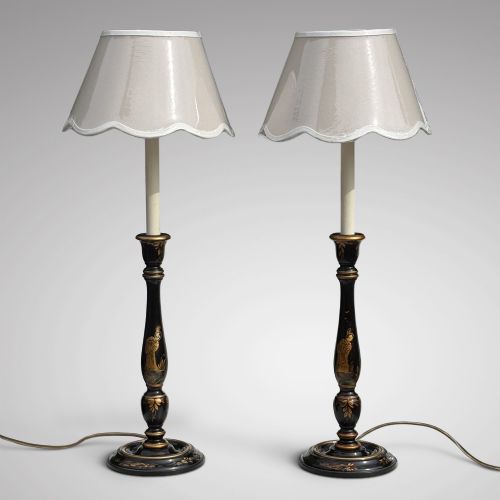
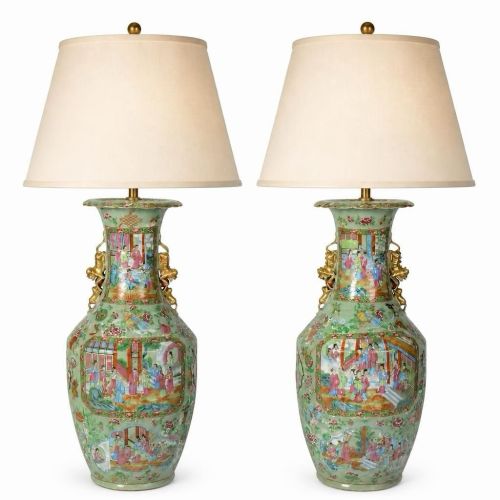
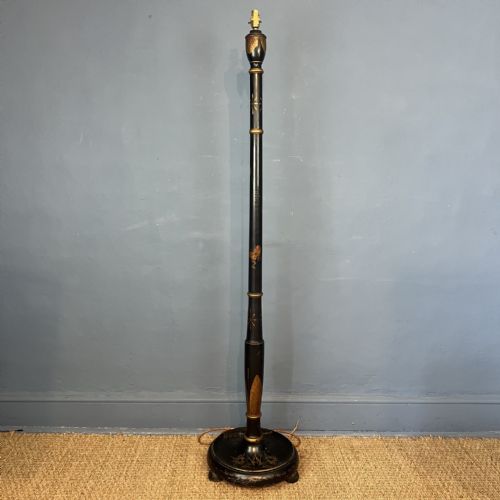
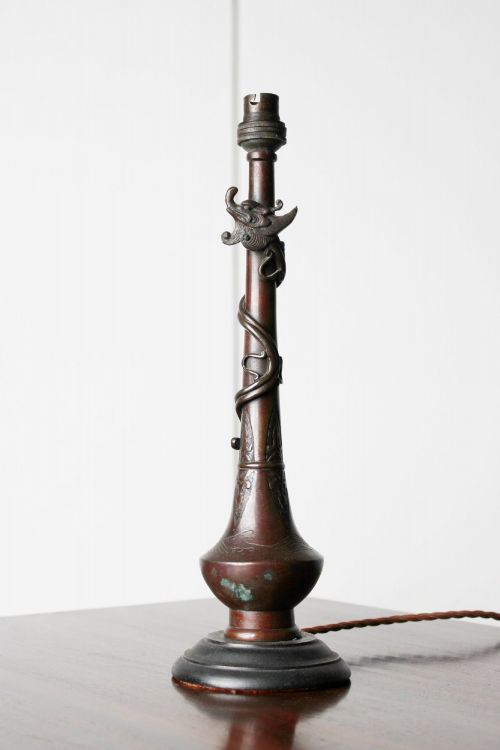
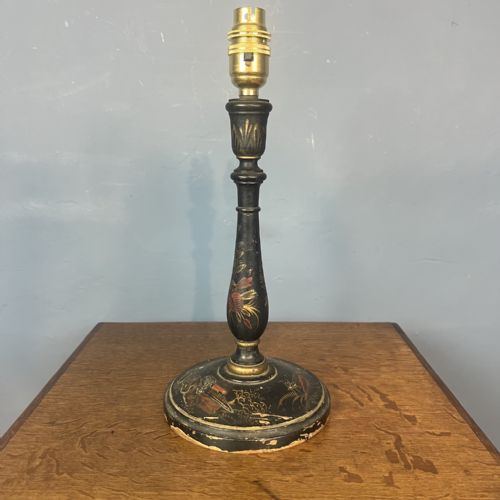
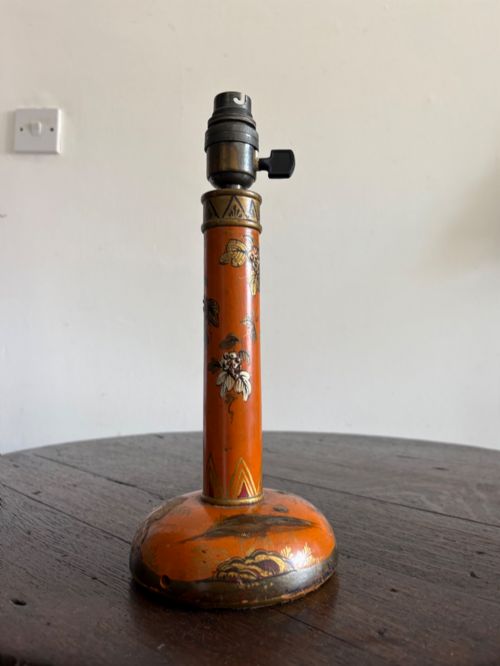
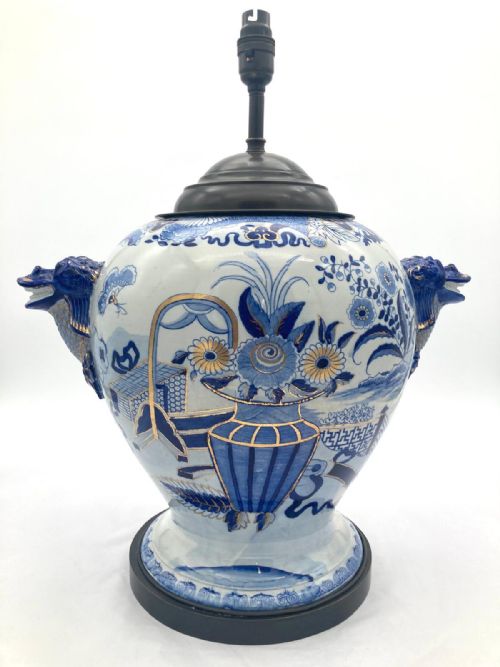
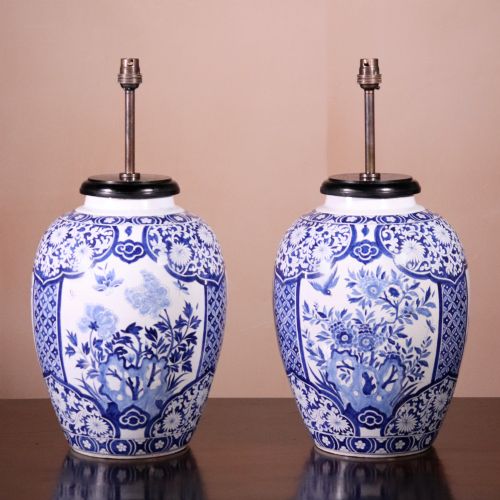
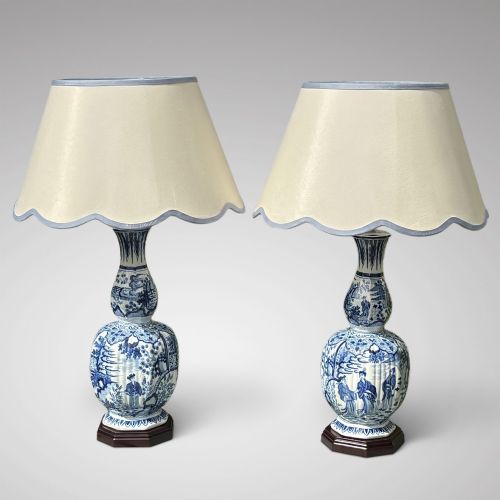
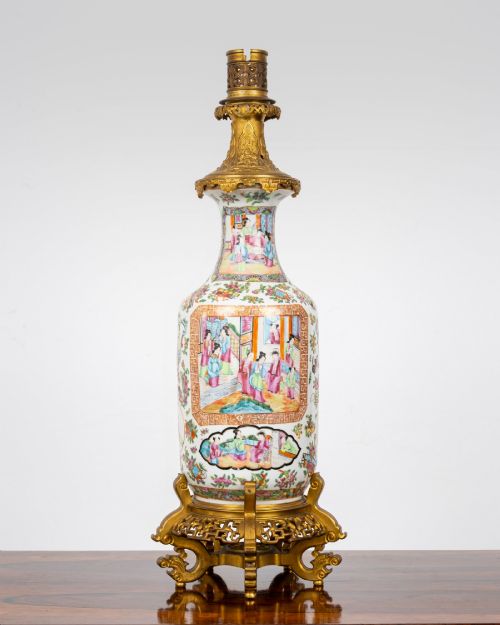
Antique chinoiserie lighting encompasses table lamps and floor lamps decorated in European interpretations of East Asian artistic traditions. These pieces transform functional illumination into decorative focal points through painted motifs and distinctive forms.
The pieces appearing on this page span the Victorian, Edwardian, and early twentieth-century periods, including specific dates around eighteen-seventy, nineteen-ten, nineteen-twenty, and nineteen-thirty. Buyers encounter both compact table lamps and taller standard or floor lamps.
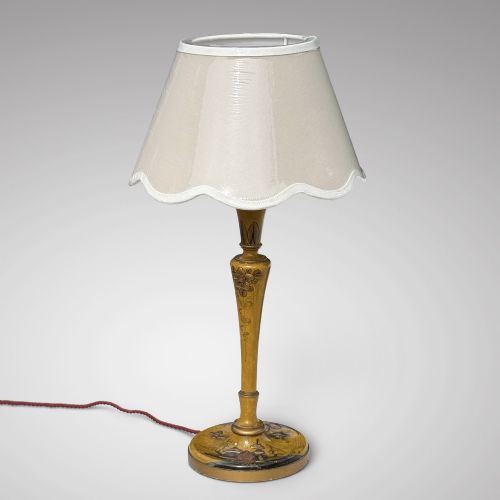
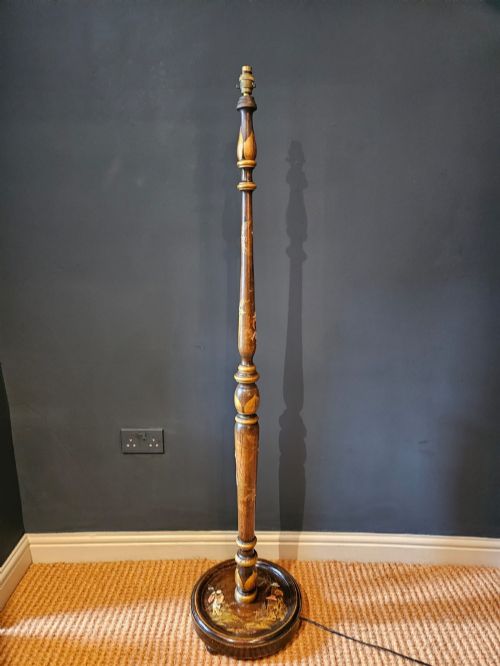
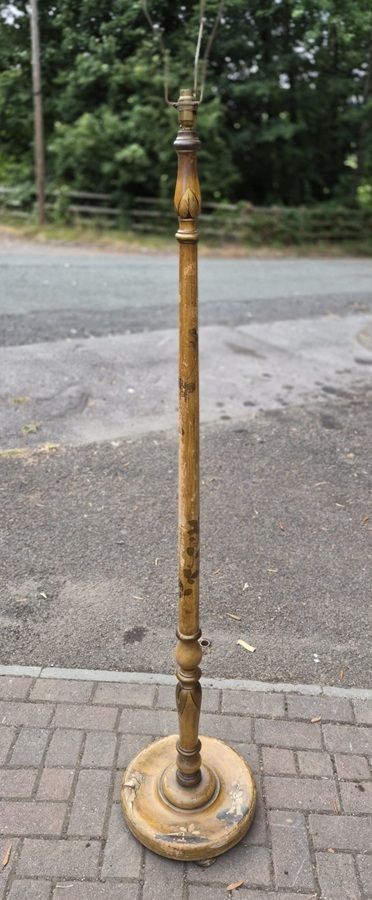
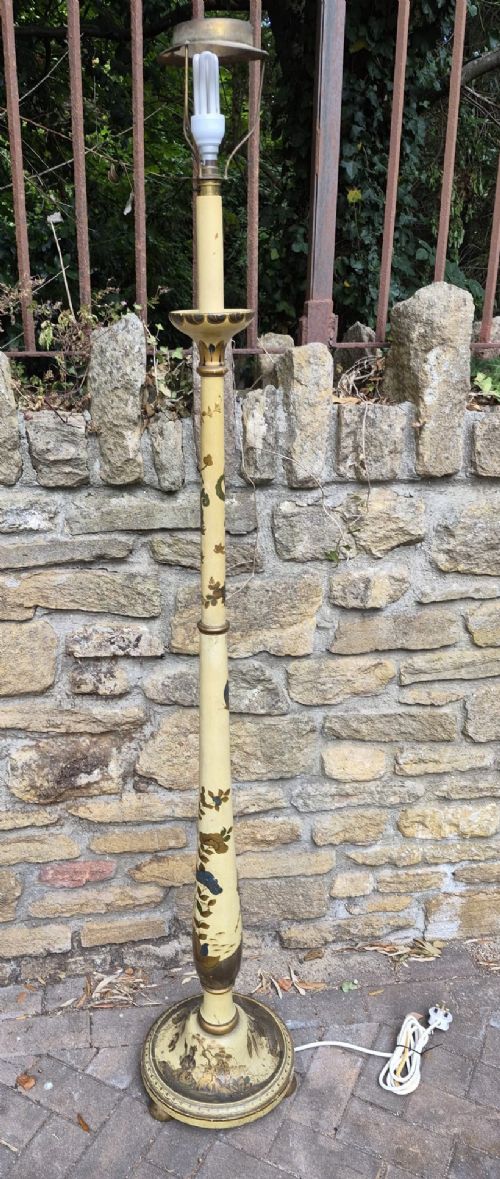
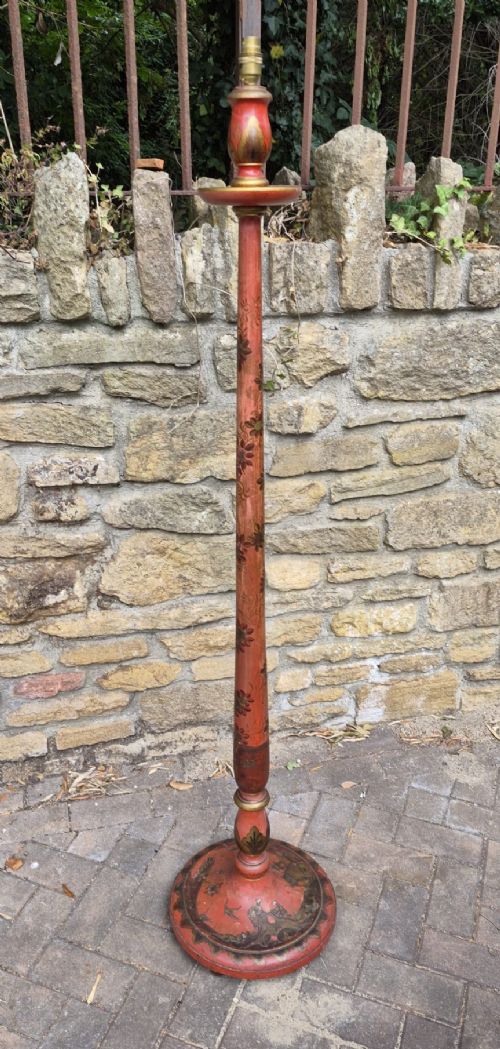
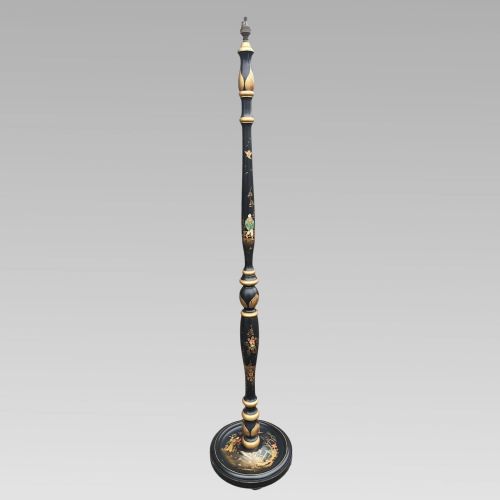
The dominant forms are table lamps and floor lamps designed to stand in reception rooms or parlours. Lacquer finishes and painted woodwork define the visual character of these objects.
How they were made
Maker construction utilises wood, metal, brass, bronze, and toleware as foundational materials. These substrates provide the rigidity required for upright lamp bodies and standard lamp poles.
Surfaces receive treatments of lacquer, gilt paint, and hand painting. Artisans apply multiple layers of finish to build depth, often featuring black, gold, or mandarin orange colour schemes characteristic of the style.
Retail Price Guide 2026
Typical UK retail prices for chinoiserie lighting, calculated from the Sellingantiques database of over a million retail prices indexed since 2003. This retail price guide relies exclusively on Sellingantiques data; no external sources or auction records are used, so the figures do not describe the wider market.
Listings feature table lamps and floor lamps spanning the Victorian, Edwardian, 1920s, and 1930s periods.
What varies in quality
Quality separates through the finesse of the hand-painted detailing and the richness of the lacquer surface. Superior examples display intricate brushwork and deep, lustrous finishes rather than flat or uniform application.
The choice of base material influences the physical substance of the piece, with solid bronze, brass, and turned wood offering greater permanence than lighter metal or basic painted constructions.
The Antique Chinoiserie Lighting Glossary
- Chinoiserie
- European artistic style reflecting Chinese and East Asian motifs, prominent in decorative objects and furniture. It relies on imaginative landscapes, figures, and pavilions.
- Toleware
- Enamelled or lacquered metalware, typically iron or steel, used to form durable lamp bodies. This material accepts dark backgrounds and gilt decoration effectively.
- Standard lamp
- A tall floor-standing lamp designed to illuminate a wider area of a room. These pieces utilise sturdy wooden or metal poles to support the lighting fixture at height.
- Lacquer
- A durable resin finish applied in multiple coats to create a smooth, glossy surface. It protects the underlying wood or metal while providing a rich background for painted decoration.
Frequently Asked Questions
What rooms suit antique chinoiserie lamps?
These lamps function well in studies, drawing rooms, or hallways where decorative illumination adds warmth and character. Their painted surfaces complement traditional interiors and eclectic spaces alike.
Positioning them on side tables or in corners allows the lacquer and gilt details to catch ambient light. They serve as both functional light sources and distinct decorative objects.
How do I identify Edwardian chinoiserie lighting?
Edwardian examples date from the early twentieth century and often combine lacquered wood or metal with painted Asian-inspired scenes. The construction reflects the manufacturing standards of that specific era.
Comparing the base materials and painting style with dated pieces helps establish the period. The evidence shows these items appearing alongside Victorian and 1930s variations.
What materials make up these lamps?
Construction relies on materials such as wood, brass, bronze, and toleware. Artisans applied finishes including lacquer, gilt paint, and hand-painted details over these surfaces.
The combination of metal or wooden bodies with protective lacquer coatings ensures durability. Different periods favoured particular base materials, ranging from heavy bronze to painted wood.
Are table lamps and floor lamps available?
The selection includes both table lamps for surface placement and larger floor lamps, also known as standard lamps. Each form provides a distinct scale for different interior layouts.
Table lamps offer compact decorative accents, while floor lamps stand tall to illuminate larger zones. Both categories share the characteristic hand-painted chinoiserie aesthetic.