

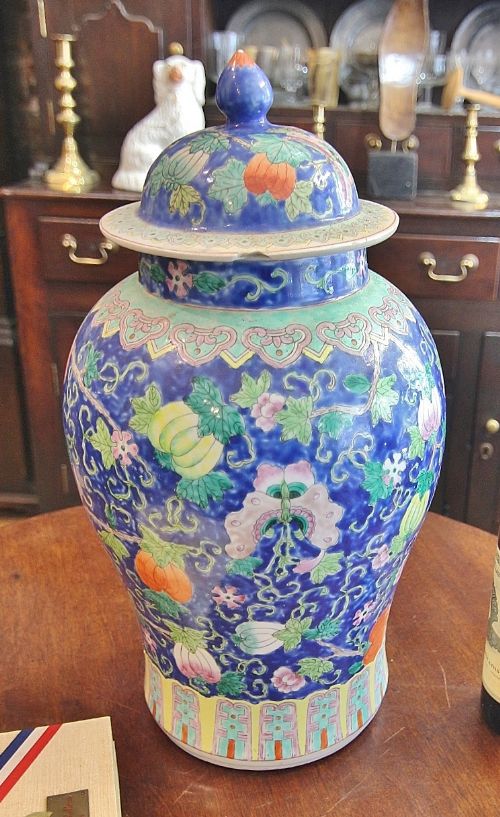


Antique Chinese Vessel Painting
These pieces gather antique chinese vessel painting across centuries of ceramic and enamel work.
Antique Chinese Vessel Painting
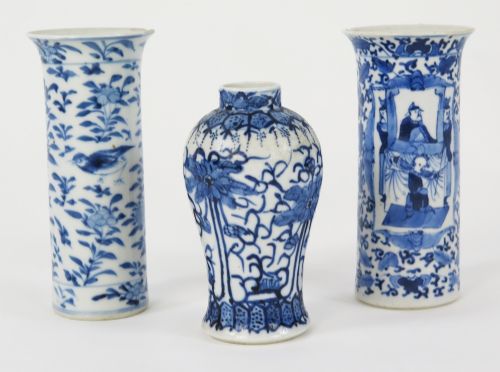
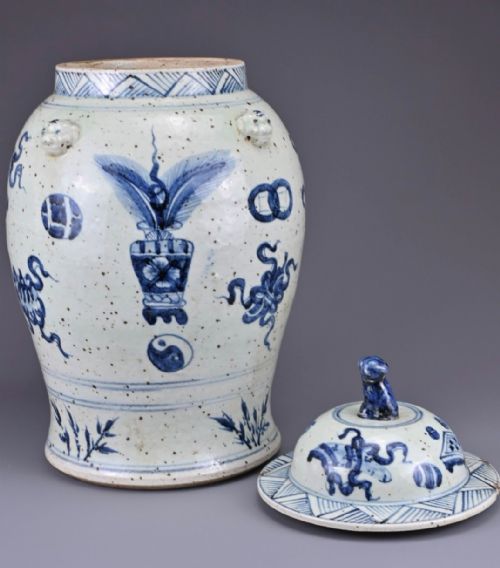
When you search for antique chinese vessel painting, you encounter a diverse range of decorated ceramic and metal containers from various historical epochs. The selection spans utilitarian forms and decorative items, including vases, ginger jars, brush pots, and teapots created for both domestic use and export.
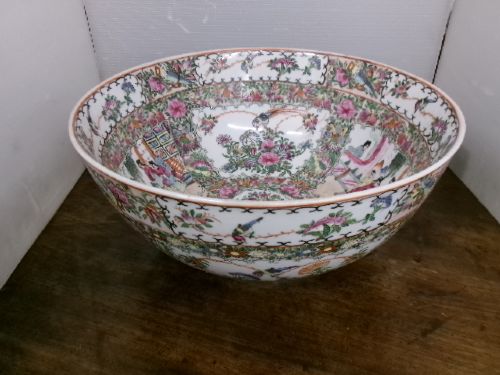
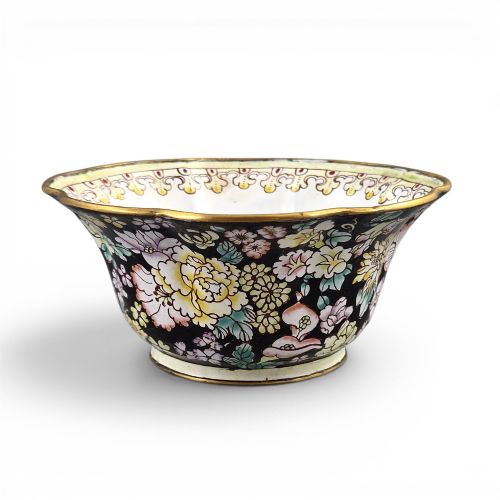
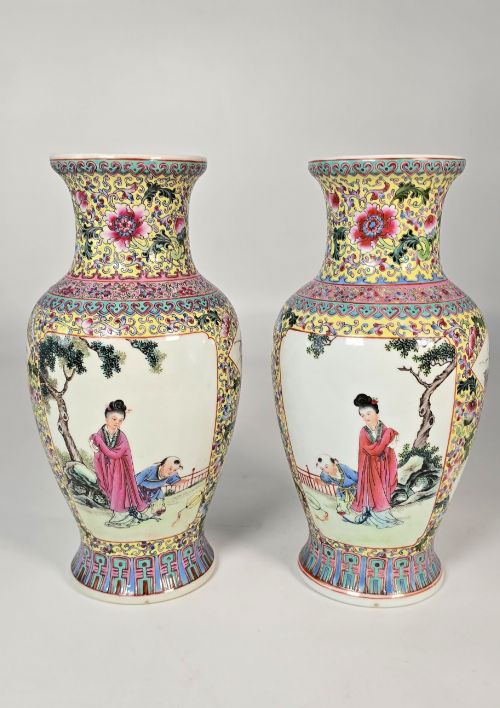
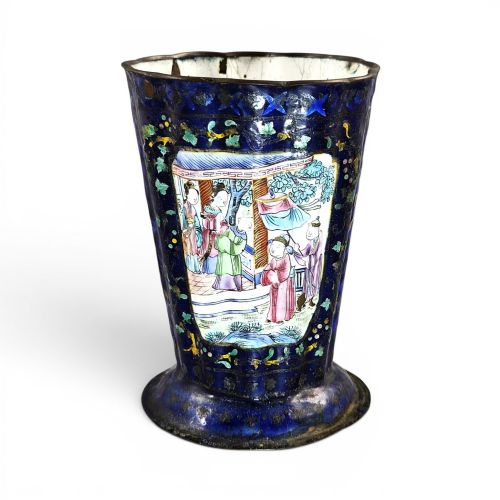
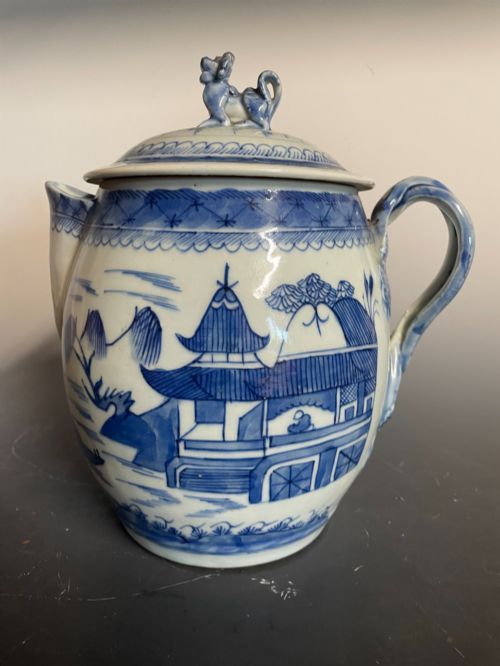
You are most likely to meet nineteenth-century porcelain and enamel pieces on this page, particularly blue and white wares and famille rose vessels. These items often feature traditional motifs, floral patterns, and figural scenes applied by hand to ceramic or copper bodies.
The objects originate from multiple stylistic periods, including the Qing Dynasty, the Republic Period, and the Chinese Export market. Alongside ceramics, the selection incorporates painted depictions of maritime scenes and vessels on canvas.
How they were made
Potters and artisans shaped these vessels using ceramic clay, porcelain, and copper, applying glazes and enamels to the surfaces before firing. Cobalt blue underglaze and polychrome famille rose enamels provide the primary coloration for the ceramic pieces.
Skilled painters decorated the surfaces by hand, utilising fine brushes to execute intricate designs of birds, flowers, and figures. Certain items incorporate gold leaf detailing alongside painted pigments to highlight specific decorative elements.
Several vessels depict traditional scenes of immortals and reclining beauties who appear entirely unbothered by the passage of centuries.
What varies in quality
The refinement of the painted brushwork dictates much of the distinction between standard production and superior examples. Fine pieces display controlled, deliberate lines and nuanced shading in the depiction of flora and figures.
The clarity and depth of the glaze, whether cobalt blue or polychrome enamel, influence the visual impact of the vessel. Superior execution involves even coverage and precise firing control that avoids cloudiness or discoloration.
Ah Hee Studio·Gao Hengsheng
The Antique Chinese Vessel Painting Glossary
- Famille Rose
- A palette of opaque rose-pink and other soft enamel colours introduced in the Qing dynasty. This ceramic decoration style is widely seen on eighteenth and nineteenth-century porcelain vessels.
- Ginger Jar
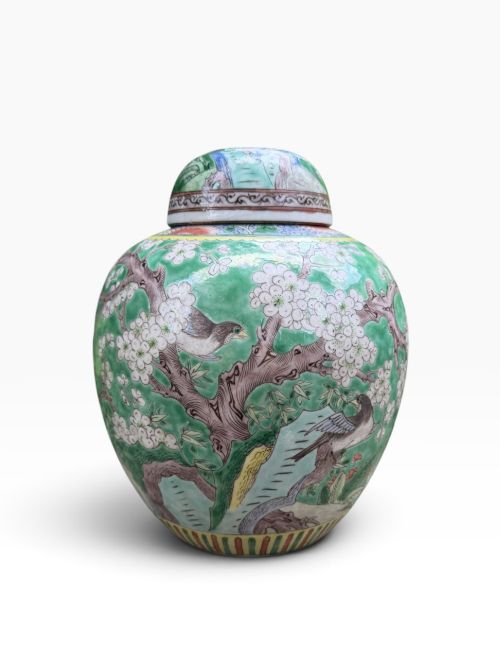
- A high-shouldered ceramic container originally used to store spices. These jars frequently feature blue and white or polychrome painted scenes.
- Guangxu Period
- A reign era within the late Qing Dynasty spanning from eighteen seventy-five to nineteen hundred and eight. Items from this time often exhibit detailed floral and figural painting.
- Canton Enamel
- Painted enamel applied directly to a copper body, typically associated with export wares from southern China. These vessels display vibrant polychrome decoration.
- Brush Pot
- A cylindrical vessel used to hold scholars' writing brushes on a desk. They appear in porcelain and ceramic formats with carved or painted ornamentation.
Antique Chinese Vessel Painting: Frequently Asked Questions
What is a ginger jar?
A ginger jar is a porcelain or ceramic container traditionally used for storing and transporting spices. These vessels typically feature a wide rounded body and a matching cover.
Over time, these utility items evolved into purely decorative pieces featuring hand-painted floral, dragon, or landscape motifs.
How do I identify Qing dynasty porcelain?
Qing dynasty porcelain is identified through specific stylistic markers, reign marks, and the types of glazes utilised by the potters. Cobalt blue underglaze and famille rose enamels are common indicators of this era.
Examination of the foot ring and the weight of the ceramic also provide clues regarding the period of manufacture.
What does famille rose mean?
Famille rose refers to a ceramic palette dominated by an opaque pink or rose-coloured enamel. This style emerged during the eighteenth century and continued through the nineteenth century.
The palette allows for delicate shading in depictions of flowers, birds, and human figures on porcelain surfaces.
How should I display these vessels?
These vessels require stable surfaces away from high-traffic areas and direct sunlight to protect the painted enamel and glaze. Placing them on dedicated stands helps distribute weight evenly.
Pairs or groupings of similar porcelain items work well when arranged on flat surfaces or within secure display cabinets.