





Antique Chinese Saucer
These antique chinese saucer pieces span centuries of export and domestic production, offering delicate porcelain and enamel work that collectors prize for display.
Antique Chinese Saucer
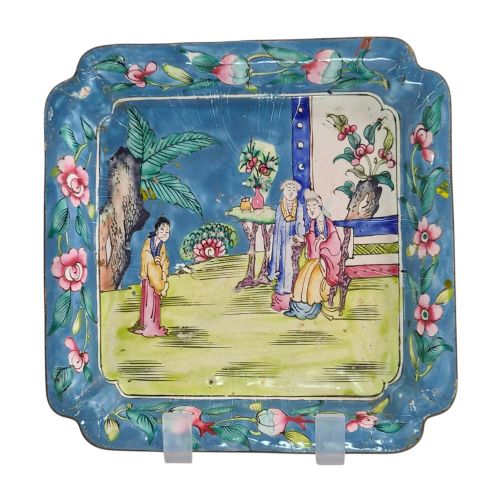
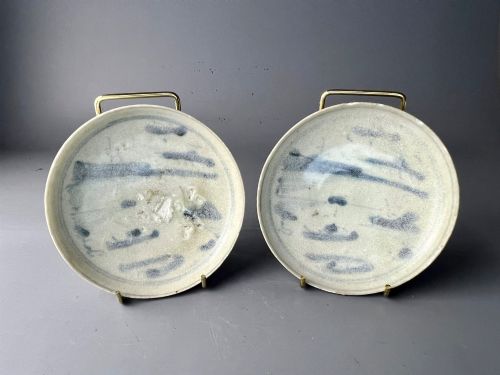
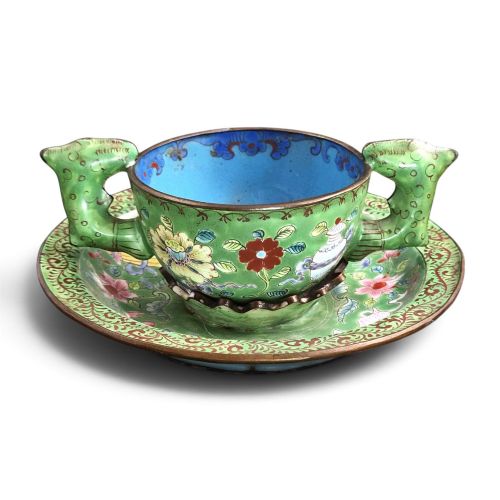
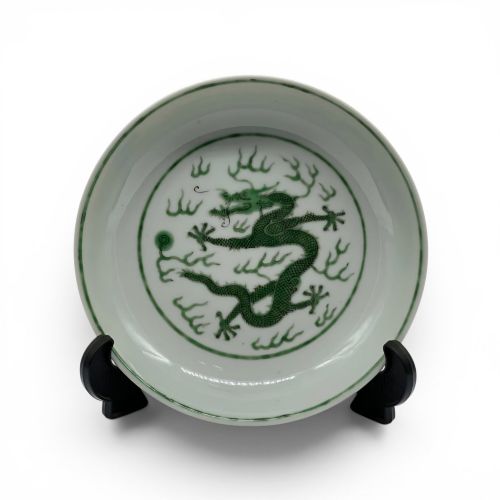
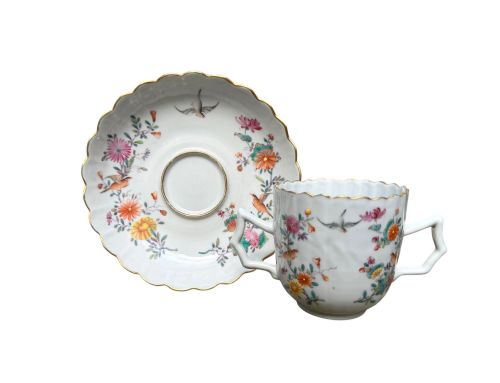
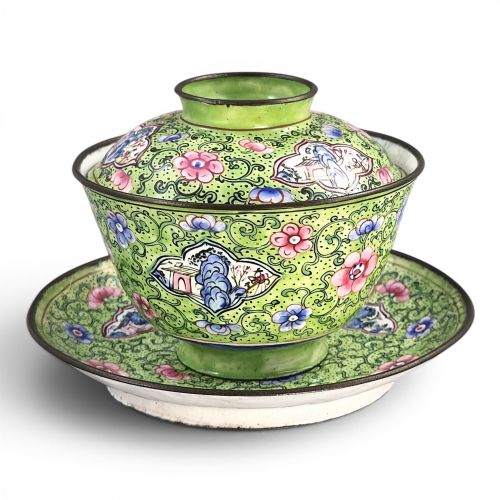
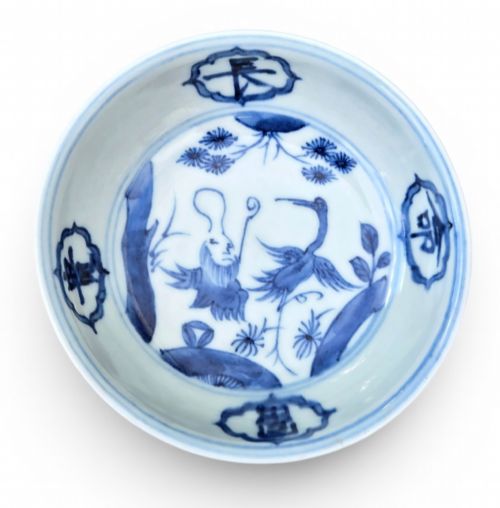
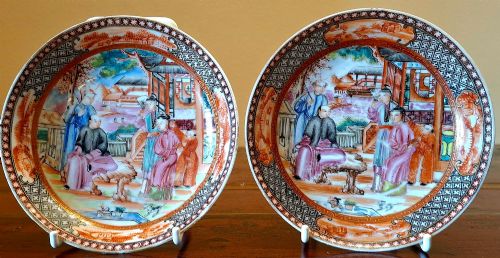
An antique chinese saucer represents small ceramic and metal vessels designed for dining, tea service, and decorative display. The pieces recorded here range across the seventeenth, eighteenth, and nineteenth centuries, taking forms such as deep saucer-dishes, tea bowls with matching saucers, and wine cup stands.
Buyers will most frequently encounter eighteenth-century export porcelain and nineteenth-century Qing dynasty wares on this page. These examples demonstrate the enduring craft of Chinese kilns, created both for domestic imperial use and for the lucrative European export market.
The styles shift from Ming dynasty traditions through Qing dynasty interpretations and Georgian Chinoiserie adaptations. Each object reflects the prevailing aesthetic priorities of its specific period of manufacture.
Materials and methods of production
Potters relied heavily on fine porcelain body pastes shaped on wheels or pressed into moulds before firing at high temperatures. Cobalt underglaze was applied directly to the unglazed clay body to create deep blue designs that survived the intense kiln heat intact.
Enamels including famille rose palettes and Canton enamel were painted over the fired glaze and fixed in secondary muffle kilns at lower temperatures. Artisans also incorporated copper bases, gold leaf accents, and celadon glazes to achieve varied surface textures and rich colour contrasts.
Antique Chinese Saucer Retail Price Guide 2026
Typical asking prices for chinese saucer among the pieces listed under this phrase on Sellingantiques today, from the lower quarter to the upper quarter. They describe what is for sale here now, not the wider market.
Listings feature porcelain, copper, and enamel materials spanning periods from the seventeenth century through the twentieth century.
Discerning quality across the range
Quality rests upon the crispness of the hand-painted brushwork and the control demonstrated during the firing process. Superior pieces display finely detailed motifs such as dragons, figures, and auspicious symbols executed with steady precision.
The delicacy of the porcelain body and the brilliance of the enamel pigments also distinguish finer examples from standard production wares. Workshops that supplied imperial patrons or high-tier export merchants maintained rigorous standards for symmetry, glaze purity, and decorative harmony.
The Antique Chinese Saucer Glossary
- Celadon glaze
- A pale green iron-rich glaze originating in China that mimics the appearance of jade. It creates a smooth, translucent surface over carved or moulded clay designs.
- Cobalt underglaze
- A blue pigment applied to pottery before glazing and firing. This technique allows the colour to fuse permanently beneath a clear protective glass layer.
- Famille rose
- A palette of opaque pink and rose enamels introduced during the Qing dynasty. Artists used these colours to render intricate pictorial scenes with subtle tonal gradations.
- Chinese export
- Porcelain and enamel items manufactured specifically for foreign markets in Europe and the Americas. These wares often combined traditional Chinese shapes with Western armorial or pictorial requests.
- Qing dynasty
- The final imperial dynasty of China spanning from the mid-seventeenth to the early twentieth century. This era produced diverse ceramic styles ranging from imperial monochromes to vibrant export enamels.
Antique Chinese Saucer: Frequently Asked Questions
How were these saucers used?
These vessels served functional roles in tea ceremonies, dining services, and wine consumption alongside matching cups or stands. Many pieces also functioned purely as decorative display items within affluent households both in China and abroad.
Over time, surviving items transitioned from active utility into cabinet collections and curated table settings. Their compact size made them versatile additions to domestic interiors across different centuries.
How do I date an antique piece?
Dating relies on stylistic markers, baseline materials, and painted motifs associated with specific reigns such as the Qianlong period or the broader Qing dynasty. Examining the foot ring, body weight, and pigment characteristics provides further clues regarding production eras.
Reference marks found on certain dishes can also indicate historical periods or retrospective imperial styles. Comparing these details against documented examples helps narrow down the decade of manufacture.
Are these items safe for dining?
While many historic pieces were created for food and beverage service, centuries of handling and age warrant careful consideration before active use. Historic glazes and enamels may react to modern detergents, hot liquids, or acidic foods.
Most collectors prefer to display these fragile objects rather than risk daily wear and tear. Gentle cleaning with lukewarm water and a soft cloth suffices for maintenance without modern chemical exposure.
What is the difference between export and domestic wares?
Export wares were produced specifically to satisfy foreign tastes, frequently incorporating European motifs, shapes, or heraldic designs into traditional Chinese manufacturing techniques. Domestic wares adhered more strictly to local aesthetic standards and imperial court preferences.
Both categories utilised exceptional porcelain bodies and skilled hand-painting, yet their decorative vocabulary often diverged. Understanding this distinction clarifies the intended market and artistic context of each item.