




Antique Chinese Pottery Statue
An antique chinese pottery statue brings centuries of sculptural tradition into a room, offering tangible history through figures, animals, and mythological beasts.
Antique Chinese Pottery Statue
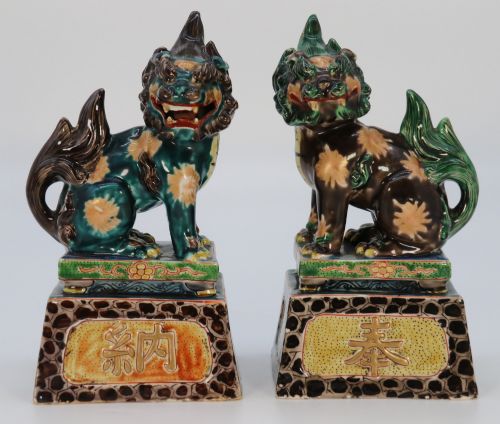
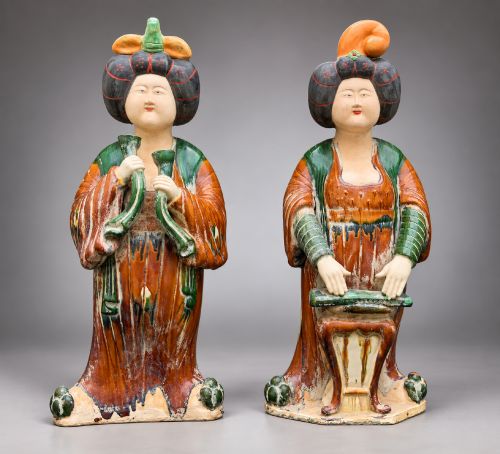
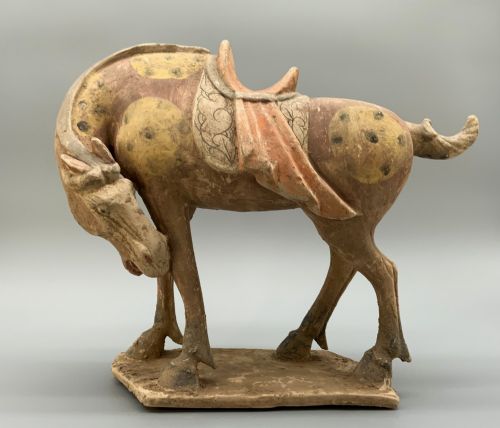
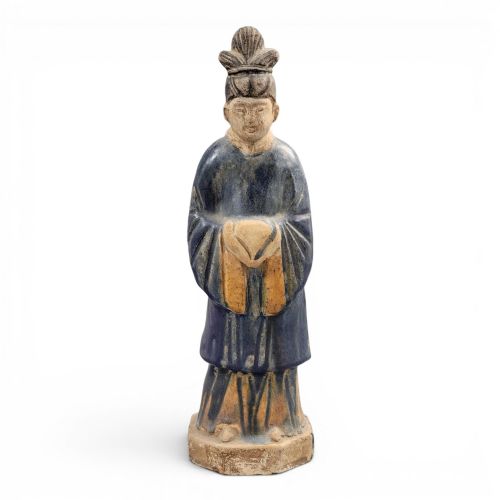
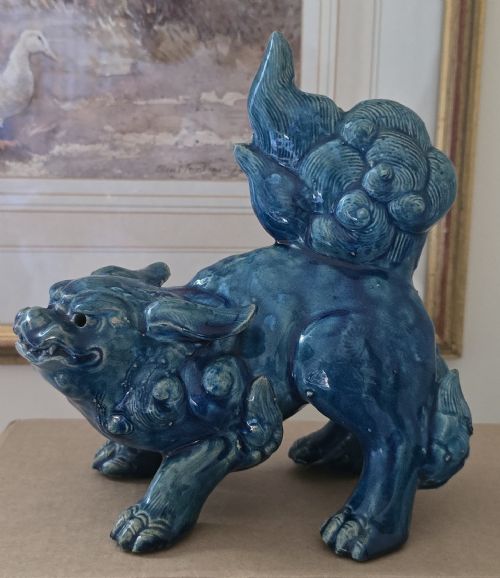
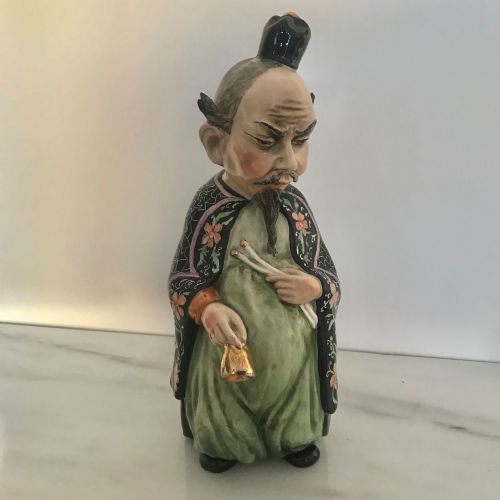
When you search for an antique chinese pottery statue, you encounter a diverse gathering of figures spanning centuries of ceramic artistry. The selection ranges from early terracotta dancers and funerary attendants to later glazed earthenware animals and Buddhist lions.
You are most likely to meet pieces modelled as musicians, horses, cockerels, apes, and court attendants originating from periods such as the Qing Dynasty, Tang Dynasty style, and the late nineteenth century. These sculptures serve primarily as decorative objects, incense holders, and figural vases for interior display.
Materials and construction
The pieces listed on this page are constructed from foundational ceramic materials such as terracotta, stoneware, earthenware, and grey pottery. Artisans shaped these mediums by hand or in moulds before applying decorative treatments.
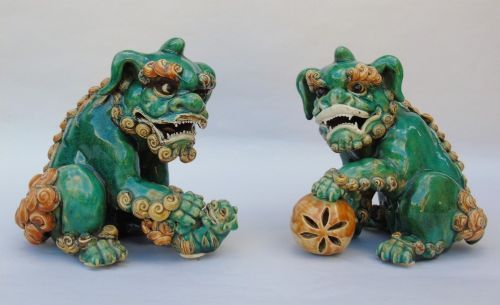
Surface decoration relies heavily on traditional glaze techniques, including lead glaze, enamel, and sancai palettes, alongside turquoise, yellow, and pale green monochrome coatings. These finishes define the visual character of each sculpture.
Antique Chinese Pottery Statue Retail Price Guide 2026
Typical asking prices for chinese pottery statue among the pieces listed under this phrase on Sellingantiques today, from the lower quarter to the upper quarter. They describe what is for sale here now, not the wider market.
Listings incorporate materials from simple terracotta and earthenware to rich lead glazes, enamel, and stoneware across multiple centuries.
Assessing the execution
The application and preservation of the glaze also dictate the standard of a piece, with even pooling and vibrant colour distribution distinguishing finer sculptural works from simpler commercial productions.
The Antique Chinese Pottery Statue Glossary
- Sancai
- A tripartite glaze technique traditionally employing amber, green, and creamy white or straw tones. This finish is famously associated with Tang Dynasty wares and later revivals.
- Terracotta
- Fired unglazed clay ranging in colour from buff to dark red. It forms the porous structural body of many early figures.
- Shiwan pottery
- Ware originating from the kilns in Guangdong province, known for expressive figurative modelling and thick, colourful glazes. Pieces from this tradition often depict deities, animals, and scholars.
- Foo Dog
- A traditional guardian lion sculpture placed to protect sacred spaces or domestic interiors. These figures typically appear in pairs with one resting a paw on a ball or cub.
- Earthenware
- Porous pottery fired at relatively low temperatures. It requires a glaze to achieve impermeability.
Antique Chinese Pottery Statue: Frequently Asked Questions
What are these pottery statues?
These pieces comprise figurative ceramics, animal studies, and mythological sculptures created in China over many centuries. They range from early tomb figures to late nineteenth-century decorative ornaments.
Makers utilised materials such as terracotta, stoneware, and earthenware, often finishing them with coloured glazes or hand enamel decoration.
How were they used historically?
Many early figures served as funerary art intended to accompany burials and provide service or protection in the afterlife. Other objects functioned as domestic decorations, incense holders, or figural vases.
Over time, production shifted toward domestic display items intended for both local use and export markets.
How do I live with them?
Placing a ceramic sculpture in your home requires a stable surface away from heavy foot traffic or vibration. Position figures where adequate lighting can highlight their glazes and modelling.
Keep them out of direct sunlight and clean them gently with a dry cloth to preserve the surface finish.
How do I tell periods apart?
Differentiating periods relies on observing clay body characteristics, glaze chemistry, and stylistic conventions. Early pieces often show unglazed or weathered terracotta, while later examples feature vibrant turquoise, yellow, or famille rose coatings.
Consulting the specific form and stylistic references helps place a sculpture within its historical era.