


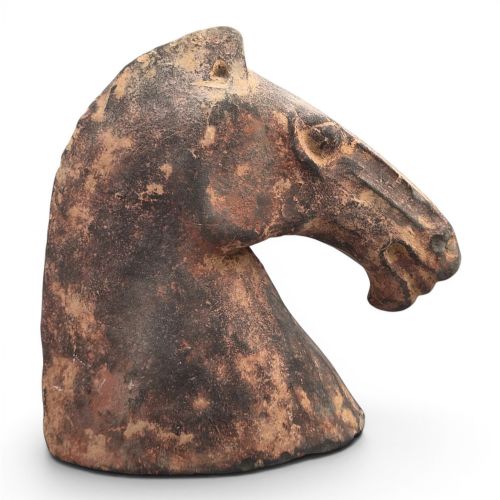


Chinese Terracotta Sculpture
Chinese terracotta sculpture spans ancient funerary art and later revival pieces, offering tactile engagement with historical dynasties and traditional craft.
Chinese Terracotta Sculpture
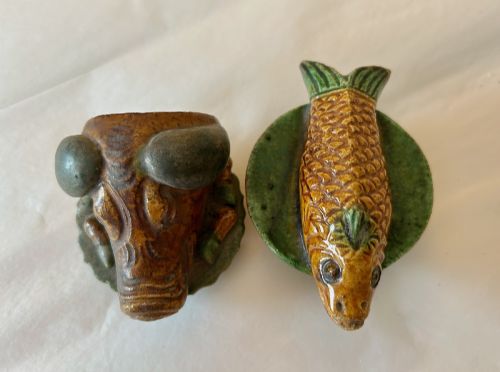
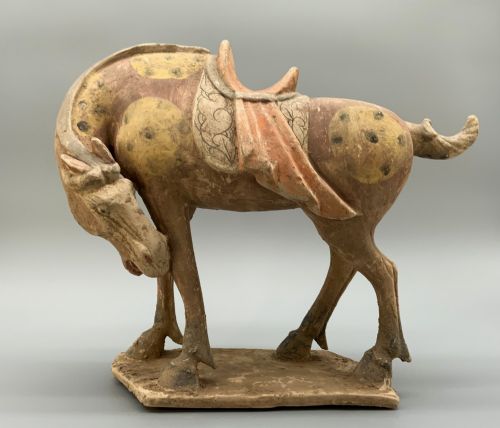
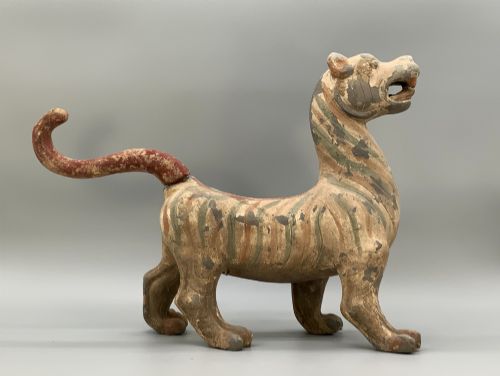
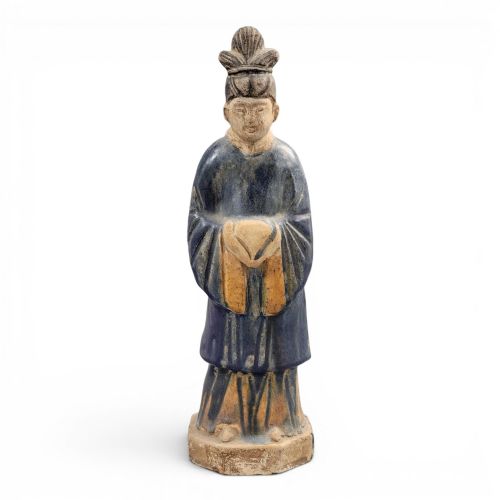
Buyers seeking chinese terracotta sculpture encounter ceramic figures, tomb sculptures, and decorative statues originating from periods spanning pre-sixteenth century tombs to twentieth-century revivals. These works typically depict animals, mythical beasts, horses, dancers, and court attendants, reflecting ancient burial customs and traditional craftsmanship.
The selections available here range from ancient grey pottery and painted earthenware from the Han and Tang dynasties to later revival pieces created in the early twentieth century. Formats include single guardian figures, horse heads, and multi-piece musical bands, each representing specific eras of Chinese sculptural traditions.
How these sculptures were made
Makers shaped these pieces using terracotta, earthenware, and grey earthenware clay, often finishing surfaces with mineral pigment or paint to add colour and detail. The construction relies on traditional pottery techniques suited for both ancient tomb figures and subsequent revival works.
Glazing techniques such as sancai glaze appear on specific pieces, providing the characteristic multi-coloured lead-glazed surfaces seen in Tang dynasty style ceramics. Pigments and glazes adhere directly to the fired clay body, preserving visual details across centuries.
Chinese Terracotta Sculpture Retail Price Guide 2026
Typical asking prices for chinese terracotta sculpture among the pieces listed under this phrase on Sellingantiques today, from the lower quarter to the upper quarter. They describe what is for sale here now, not the wider market.
Several figures in these listings form a complete musical band of seven, proving that ancient court entertainment occasionally followed collectors home.
What varies in quality
Historical authenticity and period adherence also dictate standing within the category, separating ancient funerary art from later twentieth-century interpretations. The clarity of moulded details and the depth of surface finishing differentiate standard decorative items from museum-calibre figures.
The Chinese Terracotta Sculpture Glossary
- Mingqi
- Spirit objects or burial items placed in tombs to accompany the deceased. These figures include attendants, animals, and guardians.
- Sancai
- A three-colour lead glaze used predominantly during the Tang dynasty, featuring amber, green, and creamy white tones.
- Foo Dog
- A traditional architectural guardian lion, often depicted as a temple guard dog in Chinese sculpture.
- Terracotta
- Fired clay used for sculptural and utilitarian ceramics, varying in colour from red-brown to grey depending on the firing atmosphere.
- Grey Earthenware
- A specific ceramic body fired in a reduced oxygen environment, characteristic of early Chinese pottery traditions.
Chinese Terracotta Sculpture: Frequently Asked Questions
What is a mingqi figure?
Mingqi figures are traditional spirit objects placed inside ancient Chinese tombs to serve the deceased in the afterlife. They frequently take the form of attendants, soldiers, dancers, and animals.
These sculptures provide modern collectors with direct insight into the clothing, social structures, and artistic styles of historical dynasties.
How do I identify sancai glaze?
Sancai glaze is a distinct lead-based ceramic finish that typically combines amber, green, and creamy white or straw colours. These pigments often run and overlap during the high-temperature firing process.
This glazing technique is most closely associated with the Tang dynasty and later revival pieces modelled in that specific aesthetic.
Are these sculptures ancient?
The pieces in this category originate from multiple eras, ranging from ancient pre-sixteenth century dynasties like the Han and Tang to later reinterpretations from the nineteenth and twentieth centuries.
Each listing specifies the attributed period or production date, distinguishing authentic early tomb figures from later stylistic revivals.
How should I display a terracotta figure?
Terracotta sculptures benefit from stable indoor environments away from direct sunlight and excessive humidity to protect fragile pigments and earthenware bodies. Placing them on secure, flat surfaces ensures safety.
Because many pieces feature delicate painted surfaces or historical glazes, minimal handling helps preserve their physical condition over time.