





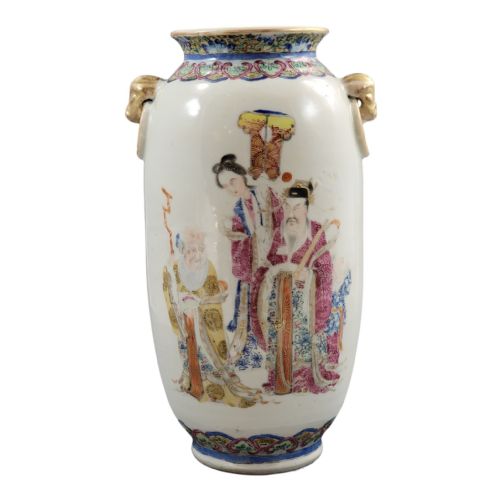


Antique Chinese Pottery Figure
An antique chinese pottery figure brings ancient ritual, striking animal forms and centuries of ceramic craft directly into a modern room.
Antique Chinese Pottery Figure
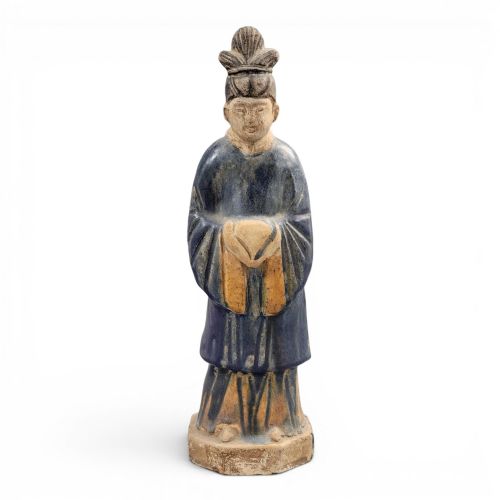
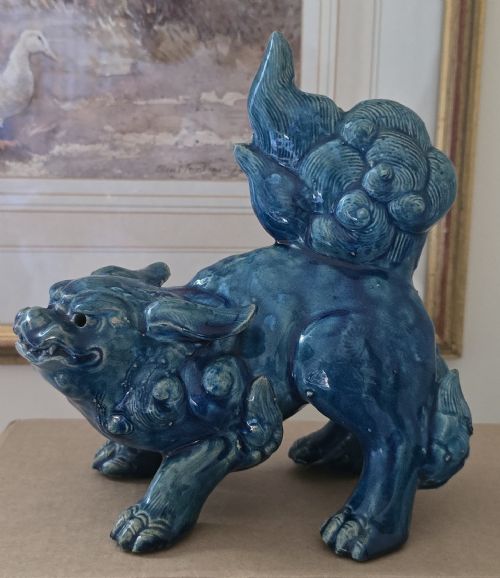
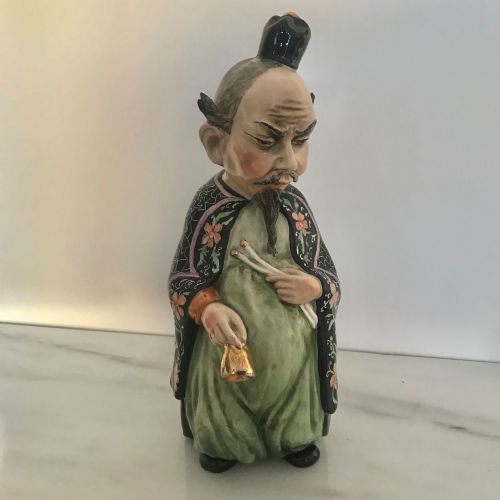
An antique chinese pottery figure encompasses sculptural works shaped from terracotta, earthenware, stoneware and porcelain across multiple imperial dynasties and later revival periods. Buyers encounter funerary mingqi tomb figures, mythical guardian beasts, Buddhist lions and decorative figurines spanning from early prehistoric forms to the late Qing dynasty and Republic period.
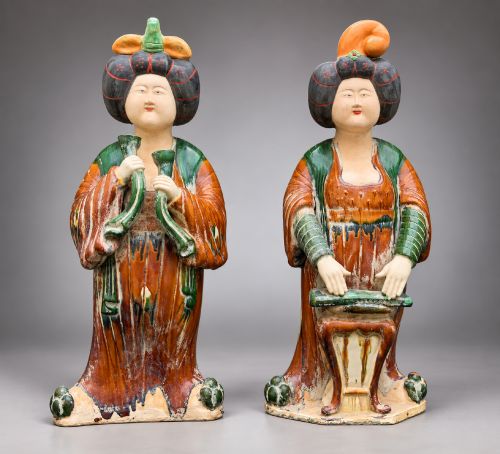
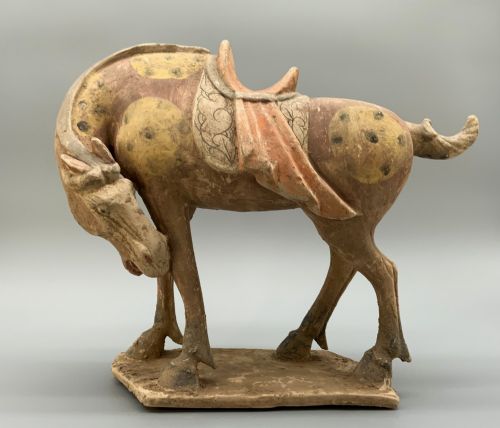
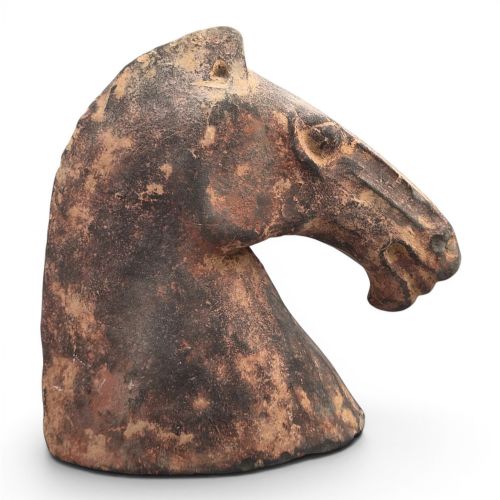
The selection ranges from grey pottery dancers and painted terracotta horse heads originating in ancient eras to Tang dynasty style sancai glazed musicians and late nineteenth century Shiwan glazed figures. These objects bridge utilitarian vessels and symbolic sculpture, functioning historically as tomb furniture, temple guardians and scholar's desk ornaments.
Pieces from this category draw collectors toward specific historical aesthetics, whether the amber and green lead glazes of Tang revival pieces or the detailed famille rose enamels of late imperial porcelain. Each sculpture carries the distinct material footprint of its period of origin, from coarse excavated earthenware to refined provincial stoneware.
Materials and construction methods
Makers formed these sculptures using local clays, shaping terracotta, earthenware and stoneware bodies by hand or pressing them into moulds before firing. Sculptors added fine details through incising, carving and hand-modelling before applying mineral pigments or lead-based glazes.
Surface treatments define much of the visual character, utilising sancai multi-coloured lead glazes, turquoise and yellow glazes, or overglaze famille rose enamels. Kiln temperatures varied according to the medium, with earthenware bodies fired at lower heats than dense stoneware and porcelain.
Antique Chinese Pottery Figure Retail Price Guide 2026
Typical asking prices for chinese pottery figure among the pieces listed under this phrase on Sellingantiques today, from the lower quarter to the upper quarter. They describe what is for sale here now, not the wider market.
The object forms span funerary mingqi, Buddhist lions, decorative vases, incense holders and figural sculptures.
Evaluating sculptural quality
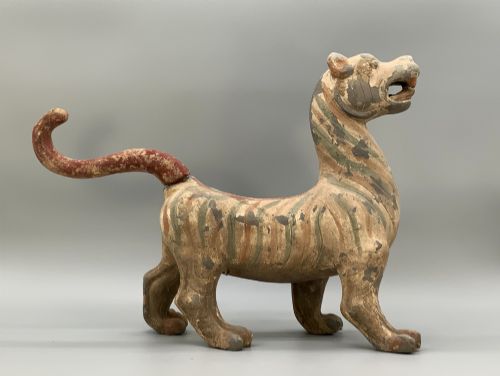
Sculptural vigour and anatomical proportion set finer figures apart from stiffer commercial productions, particularly in animal forms such as horses, tigers and guardian lions. The fluidity of the modelling and the expressive detail in the face reveal the hand of a more accomplished artisan.
Glaze application and colour vibrancy dictate visual success across glazed earthenware and porcelain pieces. Smooth, even distribution of lead glazes or precisely controlled enamel painting indicates superior kiln control and artistic skill.
The Antique Chinese Pottery Figure Glossary
- Mingqi
- Burial objects placed in tombs to accompany the deceased into the afterlife. These figures often include attendants, dancers, soldiers and animal guardians.
- Sancai
- A three-colour lead glaze tradition most famously associated with Tang dynasty ceramics, typically combining amber, green and cream tones.
- Famille Rose
- A palette of opaque overglaze enamels introduced in the Qing dynasty, dominated by pink or rose colours mixed from gold chloride.
- Shiwan
- A ceramic ware originating from the kilns near Foshan, known for thick, dramatic monochrome and polychrome glazes on expressive figures.
- Foo Dog
- A traditional architectural guardian lion, depicted as a stylized dog or lion protecting sacred spaces.
- Terracotta
- Fired unglazed clay of a brownish-red colour, frequently used for ancient tomb figures and early sculptural works.
Antique Chinese Pottery Figure: Frequently Asked Questions
What is a mingqi figure?
A mingqi is a funerary object created specifically for burial in tombs to serve the deceased in the afterlife. These pieces include human attendants, soldiers, dancers and animals.
Over centuries, many of these excavated earthenware and terracotta pieces survived underground before entering collections as historic sculptures.
How do I care for pottery figures?
Keep fragile antique pottery and earthenware away from direct sunlight and areas subject to sudden humidity changes. Dust them gently with a dry, soft brush.
Avoid using water or chemical cleaners on unglazed terracotta or fragile low-fired surfaces to protect the ancient material.
Are Tang dynasty style pieces original?
Tang dynasty style pieces often refer to later revivals, such as pieces made around nineteen thirty, reproducing the famous sancai glazed aesthetics. Examining the clay body and glaze helps differentiate ancient examples from later revival works.
Both ancient pieces and later interpretations hold distinct places in the history of Chinese ceramic sculpture.
What are Foo Dogs used for?
Foo Dogs function as symbolic guardians meant to ward off evil spirits and protect homes or temples. They typically appear as pairs of lions with one guarding a cub and the other a ball.
In domestic settings, they serve as decorative sculptures carrying centuries of traditional iconography.
What materials were used?
Makers utilised a range of materials including terracotta, earthenware, grey pottery, stoneware and porcelain. Surfaces were often decorated with lead glazes or hand-painted enamels.
The choice of material typically reflects the period of manufacture and the functional purpose of the figure.