

Antique Chinese Porcelain Jar
When you handle an antique chinese porcelain jar, you hold centuries of ceramic tradition shaped by imperial kilns and global trade.
Antique Chinese Porcelain Jar
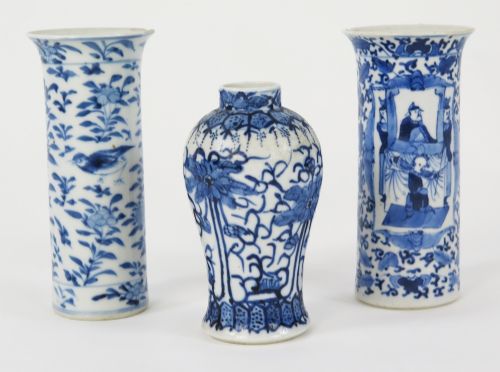
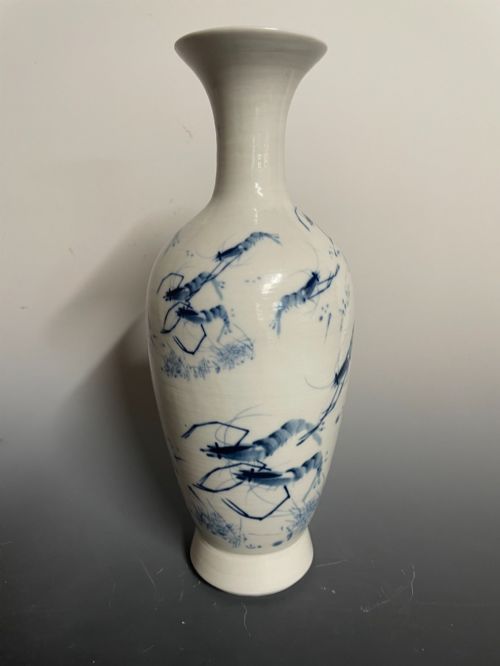
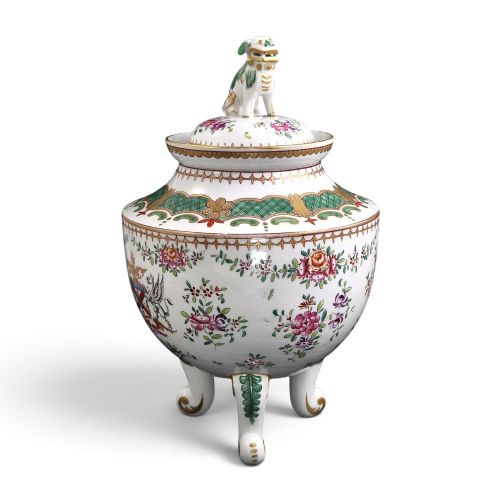
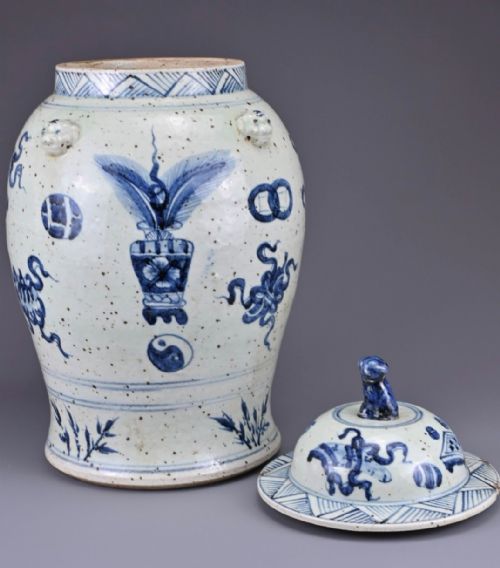
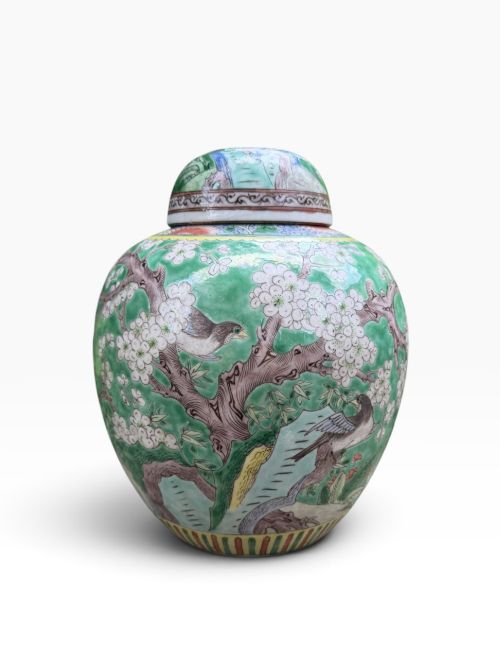
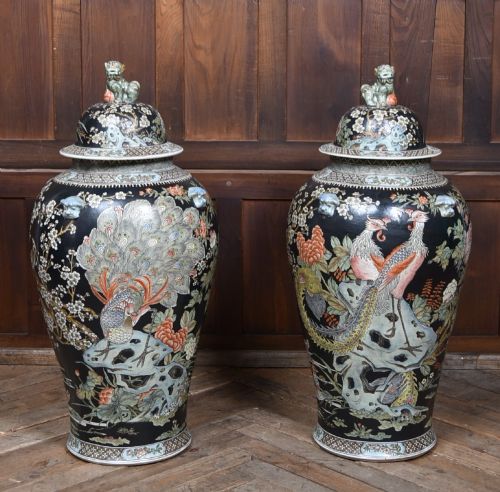
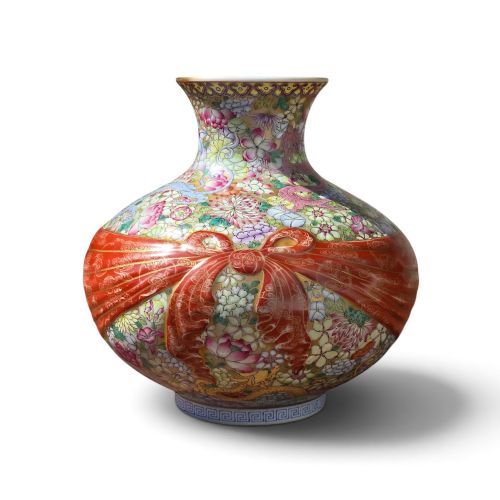
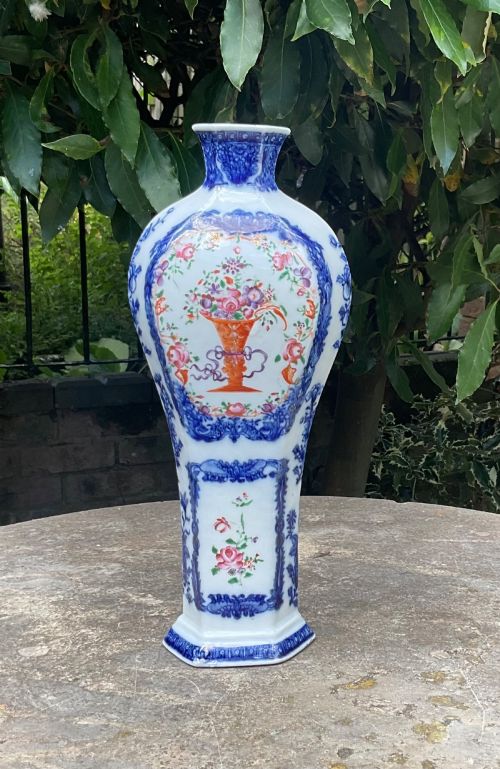
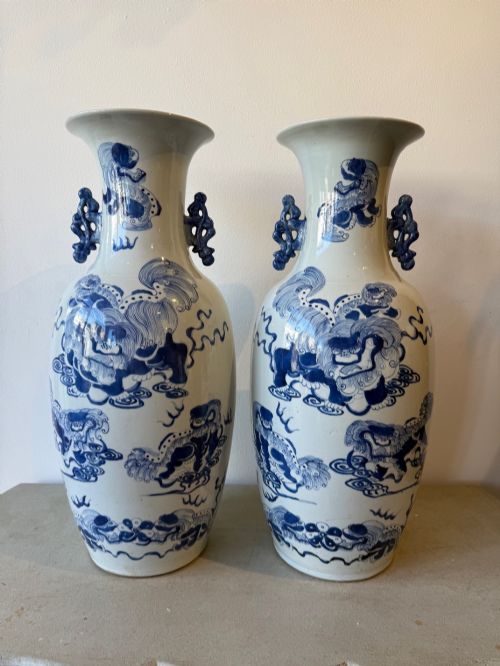
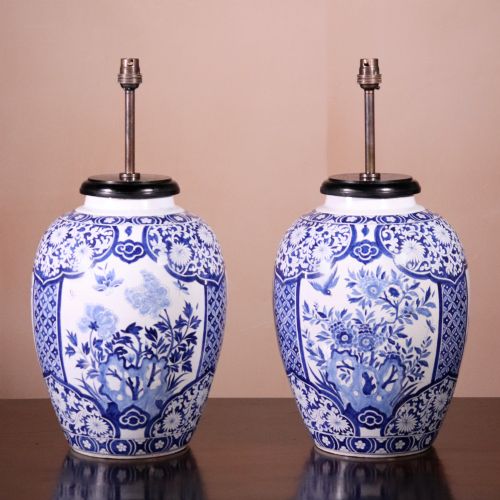
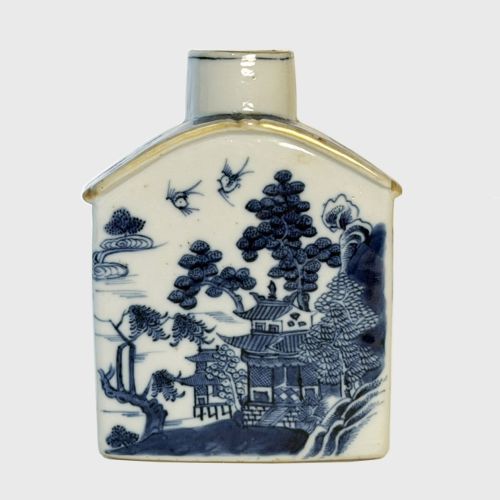
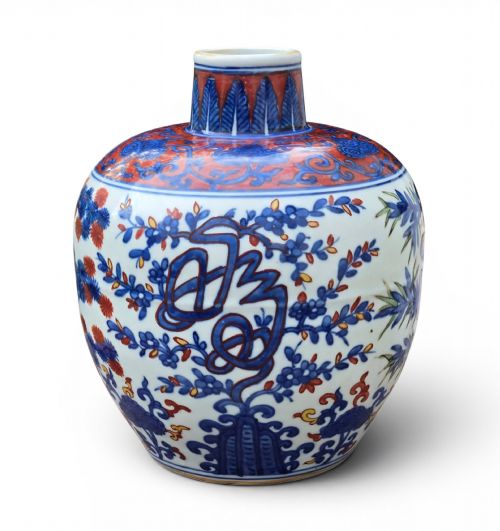
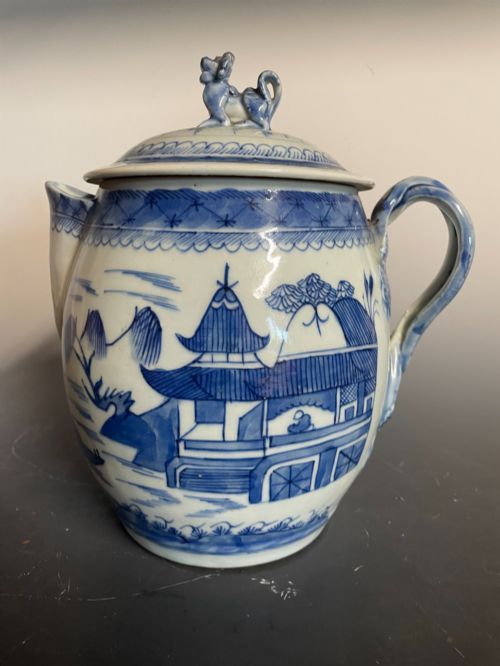
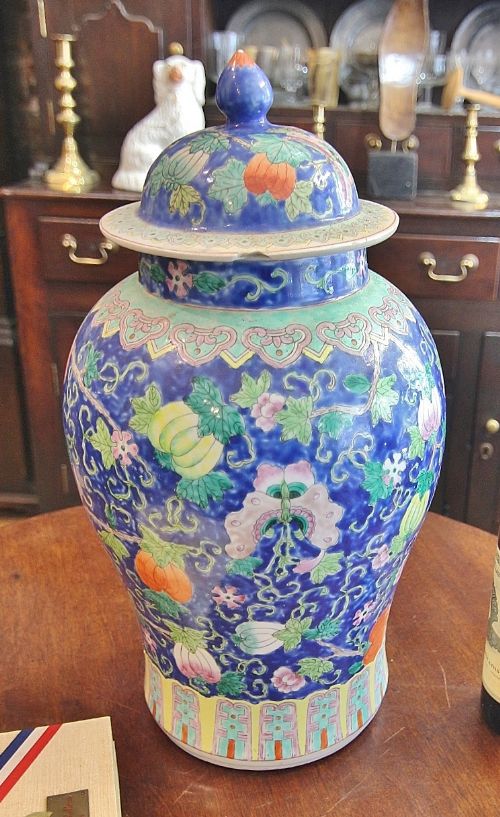
An antique chinese porcelain jar encompasses vessels designed for storage, ritual, or display, spanning dynasties from the Ming and Qing periods through to the early twentieth century. The selections available typically include ginger jars with covers, blue and white containers, and famille rose decorative vessels created for domestic use or export markets.
Makers utilised traditional forms such as baluster, ovid, and double-gourd profiles, often mounted later as table lamps or paired as garnitures. These objects reflect the changing aesthetic demands placed upon Chinese kilns by both local patrons and Western collectors over hundreds of years.
Materials and construction methods
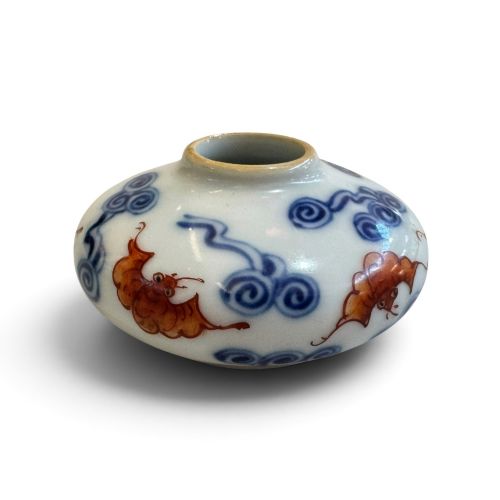
Potters constructed each antique chinese porcelain jar using fine white clay bodies covered in translucent or coloured glazes, fired at high temperatures in wood- or coal-fired kilns. Cobalt blue pigment was painted directly onto the unglazed body beneath a clear glaze before the primary firing, while iron-red, green, and enamel colours were applied over the glaze and fired again at lower temperatures.
Covered pieces frequently integrated hand-thrown lids fitted precisely to the neck of the vessel, accompanied by secondary materials such as carved wooden stands or brass mountings added during later adaptations.
Several enterprising nineteenth-century European workshops happily signed their own porcelain copies with Chinese characters just to keep collectors guessing.
Differentiating quality across examples
The standard of an antique chinese porcelain jar depends upon the precision of the throwing, the clarity and depth of the underglaze cobalt or enamel painting, and the control demonstrated during the kiln firing. Superior specimens exhibit finely detailed brushwork depicting narrative scenes, dragons, or floral motifs without blurring or pooling of the pigments.
Markings also influence distinction, as imperial reign marks or well-executed hall marks indicate higher workshop standards compared to standard export production, while the integrity of the porcelain body itself remains smooth and well-potted.
Jiajing·Guangxu·Kangxi·Qianlong·Samson Paris
The Antique Chinese Porcelain Jar Glossary
- Famille Rose
- A palette of opaque enamel colours dominated by pink or rose tones, introduced during the Qing dynasty. This technique allowed artists to paint intricate floral and figurative scenes.
- Underglaze Blue
- A decoration method where cobalt oxide is applied to the raw porcelain body before glazing and firing. It produces a durable blue design beneath a transparent glassy surface.
- Ginger Jar
- A broad-shouldered, short-necked storage vessel traditionally used for spices or preserved ginger. Collectors prize these for their symmetrical proportions and domed covers.
- Transitional Period
- The era between the Ming and Qing dynasties defined by artistic freedom and innovation in porcelain painting. Pieces from this time often feature vivid narratives in blue and white or wucai enamels.
- Crackelure
- A network of fine decorative fissures intentionally or accidentally produced in the glaze layer. It adds texture and depth to monochrome or celadon surfaces.
Antique Chinese Porcelain Jar: Frequently Asked Questions
How do I date an antique chinese porcelain jar?
Dating relies on stylistic shifts in painting techniques, shape profiles, and the presence of imperial reign marks or cyclical dates. Comparing the potting style and glaze consistency to known period examples helps narrow down the century.
Changes in trade patterns and export styles also provide clues, particularly for pieces created for Western markets during the late Qing and early Republic eras.
Were all these jars used for storing ginger?
Many jars with broad shoulders and flat bases originated as containers for various dry goods, spices, or gifts rather than ginger specifically. Their sturdy construction made them practical for maritime transport during international trade.
Over time, collectors and interior designers adopted the term ginger jar to describe this specific rounded silhouette regardless of its original pantry function.
How should I clean my porcelain jar?
Dust the surface gently with a soft, dry cloth or a feather duster to remove everyday particles without applying pressure to painted enamel details. Avoid abrasive sponges or chemical cleaning agents that might harm older glazes.
If the piece requires deeper cleaning, use lukewarm water with a mild, neutral soap, rinsing thoroughly and drying immediately with a lint-free towel.
Can I display my jar in direct sunlight?
Continuous exposure to strong sunlight can cause overglaze enamels, particularly pinks and reds from the famille rose palette, to fade over long periods. Position your piece away from unshaded windows to preserve the vibrancy of the pigments.
Rotating the display periodically ensures that any environmental exposure remains balanced across all sides of the vessel.