



Blue White Porcelain Pot
A blue white porcelain pot brings centuries of cobalt painting and ceramic craft to a room, offering both decorative presence and historic utility.
Blue White Porcelain Pot
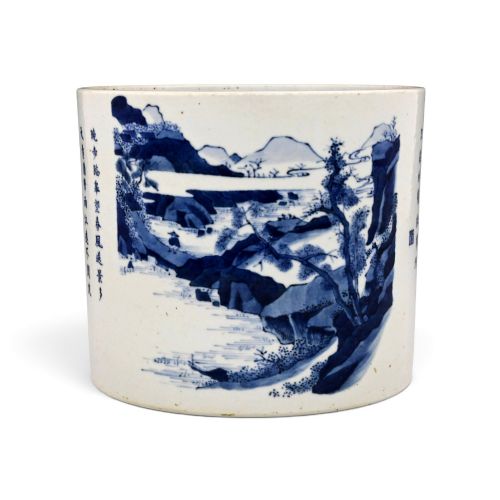
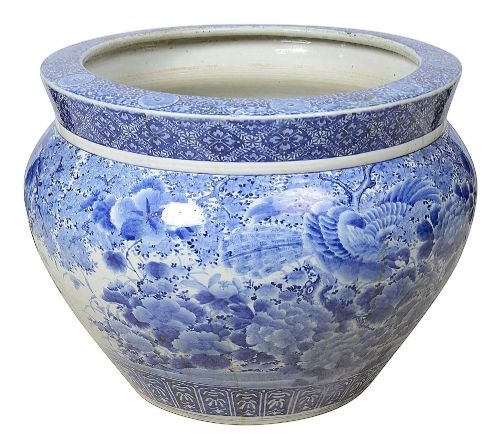
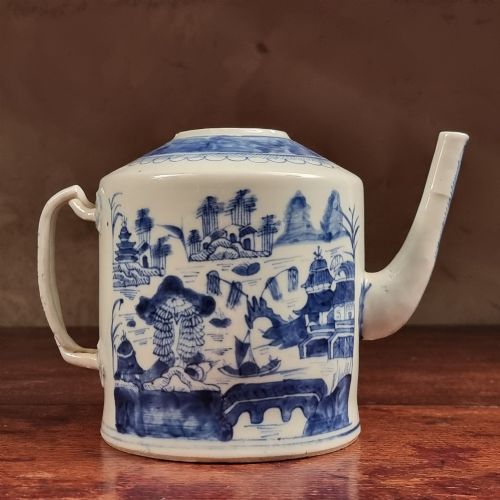
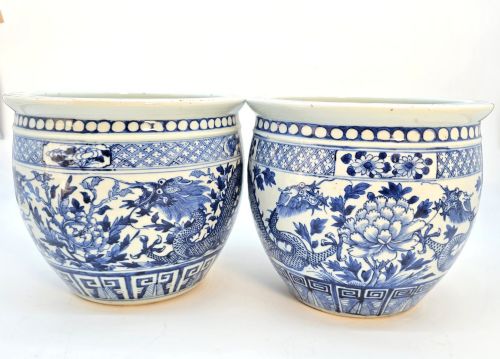
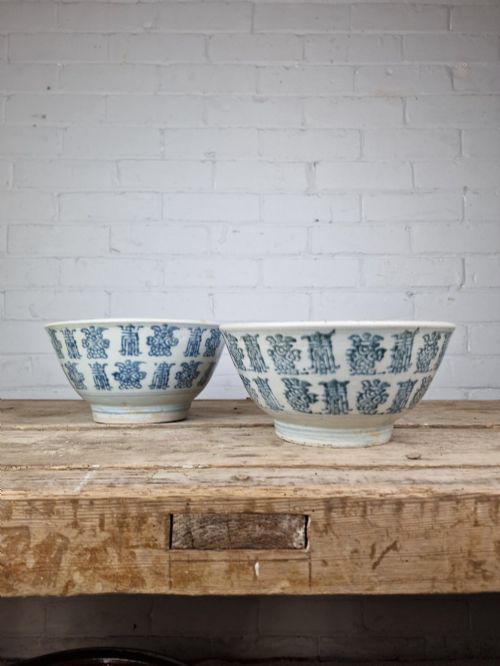
A blue white porcelain pot encompasses a diverse range of forms including large jardinieres, brush pots, teapots, ginger jars, and decorative bowls spanning from the seventeenth century through to the early twentieth century.
Buyers will frequently encounter Chinese export pieces from the Qing Dynasty alongside Japanese Arita and Imari examples from the Edo and Meiji periods, reflecting extensive trade and regional ceramic traditions.
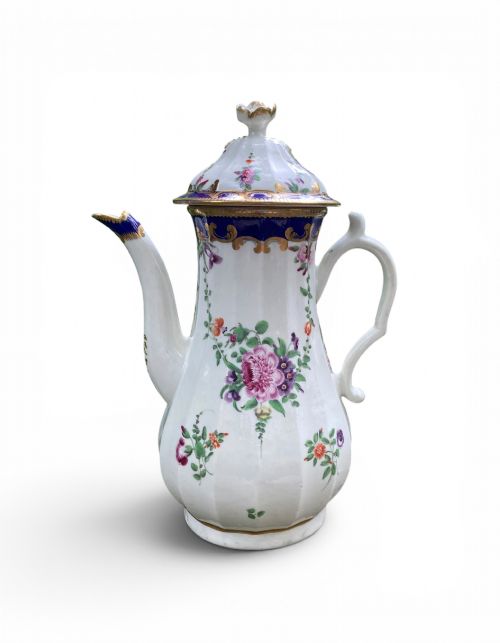
British factories also contributed to this tradition, producing domestic tea wares and coffee pots decorated with cobalt underglaze patterns during the Georgian era.
How they were made
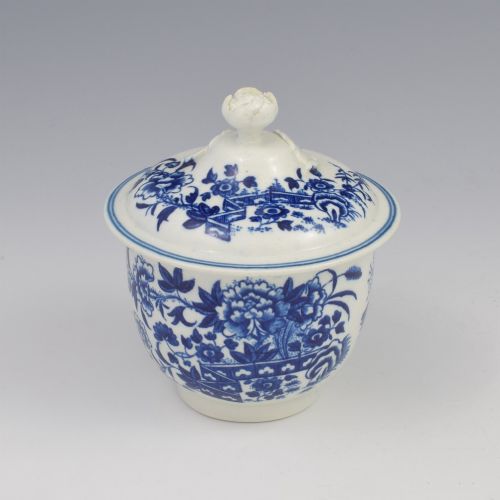
Potters utilised ceramic clay and porcelain bodies painted with cobalt underglaze before applying a clear glaze and firing at high temperatures to achieve the characteristic blue and white coloration.
Selected pieces incorporated additional ornamentation through enamels and gold leaf, combining painted cobalt with contrasting iron red, green enamel, or gilt highlights.
Early wares relied on hand-thrown construction and mineral pigments, resulting in varied depths of blue tone depending on the preparation of the cobalt and the kiln atmosphere.
The listings here include porcelain, ceramic, and ironstone materials spanning the seventeenth, eighteenth, and nineteenth centuries.
What varies in quality
Quality rests upon the crispness of the cobalt painting under the glaze, the fineness of the porcelain body, and the balance of the overall form.
Peculiarities in brushwork, the depth of the cobalt hue, and the control demonstrated during the high-temperature firing distinguish standard domestic wares from exceptional scholar's objects and large display jardinieres.
The Blue White Porcelain Pot Glossary
- Cobalt Underglaze
- A pigment applied directly to the unglazed ceramic body before the application of a transparent glaze and subsequent firing. This technique protects the blue decoration from wear over centuries of use.
- Jardiniere
- A large decorative pot or planter designed to hold growing plants or floral arrangements. They appear frequently in larger ceramic forms from both Chinese and Japanese traditions.
- Imari
- A style of Japanese porcelain featuring a palette of underglaze blue, iron red, and gold leaf. The tradition originated in Arita and heavily influenced European ceramic design.
- Bitong
- A cylindrical brush pot utilised by scholars in East Asia for holding writing brushes. These vessels often display intricate painted scenes or carved details.
- Sucrier
- A small covered sugar bowl designed for tea service tables. British factories produced these alongside matching teapots and coffee pots during the eighteenth century.
Blue White Porcelain Pot: Frequently Asked Questions
How do I date a blue white porcelain pot?
Dating relies on stylistic markers, potting techniques, and cobalt characteristics typical of periods such as the Kangxi era, the Qing Dynasty, or the Georgian period.
Examining the foot ring, glaze texture, and base markings often provides additional clues to the era of manufacture.
What is the difference between a jar and a jardiniere?
A jar is typically a closed vessel used for storage, often featuring a lid for items such as ginger or dry goods.
A jardiniere is an open planter vessel designed to display plants or accommodate floral arrangements.
How were these pots used historically?
These vessels served diverse roles ranging from scholarly desk accessories and tea service items to domestic planters and dry goods storage.
Export pieces also functioned as decorative display objects in European interiors influenced by Asian trade.
Can I use an antique jardiniere for planting?
Many buyers continue to use large jardinieres for holding potted plants inside the home.
Placing a modern liner inside the vessel protects the historic ceramic body from moisture and soil contact over time.