


Antique Chinese Jar
When you search for an antique chinese jar, you enter a vast landscape of porcelain, bronze, and lacquer vessels spanning dynasties and centuries.
Antique Chinese Jar
The term antique chinese jar encompasses a diverse array of lidded containers, temple vessels, and ginger jars produced for domestic use and export markets. You will frequently encounter nineteenth-century pieces from the Qing Dynasty, alongside earlier examples spanning from the Tang and Song periods up to the early twentieth century.
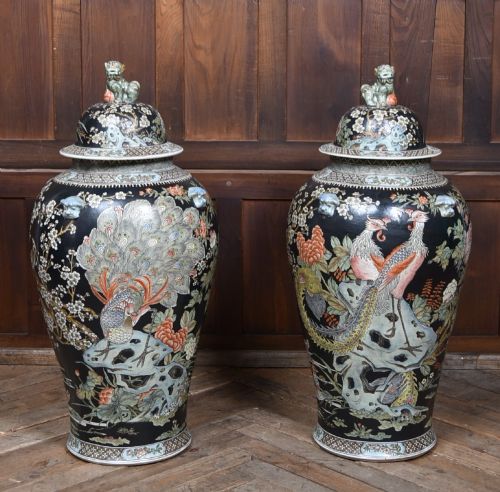
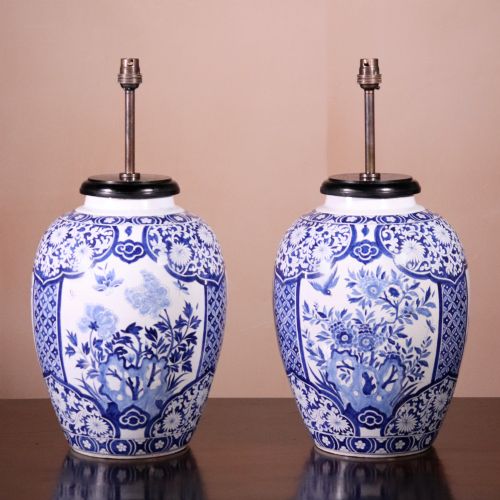
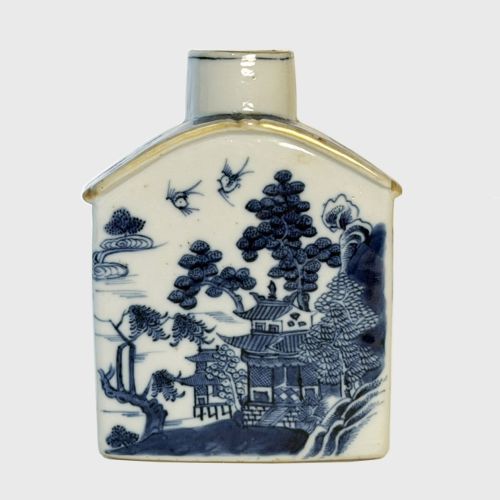
These vessels appear in various forms, including traditional ginger jars, double-gourd vases, baluster shapes, and tea caddies. Many pieces function today as decorative lamps or planters, adapting historic ceramics and bronzes for contemporary domestic interiors.
Materials and construction methods
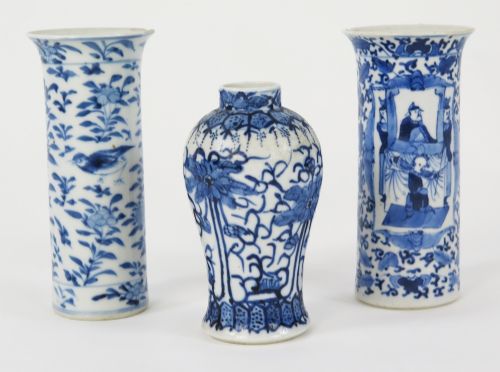
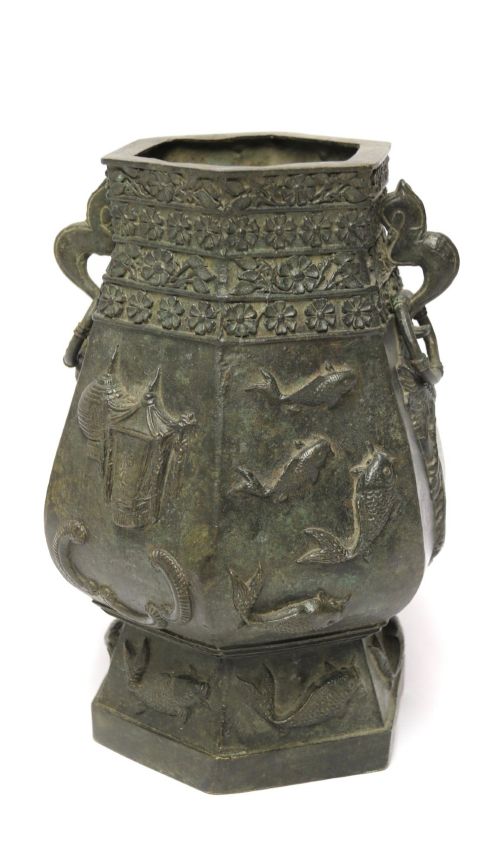
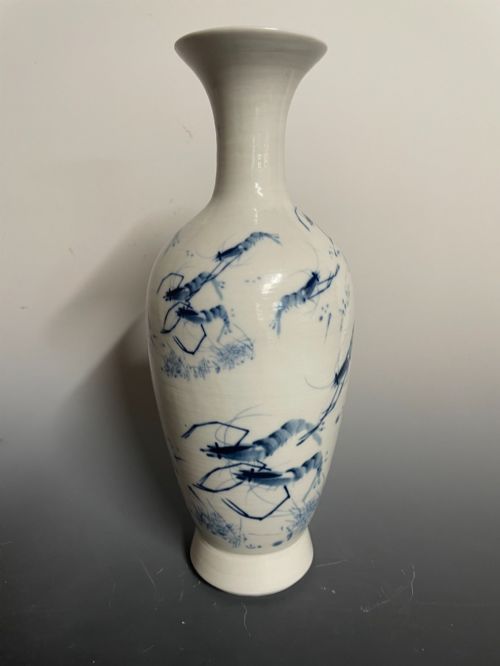
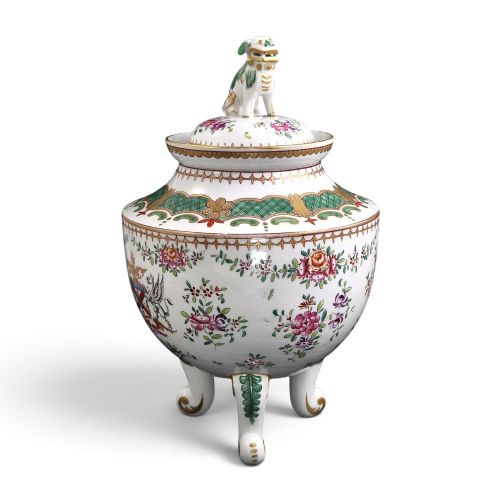
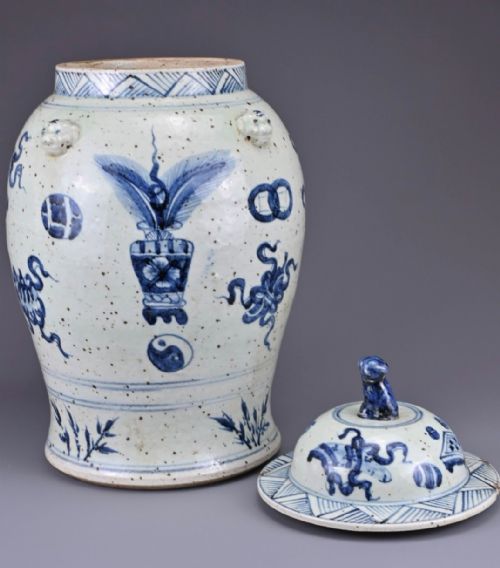
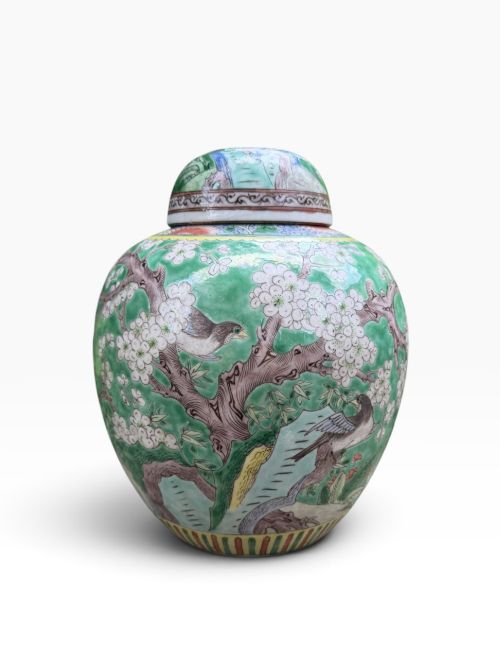
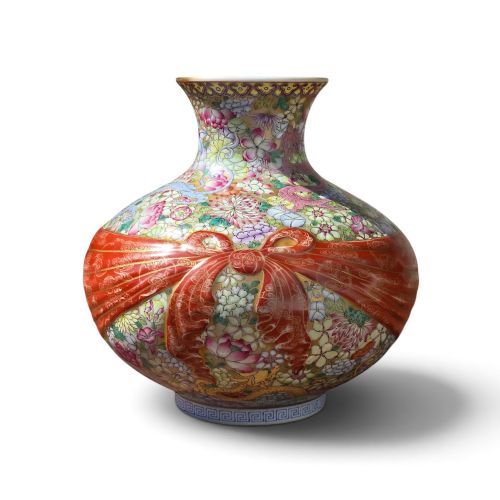
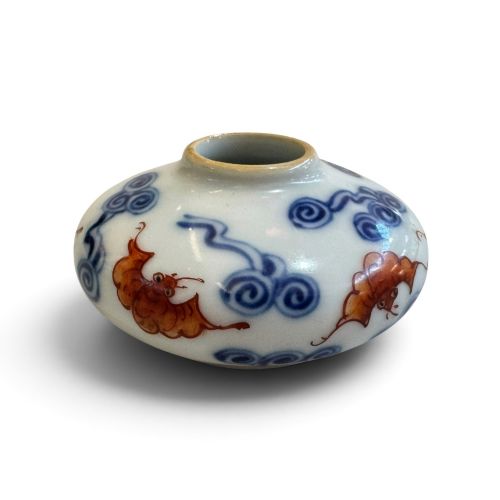
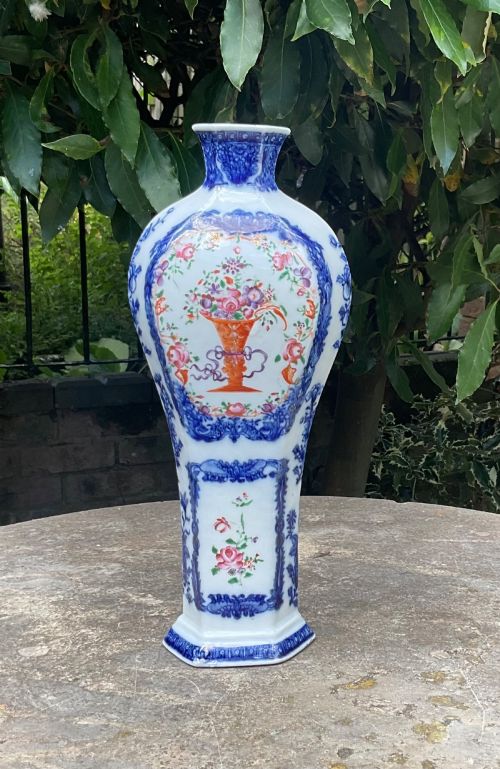
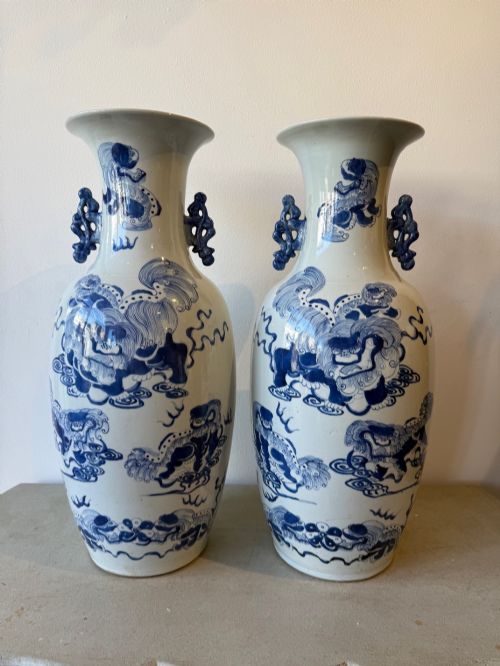
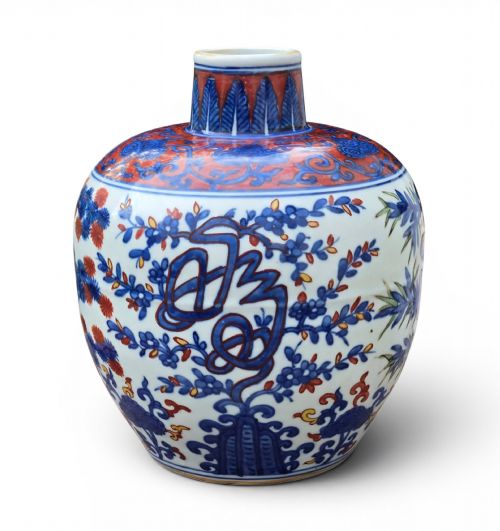
Potters and artisans utilised high-fired porcelain, earthenware, and ceramic bodies, often finishing surfaces with cobalt blue underglaze, polychrome enamel palettes like Famille Rose and Famille Verte, or monochrome crackle glazes. Metalworkers shaped solid bronze and brass vessels, whilst woodworkers carved intricate red cinnabar lacquer and bamboo containers.
Techniques ranged from hand-painted cobalt decoration and delicate iron-red motifs to carved relief work and gold leaf application. Firing took place in major production centres such as Jingdezhen, where master craftsmen perfected high-temperature glazes and precise enamelling.
The inventory records diverse forms including ginger jars, double-gourd vases, tea caddies, and architectural garden planters.
Distinctions in craftsmanship and finish
Quality separates through the crispness of the hand-painted brushwork, the depth and clarity of the underglaze cobalt or enamel colours, and the precision of the potting. Superior examples display balanced proportions, finely detailed pictorial scenes of birds, flowers, or figures, and carefully finished foot rings.
The integrity of the surface glaze and the preservation of original covers or matching lids heavily influence the standing of a piece. Finer vessels exhibit deliberate control over firing temperatures, avoiding distortion in the clay body whilst maintaining vibrant, stable pigment application.
The Antique Chinese Jar Glossary
- Ginger jar
- A wide-shouldered, storage vessel originally designed to hold spices or salt, typically featuring a domed cover and robust porcelain walls.
- Famille rose
- A prominent palette of opaque enamels introduced in the eighteenth century, dominated by pink and rose colours derived from colloidal gold.
- Qing dynasty
- The final imperial dynasty of China, lasting from 1644 until 1912, known for prolific ceramic production and vibrant export wares.
- Celadon
- A term for pottery denoting both wares glazed in jade-green hues and the specific translucent green glaze itself, prized for its subtle stone-like appearance.
- Double-gourd
- A distinctive vessel shape formed of two rounded sections stacked vertically, symbolising auspicious fortune and longevity in traditional design.
Antique Chinese Jar: Frequently Asked Questions
What is a ginger jar used for?
Historically, these lidded containers stored valuable spices, salt, and oils within Chinese households. Over time, European markets adopted them primarily as decorative ornaments and mantelpiece displays.
Today, collectors appreciate them as sculptural interior accents, and many surviving examples have been converted into table lamps while retaining their historic ceramic bodies.
How do I identify a Qing Dynasty jar?
Qing Dynasty pieces often feature distinct reign marks on the base, though unmarkable export wares remain common. Stylistic indicators include vibrant Famille Rose enamels, detailed cobalt blue underglaze painting, and robust porcelain bodies.
Examining the foot ring, glaze texture, and wear patterns helps determine whether a vessel originates from the nineteenth century or earlier imperial periods.
Are all blue and white jars antique?
Not every blue and white vessel dates to early imperial periods. While Kangxi and Qianlong designs are heavily represented, nineteenth-century revivals and later export pieces frequently emulate these classic styles.
Evaluating the age requires looking closely at the iron-spotted cobalt, the density of the porcelain, and the natural ageing of the glaze surface rather than relying solely on decorative motifs.
Can I use antique jars as lamps?
Many historic vessels have been fitted for electricity to serve as functional table lamps. This adaptation often occurred during the Victorian era or mid-twentieth century to give heavy temple jars and vases a new domestic purpose.
When purchasing a converted jar, check whether the mounting preserves the original porcelain body without drilling destructive holes through foundational marks.