


Antique Chinese Desk Accessories
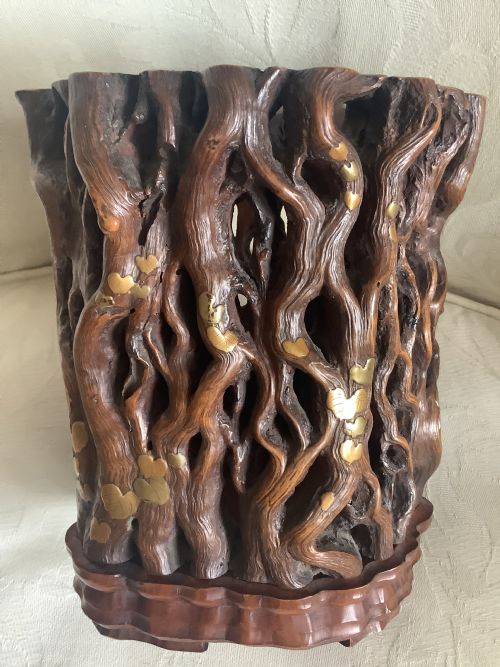
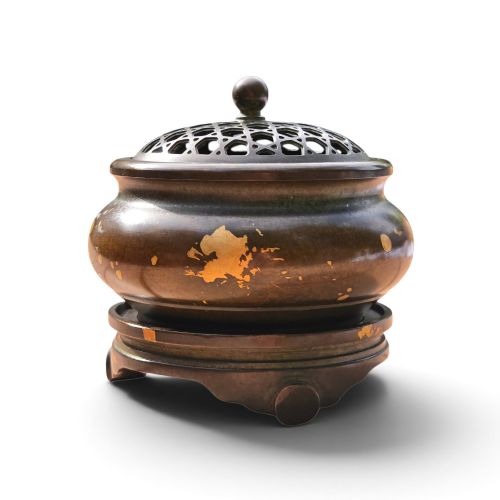
Antique chinese desk accessories bring the quiet discipline of the scholar's studio to the modern desktop through carved brush pots and bronze censers.
Antique Chinese Desk Accessories
Antique chinese desk accessories comprise functional implements created for the traditional writing table, including brush pots, brush washers, inkwells, paperweights, and bookends. These objects reflect the pursuits of the literati and scholars who practiced calligraphy, painting, and poetry in the studio.
The pieces appearing on this page span several centuries, reaching from the seventeenth century through the Qing Dynasty, the Republic period, and into the Victorian era. Scholars' objects in porcelain, soapstone, bronze, and bamboo dominate the selections currently encountered by buyers.
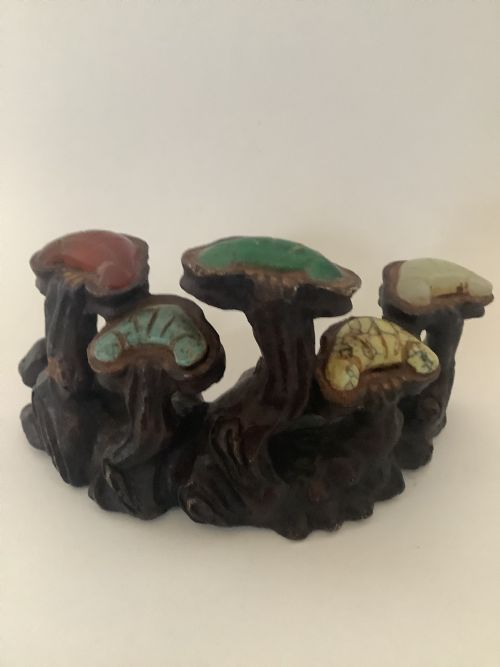
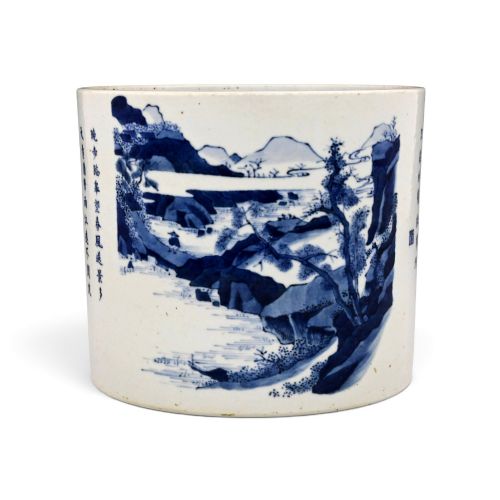
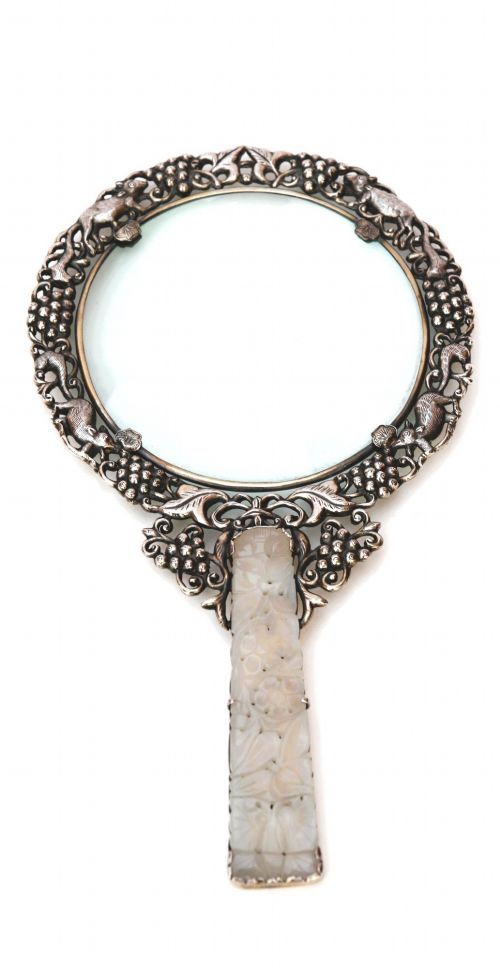
Forms range from simple carved bamboo cylinders to elaborate cast bronze censers, jade-mounted magnifying glasses, and porcelain bitong vessels. Each item served a distinct purpose within the scholar's workspace, holding writing brushes, resting ink blocks, or weighting down scrolls of paper.
Materials and Working Methods
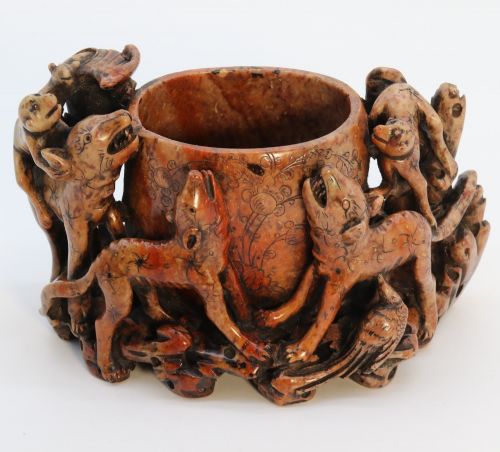
Makers utilised organic and mineral substances, shaping bamboo, hardwood, soapstone, and buffalo horn with intricate carving techniques. Wood and bamboo items display deep relief carving that reveals the natural grain and growth rings of the material.
Metalworking traditions appear in cast bronze and sterling silver pieces, occasionally accented with enamel, gold, or jade inserts. Porcelain items utilise underglaze blue and white painting as well as famille rose and famille noire enamel palettes applied before firing.
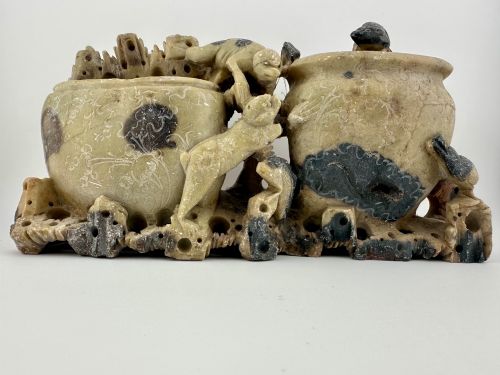
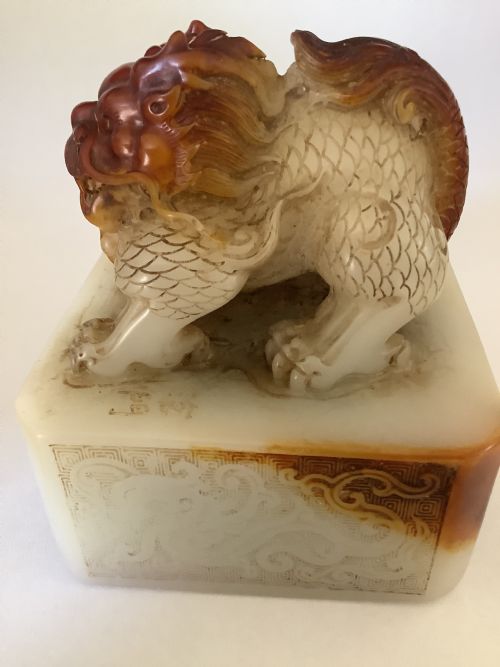
Several items double as miniature menagerie exhibits, featuring singing boys, stone dogs of fo, and enamelled fish.
Assessing Craftsmanship and Material Selection
Superior examples demonstrate crisp definition in carved details, whether rendering figures on a soapstone brush washer or feathers on a bronze brush rest. Finer items preserve the integrity of the natural material while achieving balance and proportion in the finished form.
The choice of medium heavily influences distinction, as densely grained hardwoods, translucent soapstones, and finely potted porcelain represent higher tiers of production. Condition and age-appropriate patina also separate exceptional desk objects from standard decorative items.
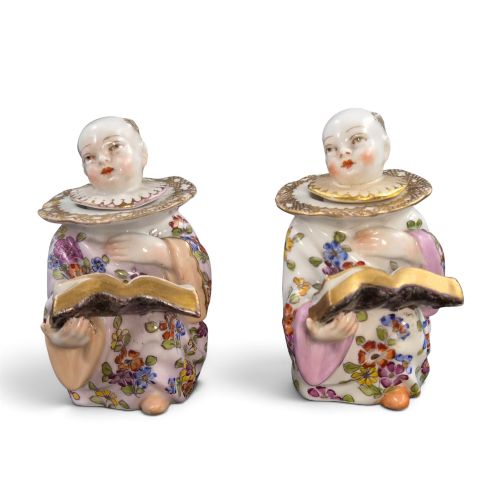
Edmé Samson
The Antique Chinese Desk Accessories Glossary
- Bitong
- A cylindrical brush pot used in the Chinese scholar's studio to hold writing brushes. These vessels appear in porcelain, bamboo, and hardwood.
- Famille Noire
- A ceramic palette defined by a glossy black enamel ground, frequently decorated with contrasting coloured enamels.
- Soapstone
- A soft, talc-based stone prized for its smooth texture and suitability for detailed figurative and floral carving.
Antique Chinese Desk Accessories: Frequently Asked Questions
What is a bitong?
A bitong is a cylindrical container traditionally used on a scholar's desk to hold writing brushes upright when not in use.
These pots appear in materials such as porcelain, carved bamboo, and hardwood, featuring decorative scenes or natural textures.
How were these objects used?
These pieces served practical functions within the traditional Chinese scholar's studio for writing, painting, and meditation.
Items such as brush washers cleaned ink from brushes, while paperweights and scroll weights held documents steady during calligraphy practice.
What materials should I look for?
The selection includes natural materials like soapstone, bamboo, hardwood, and buffalo horn alongside metals such as bronze and silver.
Ceramics and porcelain with blue and white or famille rose decoration also represent the primary mediums used in these desk objects.
How do I date an antique Chinese brush pot?
Dating relies on stylistic markers associated with periods such as the Kangxi era, the Qing Dynasty, or the Republic period.
Examining the carving depth, material wear, and specific glaze types helps distinguish pieces made in the seventeenth century from later nineteenth-century interpretations.