

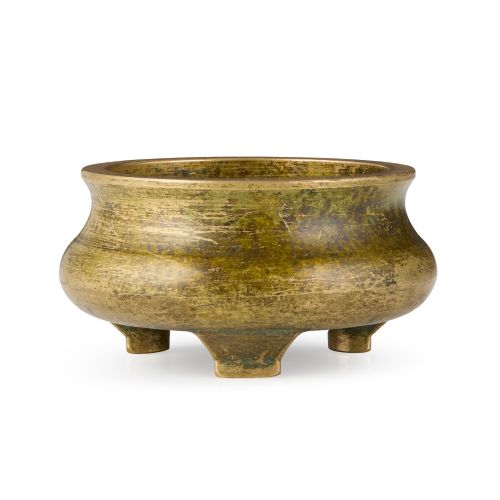


Asian Scholar Desk Object
An asian scholar desk object brings refined literati taste to your study through traditional forms shaped from bronze, hardwood, soapstone, and bamboo.
Asian Scholar Desk Object
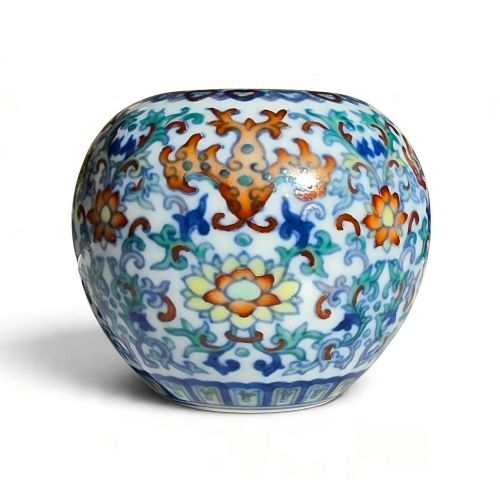
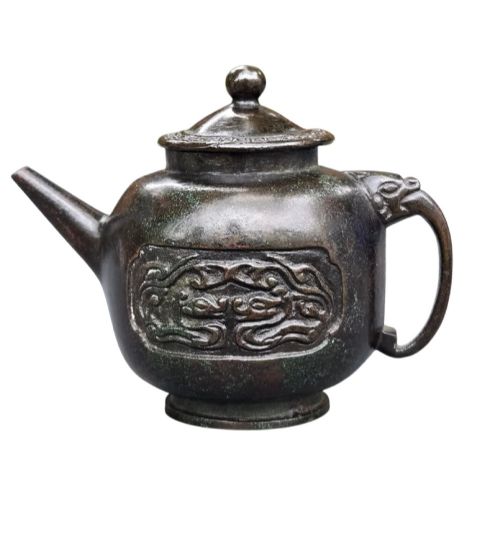
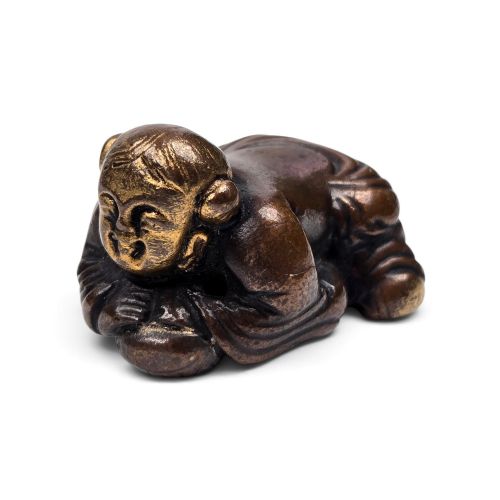
An asian scholar desk object encompasses the functional and contemplative items traditionally gathered in a literati studio, including brush pots, seals, water vessels, and paperweights. These pieces reflect centuries of artistic production linked to the Qing Dynasty, Ming Dynasty, and earlier periods.
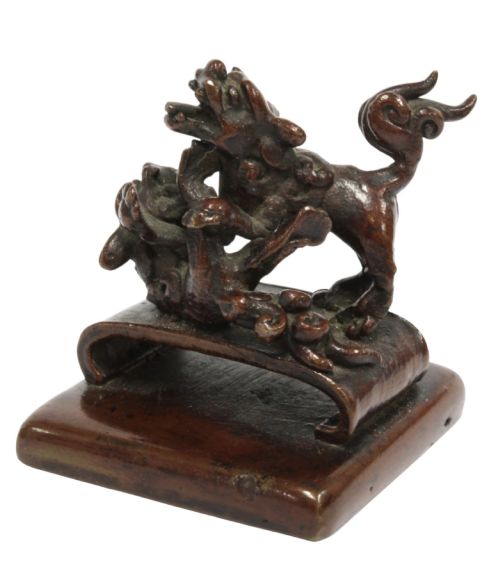
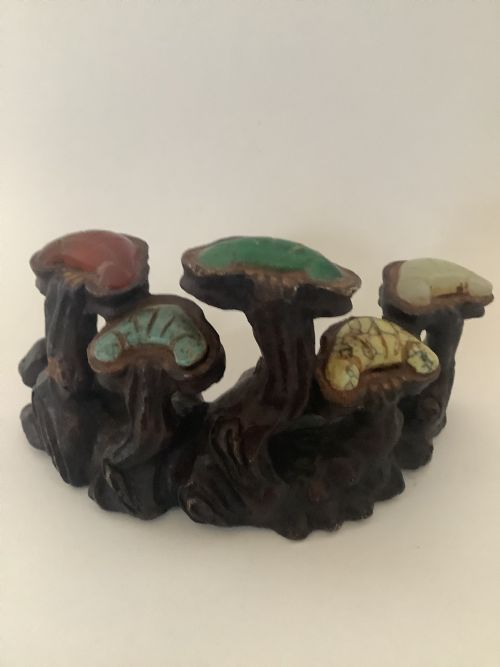
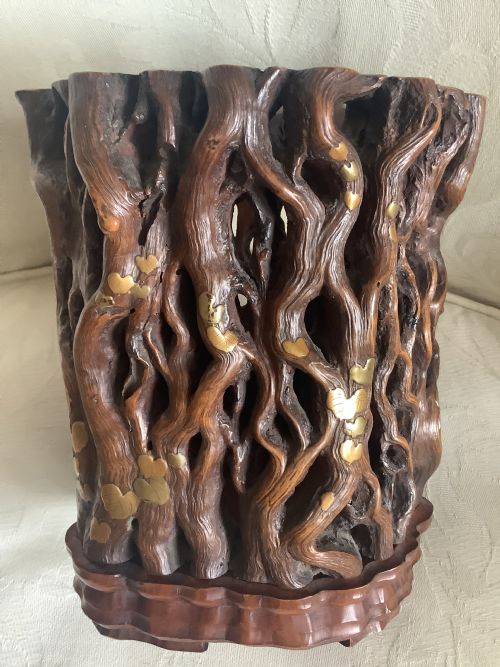
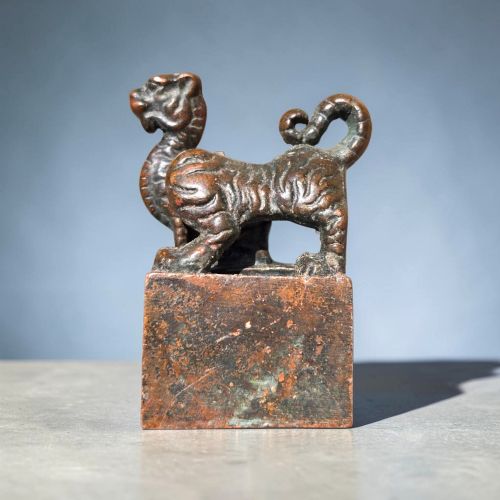
The selections available here range from solid cast bronze seals and nested qilin sets to intricately carved hardwood brush pots, soapstone chi dragon seals, and bamboo okimono. Such items were designed for writing, painting, and quiet contemplation by scholars and officials.
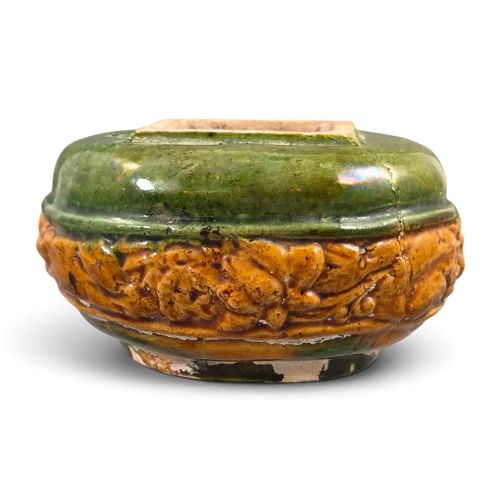
Origins stretch across Chinese provincial workshops and the Meiji Period in Japan, demonstrating a rich cross-cultural appreciation for scholarly desk accessories. Buyers encounter works spanning from pre-sixteenth century ceramic waterpots up to early twentieth-century carvings.
Materials and Techniques
Metals play a central role, utilising bronze cast through traditional methods and occasionally finished with selective fire-gilding or inscribed studio marks. Artisans also worked with brass to form durable, utilitarian scholarly implements.
Organic and mineral mediums demand meticulous hand carving, seen in dense hardwoods, root wood, buffalo horn, bamboo, and soapstone. These natural substances are shaped to highlight the grain, texture, and inherent character of each material.
Ceramics and hardstones appear in specialised forms such as earthenware waterpots and puzzle cups, reflecting ancient firing and cutting techniques passed down through generations.
Asian Scholar Desk Object Retail Price Guide 2026
Typical asking prices for asian scholar desk object among the pieces listed under this phrase on Sellingantiques today, from the lower quarter to the upper quarter. They describe what is for sale here now, not the wider market.
Materials represented across the collection include cast bronze, soapstone, hardwood, buffalo horn, gold leaf, and earthenware.
Markers of Quality
The Asian Scholar Desk Object Glossary
- Brush pot
- A cylindrical vessel, known as a bitong, used to hold writing brushes on a scholar's desk. They are commonly carved from bamboo, hardwood, or porcelain.
- Scholar's seal
- A carved stamp used for signing artwork and official documents, frequently topped with mythical beasts like the qilin or shishi.
- Okimono
- A small Japanese decorative sculpture designed for display on a shelf or desk, often carved from bamboo or ivory during the Meiji Period.
- Tripod censer
- A ritual vessel supported by three legs, utilised for burning incense in traditional studies and meditation spaces.
Asian Scholar Desk Object: Frequently Asked Questions
What is an asian scholar desk object?
These are traditional implements and decorative pieces created for the study of an educated scholar, encompassing items for writing, painting, and meditation.
Examples include brush pots, bronze seals, water pots, and paperweights shaped from materials like bronze, hardwood, soapstone, and bamboo.
How were these scholar items used?
Scholars utilised these objects daily for practical tasks such as grinding ink, washing brushes, weighing down paper, and stamping documents.
Beyond utility, items like incense burners and carved figures fostered a tranquil, contemplative environment suited for poetry and brushwork.
How should I display them at home?
Place brush pots, water vessels, and bronze seals on desks, bookshelves, or dedicated display surfaces where their textures can be appreciated up close.
Pairing organic materials like bamboo and hardwood with neutral backgrounds helps highlight their natural grain and patination.
How do I identify the period of a piece?
Dating relies on stylistic markers associated with dynasties such as the Ming and Qing, alongside material wear, casting techniques, and inscribed studio marks.
Comparing the tool marks and patination against documented examples helps narrow down the century of manufacture.