


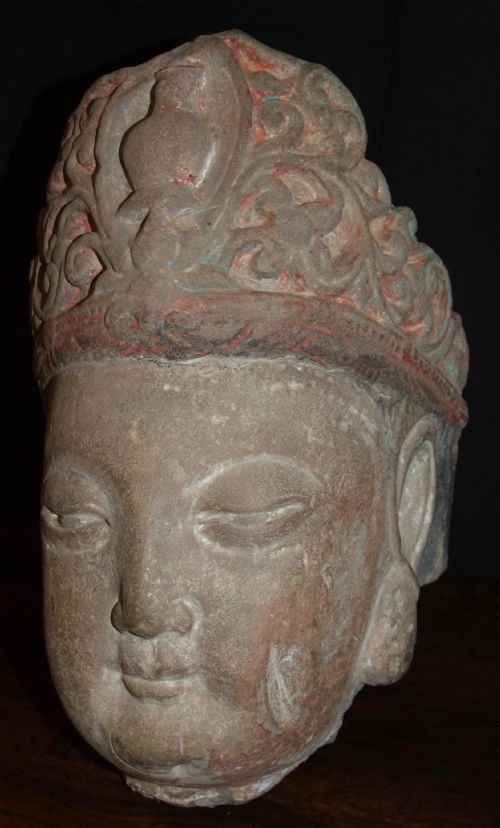


Antique Chinese Deity
An antique chinese deity brings centuries of sacred craft and spiritual presence into a room, taking the form of carved wooden immortals, bronze buddhas, and jade figures.
Antique Chinese Deity
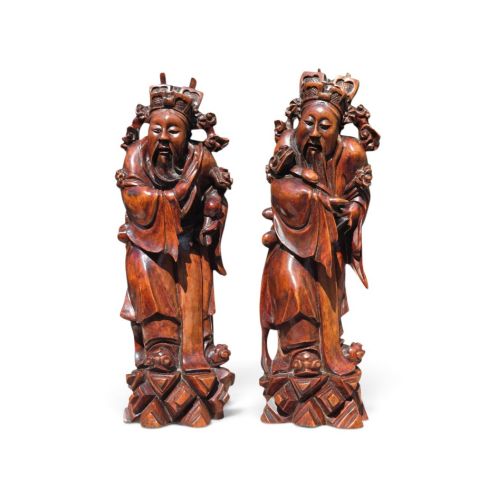
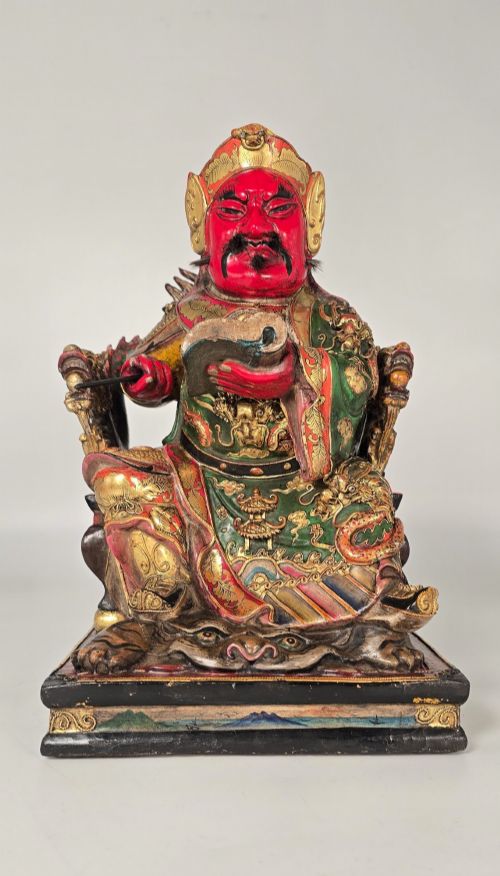
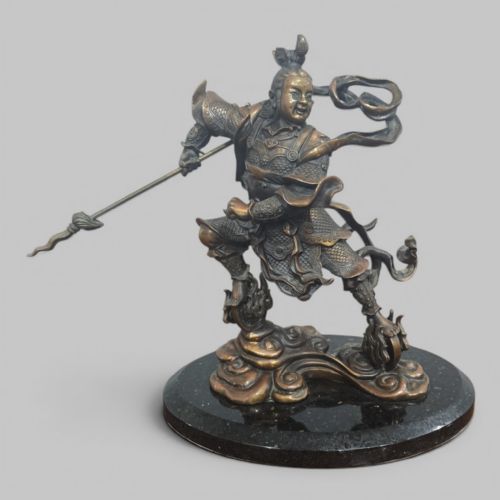
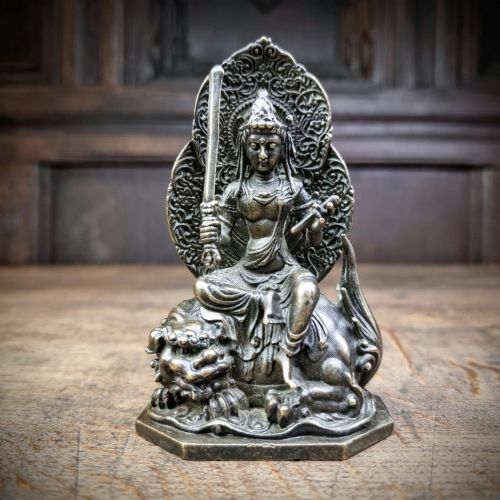
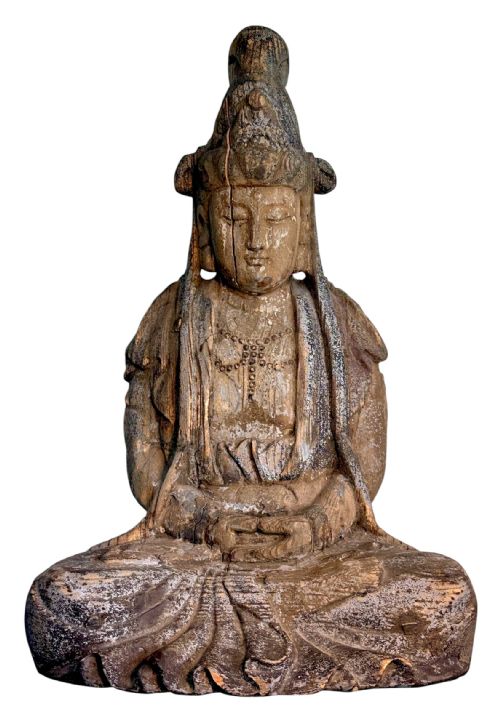
When you search for an antique chinese deity, you encounter a rich tradition of sacred figures spanning centuries of craftsmanship. These objects include temple guardians, Daoist immortals, and depictions of Guanyin, each holding distinct spiritual significance within Chinese culture.
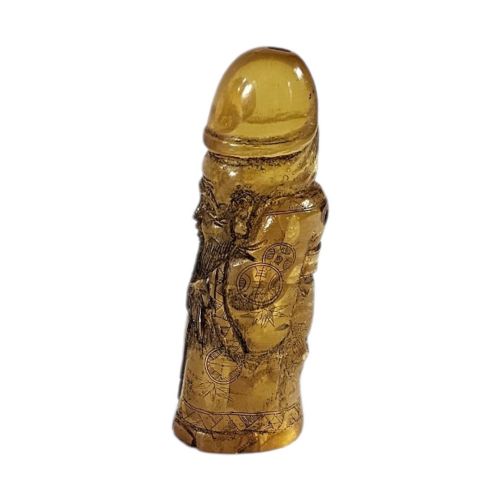
The selections available here lean heavily toward carved wooden sculptures from the nineteenth century, alongside bronze, iron, and jade examples. You find everything from monumental temple figures to small pendants carved from amber or jade.
Most pieces date from the Qing dynasty and the nineteenth century, though earlier material such as Ming dynasty sandstone heads occasionally appears. The variety reflects personal devotion, household altars, and large temple commissions alike.
How they were made
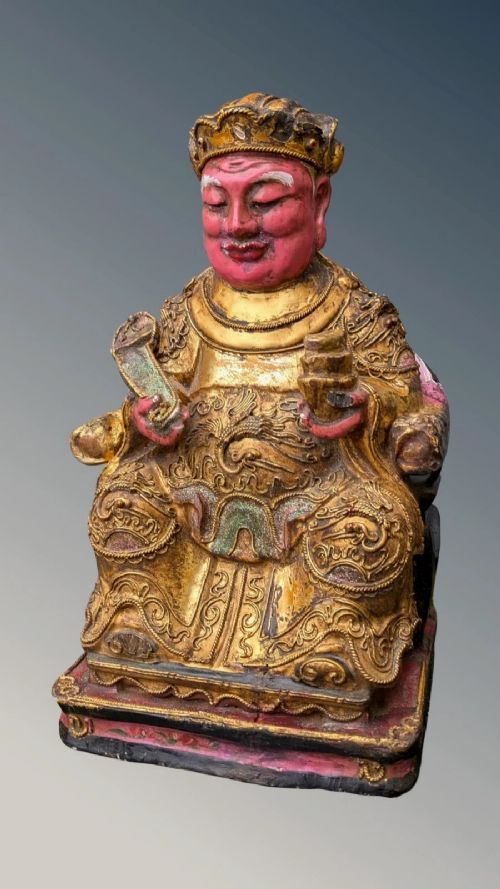
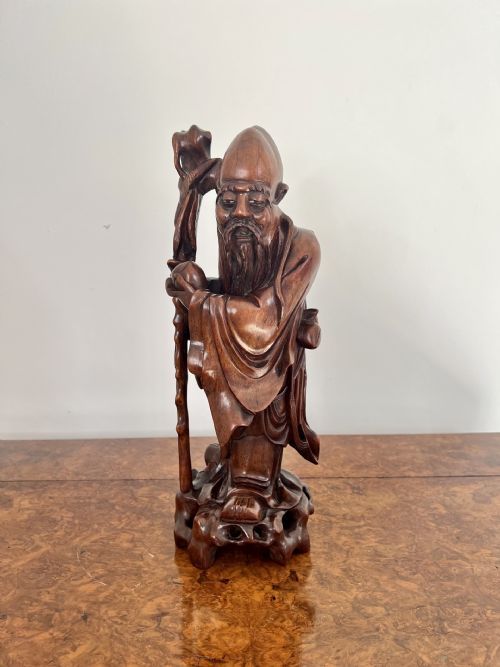
Wood serves as the primary medium, utilising hardwoods, root wood, and bamboo shaped by skilled carvers. Many wooden figures feature layers of gesso, lacquer, and polychrome paint, often enhanced with gold leaf.
Metal sculptures rely on bronze or iron, cast using traditional techniques to create lasting figures such as temple guardians and busts. Details are often finished with gilt or pigment to highlight facial expressions and robes.
Several wooden figures double as medicine statues, historically used by physicians to point out ailments when modesty forbade direct contact.
What varies in quality
Quality rests in the precision of the carving and the preservation of original surfaces, such as polychrome pigment and gold leaf. Superior examples display spirited facial expressions and fluid drapery folds that reveal the carver's hand.
The depth of patination and the integrity of the material dictate distinction across wooden and bronze sculptures. Pieces retaining their original altar context or architectural scale command greater appreciation.
The Antique Chinese Deity Glossary
- Guanyin
- A revered figure representing compassion and mercy, frequently depicted holding a fish basket or standing on a lotus base.
- Qing Dynasty
- The final imperial dynasty of China, spanning from sixteen-fourty-four to nineteen-twelve, which produced a vast quantity of surviving wooden and bronze sculptures.
- Gilt
- Covered thinly with gold leaf or gold paint, adding radiance to bronze, metal, and wooden deity figures.
- Shoulao
- The Daoist god of longevity, commonly recognised in carvings by his high forehead and peach attribute.
Antique Chinese Deity: Frequently Asked Questions
What materials were commonly used?
Carvers utilised local and imported woods, including hardwoods, root wood, and bamboo. Metalworkers cast figures in bronze and iron, frequently finishing them with gold leaf, gesso, and pigments.
Precious stones like jade and amber also appear in smaller pendant forms.
How should I care for wooden deities?
Keep wooden and lacquered sculptures away from direct sunlight and sudden temperature shifts. Stable indoor humidity prevents the gesso and polychrome paint from lifting.
Dust gently with a soft brush rather than using wet cloths or polishes.
How do I date an antique figure?
Dating relies on stylistic markers of the Qing dynasty or earlier periods, combined with the natural ageing of wood, bronze, or lacquer. Tool marks and surface patination provide further clues to age.
Comparing construction methods with dated examples in archives narrows the period.