


Antique Chinese Ceramic Cups
These antique chinese ceramic cups bring the refined hand of the Qing Dynasty and export workshops directly to the tea table.
Antique Chinese Ceramic Cups
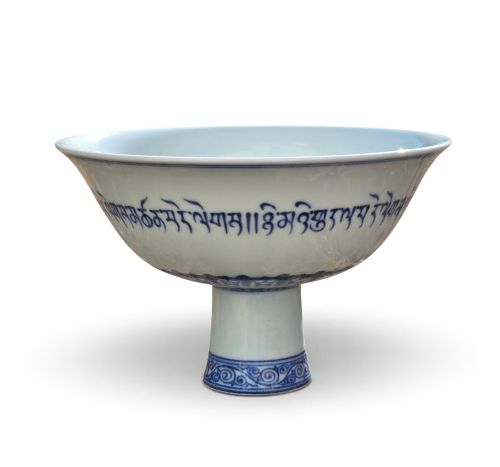
These pieces encompass delicate tea bowls, stem cups, and handled mugs produced during the eighteenth and nineteenth centuries.
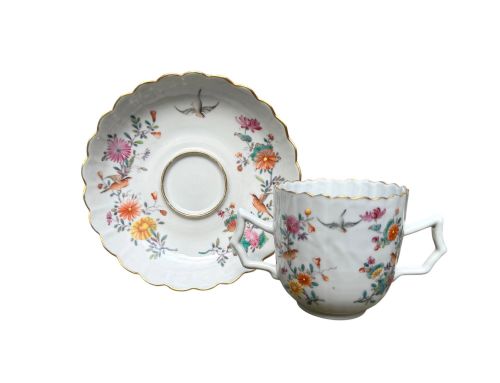
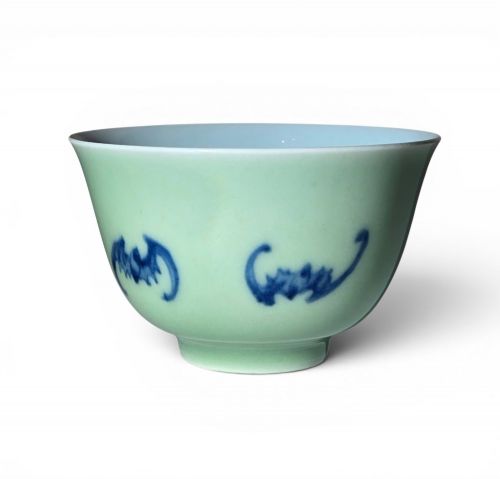
The assortment spans utilitarian export tea wares, imperial marked examples, and domestic pieces decorated with famille rose, celadon ground, and blue and white designs.
How they were made
Potters shaped high-fired porcelain bodies using refined clays before applying cobalt underglaze pigments or vibrant enamel colour palettes.
Many items received secondary embellishments such as gold leaf, gold gilt, or specialised Amsterdam Bont overglaze decoration applied in European studios.
What varies in quality
The refinement of the potting dictates the tier of the vessel, with thin-walled porcelain displaying superior translucency compared to heavier utility mugs.
Pinturial execution separates standard export wares from imperial pieces, particularly in the precision of polychrome enamel work and underglaze cobalt control.
The Antique Chinese Ceramic Cups Glossary
- Famille rose
- A major palette of Chinese ceramic enamels introduced in the eighteenth century, dominated by opaque pink or rose colours derived from colloidal gold.
- Celadon
- A pale green jade-like glaze applied to porcelain bodies, prized for its subtle depth and tactile finish.
- Doucai
- A technique combining underglaze blue outlines with overglaze polychrome enamels filled in within the boundaries.
- Soft-paste porcelain
- A ceramic body containing glass frit or white clay mixtures, fired at lower temperatures to produce a warm texture.
- Tea bowl
- A handleless drinking vessel used historically for tea consumption before Western-style teacups with handles became common.
Antique Chinese Ceramic Cups: Frequently Asked Questions
How do I date these cups?
Dating relies on stylistic evidence, reign marks, and material characteristics such as porcelain density and glaze formulation.
Eighteenth-century examples often display crisp Qianlong period markers or distinct export palettes, whereas nineteenth-century pieces show shifts in manufacturing and decorative intensity.
What is the difference between export and imperial wares?
Export wares were manufactured specifically for Western markets, frequently incorporating European taste within traditional Chinese shapes and painting styles.
Imperial pieces met domestic court standards, exhibiting stricter adherence to historical styles, finer mark execution, and superior technical control.
How were these cups used originally?
They functioned as drinking vessels for tea, wine, or water within domestic, scholarly, and court settings across China and Europe.
Many export sets served formal dining and socializing rituals among the eighteenth-century merchant and aristocratic classes.
Can I use antique porcelain for daily tea?
Most collectors avoid daily use due to the fragility of historical ceramic bodies, potential lead content in old enamels, and the risk of irreversible damage.
Gentle display and handling preserve the integrity of the glaze and any delicate gold leaf or overglaze painting.