

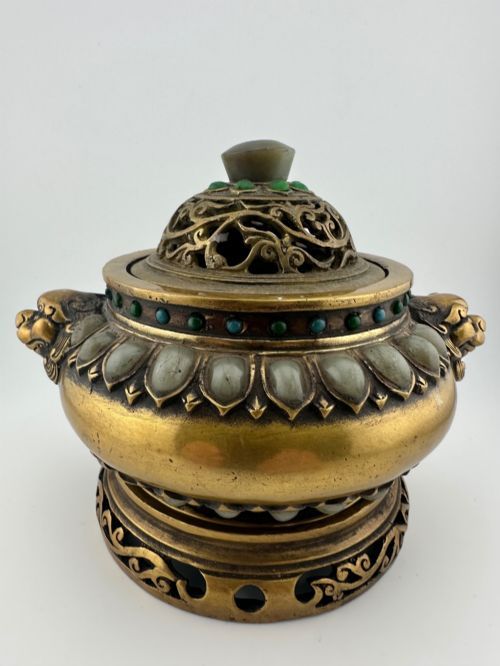
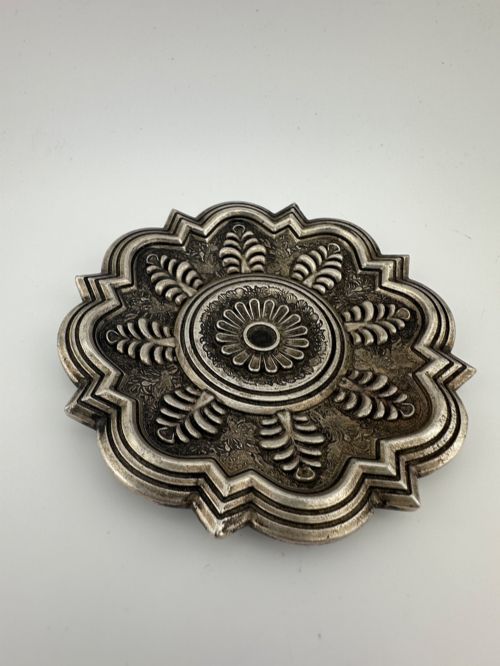
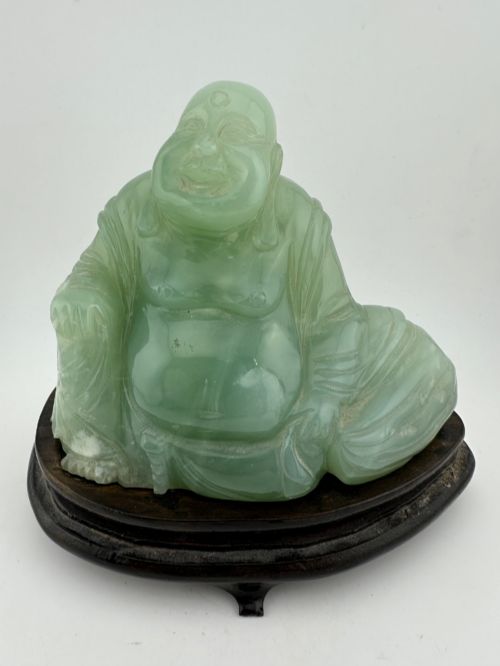
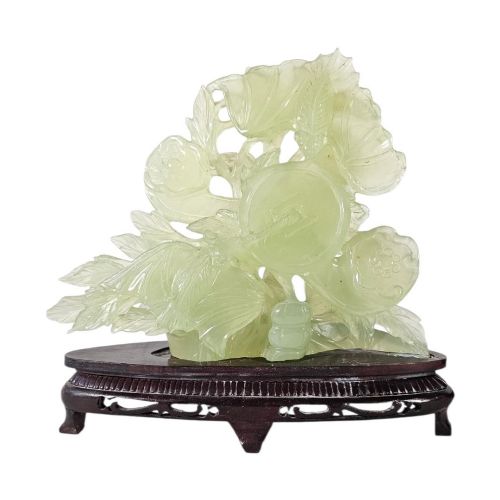


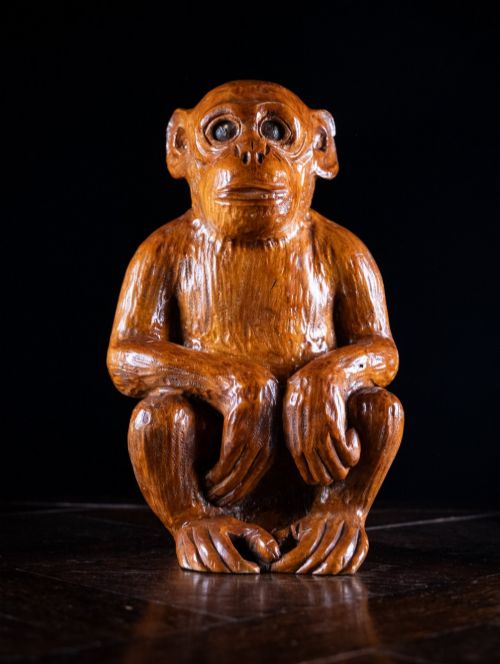
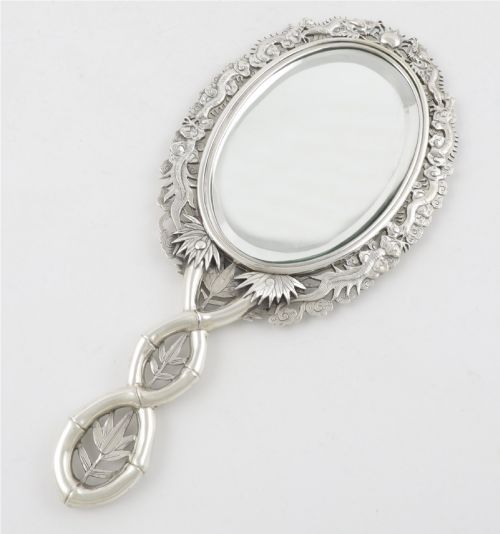
Antique Chinese Carving
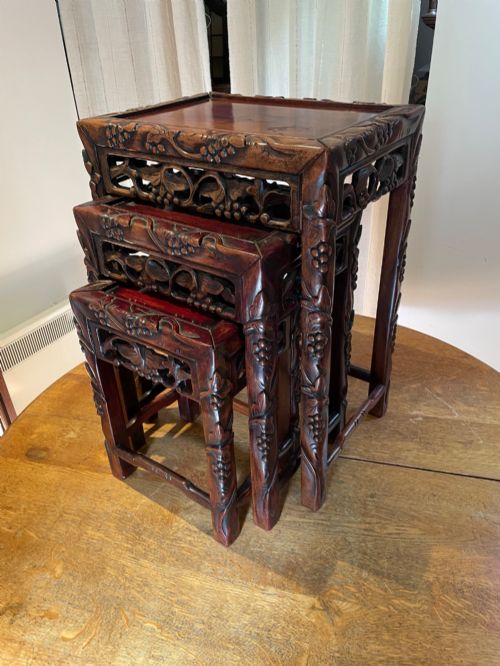
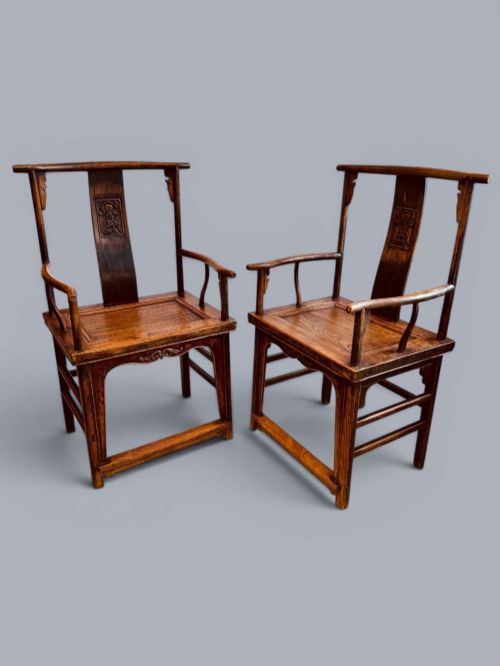
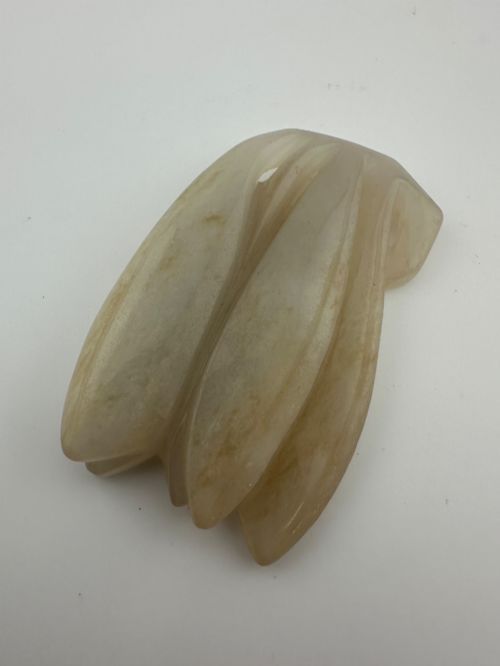
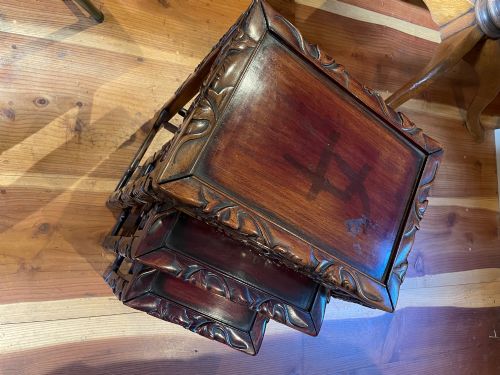
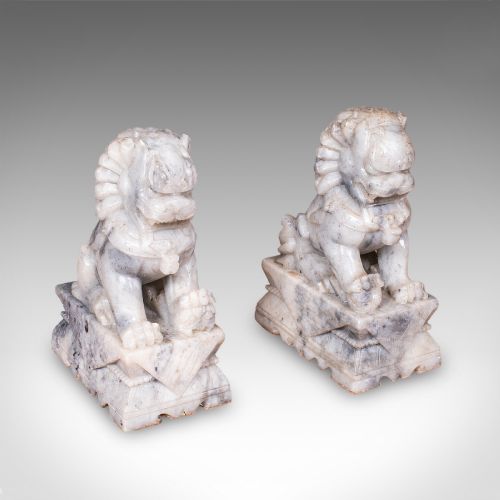
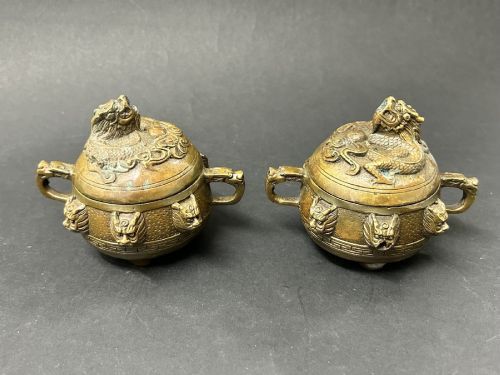
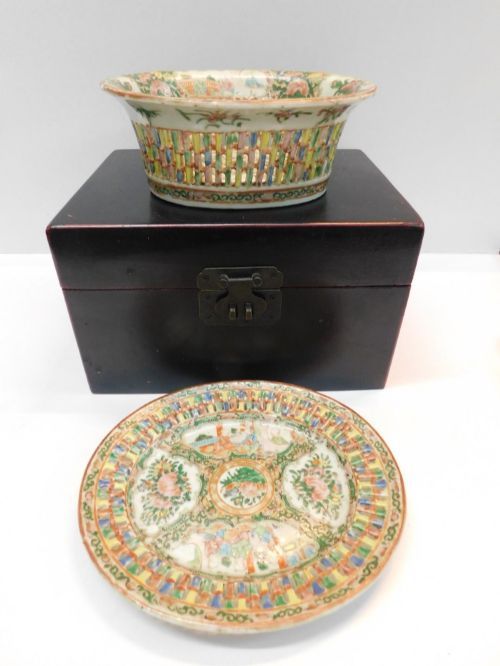
These pieces of antique chinese carving range from small jade pendants and bronze vessels to hardwood furniture and monumental figures.
Antique Chinese Carving
An antique chinese carving encompasses a broad spectrum of objects, from scholarly jade figures and bronze censers to hardwood furniture and rootwood sculptures. Collectors frequently encounter pieces originating from the Ming and Qing dynasties, alongside later Victorian and 20th-century adaptations.
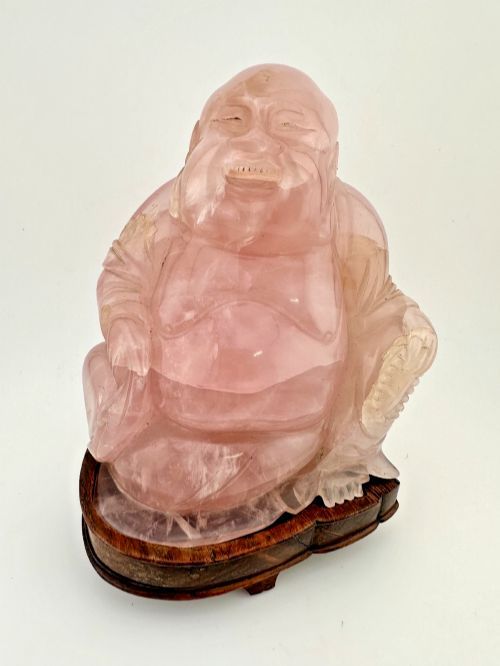
The material selection varies significantly across the category, including hardstones like jade and rose quartz, dense woods such as rosewood and padouk, as well as metals like bronze and copper alloy. Functional items such as low tables, display cabinets, and brush pots appear alongside devotional figures and ritual vessels.
Objects on this page often display traditional motifs, including Daoist immortals, mythical beasts, and floral elements. The forms range from intricate pendants and pendant-scale carvings to substantial architectural furniture and statues.
How They Were Made
Makers utilised dense timbers such as rosewood, padouk, and elm for furniture and structural carvings, often employing intricate joinery and relief carving techniques. Hardstone items like jade, amber, and rose quartz required painstaking abrasive grinding and polishing by hand to achieve their smooth surfaces and detailed forms.
Metal objects, including bronze vessels and copper-alloy vases, were produced through casting methods, sometimes incorporating applied patination and fine chiselling. Supplementary materials like mother-of-pearl inlay and lacquer finishes demonstrate the diversity of decorative techniques applied across different object types.
Antique Chinese Carving Retail Price Guide 2026
Typical asking prices for chinese carving among the pieces listed under this phrase on Sellingantiques today, from the lower quarter to the upper quarter. They describe what is for sale here now, not the wider market.
Listings feature items dated from the Ming and Qing dynasties through to the Victorian era and the 1940s.
What Varies in Quality
The standard of execution in carving depth and definition distinguishes exceptional pieces from standard examples, particularly in the rendering of facial expressions and drapery on figural works. Superior examples maintain crisp undercut details and well-balanced proportions that demonstrate the artisan's control over challenging materials like jade or hardwood.
Material selection dictates much of the baseline quality, with flawless stones and high-grade dense woods commanding greater appreciation than lesser timber or flawed minerals. Original components, custom stands, and the preservation of natural patination further elevate the standing of individual pieces.
The Antique Chinese Carving Glossary
- Celadon
- A type of ceramic or jade featuring a pale green translucent glaze or stone colour. This finish was highly prized in traditional Asian art for its subtle resemblance to jade.
- Censer
- A vessel designed for burning incense during ritual or scholarly pursuits. These often feature tripod supports and decorative covers with figural finials.
- Shoulao
- The Daoist god of longevity, frequently depicted with a high forehead and holding a peach or staff. Figures of this deity appear widely in carved stone and wood.
- Qilin
- A mythical hooved chimerical creature known in Chinese mythology as a symbol of prosperity and good omen. They are commonly seen as finials or decorative motifs on bronzes.
- Ruyi
- A curved decorative sceptre that serves as a talisman symbolizing power and good fortune. These were often carved from single pieces of tortoiseshell, jade, or wood.
Antique Chinese Carving: Frequently Asked Questions
How do I identify a Qing dynasty carving?
Qing dynasty pieces typically exhibit dense detailing, naturalistic forms, and specific material choices such as rosewood, jade, or bronze. Stylistic markers often include traditional motifs like dragons, immortals, and floral patterns.
Examining the tool marks, wear patterns, and overall construction can also help determine if a piece belongs to this imperial era or a later 20th-century revival.
What is the difference between jade and soapstone?
Jade is an extremely hard, tough mineral that resists scratching from steel and requires specialised abrasive tools to carve. Soapstone is a much softer metamorphic rock that can be easily carved with simple blades and feels soapy to the touch.
While jade develops a cool, smooth polish over centuries of handling, soapstone is prone to surface wear and shows a matte texture.
Where should I place a heavy hardwood carving?
Heavy hardwood furniture and rootwood sculptures require stable flooring and protection from direct sunlight to prevent timber drying and splitting. Placing them away from heat sources helps preserve the structural integrity of the wood.
Using custom stands or felt pads prevents scratching on both the base of the object and the display surface.
How should I clean antique ivory or bone?
Organic materials like ivory and bone require gentle dusting with a soft, dry brush rather than liquid cleaners. Moisture can cause the material to warp, crack, or discolour over time.
Keeping these objects in stable humidity conditions prevents the natural shrinkage and structural stress common in older organic items.