



Antique Chinese Carver Chair
These antique chinese carver chair pieces are substantial seating bearing historic carved detail that anchors a formal dining room or study.
Antique Chinese Carver Chair
An antique chinese carver chair brings distinct regional joinery and arm support to a traditional interior, combining deep cultural forms with classic Western adaptations. When you search for an antique chinese carver chair, you encounter sturdy armchairs and dining sets spanning multiple centuries of craftsmanship.
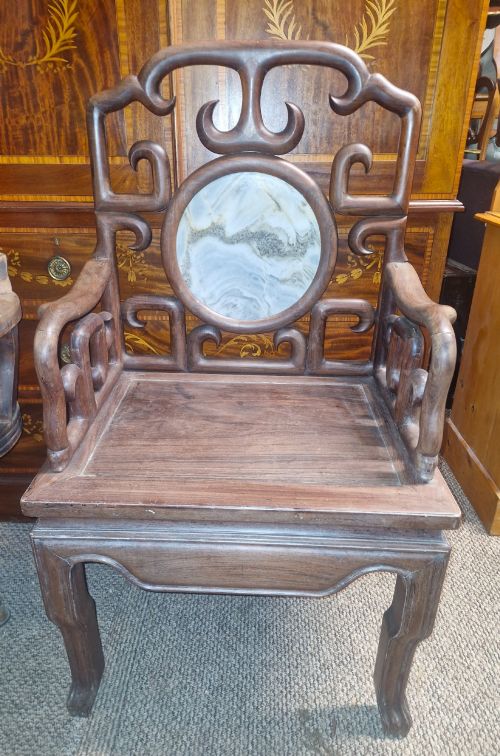
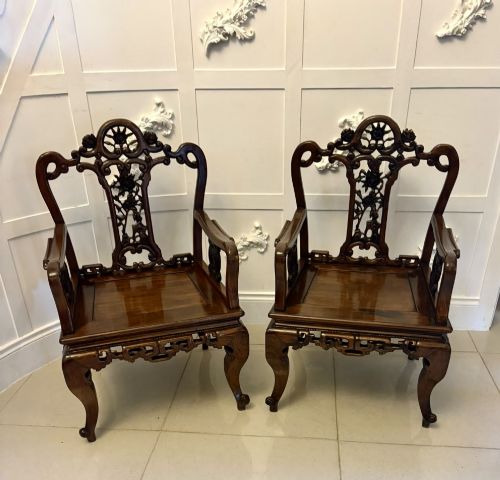
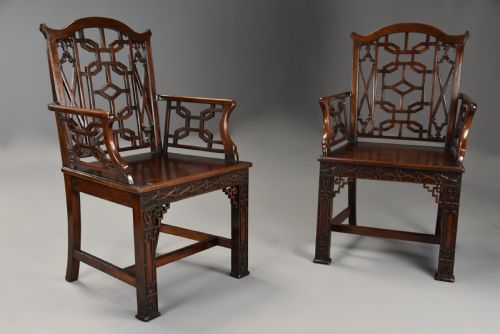
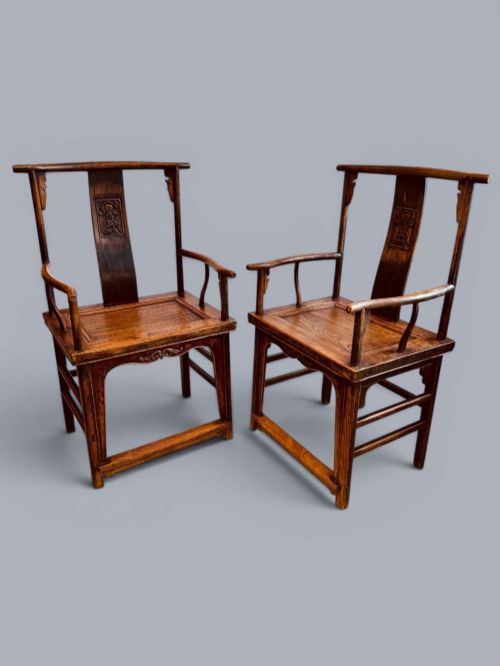
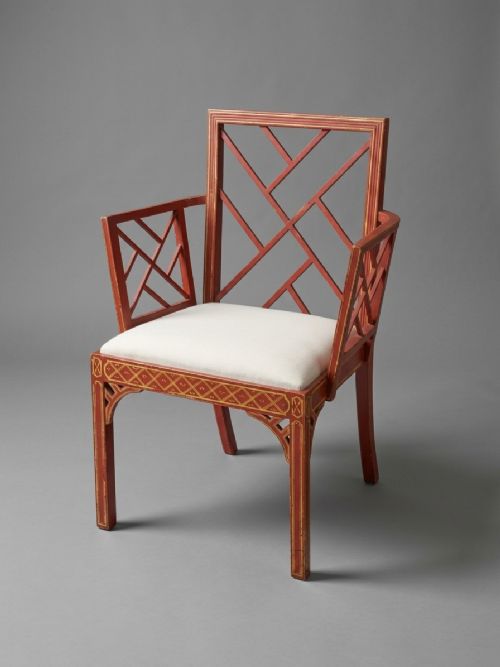
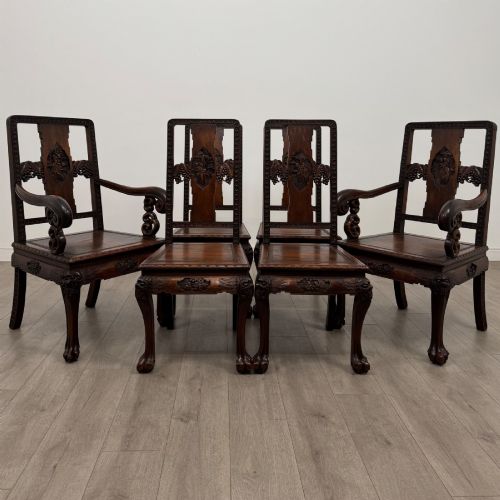
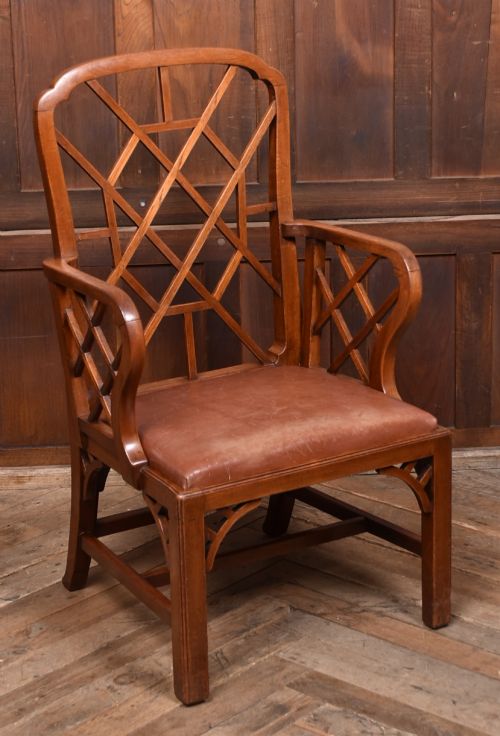
The pieces listed on this page originate from diverse periods including the eighteenth century, nineteenth century, and Edwardian eras. Forms range from heavy hardwood armchairs and elm seating to elaborate Chinese Chippendale and Cockpen styles.
You are most likely to meet mahogany and hardwood pairs or larger sets featuring classic open arms and structural carving. Export variations also appear, reflecting the historical trade aesthetic between Eastern makers and Western tastes.
Materials and construction
Makers utilised dense timbers such as hardwood, mahogany, rosewood, and elm to build frames capable of enduring centuries of daily use. These woods were chosen for their structural strength and capacity to hold crisp, intricate carving along the splats and armrests.
Surface treatments varied from polished natural grain to painted wood, leaf gilding, and lacquer finishes. Selected pieces incorporate marble inserts or traditional upholstery to complete the seating surface.
Antique Chinese Carver Chair Retail Price Guide 2026
Typical asking prices for chinese carver chair among the pieces listed under this phrase on Sellingantiques today, from the lower quarter to the upper quarter. They describe what is for sale here now, not the wider market.
Judging the workmanship
Quality rests in the crispness of the hand-carved detail and the integrity of the timber joints. Superior examples display deep, deliberate carving that retains sharp edges and balanced proportions across both arms.
The choice of material dictates the finish, with dense rosewood and mahogany allowing finer execution of decorative motifs than softer timbers. A fine patina on the wood surface indicates age and careful handling over generations.
The Antique Chinese Carver Chair Glossary
- Cockpen
- A lattice pattern of straight intersecting wooden bars used in chair backs and glazing, popularised during the eighteenth century. This geometric style derives from Chinese trellis work.
- Hardwood
- Dense timber derived from broad-leaved trees, offering exceptional durability for structural furniture. Woods like rosewood and mahogany fall into this category.
- Qing Dynasty
- The final imperial dynasty of China, spanning from sixteen forty-four to nineteen twelve. Furniture from this period exhibits varied regional carving styles.
- Patina
- The surface sheen and coloration developed by wood over years of handling, exposure, and polishing. A desirable patina signals authentic age.
- Export
- Goods manufactured in Asia specifically for sale to Western markets. These pieces often blend traditional local techniques with European design preferences.
Antique Chinese Carver Chair: Frequently Asked Questions
What is a carver chair?
A carver chair is an armchair built with arms to match a surrounding set of dining chairs. It sat traditionally at the head of a table.
These chairs provided more formal seating for the host while maintaining stylistic harmony with the simpler side chairs.
How do I date these chairs?
Dating relies on examining the timber species, joinery methods, and stylistic indicators present in the frame. Eighteenth-century pieces show different construction signatures compared to Edwardian revivals.
Comparing the carved motifs to documented historical periods helps establish a reliable timeframe for manufacture.
Where were these chairs used?
These chairs served primarily in formal dining rooms, libraries, and parlours of wealthy households. Export models often furnished grand European and British residences.
Their sturdy construction suited daily domestic use as well as formal display.
How do I care for hardwood?
Hardwood furniture requires stable indoor humidity and protection from direct sunlight to prevent timber splitting. Regular dusting with a soft cloth preserves the polished finish.
Avoid placing these chairs near heat sources that might dry out the historic wood.