


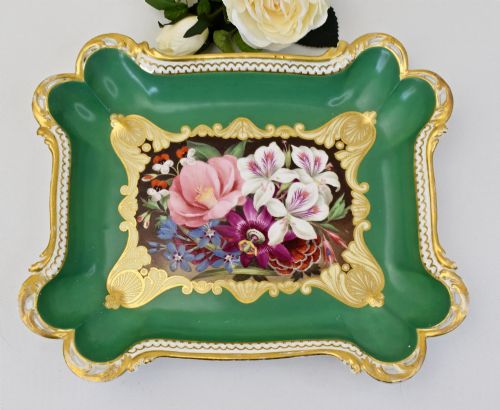


Antique China Tray
An antique china tray brings the refined hand-painted botanical motifs and blue-and-white patterns of past centuries directly to a modern table.
Antique China Tray
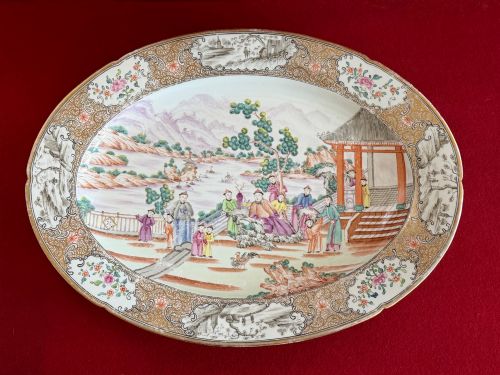
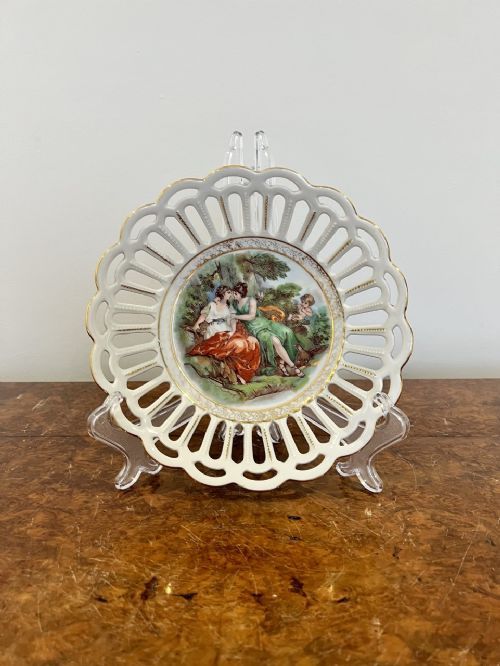
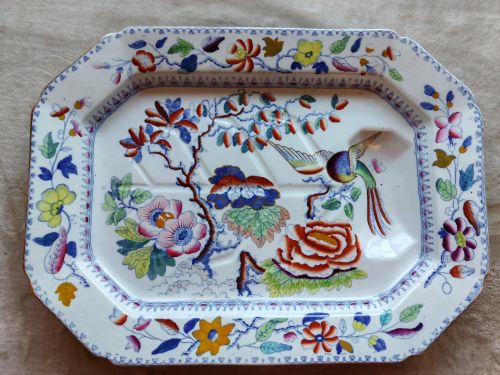
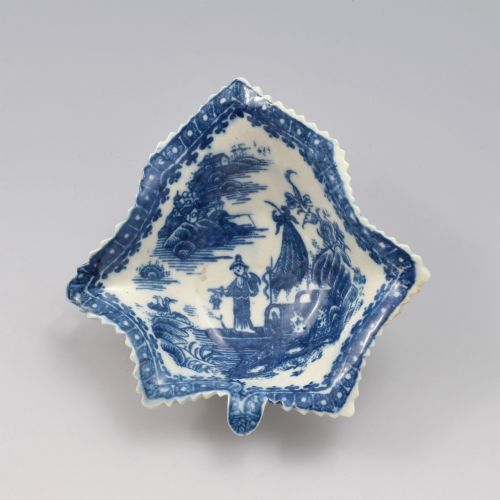
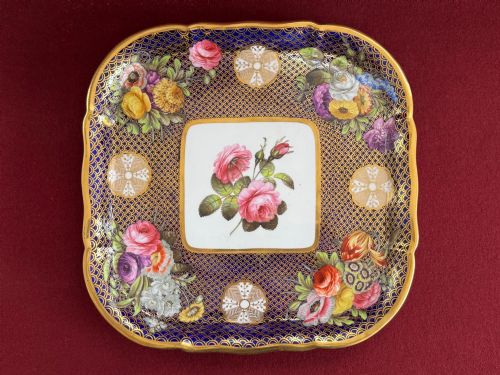
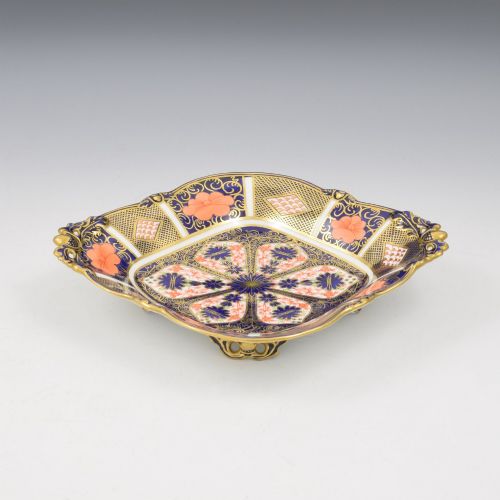
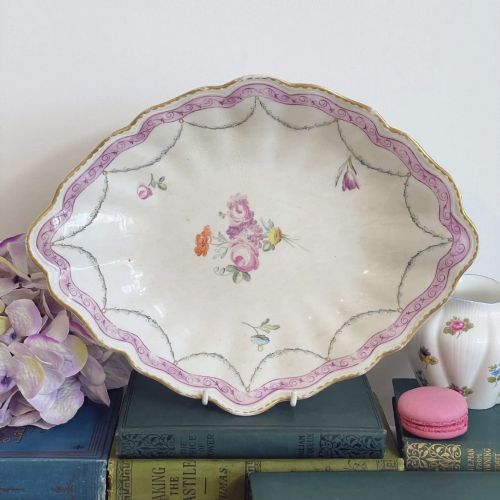
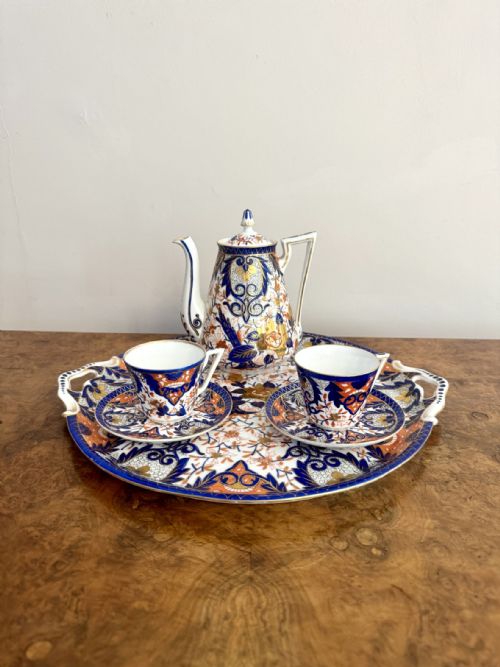
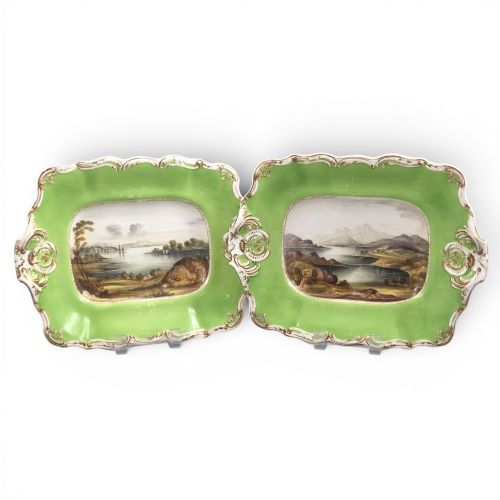
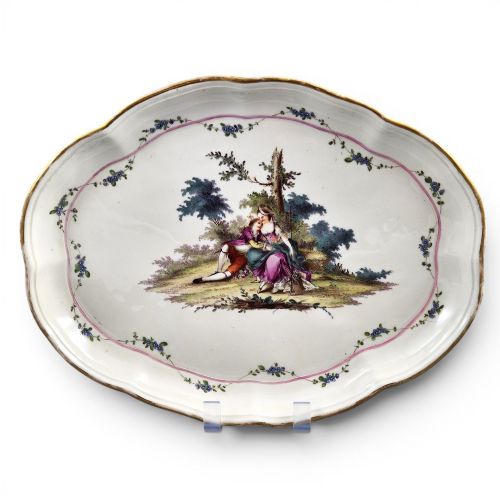
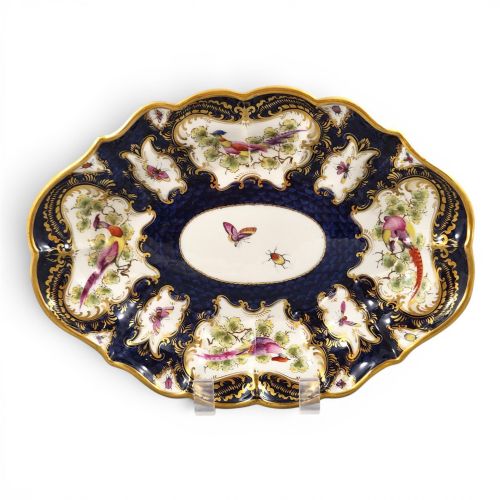
When you search for an antique china tray, you encounter an array of serving dishes, meat platters, pickle dishes, and cabinet trays originating from English, continental, and Chinese kilns. The pieces on this page span the eighteenth, nineteenth, and early twentieth centuries, encompassing Georgian, Victorian, and Edwardian periods.
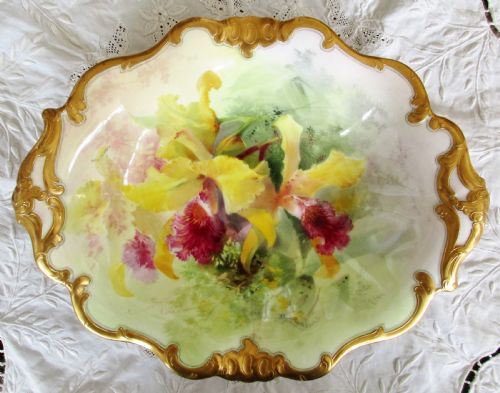
Most examples function primarily as serving platters or decorative dishes adorned with hand-painted florals, transfer-printed blue and white scenes, or Imari patterns. Makers such as Royal Crown Derby, Royal Worcester, and Mason's Ironstone represent the core of these offerings, alongside continental factories and Chinese export porcelain.
Materials and Techniques
Potters shaped these pieces from fine porcelain, bone china, earthenware, and ironstone, applying detailed glazes and hand-painted polychrome pigments. Artisans utilised gold leaf and gilt accents to highlight moulded rims, handles, and pierced galleries.
Transfer printing enabled intricate blue and white patterns, while specialist artists hand-painted fruit, birds, and botanical specimens directly onto the ceramic surface before high-temperature firing.
Antique China Tray Retail Price Guide 2026
Typical asking prices for china tray among the pieces listed under this phrase on Sellingantiques today, from the lower quarter to the upper quarter. They describe what is for sale here now, not the wider market.
Listings feature items from the 18th Century, Georgian period, 19th Century, Victorian era, Edwardian period, and 1920s.
Standards of Execution
The distinction between standard domestic wares and top-tier cabinet pieces lies in the crispness of the moulding and the precision of the hand-painted brushwork. Superior items display signed artistry, such as named painters working for major porcelain manufacturers, alongside rich, unblemished gilding.
Body thickness and translucency also separate ordinary earthenware platters from fine bone china and translucent porcelain trays. The depth of the cobalt blue in transfer-printed designs and the complexity of shaped edges determine the overall refinement of a piece.
Spode·Royal Crown Derby·Royal Worcester·Royal Doulton·Minton
The Antique China Tray Glossary
- Ashet
- A large plate or platter traditionally used for serving meat at the dining table. The term appears frequently in Scottish and northern English inventories.
- Imari
- A style of ceramic decoration featuring rich underglaze blue combined with iron red, gilt, and supplementary colours. Originating in Japan, European factories adopted the palette during the Georgian and Victorian eras.
- Comport
- An ornamental dish raised on a foot or pedestal, designed for serving fruit or dessert. These pieces sit elevated above the main table surface.
- Pickle dish
- A small, often leaf-shaped vessel used historically for holding small relishes or pickles during formal meals. They demonstrate the specialised forms produced by eighteenth-century porcelain works.
- Famille rose
- A palette of Chinese porcelain decoration dominated by opaque pink enamel introduced during the Qing dynasty. Export wares utilising this style reached European markets in large quantities.
Antique China Tray: Frequently Asked Questions
How do I date an antique china tray?
Dating relies on identifying the factory backstamp, glaze characteristics, and stylistic period markers such as Georgian neoclassical lines or Victorian revival ornamentation. Transfer-printed patterns and registration marks also provide specific decade or year benchmarks.
Comparing the paste composition, whether earthenware, bone china, or hard-paste porcelain, further narrows down the manufacturing window alongside any known artist signatures.
Can I use an antique tray for serving food?
Most antique china trays remain structurally sound for serving dry foods, fruits, or baked goods during gatherings. Careful hand washing protects the delicate low-fired enamels and fragile gilt edges from modern dishwasher detergents.
Avoiding abrasive scrubbers preserves the historic glaze surfaces and ensures the hand-painted or transfer-printed decoration stays intact for future generations.
How do I display a cabinet tray safely?
Cabinet trays and decorative dishes look best displayed using stable plate hangers or dedicated tabletop stands designed specifically for ceramics. Ensuring the support distributes the weight evenly prevents stress fractures along pierced rims or handles.
Keeping pieces away from direct, harsh sunlight prevents the fading of polychrome enamels and preserves the original vibrancy of hand-painted floral motifs.
What is the difference between porcelain and ironstone?
Porcelain is a vitrified, highly translucent ceramic fired at extreme temperatures, prized for its refined body and delicate cabinet forms. Ironstone is a heavy, durable earthenware developed to withstand vigorous daily use while mimicking the appearance of true porcelain.
While porcelain yields lighter, more translucent serving dishes and cabinet plates, ironstone provides thick, sturdy platters built for heavy dining rooms.