
Antique China Teacup
An antique china teacup brings eighteenth- and nineteenth-century ceramic artistry directly to the table.
Antique China Teacup
An antique china teacup represents small-scale domestic ceramic production across multiple centuries and stylistic shifts. The listings here present pieces ranging from eighteenth-century tea bowls to twentieth-century sets.
The most common formats met on this page include individual duos, trios with matching saucers and side plates, and larger breakfast or afternoon tea services. English factories dominate the selection alongside continental and Chinese export examples.
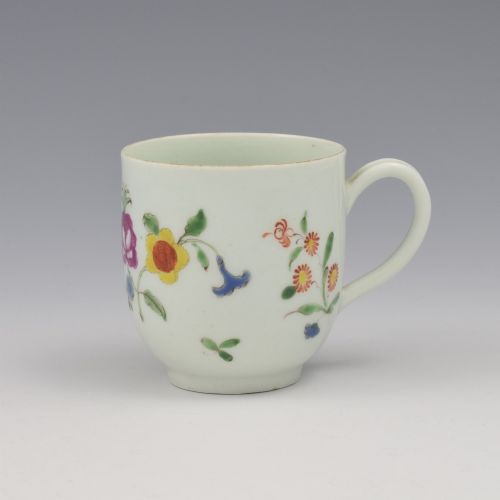
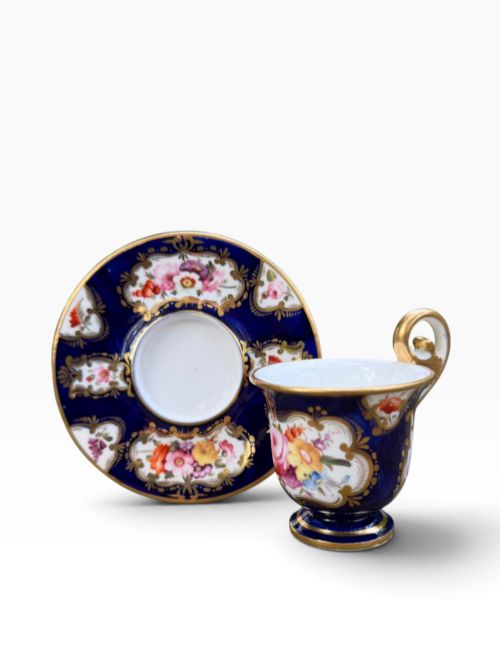
Forms transition from eighteenth-century handleless tea bowls meant for sipping green or black tea to nineteenth-century pedestal cups with distinct handles designed for heavier porcelain bodies.
How they were made
Makers utilised soft-paste porcelain, bone china, and hard-paste porcelain shaped on potter's wheels or pressed into moulds. Soft-paste bodies from the eighteenth century required lower firing temperatures and produced a creamy, translucent ground.
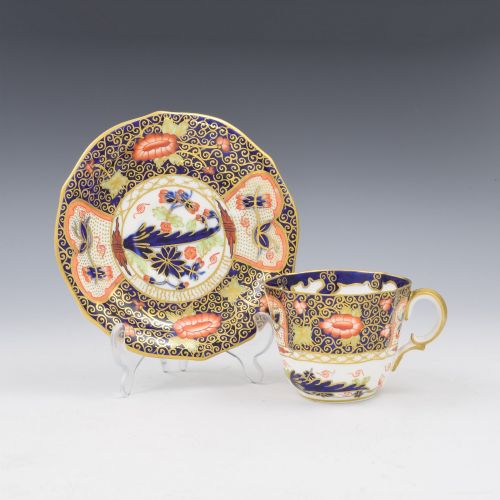
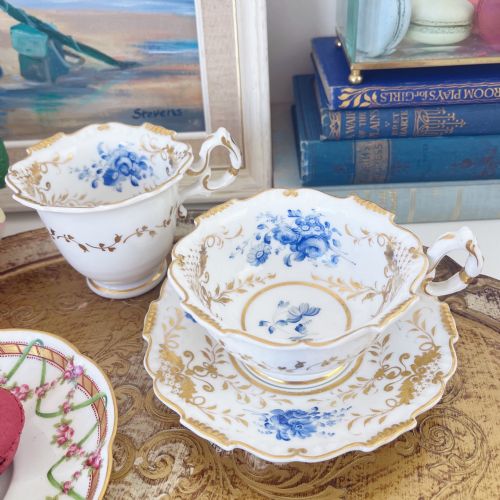
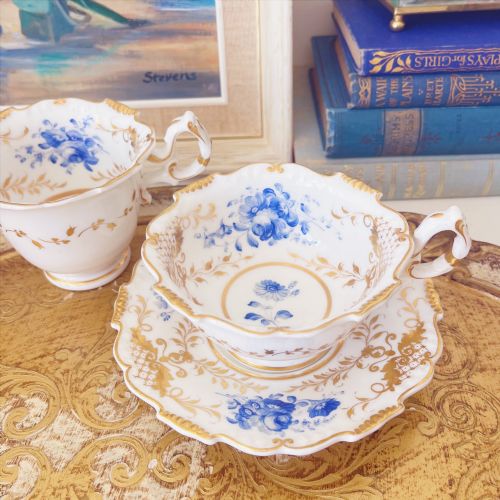
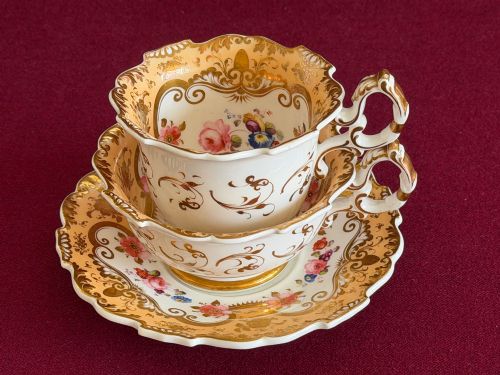
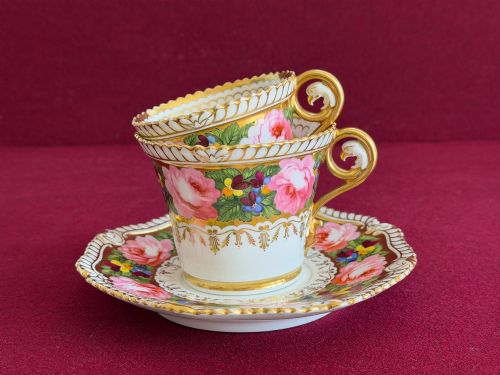
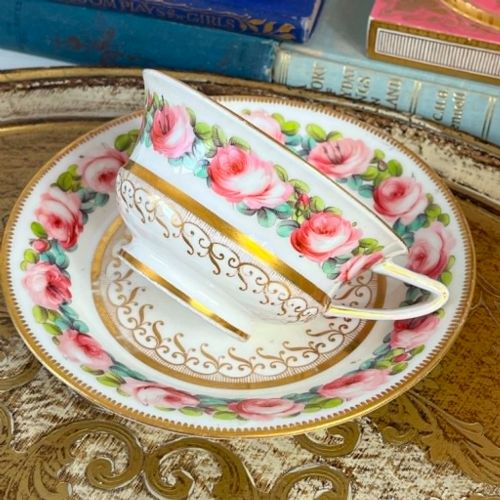
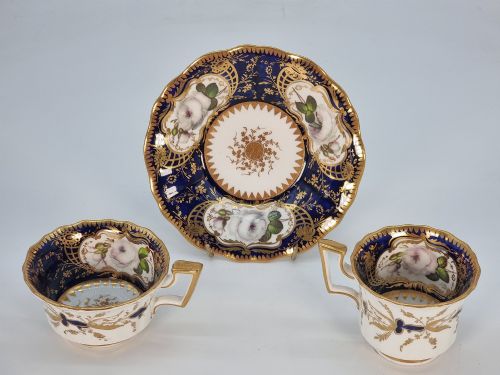
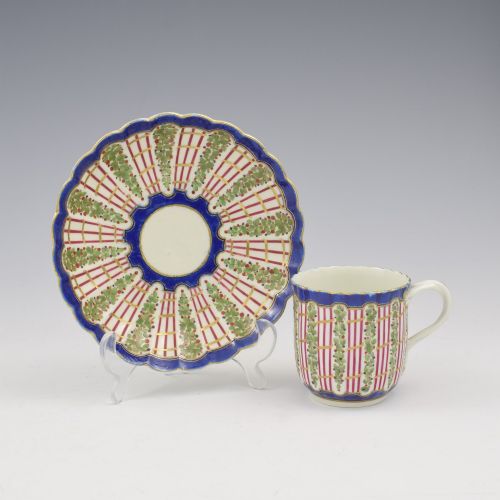
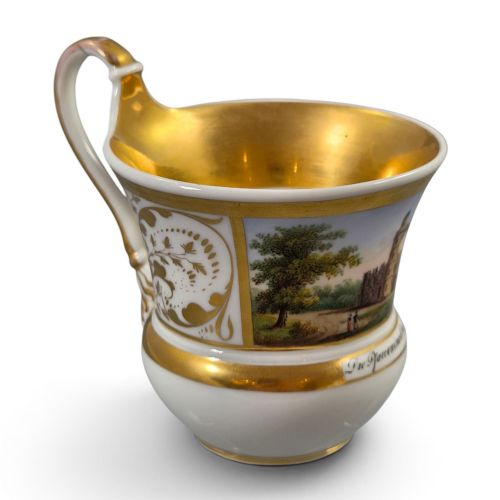
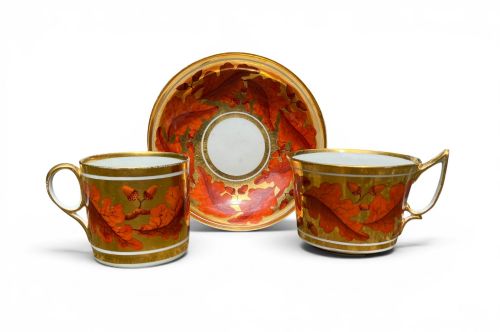
Surface decoration relied on hand-painting and transfer printing, often enhanced with enamel colours. Artisans applied gold leaf, gilding, and gold gilt by hand to rims, handles, and borders before a final kiln firing.
Some nineteenth-century cups feature painted pink cabbage roses designed to look cheerful even on grey mornings.
What varies in quality
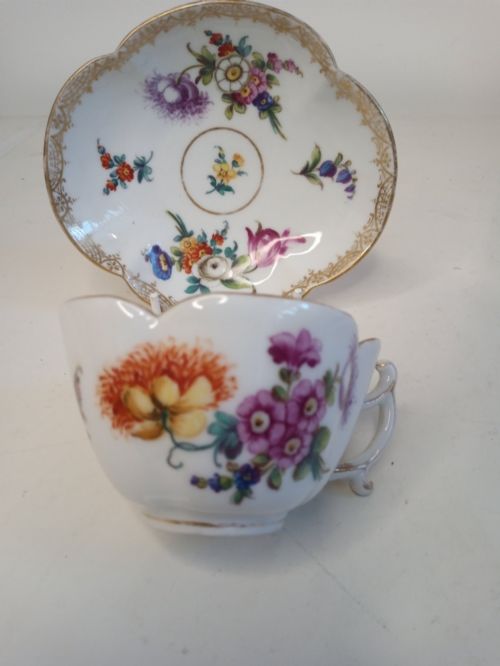
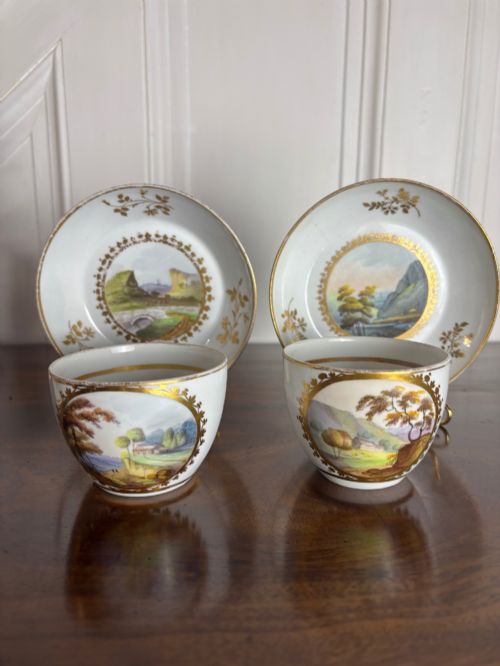
Quality separates ordinary domestic wares from cabinet pieces through the precision of the hand-painting and the complexity of the pattern. Fine botanical studies, topographical scenes, and detailed bird motifs executed by named decorators elevate a piece.
The weight and translucency of the ceramic body also determine grade. Thinner porcelain walls, perfectly potted foot rims, and heavy, burnished gilding indicate superior workshop standards.
Royal Crown Derby·H & R Daniel·Chamberlain Worcester·Richard Chaffers·Newhall·Coalport John Rose·KPM Berlin·Minton·Flight Barr & Barr·Shelley·Royal Worcester·Royal Albert Crown China·Doric China Longton Stafford·Sutherland Ware·Copelands China
The Antique China Teacup Glossary
- Tea bowl
- A handleless drinking vessel used in early tea service before the widespread adoption of handles on cups. These pieces mirror Chinese prototypes popular in the eighteenth century.
- Trio
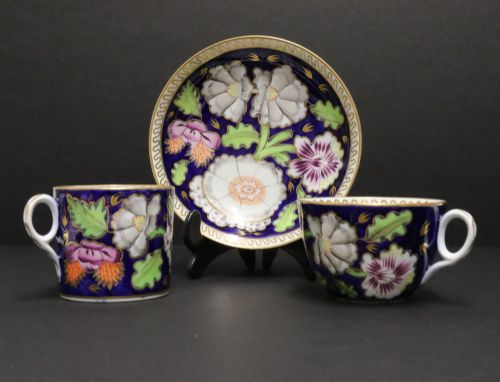
- A matched set consisting of a teacup, a coffee cup or saucer, and a matching plate. These groupings became standard for formal afternoon tea service.
- Soft-paste porcelain
- An artificial ceramic paste fired at lower temperatures than hard-paste porcelain. It yields a warm, slightly porous body with deep glaze pooling.
- Imari
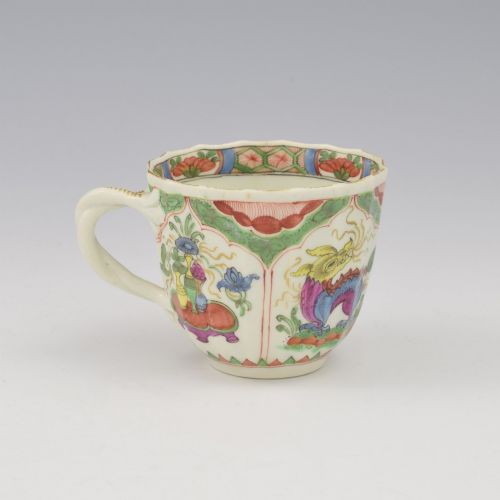
- A decorative style inspired by Japanese export wares featuring iron red, underglaze blue, and extensive gilding. English factories adopted this palette extensively during the Georgian and Regency periods.
- Gilding
- The application of metallic gold to ceramic surfaces in leaf or liquid form. Artisans burnished the dried metal to create a reflective, durable finish along rims and handles.
Antique China Teacup: Frequently Asked Questions
What is the difference between a tea bowl and a teacup?
Tea bowls lack handles and derive directly from early Chinese prototypes imported during the eighteenth century. Drinkers held them with both hands to sip brewed leaves.
Teacups developed handles as European factories adapted eastern forms for domestic consumption. This change allowed drinkers to handle hotter liquids comfortably.
How do I identify an eighteenth-century piece?
Eighteenth-century examples often feature unglazed foot rims where the ceramic sat directly on kiln furniture. The porcelain bodies tend to show subtle clouding or pitting when viewed against a strong light.
Decoration during this era frequently relied on hand-painted underglaze blue or simple polychrome enamels. Handles on these early cups are typically smaller and more delicate than later Victorian iterations.
Can I use these cups for daily tea drinking?
Most antique porcelain handles and hand-painted enamels require careful hand washing rather than mechanical dishwashing. Sudden temperature shifts can stress centuries-old ceramic bodies.
Gentle use with warm liquids preserves the delicate gilding and enamel work. Many collectors reserve these items for special occasions rather than everyday routines.
What does a trio include?
A standard trio combines a teacup, a matching saucer, and a small side or dessert plate. This configuration allowed guests to hold their cup while placing small cakes or bread on the plate.
Trios were particularly popular during the Regency and Victorian periods for formal afternoon gatherings. Finding a complete trio with matching factory marks confirms the set's original composition.