


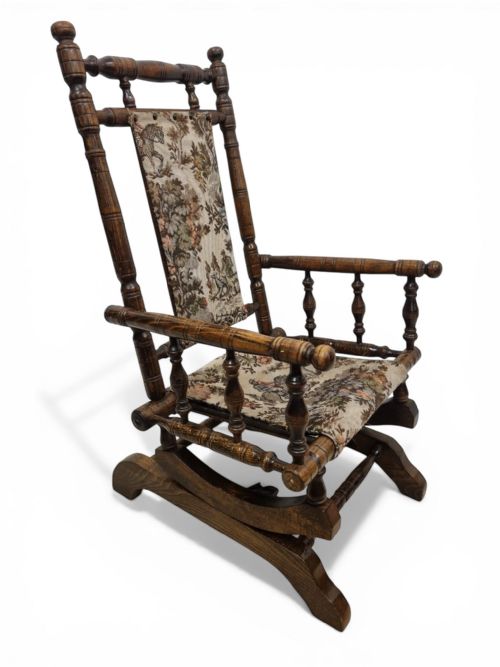


Antique Childrens Furniture
Antique childrens furniture brings miniature craftsmanship into domestic spaces, offering period domestic seating built for the smallest occupants.
Antique Childrens Furniture
Antique childrens furniture encompasses specialised seating forms made for young occupants across the Georgian, Regency, and Victorian eras. These items translate full-scale domestic seating into miniature proportions for everyday household use.
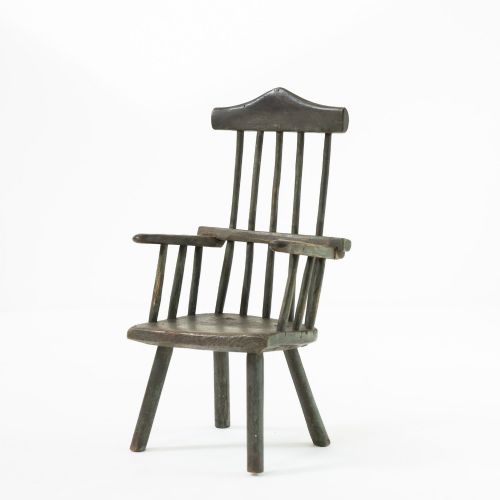
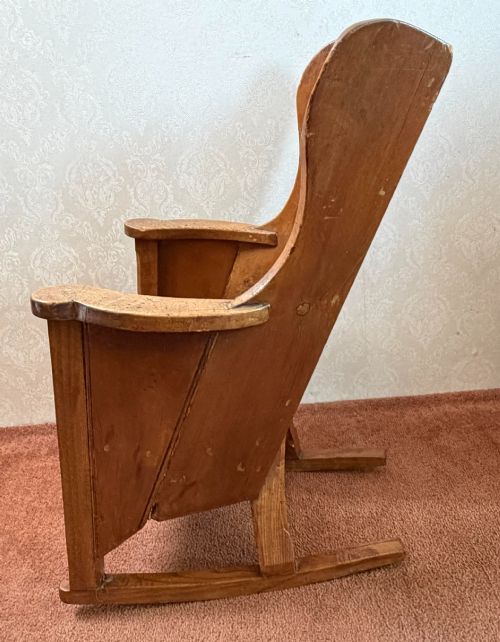
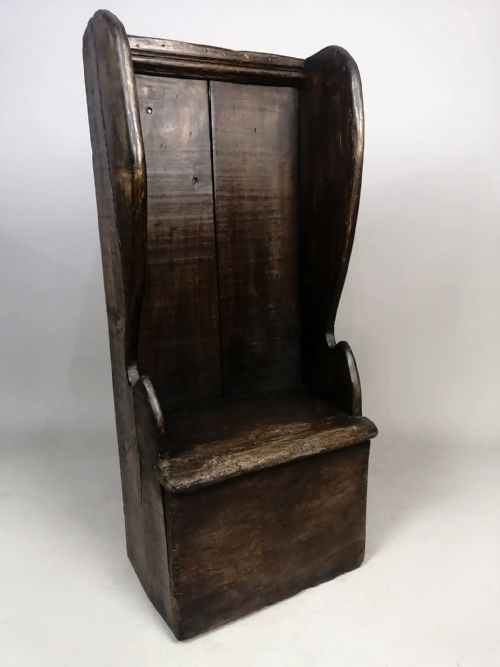
High chairs, standard children's chairs, rocking chairs, and combined chair-and-table sets dominate the surviving examples. The listings here centre on mahogany, oak, elm, and cane constructions spanning the nineteenth century.
Materials and construction methods
Cabinetmakers constructed these miniature seats using durable hardwoods including mahogany, oak, walnut, and elm. Structural joints and turned components required precise carpentry to withstand regular use by children.
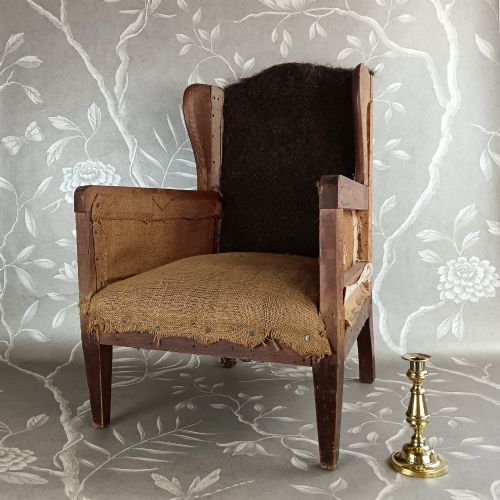
Secondary materials such as cane seating, brass accents, leather, and tapestry panels introduced texture and decorative refinement. Caned seats and upholstered inserts provided functional comfort within sturdy wooden frames.
Antique Childrens Furniture Retail Price Guide 2026
Typical asking prices for childrens furniture among the pieces listed under this phrase on Sellingantiques today, from the lower quarter to the upper quarter. They describe what is for sale here now, not the wider market.
Materials recorded across the available pieces include mahogany, brass, cane, oak, elm, tapestry, walnut, and leather.
Distinctions in quality
Quality separates standard utilitarian pieces from those displaying refined cabinetmaking techniques and sophisticated stylistic details. Finer examples incorporate select timbers, such as figured mahogany, alongside elegant turning and joinery.
Unusual forms, such as combined desk-and-chair units or caned tub highchairs, demonstrate inventive design rather than basic utility. The integration of period-specific hardware and upholstery materials further elevates the status of individual pieces.
The Antique Childrens Furniture Glossary
- High chair
- A raised seating unit designed to elevate a young child to table height, often incorporating a footrest or enclosing safety rail.
- Tub highchair
- A curved, enclosed chair form mounted on an elevated frame, providing secure seating with supportive curved armrests.
- Rocking chair
- A seat mounted on curved wooden rockers that allows gentle back-and-forth motion, built in miniature scale for children.
- Caned
- Woven rattan or cane material utilised for flexible, breathable seat panels inserted into wooden frames.
- George III
- The British design period spanning the reign of George III, characterised by classical proportions and mahogany craftsmanship.
Antique Childrens Furniture: Frequently Asked Questions
What types of antique childrens furniture exist?
Surviving examples primarily consist of seating forms scaled down for younger occupants. These include high chairs for dining, low rocking chairs, standard chairs, and multi-functional table-and-chair combinations.
Materials range from sturdy oak and elm to polished mahogany, often featuring cane work, leather, or tapestry inserts.
How do I date antique childrens furniture?
Dating relies on identifying the prevailing stylistic traits, timber choices, and construction methods associated with specific periods. Pieces span the Georgian, Regency, and Victorian eras, reflecting the furniture fashions of full-scale adult pieces from those times.
Secondary materials and joinery techniques also provide clues to the approximate decade of manufacture.
How should I clean antique childrens furniture?
Maintenance requires gentle dusting with a soft, dry cloth to protect aged wooden surfaces and delicate woven cane. Avoid harsh chemical cleaners or excessive moisture that might damage historic finishes and antique timbers.
Preserving the original patina ensures the longevity of both hardwood frames and upholstered elements.