




Antique Child Statuettes
These antique child statuettes capture youthful innocence in porcelain, bronze, and marble, offering timeless charm for any collector.
Antique Child Statuettes
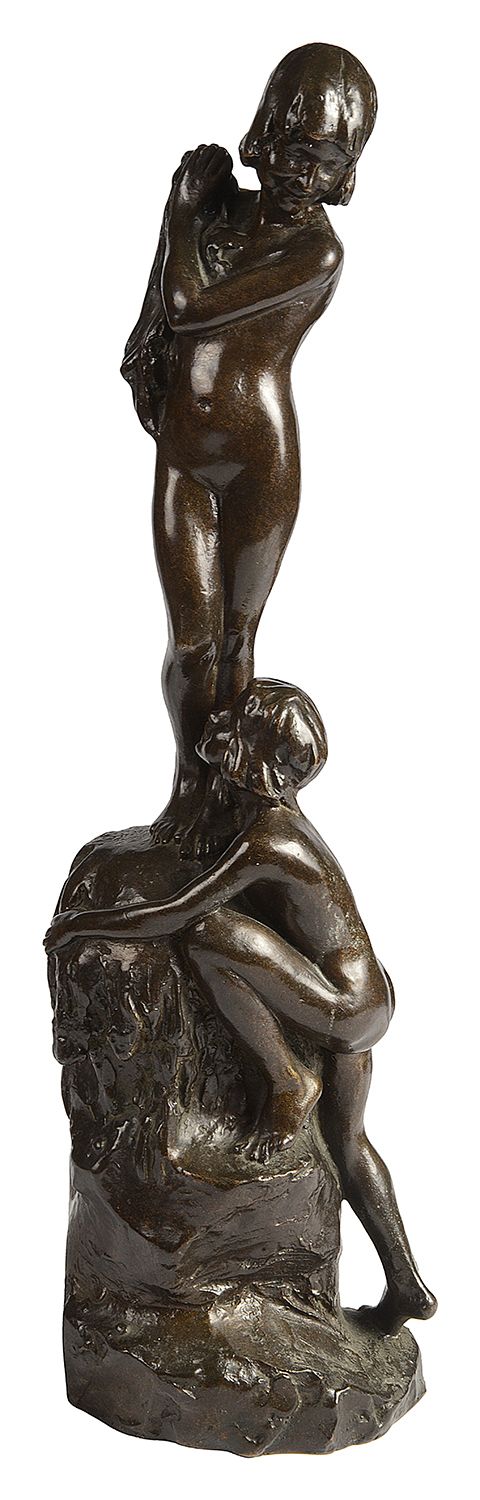
The selections span distinct periods including the eighteenth century, the Victorian era, and the early twentieth century. Common manifestations on this page include porcelain figurines, bronze sculptures, and parianware pieces originating from European makers and kilns.
Materials and Construction
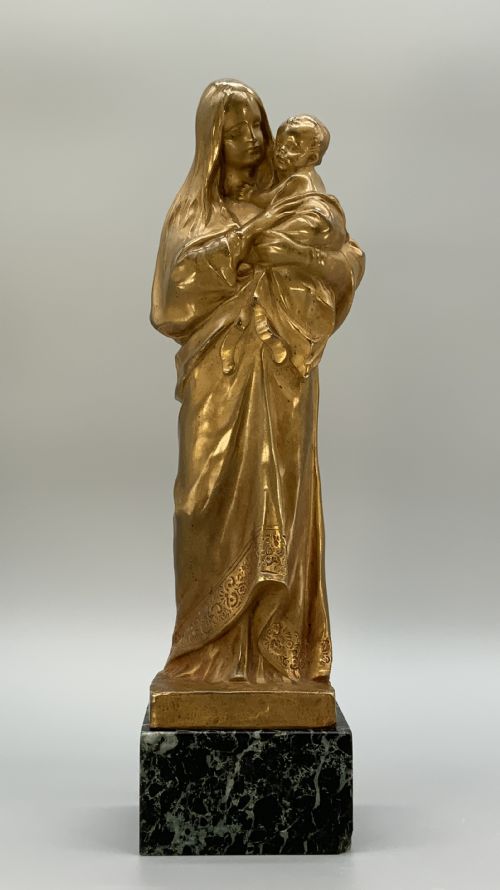
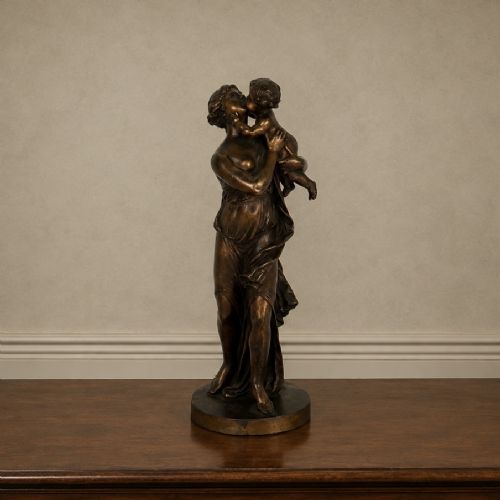
Makers utilised traditional mediums such as porcelain, bisque porcelain, and cast bronze, frequently incorporating hand-painted enamel and gilt details. Parian ware provides a matte finish mimicking carved marble, while other works employ Carrara marble and hardwood.
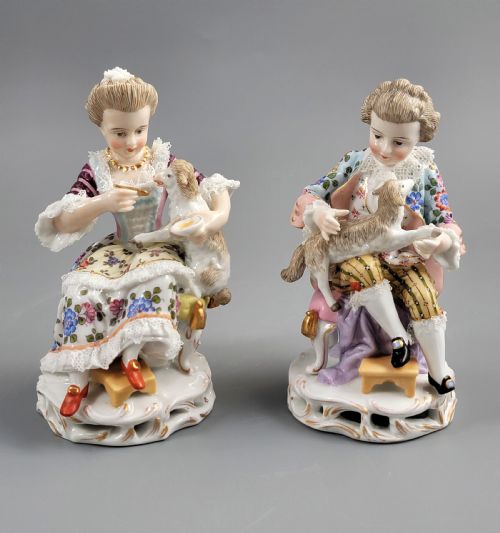
Casting and moulding techniques allowed workshops to produce detailed figures, from patinated bronze young girls to delicate porcelain figures of children in gardens. Artisans applied finishes including gold leaf and patination to enhance the sculptural depth.
Several pieces feature children accompanied by unexpected companions, including dogs, pet lambs, and a rhesus monkey.
Evaluating Quality and Detail
The reputation of the studio or foundry and the clarity of signatures or factory marks influence the standing of a piece. Superior examples maintain intact polychrome enamels, gilding, and original patination without crude restorations.
Hans Müller·Carl Kauba·Meissen·Royal Copenhagen·Mabel Lucie Attwell Shelley·Helena Wolfsohn·Ernst Bohne and Sohne·Carl Thieme Dresden·Royal Worcester
The Antique Child Statuettes Glossary
- Bisque porcelain
- Unglazed porcelain with a matte, marble-like texture. It became popular in the nineteenth century for detailed sculptural figures.
- Parian ware
- A type of fine white biscuit porcelain developed in the nineteenth century to imitate carved marble. Copeland and other potteries utilised it extensively for child figures.
- Gilt bronze
- Bronze metal coated with a thin layer of gold. This technique adds lustre and decorative richness to nineteenth-century sculptures.
- Patinated bronze
- Bronze treated with chemicals to produce a specific surface colour or sheen. Artists applied this to highlight contours on statuettes.
- Rococo Revival
- A nineteenth-century design style reviving eighteenth-century asymmetry and ornate curves. It frequently appears in decorative porcelain groups.
Antique Child Statuettes: Frequently Asked Questions
What materials are used in these statuettes?
Makers constructed these figures using bronze, porcelain, bisque porcelain, and Parian ware. Some examples also incorporate marble, hardwood, and gold leaf.
Surface decoration frequently includes hand-painted enamel and patination to accentuate fine details.
How can I identify the period of a piece?
Stylistic indicators such as Art Deco geometric lines or Victorian ornamentation help suggest a timeframe. Factory marks, signatures, and material compositions also provide clues to the era of manufacture.
Comparing the modelling style to known historical periods clarifies the age of the sculpture.
Where were these figures made?
European workshops and factories produced the majority of these works, with notable output from German, French, Austrian, and English makers. Prominent porcelain centres like Meissen and Dresden created many of the ceramic examples.
Foundries in France and Austria specialised in the bronze and marble sculptures.
How should I display them at home?
Place these statuettes on stable shelves, cabinets, or mantels away from direct sunlight and moisture. Fragile porcelain and bisque pieces require secure placement to prevent accidental knocks.
Bronze and marble figures need stable surfaces due to their weight.