



Antique Child Figure Statue
An antique child figure statue captures innocence in bronze, marble, and carved wood, offering a tangible link to historical domestic and religious ideals.
Antique Child Figure Statue
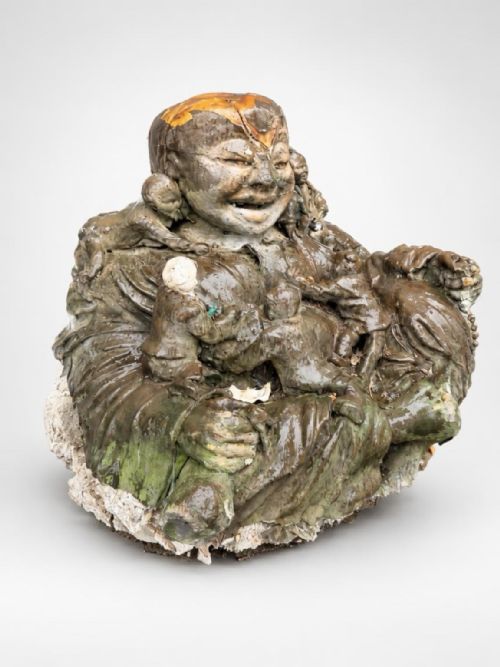
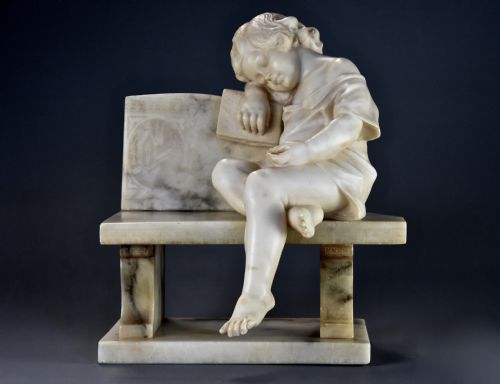
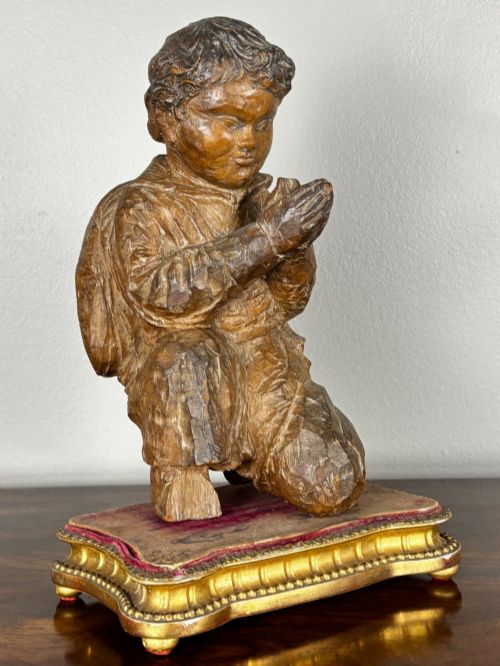
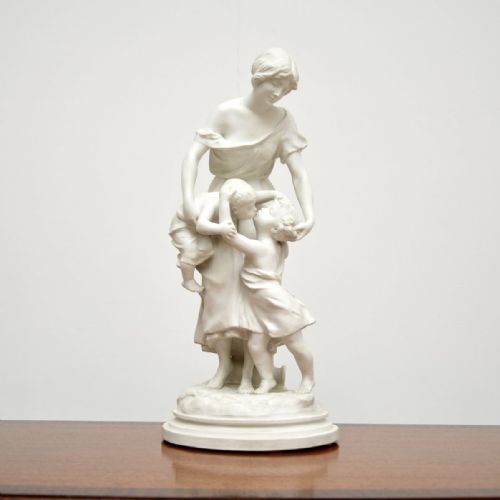
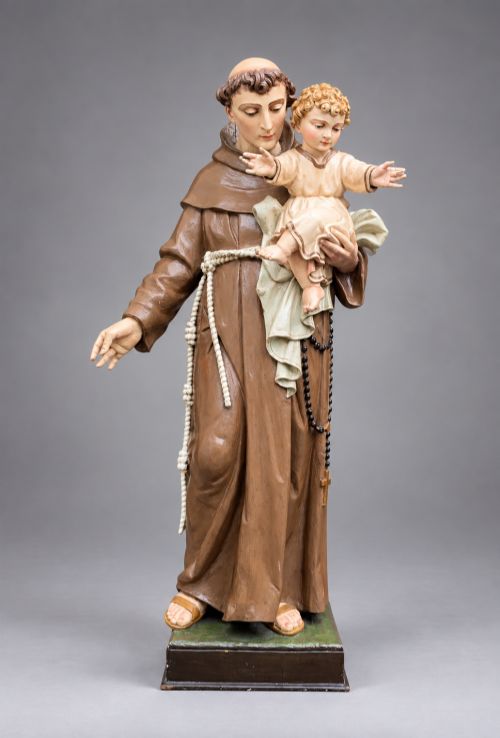
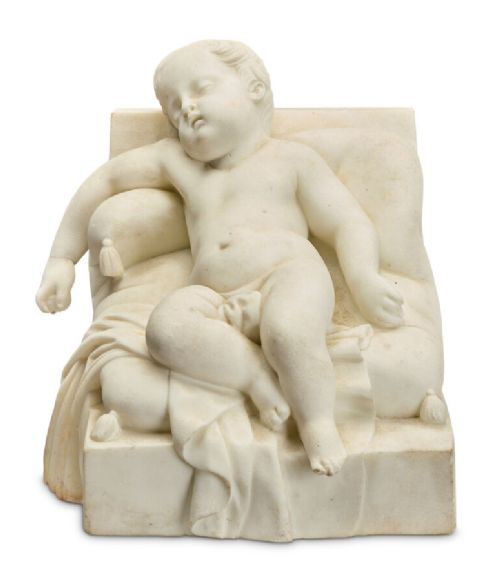
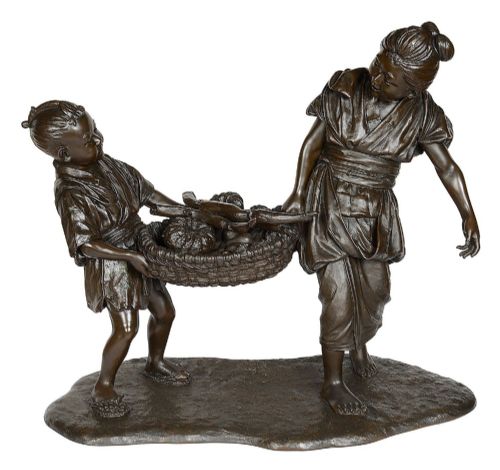
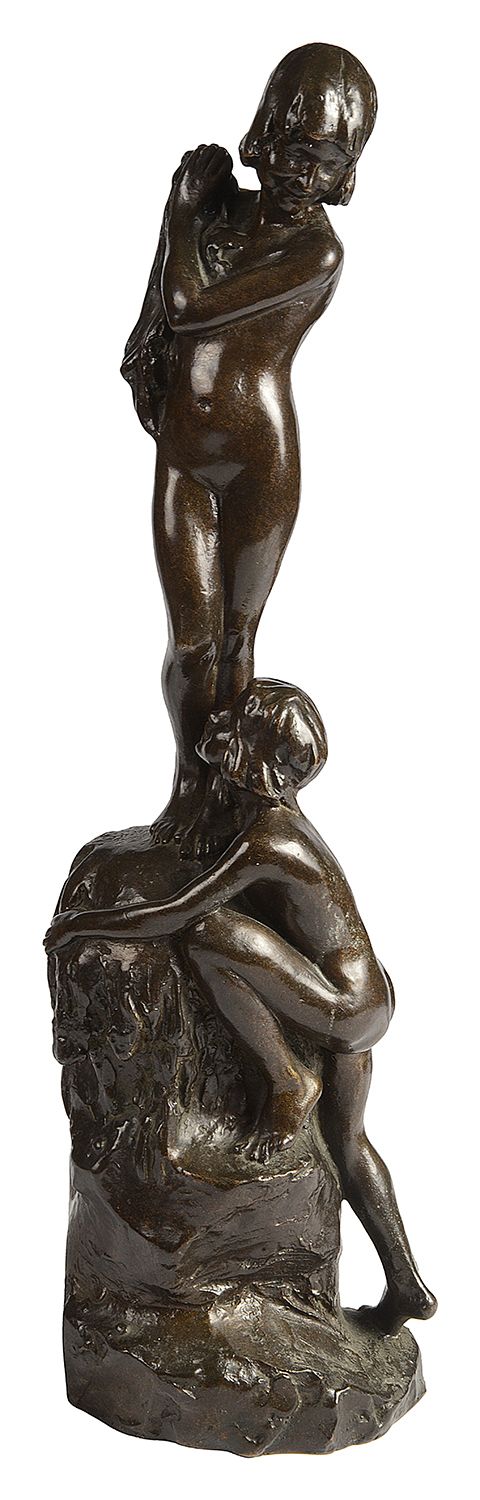
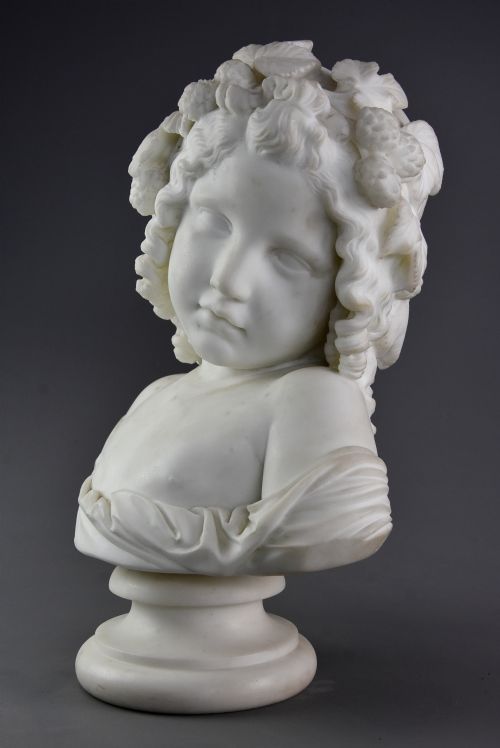
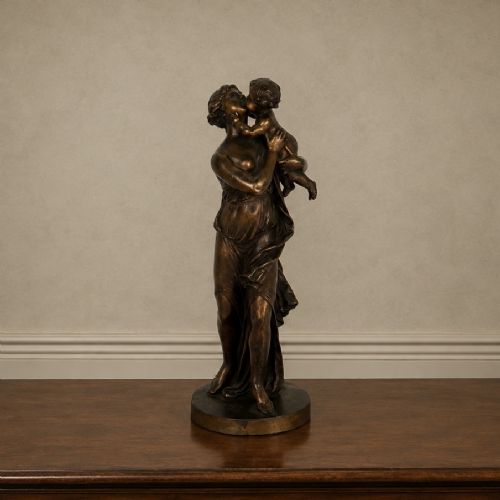
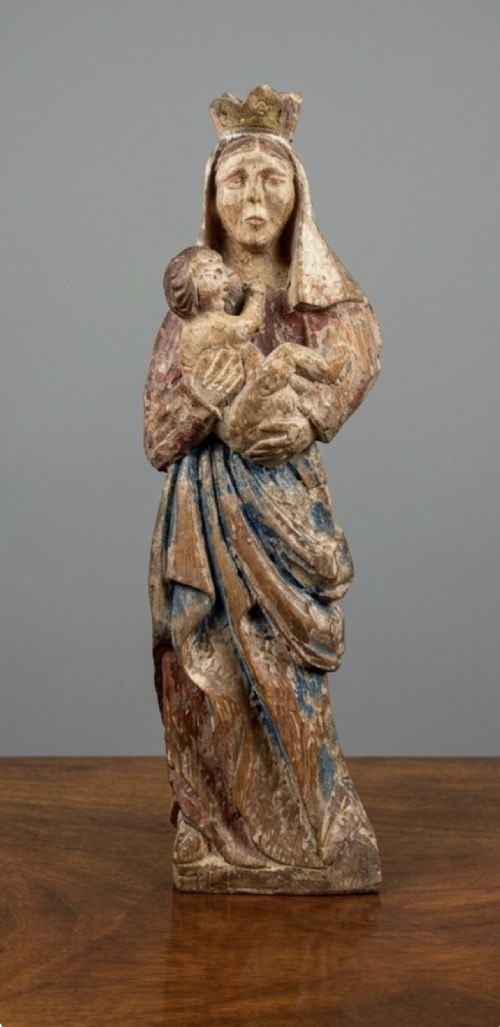
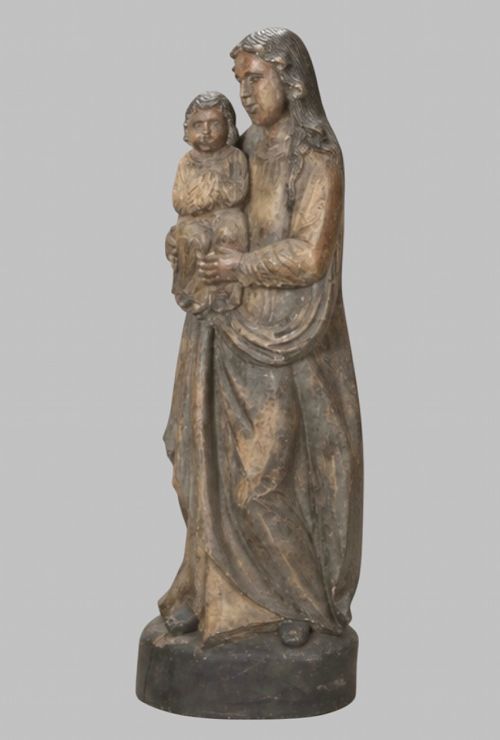
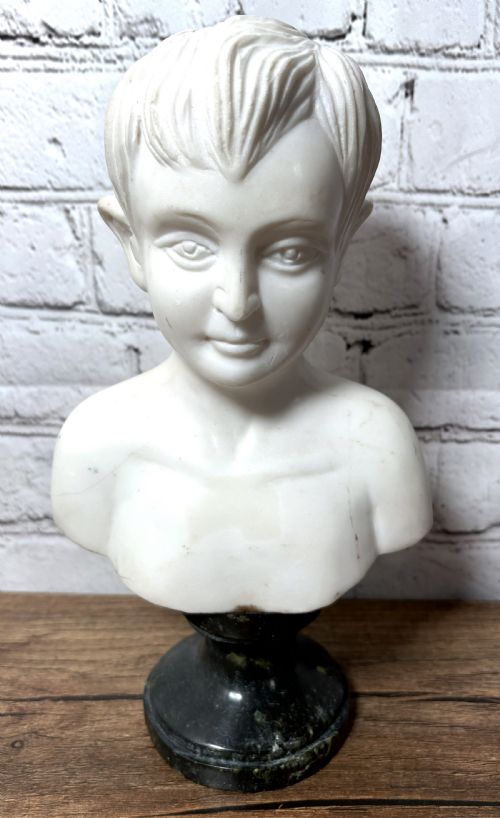
When you search for an antique child figure statue, you encounter a wide array of sculptural interpretations spanning from the eighteenth century through the Art Deco period. The selections available on this page include devotional carvings of the Madonna and Christ child alongside secular depictions of sleeping putti, bathing children, and young girls with pets. These works originate from European workshops, British studios, and Asian foundries, reflecting diverse cultural approaches to portraying youth.
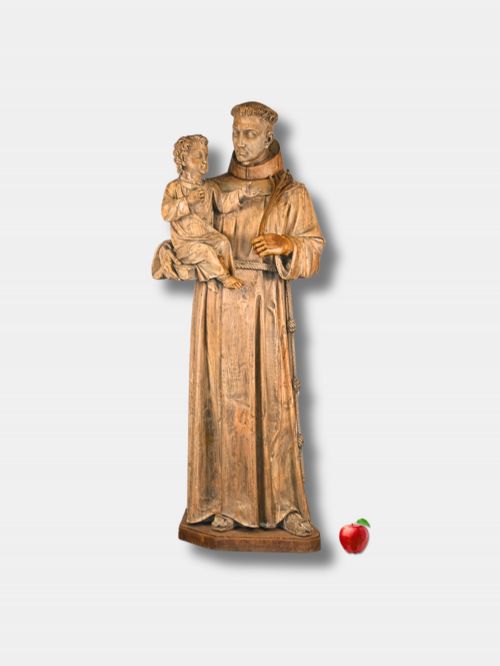
Religious subjects dominate the earlier periods, particularly German and French lime wood or oak carvings of saints holding infants, while secular bronzes and marbles emerge more prominently in the nineteenth century. Victorian pieces often lean towards classical Grand Tour subjects or sentimental subjects like sleeping children, whereas twentieth-century items incorporate Art Nouveau and Art Deco stylistic sensibilities. You will frequently find subjects cast in bronze, carved from Carrara marble, or modelled in porcelain and terracotta.
The scale of these objects ranges from cabinet busts and tabletop figurines to life-size wooden saints and substantial garden statues. Most examples date from the nineteenth century, capturing the period's fascination with childhood, sentimentality, and classical revivalism. Whether cast, carved, or fired, each piece demonstrates the prevailing aesthetic priorities of its specific decade of origin.
Materials and construction methods
Makers utilised traditional casting, carving, and modelling techniques appropriate to their chosen medium, whether working with hard stones like Carrara marble and alabaster or softer woods such as lime and oak. Bronze figures were produced using the lost-wax casting method, allowing for fine detail in hair, drapery, and facial expressions before receiving patination. Porcelain and terracotta examples required skilled moulding and careful kiln firing, often followed by hand-painting or glazing.
Carved wooden sculptures, particularly those from the eighteenth and nineteenth centuries, show tool marks from gouges and chisels beneath polychrome painted surfaces or gold leaf applications. Marble busts and statues were laboriously chiseled and polished by hand, sometimes utilising pointing machines to transfer proportions from plaster models. Parian ware pieces employed specialised ceramic slurry poured into moulds to imitate the smooth texture of carved marble.
Antique Child Figure Statue Retail Price Guide 2026
Typical asking prices for child figure statue among the pieces listed under this phrase on Sellingantiques today, from the lower quarter to the upper quarter. They describe what is for sale here now, not the wider market.
Several Victorian sculptors apparently believed that children could not be properly represented without a dog, a cat, or an oversized teddy bear nearby.
Assessing craftsmanship and execution
Signatures from recognised sculptors or reputable foundries and potteries elevate a piece, though unsigned works can still exhibit superior artistry through balanced proportions and expressive posture. The integration of materials, such as multi-patinated bronzes or carefully applied polychrome on carved wood, also separates standard commercial output from exceptional studio pieces.
P E Fiaschi·Luca Madrassi·Masaaki·Antonio Rossellino·John Durham·Carl Thieme·Alexandre Kelety
The Antique Child Figure Statue Glossary
- Putto
- A chubby male infant, often winged, derived from classical art and frequently seen in Renaissance and later decorative sculpture. They add a playful or allegorical element to religious and secular scenes.
- Parian ware
- A fine-grained, unglazed porcelain developed in the nineteenth century to imitate white marble. It was widely used for portrait busts and statuary figures due to its smooth texture.
- Grand Tour
- A cultural journey undertaken by wealthy young Europeans in the eighteenth and nineteenth centuries to collect antiquities and classical art. Many small bronzes and marble statues date from this context.
- Okimono
- A Japanese ornamental carving, typically displayed in a home rather than on a household altar. These pieces often depict everyday scenes, such as figures with fruit or animals.
- Patination
- The surface coloration, sheen, or oxidation acquired by bronze, wood, or metal over time or through artificial chemical treatment. Original patination is valued for its depth and historical integrity.
- Polychrome
- The practice of decorating architectural elements, sculpture, or pottery in a variety of colours. In wooden figures, it often involves paint applied over a gesso ground.
Antique Child Figure Statue: Frequently Asked Questions
What is a putto in antique sculpture?
A putto represents a chubby male child, frequently depicted naked and sometimes winged, originating from classical antiquity and revived during the Renaissance. Sculptors used them in religious and secular works to convey allegorical meanings or playful innocence.
You will encounter them carved in wood, cast in bronze, or modelled in marble alongside religious figures or as standalone decorative elements.
What is Parian ware?
Parian ware is a type of unglazed biscuit porcelain introduced in the nineteenth century to replicate the smooth, matte appearance of carved white marble. British manufacturers utilised it extensively for affordable yet detailed portrait busts and literary figures.
It is heavier and denser than standard porcelain, offering a durable alternative for cabinet statuary.
Where were bronze child figures displayed?
In the nineteenth century, small bronze sculptures of children, animals, and mythological subjects were designed for display on library desks, mantelpieces, and cabinet tops. Wealthy collectors gathered them as souvenirs of European travel or as fashionable ornaments for domestic drawing rooms.
Larger versions served as garden statues or focal points within entrance halls and private galleries.
How can I distinguish wood types in carvings?
Lime wood and oak are the most common woods found in European devotional figures, each possessing distinct grain patterns and weight. Lime wood provides a fine, even grain that allows for intricate, smooth undercutting favoured by baroque and neoclassical carvers.
Oak offers a coarser, heavier texture with prominent medullary rays, typically seen in earlier medieval and sixteenth-century pieces.