



Lead Figure Ornament
A lead figure ornament brings enduring character to a garden, offering solid presence and classical form.
Lead Figure Ornament
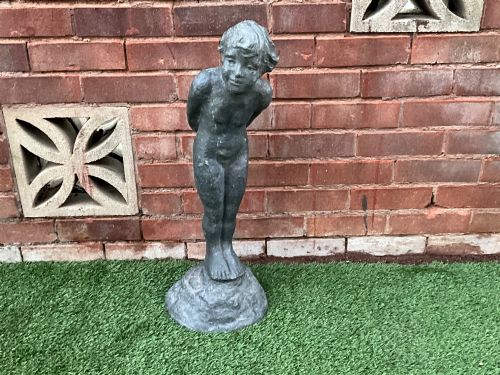
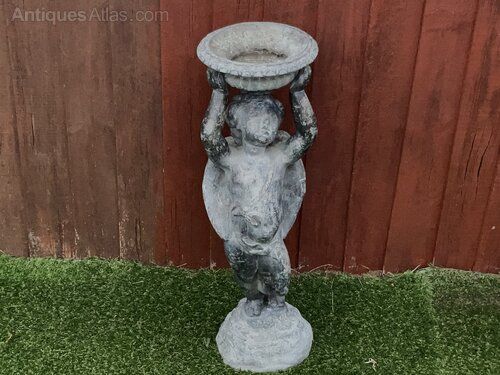
A lead figure ornament covers cast metal statues, putti, animals, and decorative sculptures designed primarily for garden settings. These objects emerge from periods spanning the Georgian era through the Victorian epoch and into the twentieth century.
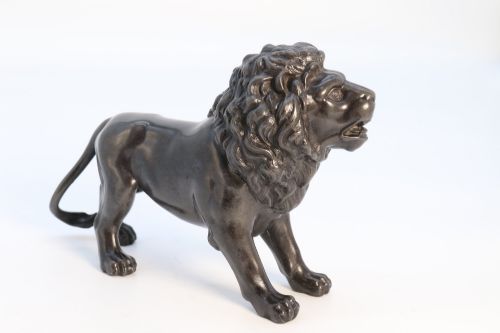
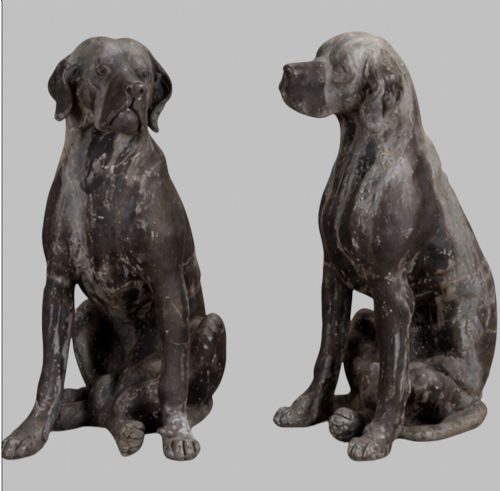
Buyers meet diverse forms on this page, ranging from life-size hounds and classical lions to singular putti, satyr musicians, and small sculptural figures. Certain pieces draw upon specific historical aesthetics, including Tudor revival and neoclassical designs.
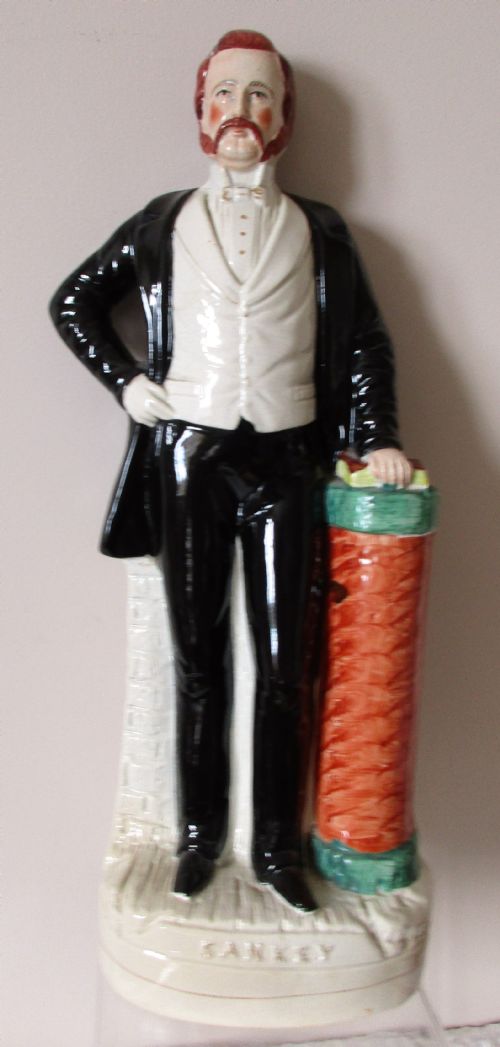
While most examples are cast in lead or pewter, the broader selection includes earthenware pottery figures and glazed ceramics. This variety provides distinct visual textures for outdoor landscapes and interior display alike.
How they were made
Makers utilised traditional casting methods to shape molten lead into detailed garden statuary, often employing multi-part moulds. This technique allowed for the creation of substantial figures like seated hounds and life-size putti.
Surface finish varied through natural weathering, occasional paint applications, or cold-painted details as seen on smaller continental specimens. Secondary materials such as wood sometimes appeared in associated bases or display mounts.
Ceramic equivalents relied on earthenware bodies finished with glazes and enamels, capturing portrait figures and birds through specialised pottery firing processes.
Lead Figure Ornament Retail Price Guide 2026
Typical asking prices for lead figure ornament among the pieces listed under this phrase on Sellingantiques today, from the lower quarter to the upper quarter. They describe what is for sale here now, not the wider market.
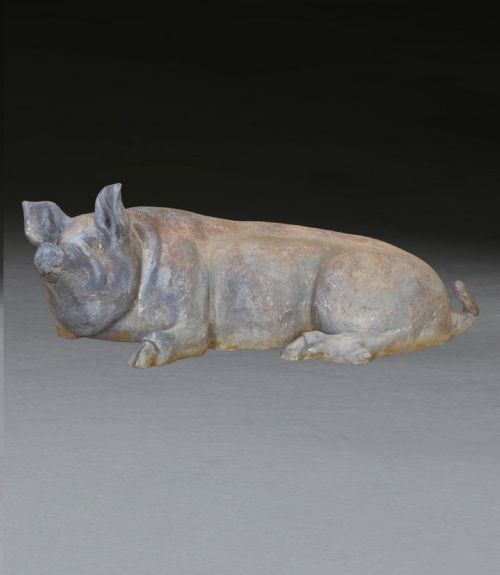
A thoughtful monkey and a Tudor king sit comfortably among the hounds and putti.
What varies in quality
Proportion and scale dictate visual success, particularly in pairs of hounds or putti designed to flank architectural pathways. Heavier gauge metal casting provides structural integrity that prevents distortion over time.
The integrity of the surface patina influences aesthetic appeal, as natural oxidation forms protective layers that enhance the perceived age and depth of the metal.
The Lead Figure Ornament Glossary
- Putto
- A plump, naked male child figure often depicted in classical art and garden statuary. These winged or wingless cherubs frequently appear in lead as garden ornaments.
- Cast Lead
- Molten metal poured into a mould to create solid or hollow sculptural forms. This durable material withstands outdoor elements while developing a grey surface patina.
- Pewter
- A malleable metal alloy composed primarily of tin with copper and antimony. It serves as a finer medium for smaller animal studies and cabinet figures.
- Sancai Glaze
- A three-colour ceramic glaze technique traditionally associated with Chinese pottery. It creates mottled green, amber, and cream effects on decorative figures.
- Neoclassical
- An artistic style drawing inspiration from the classical art and culture of ancient Greece and Rome. This aesthetic influences the formal posture and drapery of garden sculptures.
Lead Figure Ornament: Frequently Asked Questions
How do I care for an outdoor lead figure?
Lead ornaments require minimal maintenance because the metal naturally forms a protective oxidation layer against moisture and frost. Avoid harsh chemical cleaners or abrasive scouring pads that might strip away the historic surface appearance.
Simply rinse the sculpture with clean water and a soft brush to remove accumulated moss or debris. Allowing the natural weathering process to continue preserves the integrity of the material.
Where should I place a garden statue?
Position lead sculptures where they interact naturally with surrounding foliage, stone pathways, or architectural walls. Placing them at focal points in a garden draws the eye through the landscape.
Ensure the figure rests on a stable, level surface such as a stone plinth or paved base to prevent uneven settling. Well-chosen placement protects the sculpture from excessive dampness and potential ground subsidence.
How can I tell the age of a lead ornament?
Examining the casting seams, tool marks, and overall wear patterns helps indicate the approximate period of manufacture. Older pieces often exhibit heavier metal thickness and hand-finished details from traditional foundry work.
Comparing the stylistic motifs, such as Victorian neoclassical drapery or Georgian proportions, provides further clues regarding origin. Surface patination also offers a reliable indicator of age and prolonged environmental exposure.
Are these figures solid lead?
Many large garden sculptures and statues are hollow-cast to reduce overall weight while maintaining structural strength. Smaller figures and animal studies are more frequently cast as solid metal objects.
Checking the weight relative to the size helps determine whether a piece is hollow or solid. Both construction methods were standard practice across different periods of metalworking.