



Vintage Metal Garden Figure
A vintage metal garden figure brings character and history to an outdoor space, offering enduring charm for pathways and lawns.
Vintage Metal Garden Figure
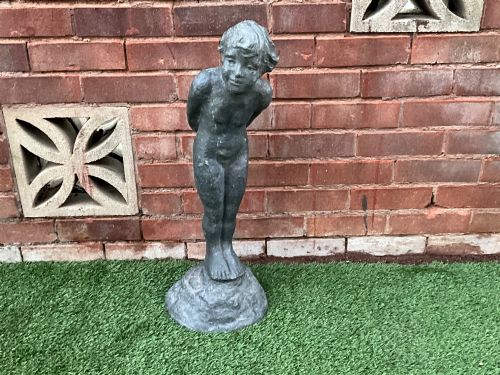
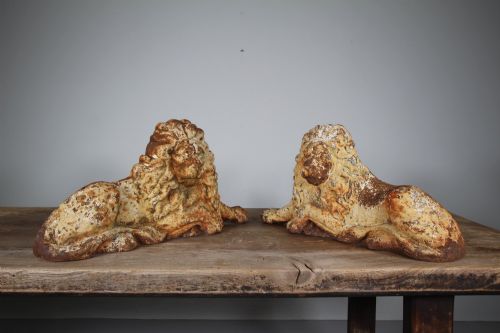
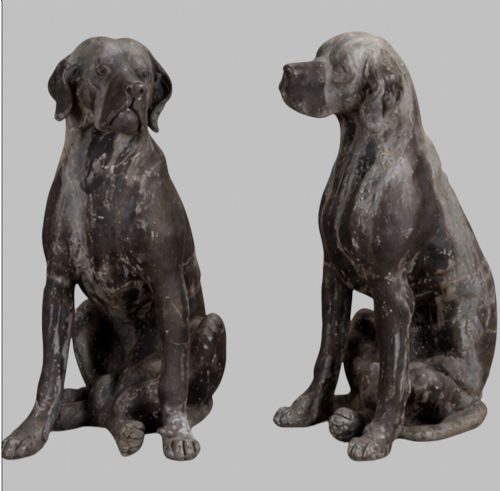
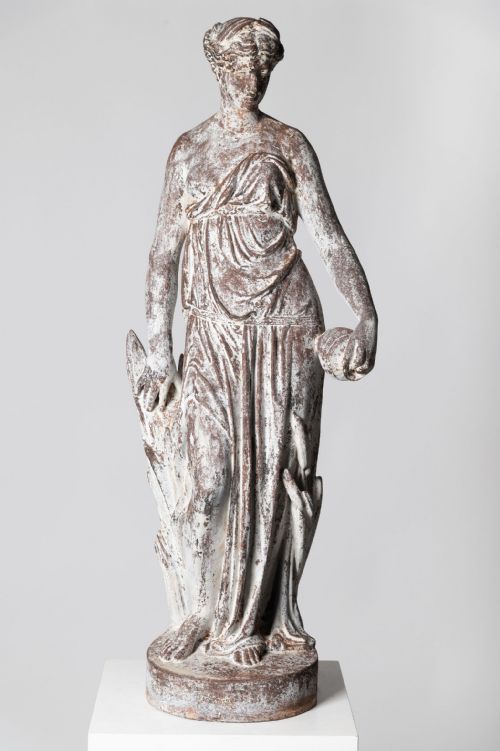
The selections span distinct periods and aesthetics, featuring Victorian examples alongside pieces from the 1920s, 1930s, and 1880s. Common representations include animals such as lions, hounds, and owls, as well as human figures like children, putti, and young men.
Styles lean toward traditional English country sensibilities, Victorian design, and Neoclassical revival. Buyers frequently encounter lead and cast iron figures that have acquired weathered patinas over decades of outdoor exposure.
How they were made
Makers utilised cast iron and lead as primary materials, pouring molten metal into moulds to achieve detailed animal and human forms. Foundry work ranged from commercial production to specialised outputs like the Val d’Osne foundry and Nuremberg metalworking.
Many items received applied surface treatments, including historical paint finishes and cold-painted detailing on lead. These techniques allowed creators to impart realistic colouration and texture to birds, figures, and decorative garden ornaments.
Vintage Metal Garden Figure Retail Price Guide 2026
Typical asking prices for vintage metal garden figure among the pieces listed under this phrase on Sellingantiques today, from the lower quarter to the upper quarter. They describe what is for sale here now, not the wider market.
Listings feature items spanning the 19th century through the 1930s, constructed predominantly from cast iron and lead.
What varies in quality
Surface preservation significantly influences the character of a piece, particularly where original paint or historical lead patination remains intact. True pairs and life-size sculptures represent higher levels of original commission and craftsmanship.
Val d’Osne foundry·Little Plomb de Nuremberg
The Vintage Metal Garden Figure Glossary
- Cast Iron
- An iron-carbon alloy poured into moulds to create rigid, heavy objects. It was widely utilised for 19th-century garden statuary and architectural ornaments.
- Cast Lead
- A malleable heavy metal cast into decorative shapes. It was favoured for garden figures due to its resistance to rust and ability to hold fine detail.
- Boot Scraper
- A fixed metal implement positioned near doorways for cleaning mud from footwear. They frequently incorporated sculptural animal forms such as lions.
- Putto
- A figure of a small chubby male child, often winged, derived from classical art. They appear frequently in period garden ornaments and fountain sculptures.
- Cold Painted
- A method where paint is applied to metal without subsequent firing. This technique was used on smaller metal and lead figures to add colour.
Vintage Metal Garden Figure: Frequently Asked Questions
Where should I place a heavy metal figure?
Cast iron and lead figures require stable, level surfaces such as stone patios, paved garden paths, or reinforced lawn areas. Their substantial weight generally keeps them secure without additional fixings.
Position them where changing daylight highlights the cast details and weathered surfaces against surrounding foliage.
How do I care for vintage garden metalwork?
Allow lead and cast iron to retain their natural patinas, as oxidation protects the metal beneath from deeper corrosion. Avoid aggressive cleaning agents that strip historical paint.
Keep bases clear of accumulated damp soil and fallen leaves to prevent moisture retention during colder months.
Are these figures frost resistant?
Period cast iron and lead generally withstand outdoor conditions well, having endured decades of seasonal weather changes. Ensure hollow figures do not collect trapped water that could expand as ice.
Move smaller or more delicate painted items into sheltered garden structures during severe winter freezes.
How do I date a metal garden figure?
Examine the casting quality, fastener types, and surface wear patterns to gauge the period of manufacture. Stylistic cues such as Victorian proportions or Neoclassical motifs provide reliable chronological markers.
Foundry stamps and historical foundry marks offer direct evidence of origin when present on the metal.